Artwork
Modeskizze
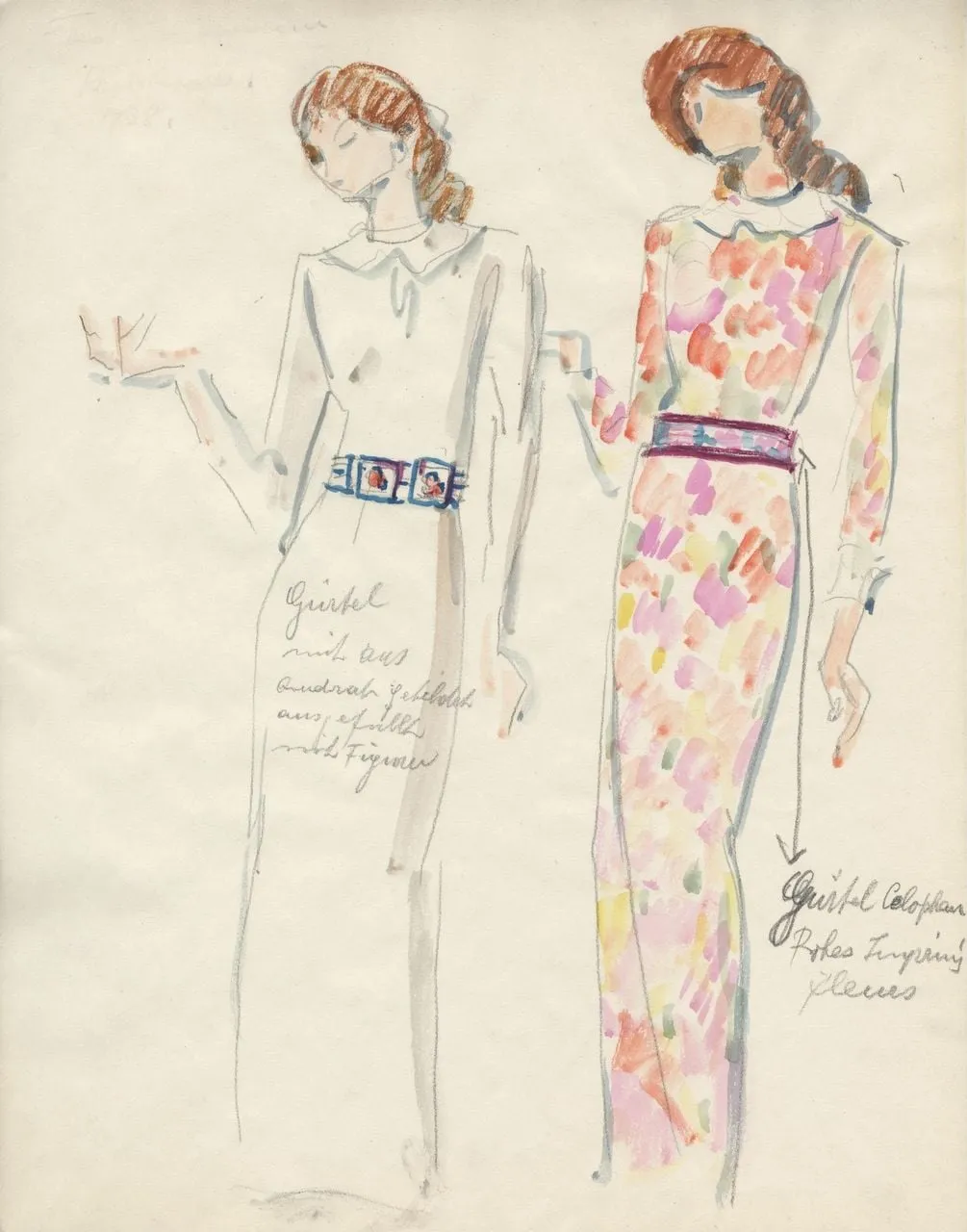
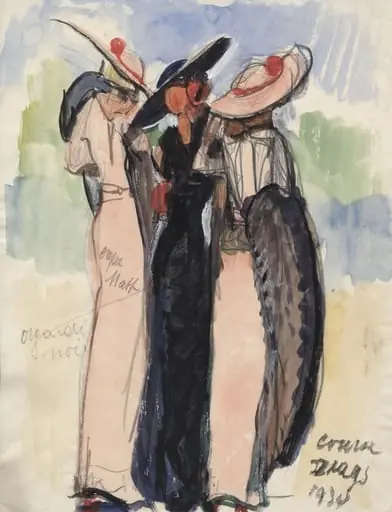
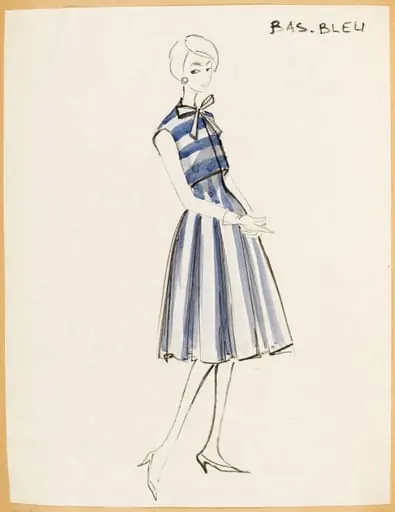
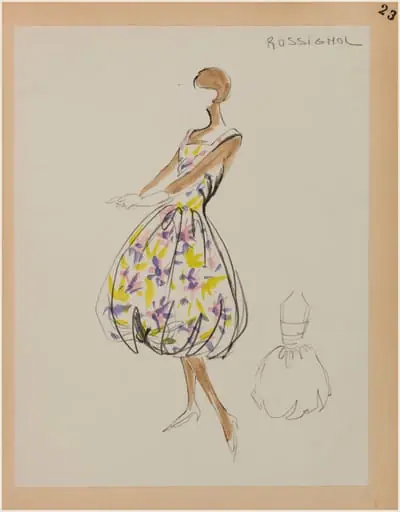
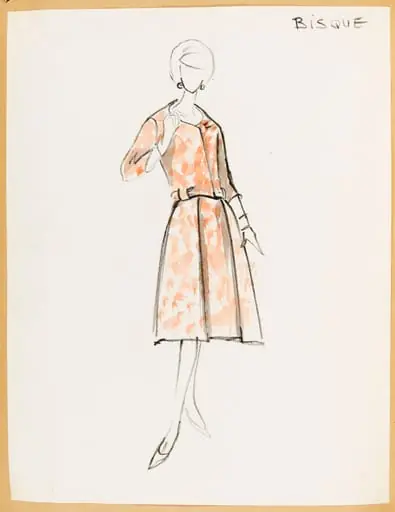
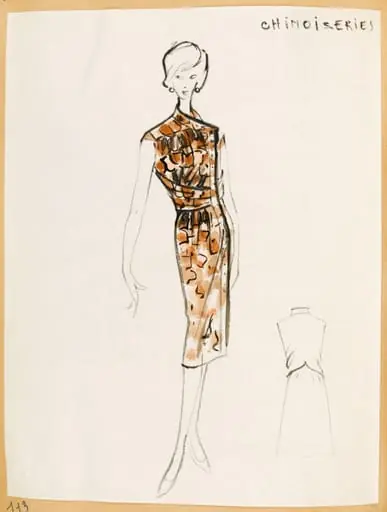
Modeskizze is an unspecified painting by Emil Himmelsbach. It dates from 1938 and is held in the collection of the Archaeology and Museum Baselland.
About this work
Overview
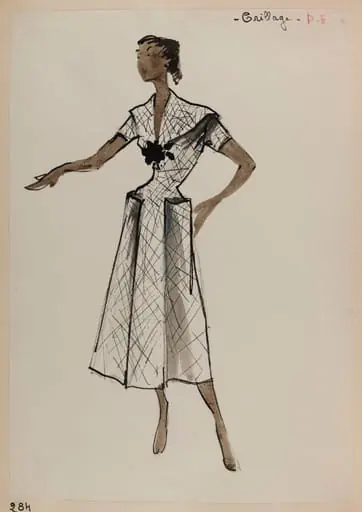
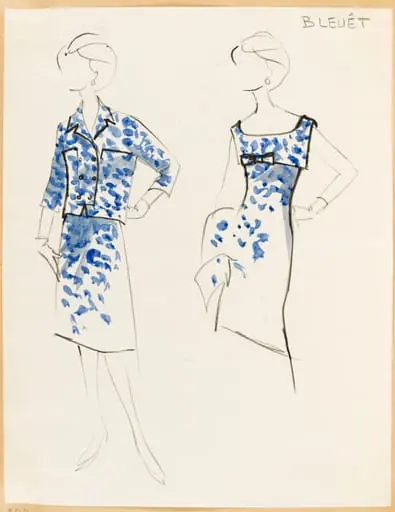
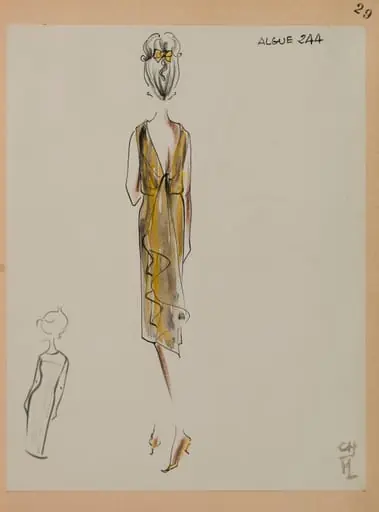
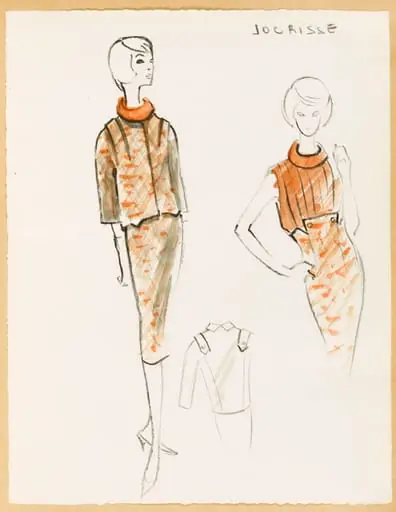
Modeskizze, created in 1938 by Emil Himmelsbach, is a pencil sketch documenting two women in traditional dress. Executed with rapid, fluid lines, the drawing captures a fleeting moment of observation rather than a polished study. It resides in the collection of the Museum of Ethnography, where it serves as a record of regional attire rather than a finished artwork.
Subject & Meaning
The sketch depicts two women standing side by side, their postures calm and upright. Their clothing—plain white with a decorated belt on the left, and a vivid floral pattern on the right—suggests a contrast in status, occasion, or regional variation. The German annotations 'Gürtel' and 'Blumen' indicate the artist’s focus on specific textile details, likely for ethnographic documentation.
Technique & Style
Himmelsbach employed loose, economical linework, suggesting the sketch was made quickly in the field. Shading is minimal, and contours are suggestive rather than defined, emphasizing form over detail. The absence of background or context directs attention solely to the figures and their garments, reinforcing its function as a visual note rather than a compositional piece.
History & Provenance
Created during Himmelsbach’s ethnographic fieldwork in the late 1930s, the sketch was likely part of a larger collection of costume studies.
Created during Himmelsbach’s ethnographic fieldwork in the late 1930s, the sketch was likely part of a larger collection of costume studies. It entered the Museum of Ethnography’s holdings shortly after its creation, preserved as a primary source for textile and dress research. Its survival reflects the institution’s interest in documenting everyday material culture during a period of rapid social change.
Context
In the late 1930s, ethnographers across Europe systematically recorded regional dress as traditional lifestyles were fading under modernization and political upheaval. Himmelsbach’s sketch aligns with this trend, capturing details like belt ornamentation and floral patterns that might otherwise have been lost. Such records were intended to preserve knowledge of local craftsmanship and social signaling through clothing.
Legacy
Modeskizze remains a quiet but valuable artifact in the study of early 20th-century European folk dress. Its unembellished style and annotated details offer researchers direct insight into how clothing was observed and categorized at the time. It stands as an example of how ethnographic sketches functioned as tools of documentation, not artistic expression.
Artist & collection
Artist
Emil Himmelsbach left a small group of quick, colorful sketches and fashion drawings from the early 1900s.