Artwork
Spring Dance Scene
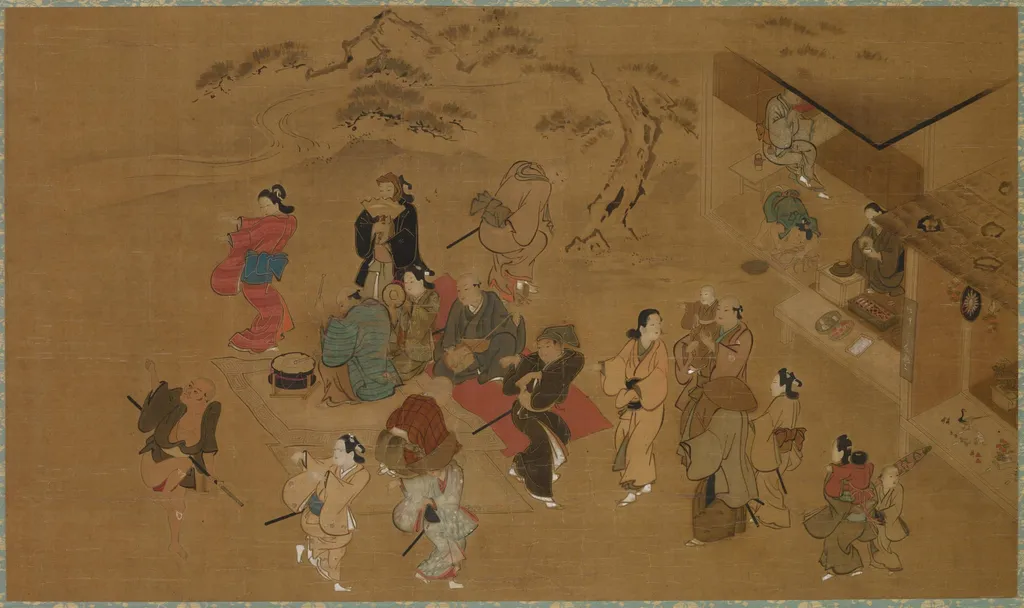
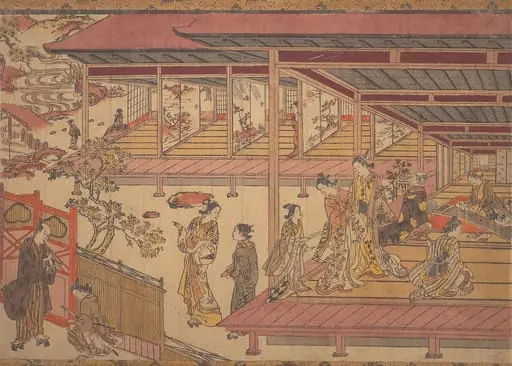
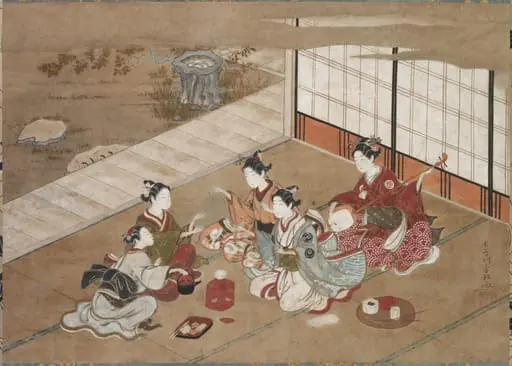
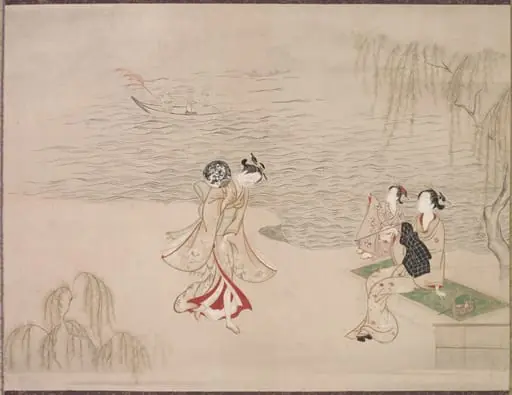
Spring Dance Scene is an unspecified painting by the Baroque artist Hishikawa Moronobu. It dates from 1604 and is held in the collection of the Cleveland Museum of Art.
About this work
Overview
Spring Dance Scene is a woodblock print by Hishikawa Moronobu, dated around 1670, not 1604. It belongs to the early ukiyo-e tradition and depicts a seasonal celebration in Edo-period Japan. The work is part of the collection at The Cleveland Museum of Art, where it is preserved as a significant example of early Japanese popular printmaking.
Subject & Meaning
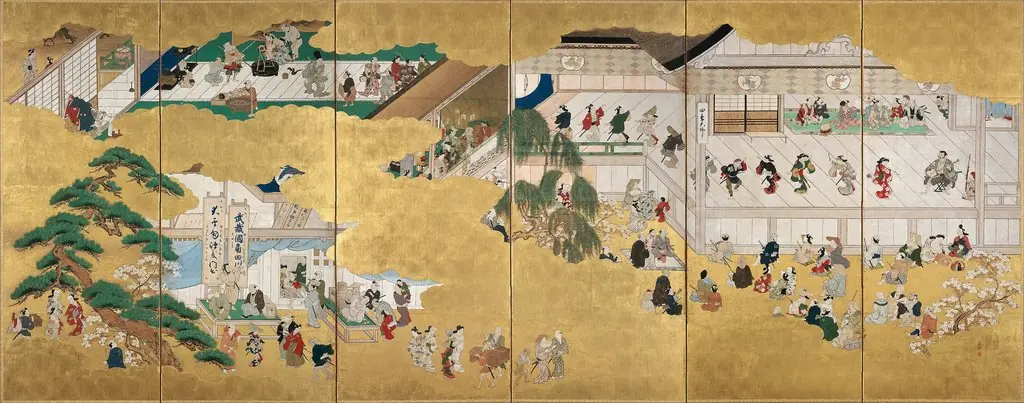
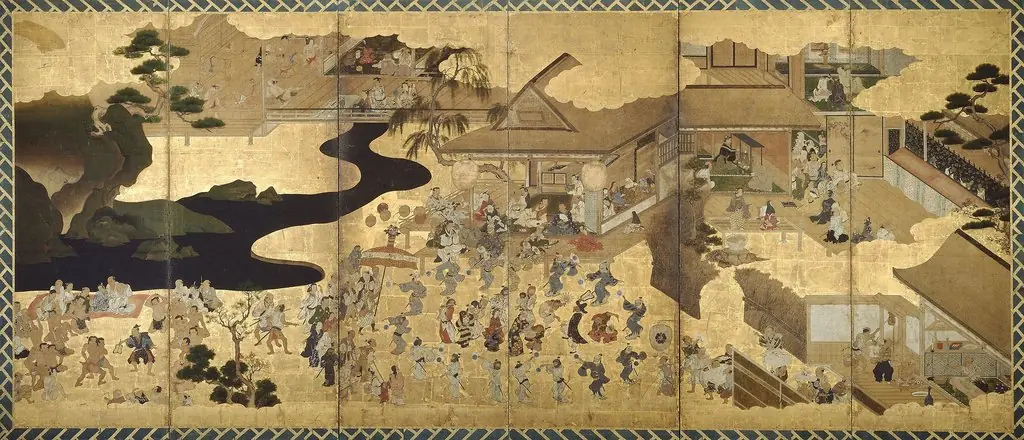
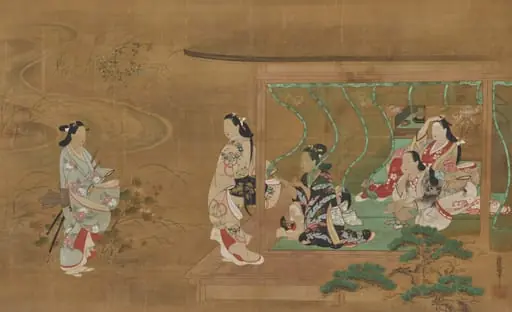
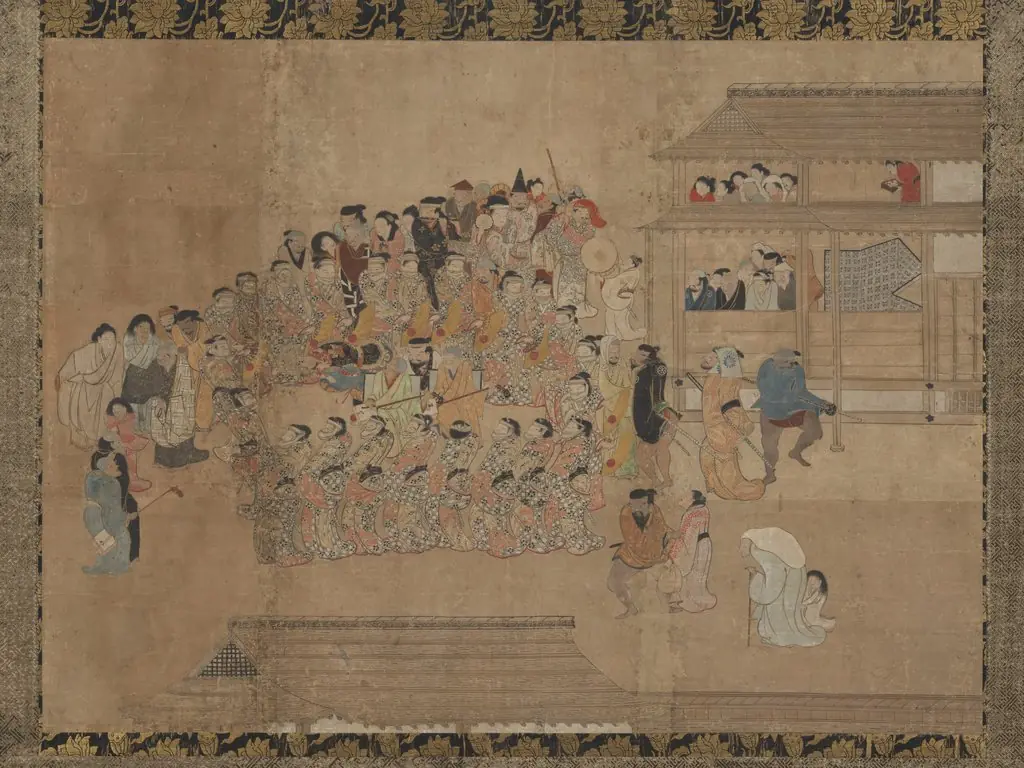
The scene portrays a group of women dancing outdoors during spring, likely during a festival or communal gathering. Their flowing garments and lively postures suggest a moment of seasonal renewal and social joy. The imagery reflects the ukiyo-e focus on everyday pleasures, capturing transient moments of urban life rather than religious or aristocratic themes.
Technique & Style
Moronobu employed hand-colored woodblock printing, using bold outlines and flat areas of pigment typical of early ukiyo-e. Figures are arranged in rhythmic, almost decorative patterns, with minimal background detail to emphasize movement and gesture. The composition lacks perspective, relying instead on stylized forms and expressive line work to convey energy and rhythm.
History & Provenance
Created during the formative years of ukiyo-e, the print circulated among Edo’s merchant class as affordable art. It entered The Cleveland Museum of Art’s collection in the 20th century, likely through early Western acquisitions of Japanese prints. Its survival in good condition reflects its cultural value and careful preservation over centuries.
Context
In late 17th-century Edo, public festivals and seasonal rituals were central to urban life. Moronobu’s work emerged alongside the rise of a literate, consumer-oriented populace who sought imagery tied to their daily experiences. This print aligns with a broader shift from elite art to depictions of common people and their pleasures.
Legacy
Moronobu is regarded as a foundational figure in ukiyo-e, and this print exemplifies his role in defining the genre’s visual language. Its emphasis on movement, ordinary subjects, and mass production influenced later artists like Utamaro and Hiroshige. The work remains a key reference for understanding the origins of Japanese popular print culture.
Artist & collection