Artwork
People Partying
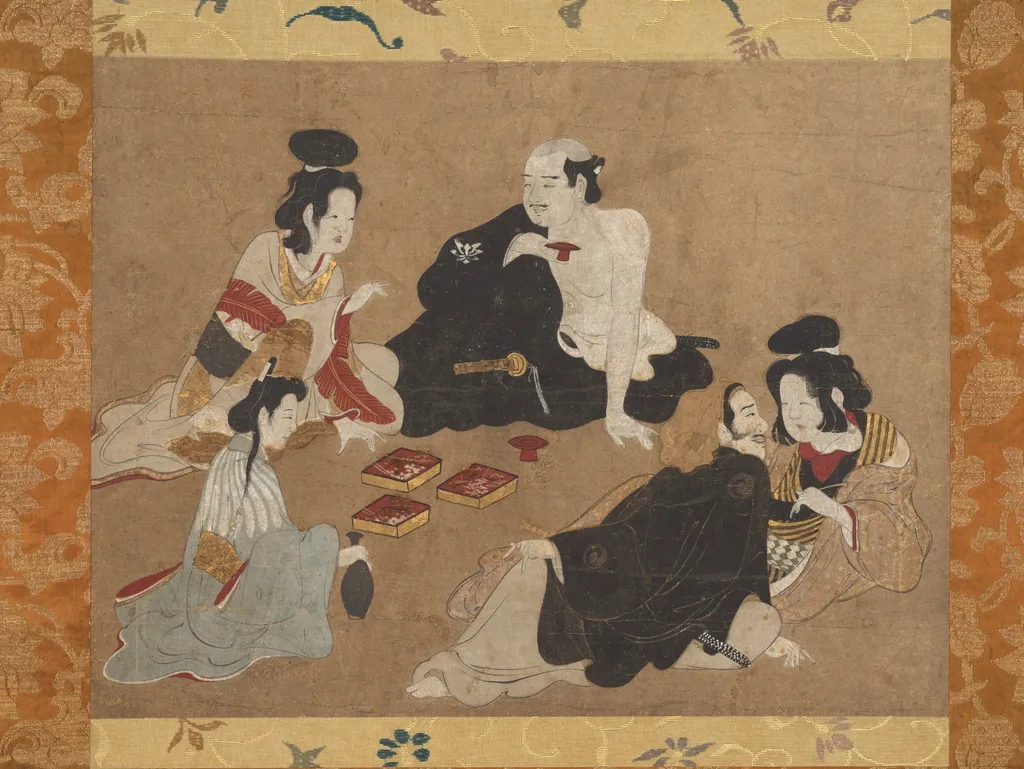
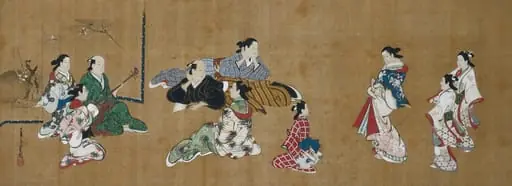
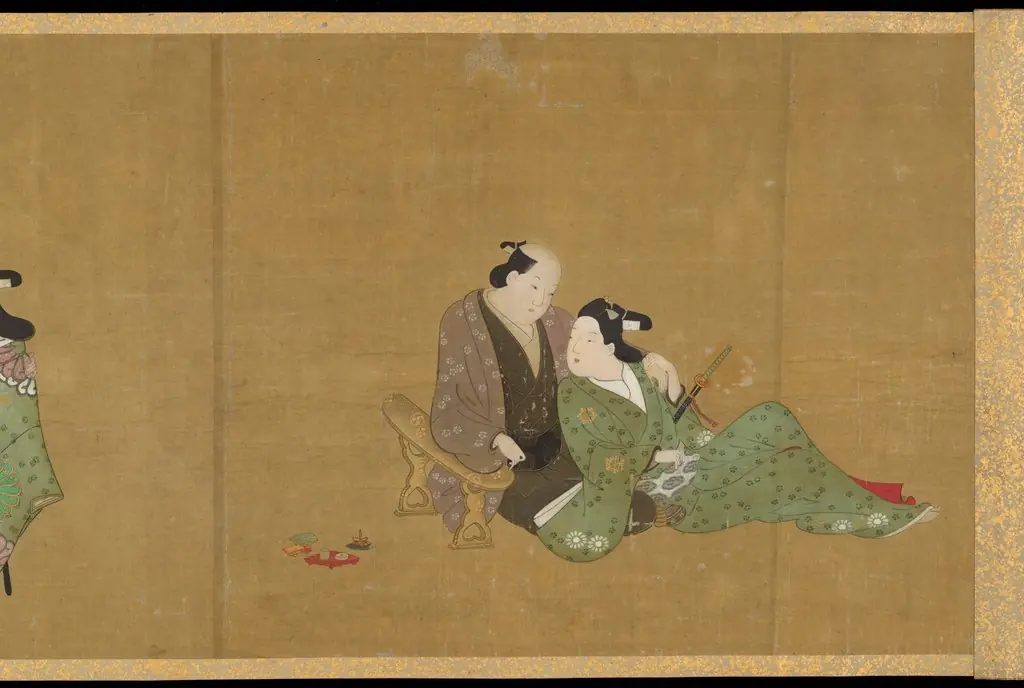
People Partying is an unspecified painting by the Flemish Baroque painting artist Unknown. It dates from 1625 and is held in the collection of the Metropolitan Museum of Art. The work depicts a gathering of figures in traditional Japanese attire, seated on tatami and engaged in various convivial activities.
About this work
The artist has used a range of colors to create a sense of warmth and energy in the scene.
This painting shows a group of people gathered together, possibly at a party. They are all dressed in traditional Japanese clothing and are seated on the floor. The atmosphere appears to be lively and festive. The people in the painting are all engaged in different activities. Some are playing games, while others are chatting and laughing. The artist has used a range of colors to create a sense of warmth and energy in the scene. The painting is a great example of Japanese art from the 17th century.
Overview
The work depicts a gathering of figures in traditional Japanese attire, seated on tatami and engaged in various convivial activities. The scene conveys a festive atmosphere through the interaction of the participants, who are shown playing games, conversing, and laughing together.
Subject & Meaning
The composition centers on a social celebration, emphasizing communal enjoyment and the rituals of leisure in a Japanese setting. By portraying multiple forms of amusement, the painting reflects the cultural value placed on collective merriment and the pleasures of everyday life.
Technique & Style
Executed with a palette of warm hues, the artist employs color to evoke energy and intimacy. The brushwork delineates clothing and gestures with a clarity characteristic of 17th‑century Japanese painting, while the floor perspective creates a sense of immediacy for the viewer.
History & Provenance
Created in the 1600s, the piece belongs to the broader corpus of Japanese art from that century. Its survival and identification as a representative example of the period suggest it was likely preserved within a collection that valued traditional genre scenes.
Artist & collection

 Domestic Scene
 Giacomo and Cardinal Marco, investing Andrea, Abbot of San Zeno, with his Benefice
 The Nymph of Fontainebleau
 Portrait of a Woman
 Madonna and Child with Saints in the Enclosed Garden
 Venus and Minerva
 Family Group of Four on Sofa
 Wall painting from Room H of the Villa of P. Fannius Synistor at Boscoreale
 Playing the "Hand Game"
 Spring Dance Scene
 Five Beauties
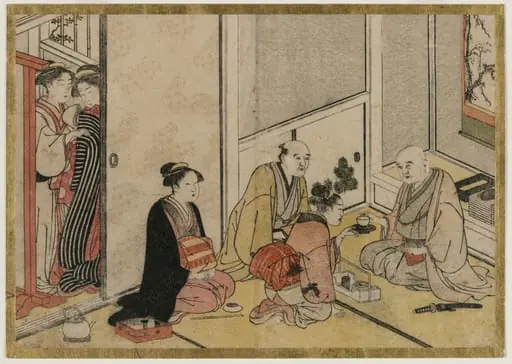 Interior Scene
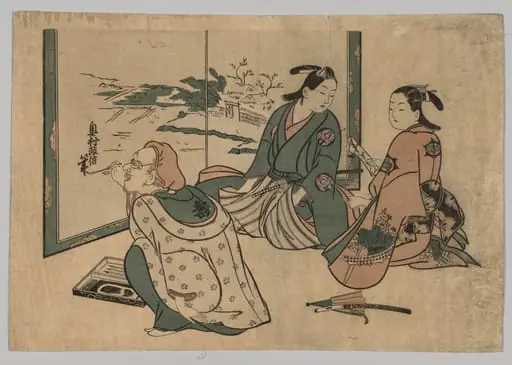 No Title
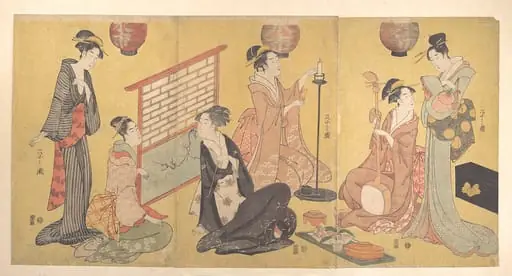 Untitled
 Entertainment Scene
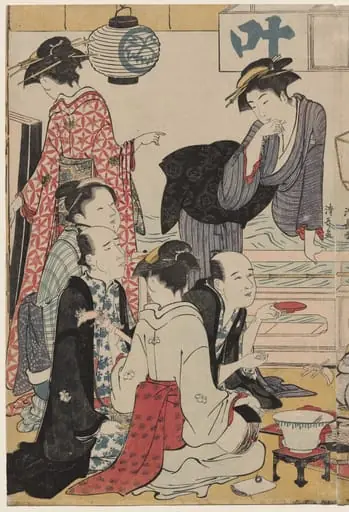 Entertainment on a Balcony by the Water at Nakasu, from the series, A Collection of Beautiful Modern Women of the Pleasure Quarters
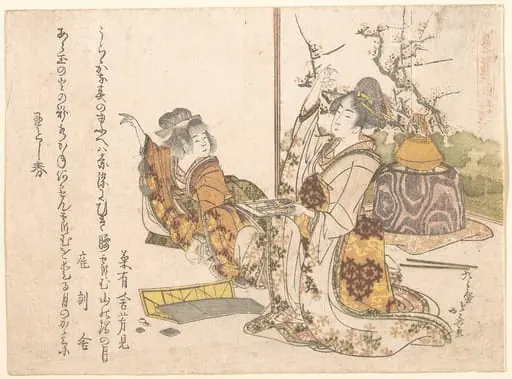 Untitled
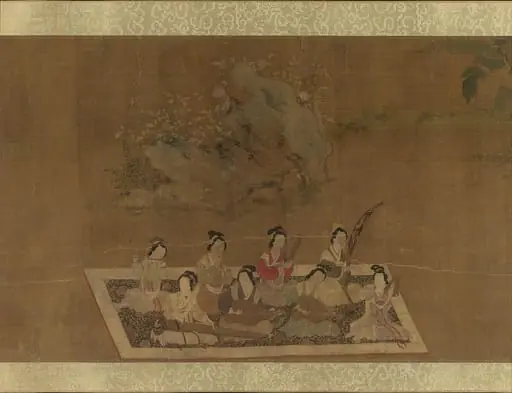 明 佚名 蘇蕙璇璣圖 卷|Lady Su Hui and Her Verse Puzzle
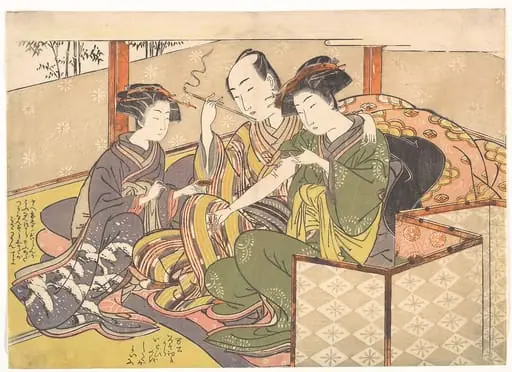 Untitled
 Handscroll of Ten Homoerotic (Nanshoku) Scenes