Artwork
Plate 22: A Cinnabar Moth and a Cockchafer with Butterflies, other Insects, and a Snapdragon
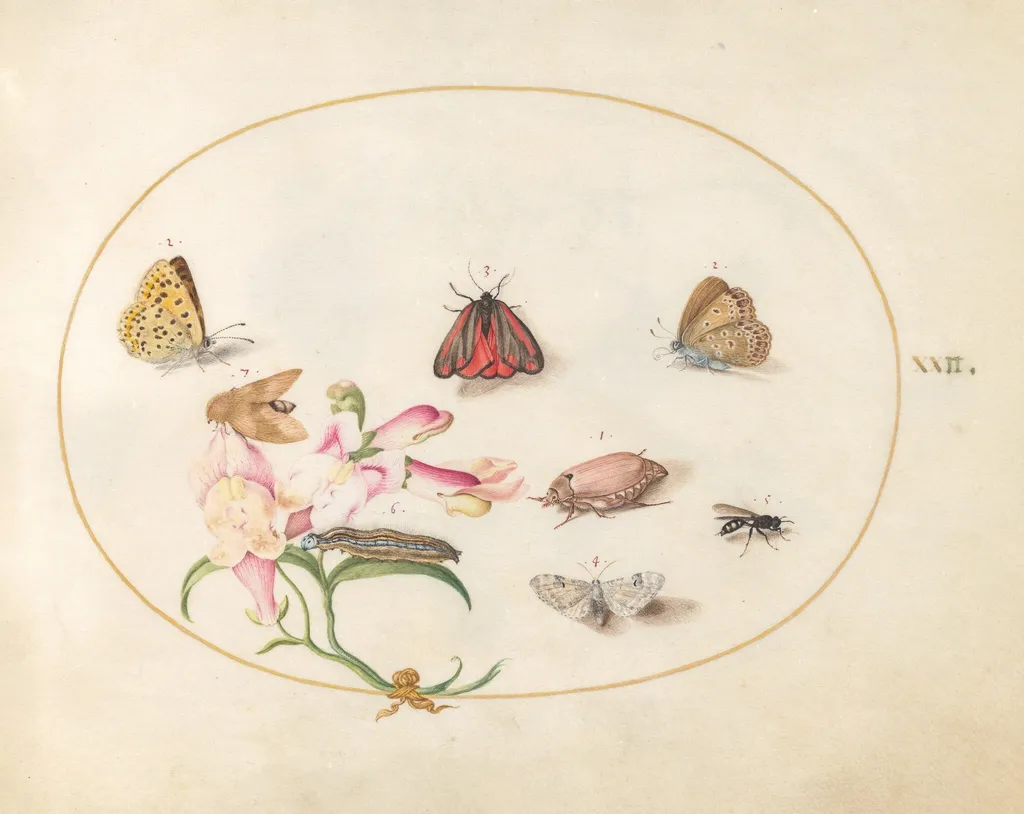
Plate 22: A Cinnabar Moth and a Cockchafer with Butterflies, other Insects, and a Snapdragon is a gouache drawing by the Renaissance artist Joris Hoefnagel. It dates from 1594 and is held in the collection of the National Gallery of Art. Created circa 1594, this small-scale work combines watercolor and gold on parchment.
About this work
Overview
Created circa 1594, this small-scale work combines watercolor and gold on parchment. It presents a delicate arrangement of a pink snapdragon surrounded by six insects—a cinnabar moth, two butterflies, a beetle, a caterpillar and a tiny fly—each marked with a numeral. The gold‑lined border frames the natural study, emphasizing the artist’s meticulous observation of flora and fauna.
Subject & Meaning
The composition functions as a scientific illustration, cataloguing the forms and colors of selected insects alongside a flowering plant. By pairing the vivid cinnabar moth with the snapdragon’s blossoms, the artist highlights contrasts of hue and texture, inviting viewers to consider the diversity of the natural world within a single, ordered tableau.
Technique & Style
Watercolor washes are layered to achieve subtle gradations, while touches of gold outline the circular frame and accentuate details. The artist employs fine line work to render insect anatomy and petal structure, reflecting the Flemish tradition of precise draftsmanship that bridges manuscript illumination and emerging natural‑history illustration.
History & Provenance
Attributed to Joris Hoefnagel, a noted Flemish draftsman who straddled the realms of illumination and early topographical drawing, the piece belongs to the final generation of manuscript illuminators in northern Europe. Hoefnagel’s reputation for detailed natural studies informs the work’s placement within his broader oeuvre of botanical and zoological renderings.
Context
Produced during a period when interest in cataloguing nature was growing, the drawing aligns with contemporary scientific curiosity and the decorative tastes of aristocratic patrons. Its format—watercolor on parchment with gilded borders—echoes the luxurious manuscript tradition even as printed natural histories were beginning to emerge.
Legacy
The piece exemplifies the transition from illuminated manuscripts to modern scientific illustration, influencing later artists who pursued accurate, aesthetically refined depictions of plants and insects. Hoefnagel’s integration of artistic elegance with empirical observation contributed to the development of floral still‑life and topographical drawing in early modern Europe.
Artist & collection

Artist
Joris Hoefnagel or Georg Hoefnagel (1542 – 24 July 1601) was a Flemish painter, printmaker, miniaturist, draftsman and merchant.

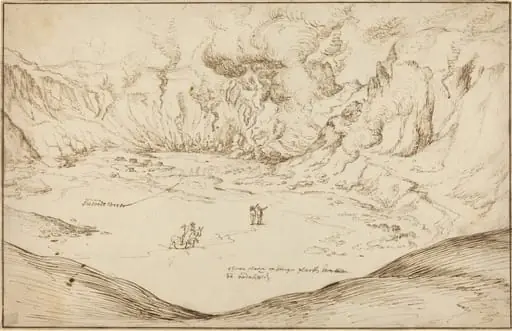 Forum Vulcani: The Hot Springs at Pozzuoli
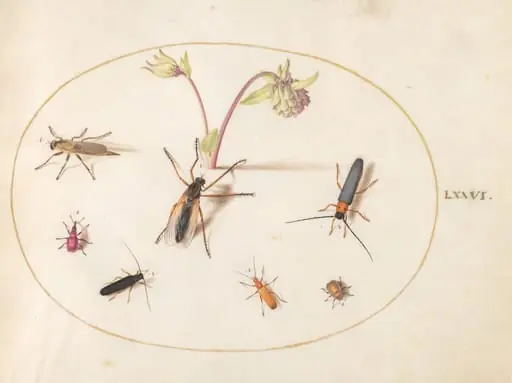 Plate 76: Insects with a Pink and Cream Columbine
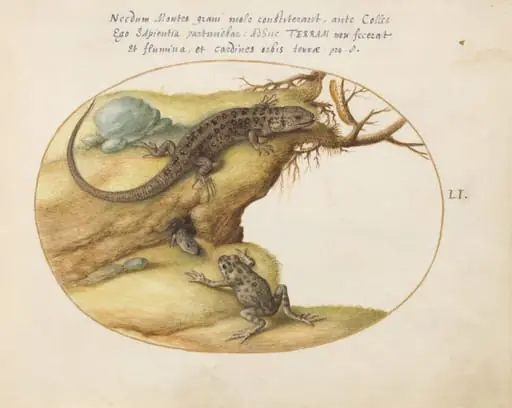 Plate 51: Two Sand Lizards, a Common Parsley Frog(?), and a Caterpillar
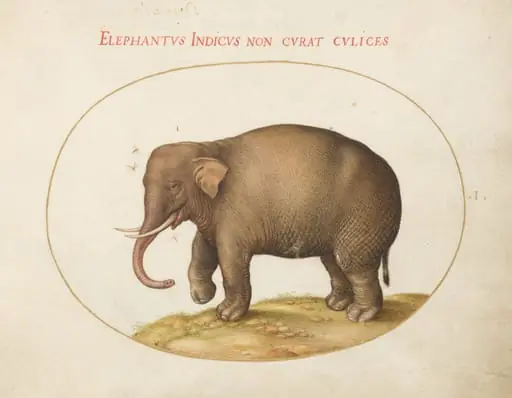 Plate 1: Elephant with Insects
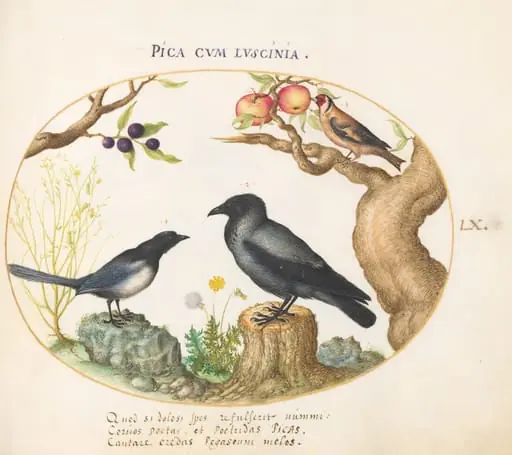 Plate 60: Magpie, Crow, and Goldfinch
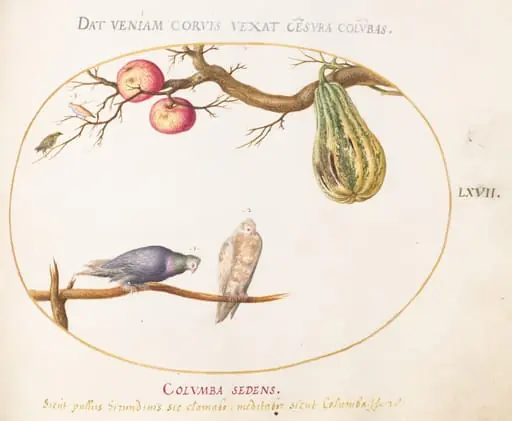 Plate 67: Two Doves beneath a Gourd and Apples
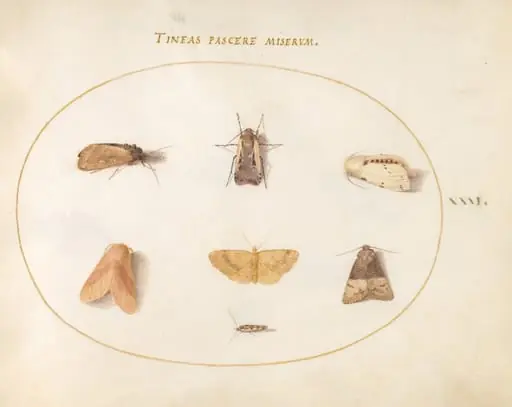 Plate 31: Seven Moths
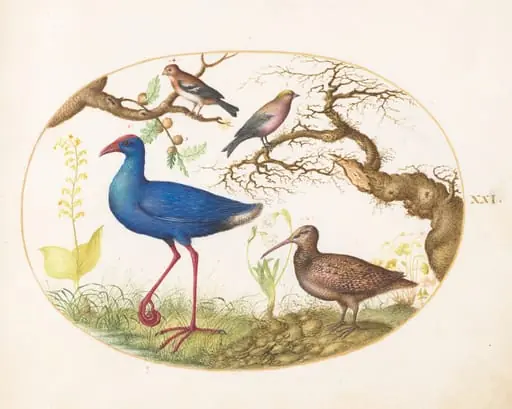 Plate 21: Swamp Hen and Woodcock with a Streaked Rosefinch, a Finch, and Oak Galls
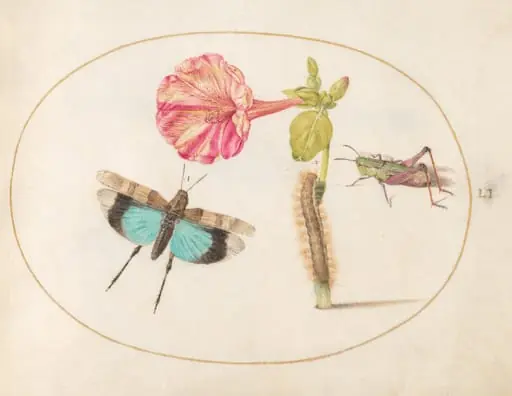 Plate 51: Grasshoppers and a Caterpillar with a Four O'Clock Flower
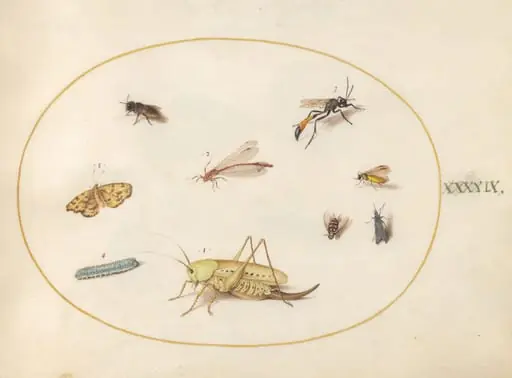 Plate 49: A Grasshopper, a Caterpillar, a Butterfly, a Moth, and Other Insects
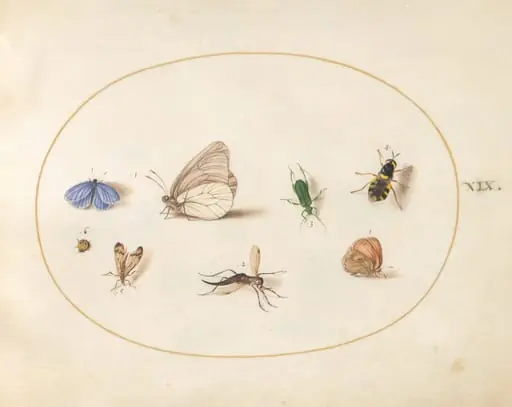 Plate 19: Two Butterflies with Five Other Insects
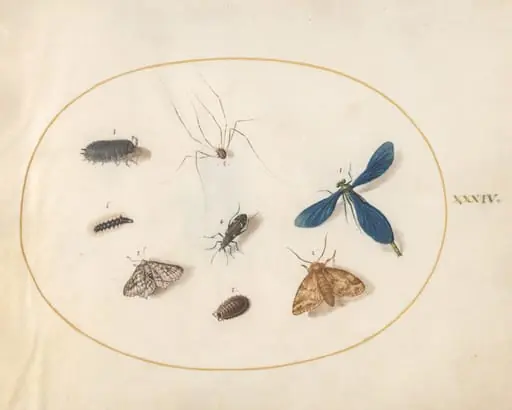 Plate 34: Two Moths with a Spider, a Caterpillar, a Damselfly, and Other Insects
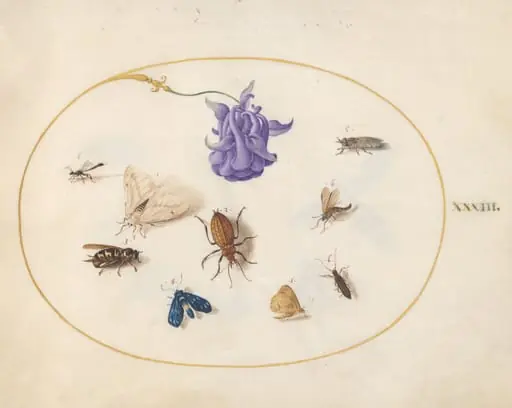 Plate 33: Moth and Butterfly with other Insects and a Columbine Flower
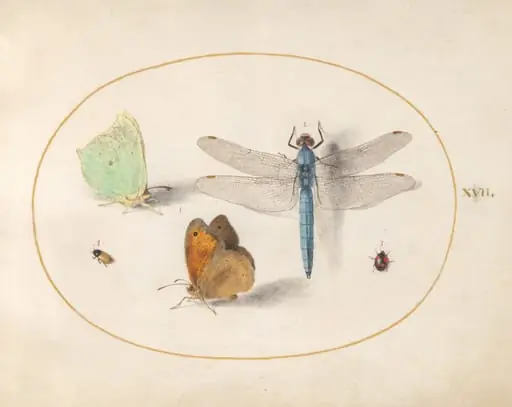 Plate 17: Brimstone and Meadow Brown(?) Butterflies, a Blue Chaser, and Two Small Insects
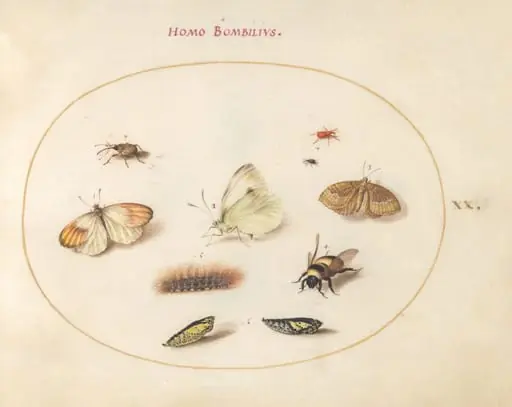 Plate 20: Three Butterflies, a Caterpillar, a Bee, Two Chrysalides, and Three Weevils
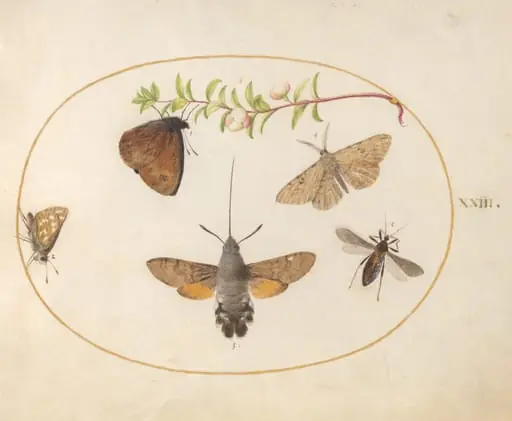 Plate 23: Hummingbird Hawk Moth, Butterflies, and Other Insects around a Snowberry Sprig
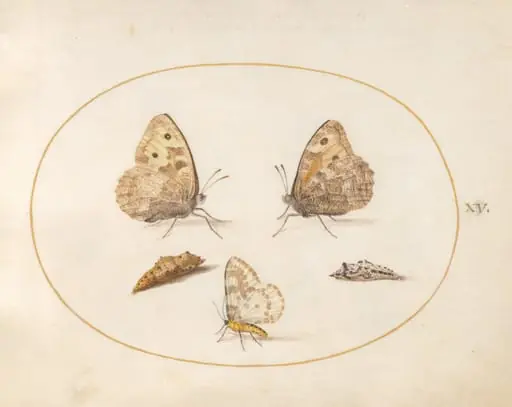 Plate 15: Grayling Butterfly, Magpie Moth, and Two Chrysalides
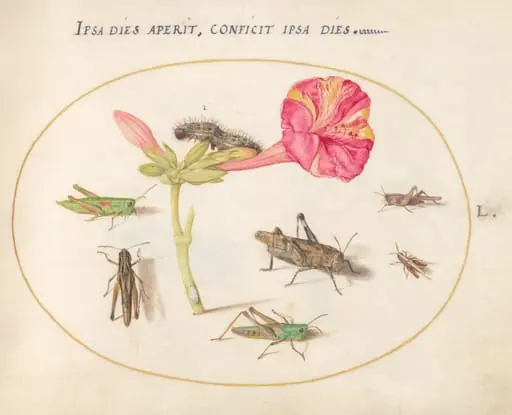 Plate 50: Grasshoppers, a Caterpillar, and a Scale Insect with a Four O'Clock Flower
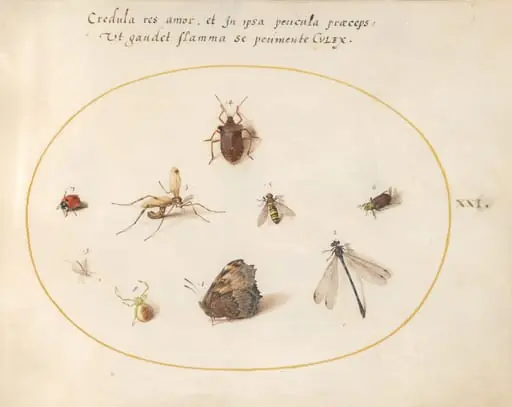 Plate 21: A Butterfly with a Dragonfly, a Ladybug, and Five other Insects