Artwork
Plate 3: Two Hawks
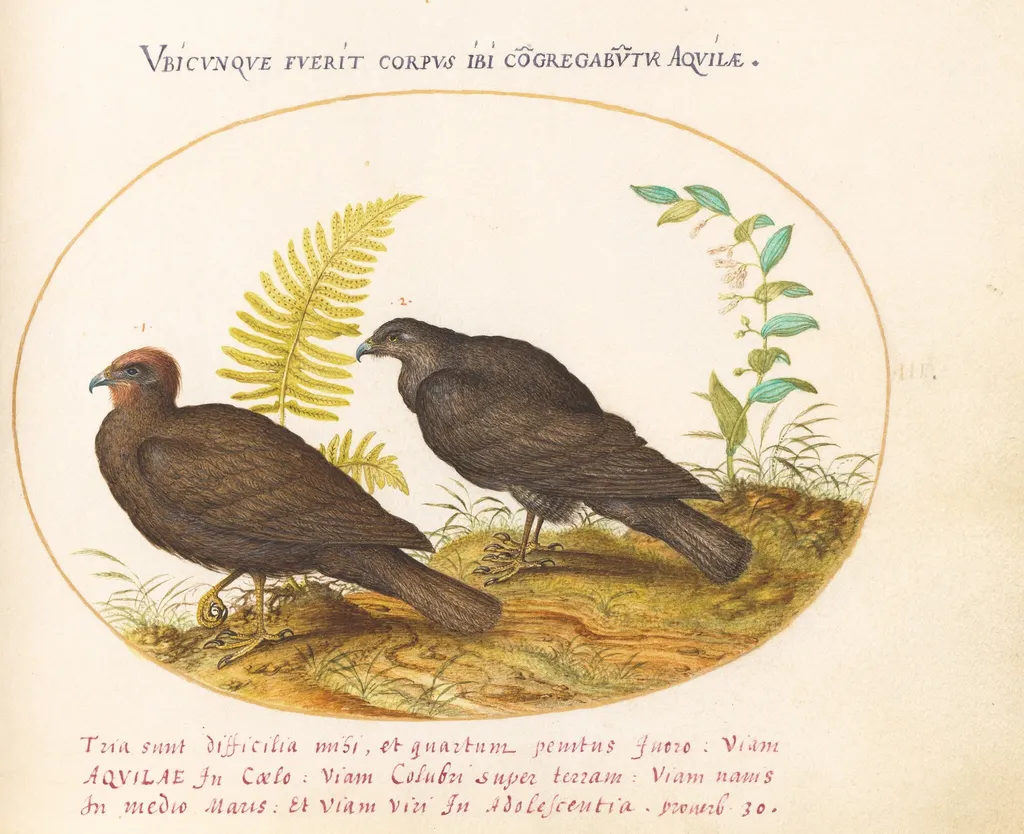
Plate 3: Two Hawks is a gouache drawing by the Renaissance artist Joris Hoefnagel. It dates from 1594 and is held in the collection of the National Gallery of Art.
About this work
Overview
Plate 3: Two Hawks is a watercolor and gold paint drawing on parchment created by Flemish artist Joris Hoefnagel around 1594. Characterized by meticulous detail, it exemplifies his contribution to natural history illustration and the emerging floral still-life tradition in late 16th-century northern Europe.
Subject & Meaning
The drawing depicts two hawks in a nest, surrounded by foliage. One hawk faces left with brown and black plumage, while the other, with a darker, glossy coat, faces right. The composition reflects Hoefnagel's scientific approach to natural subjects, emphasizing precision and observation.
Technique & Style
Hoefnagel employed watercolor and gold paint on parchment, techniques reminiscent of manuscript illumination. The soft gold background, intricate details, and Latin text framing the image highlight the work's formal, precise quality, indicating it was crafted for durability and aesthetic appeal.
History & Provenance
As one of the last manuscript illuminators, Hoefnagel's work bridges traditional illumination and the rising trends in natural history art. Created in 1594, Plate 3: Two Hawks is part of his later output, showcasing his enduring influence on northern European artistic developments.
Context
The use of Latin text and the emphasis on scientific detail place the work within the realm of Renaissance natural history and scholarly illustration. Its style and medium also reflect the transitional period from medieval manuscript art to early modern naturalistic painting.
Artist & collection

Artist
Joris Hoefnagel or Georg Hoefnagel (1542 – 24 July 1601) was a Flemish painter, printmaker, miniaturist, draftsman and merchant.

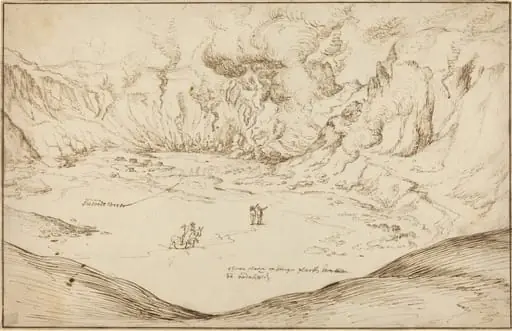 Forum Vulcani: The Hot Springs at Pozzuoli
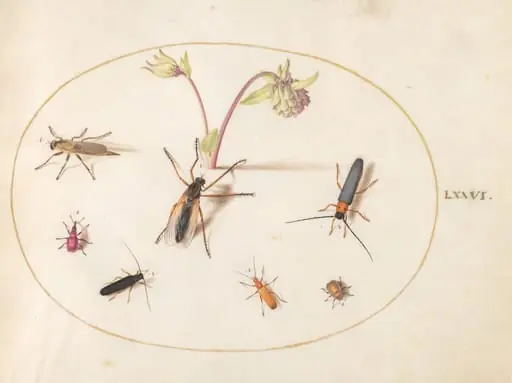 Plate 76: Insects with a Pink and Cream Columbine
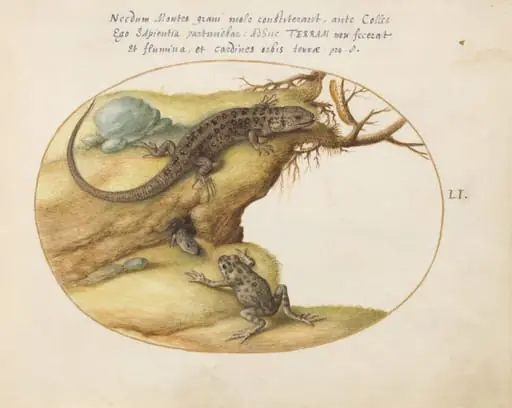 Plate 51: Two Sand Lizards, a Common Parsley Frog(?), and a Caterpillar
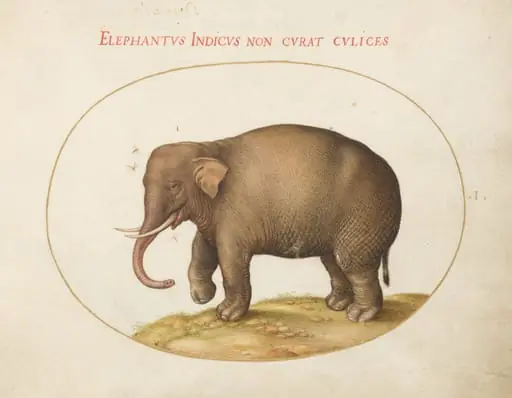 Plate 1: Elephant with Insects
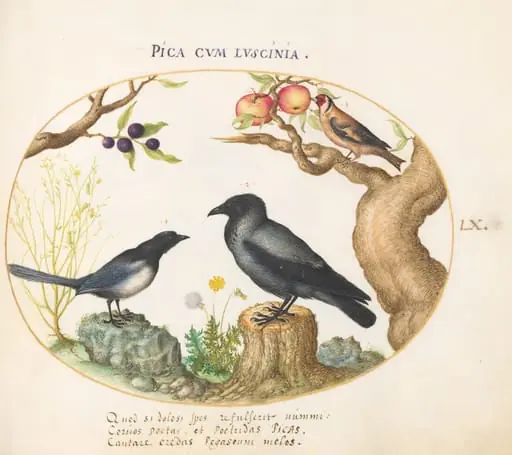 Plate 60: Magpie, Crow, and Goldfinch
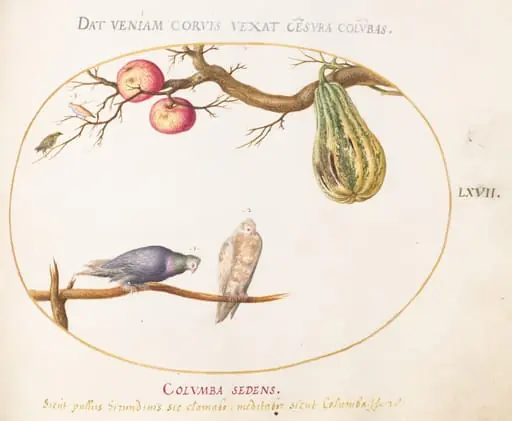 Plate 67: Two Doves beneath a Gourd and Apples
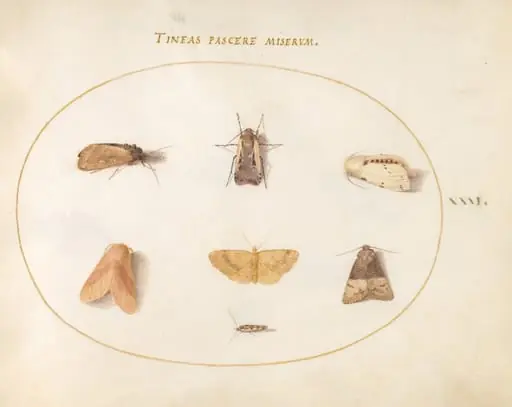 Plate 31: Seven Moths
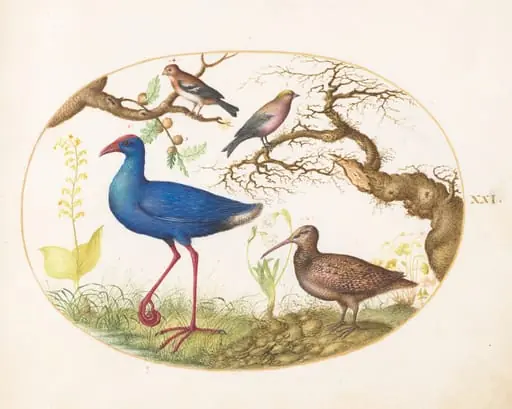 Plate 21: Swamp Hen and Woodcock with a Streaked Rosefinch, a Finch, and Oak Galls
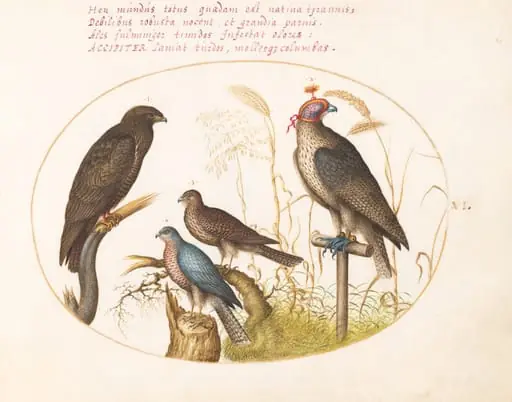 Plate 6: Four Birds of Prey, Including a Sparrowhawk(?)
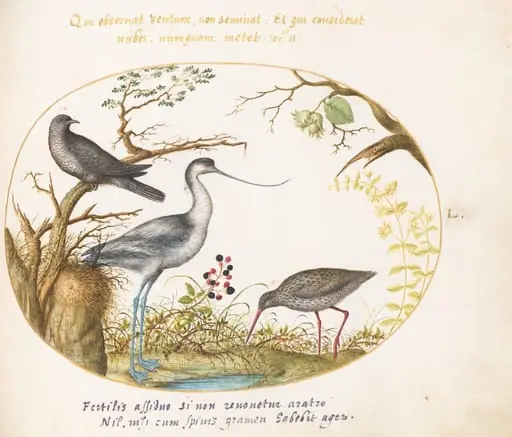 Plate 50: An Avocet with Two Other Birds
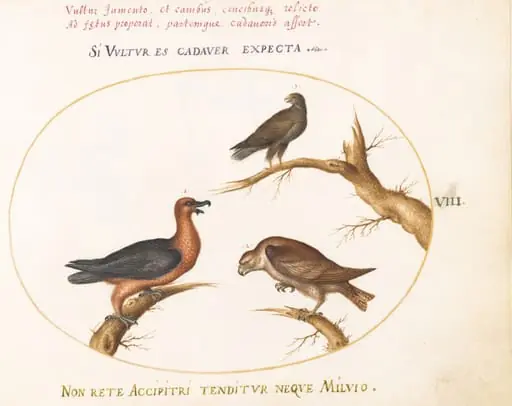 Plate 8: Bearded Vulture with Two Birds of Prey
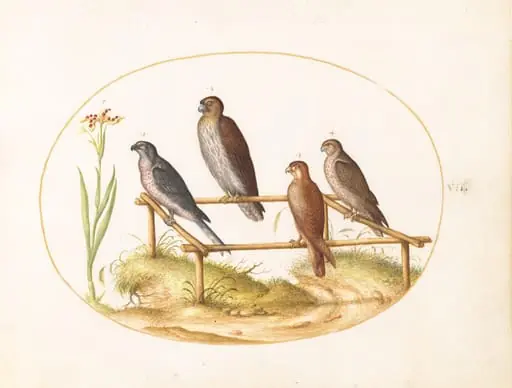 Plate 7: Four Birds of Prey on a Wooden Frame
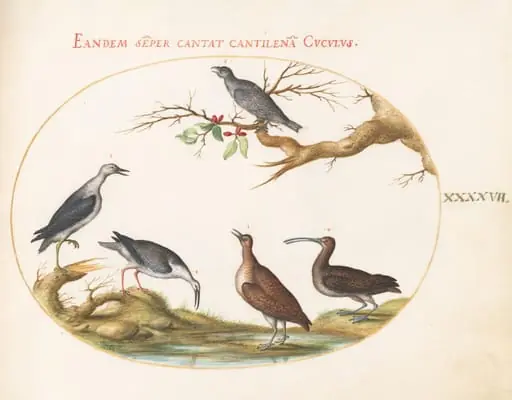 Plate 47: Shore Birds with a Perching Bird
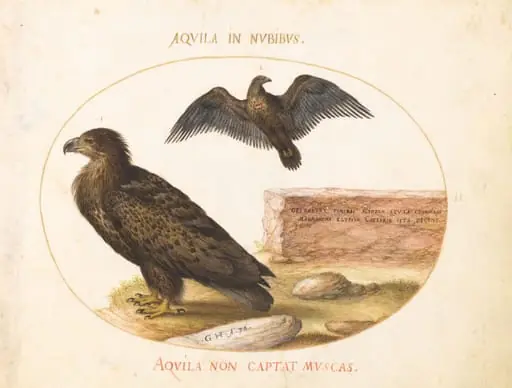 Plate 2: Two Eagles
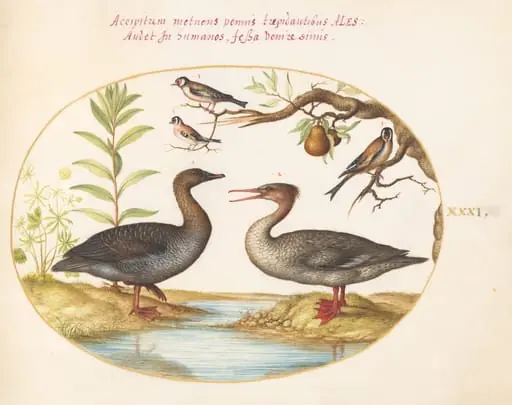 Plate 31: Duck, Merganser, and Three Goldfinches
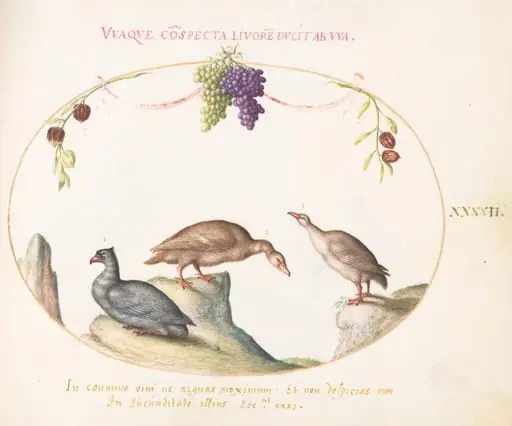 Plate 42: Two Gray Geese with a Third Bird and Hanging Grapes