Artwork
Plate 57: Scarlet Macaw with Two Smaller Green Parrots
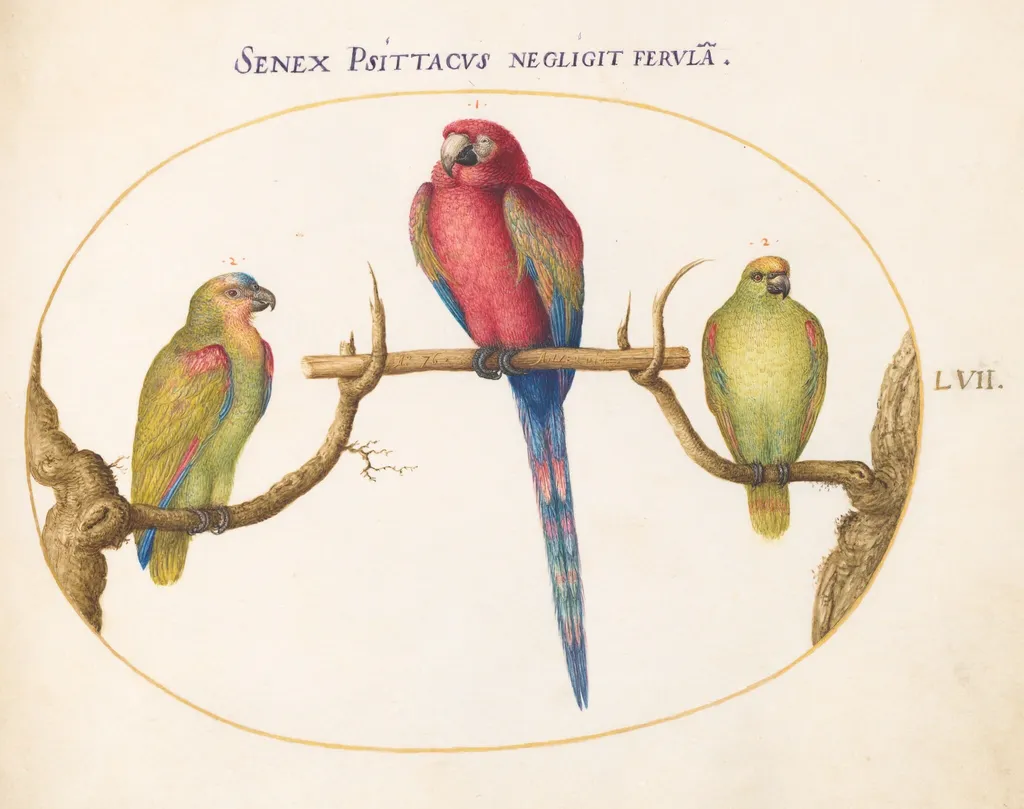
Plate 57: Scarlet Macaw with Two Smaller Green Parrots is a gouache drawing by the Renaissance artist Joris Hoefnagel. It dates from 1576 and is held in the collection of the National Gallery of Art.
About this work
This painting shows a bright red macaw perched on a branch with two small green parrots beside it.
This painting shows a bright red macaw perched on a branch with two small green parrots beside it. The colors pop against a plain white background. Every feather looks real, even the soft shadows under the macaw’s wings.
Joris Hoefnagel made this in 1576, over 450 years ago. He worked in watercolor, layering colors to make them glow. Artists still study how he mixed gold paint for the macaw’s details.
Check out another Hoefnagel, Joris at the National Gallery of Art, Washington.
Overview
Executed in 1576, this sheet forms part of Joris Hoefnagel’s meticulous natural-history studies. Watercolor and gold pigment applied to prepared parchment record a scarlet macaw accompanied by two smaller green parrots. The absence of extraneous setting concentrates attention on plumage, beak, and claw, revealing the artist’s commitment to observational fidelity.
Subject & Meaning
The composition isolates three tropical birds against an unadorned ground, emphasizing chromatic contrast and anatomical precision. While the scarlet macaw dominates, the flanking green parrots introduce scale and variety. Such imagery served both scientific documentation and decorative display, reflecting Renaissance curiosity about exotic fauna.
Technique & Style
Hoefnagel layered translucent watercolor washes to model feathers, reserving gold paint for highlights along wing edges and beak. Shadows beneath the wings are softly diffused, avoiding hard outlines. This approach anticipates later still-life conventions in Northern Europe by merging scientific illustration with refined pictorial effects.
History & Provenance
Created in the late sixteenth century, the sheet originates from Hoefnagel’s broader project of natural-history illumination. It remained within manuscript collections until dispersed in the modern era. Subsequent ownership and exhibition histories remain fragmentary, though the work is now recognized as a key example of early modern ornithological art.
Context
During the 1570s, European courts and scholars amassed cabinets of curiosities, blending art and science. Hoefnagel’s images responded to this demand, offering visual records of species newly imported from the Americas. His parchment studies bridged medieval illumination and emerging genres of still life and natural-history illustration.
Artist & collection

Artist
Joris Hoefnagel or Georg Hoefnagel (1542 – 24 July 1601) was a Flemish painter, printmaker, miniaturist, draftsman and merchant.

 Forum Vulcani: The Hot Springs at Pozzuoli
 Plate 76: Insects with a Pink and Cream Columbine
 Plate 51: Two Sand Lizards, a Common Parsley Frog(?), and a Caterpillar
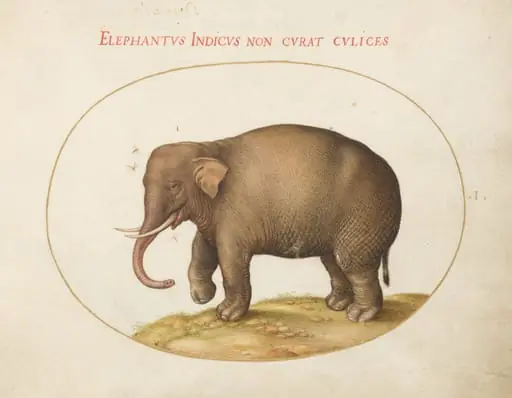 Plate 1: Elephant with Insects
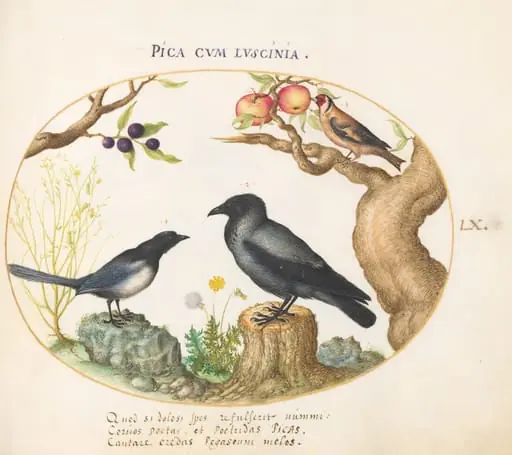 Plate 60: Magpie, Crow, and Goldfinch
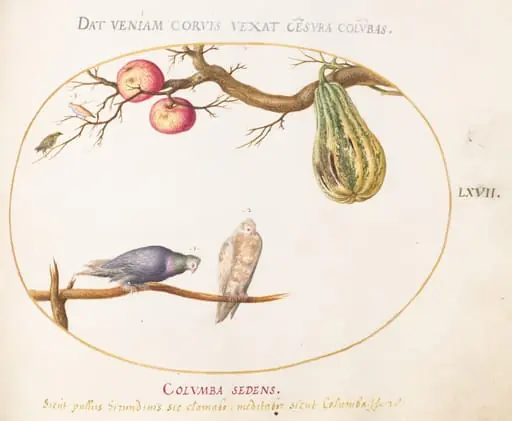 Plate 67: Two Doves beneath a Gourd and Apples
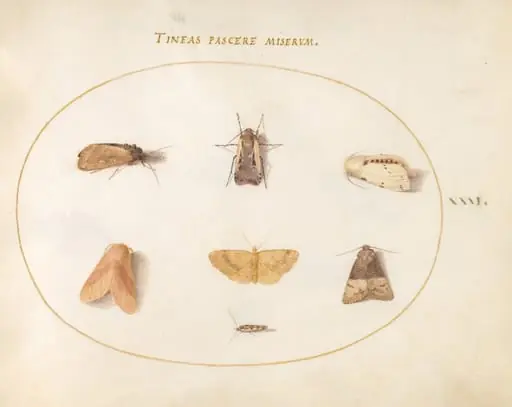 Plate 31: Seven Moths
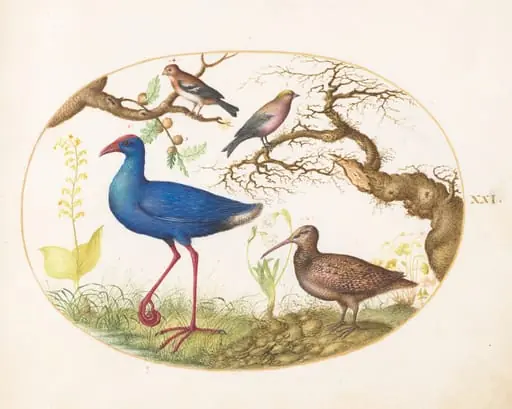 Plate 21: Swamp Hen and Woodcock with a Streaked Rosefinch, a Finch, and Oak Galls
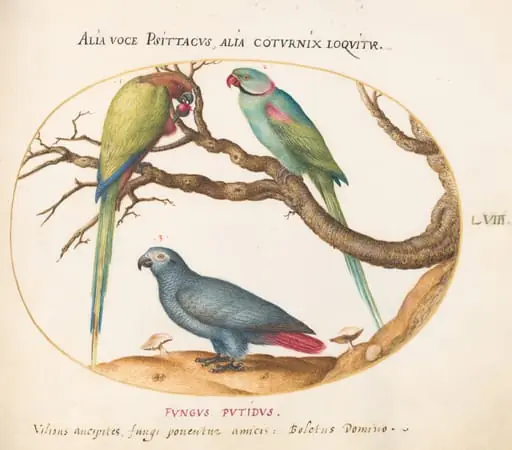 Plate 58: African Gray Parrot, Indian Ring-Necked Parrot, and a Third Parrot
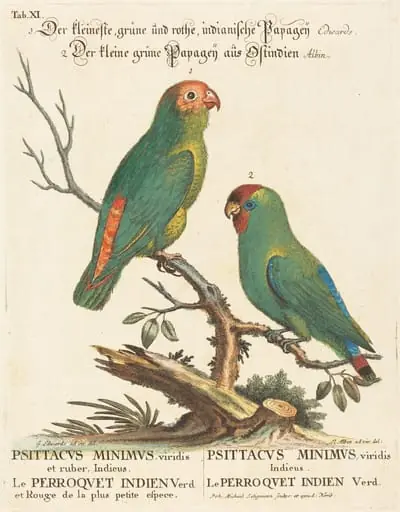 Parrot (Le Perroquet Indien. Psittacus Minimus)
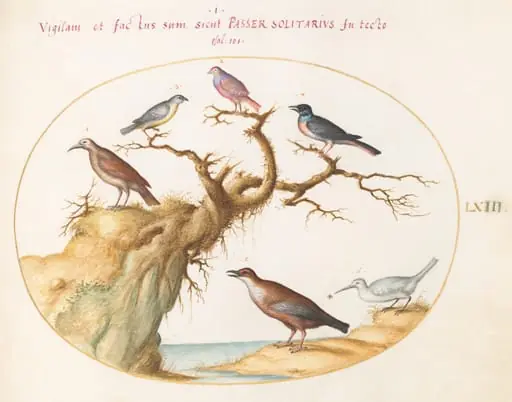 Plate 63: Six Small Birds, Including a Bluethroat and a Cuckoo(?)
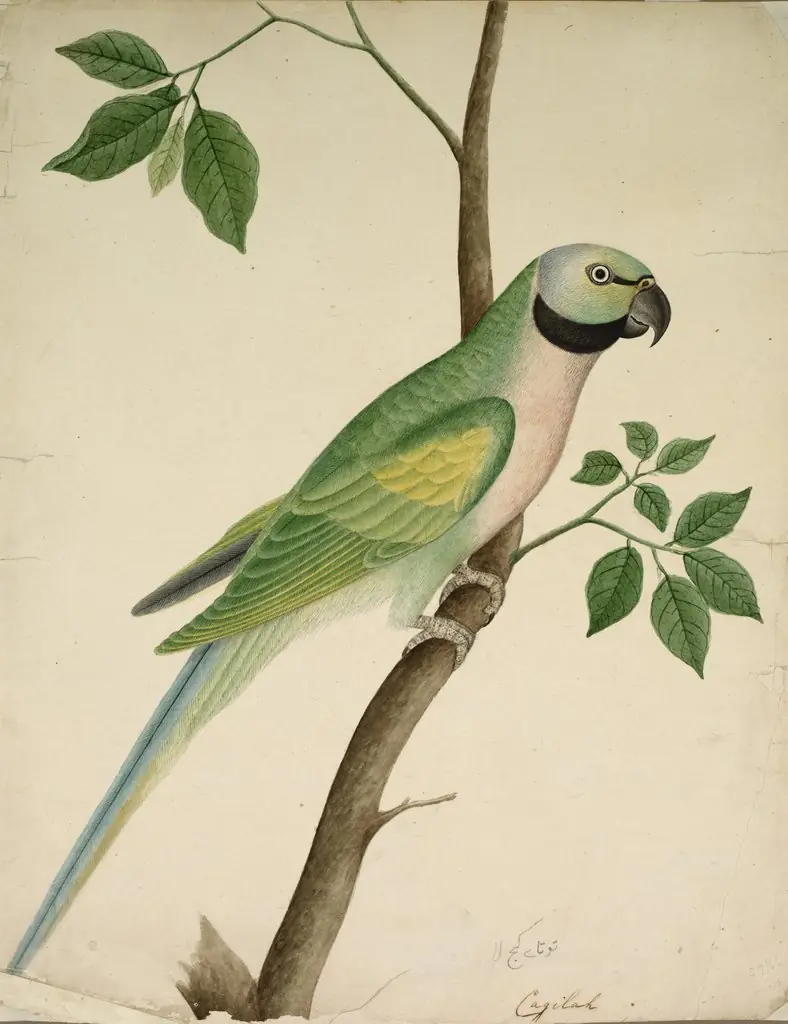 Green Parrot
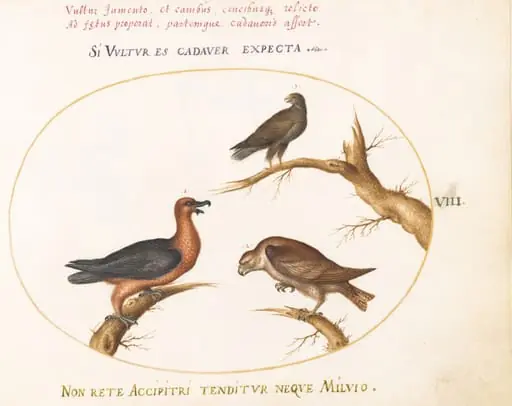 Plate 8: Bearded Vulture with Two Birds of Prey
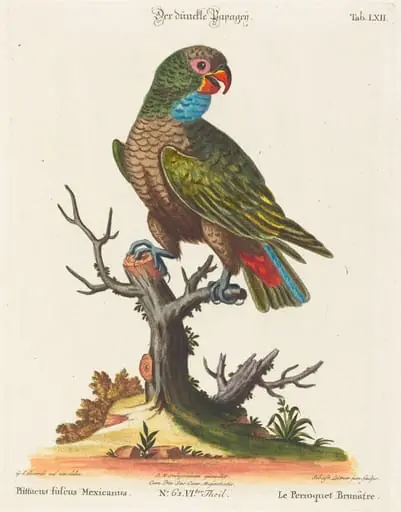 Parrot (Le Perroquet Brunatre. Pfittacus Fulcus Mexicanus)
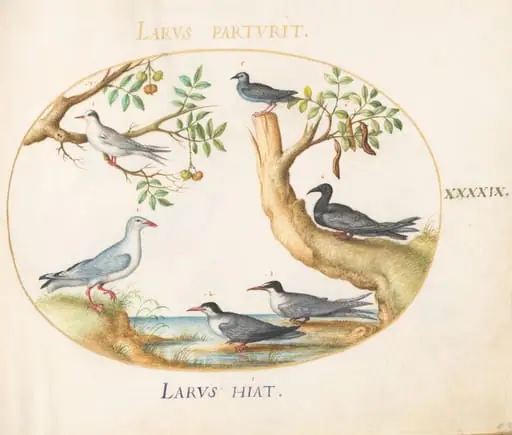 Plate 49: Gulls with a Carob Tree and a Pistachio Tree(?)
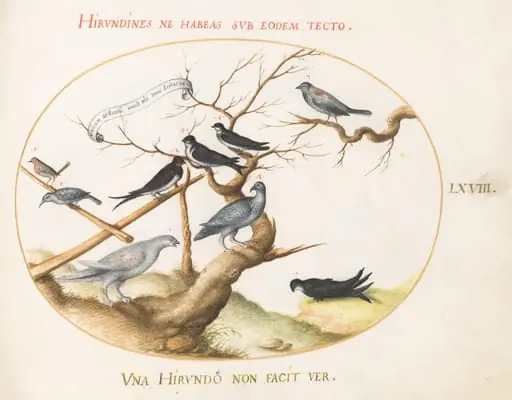 Plate 68: A Ptarmigan, Swallows, and Other Birds
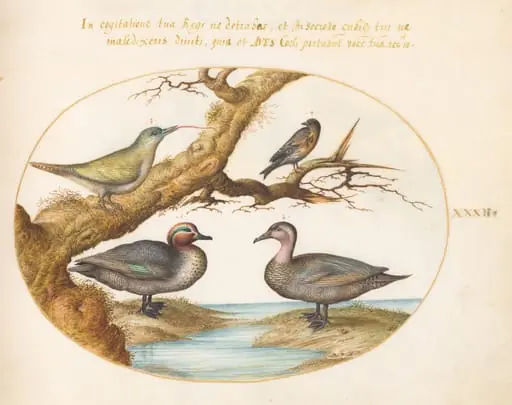 Plate 32: A Green-Winged Teal, a Juvenile Green Woodpecker, and Two Other Birds
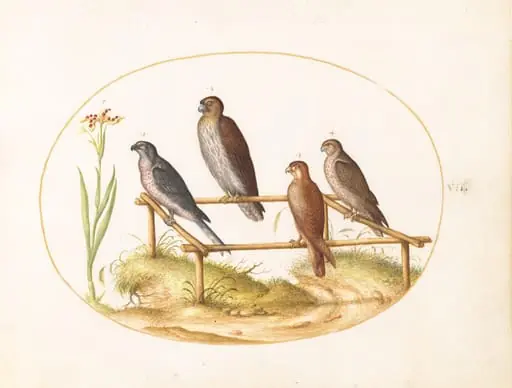 Plate 7: Four Birds of Prey on a Wooden Frame