Artwork
Plate 68: A Ptarmigan, Swallows, and Other Birds
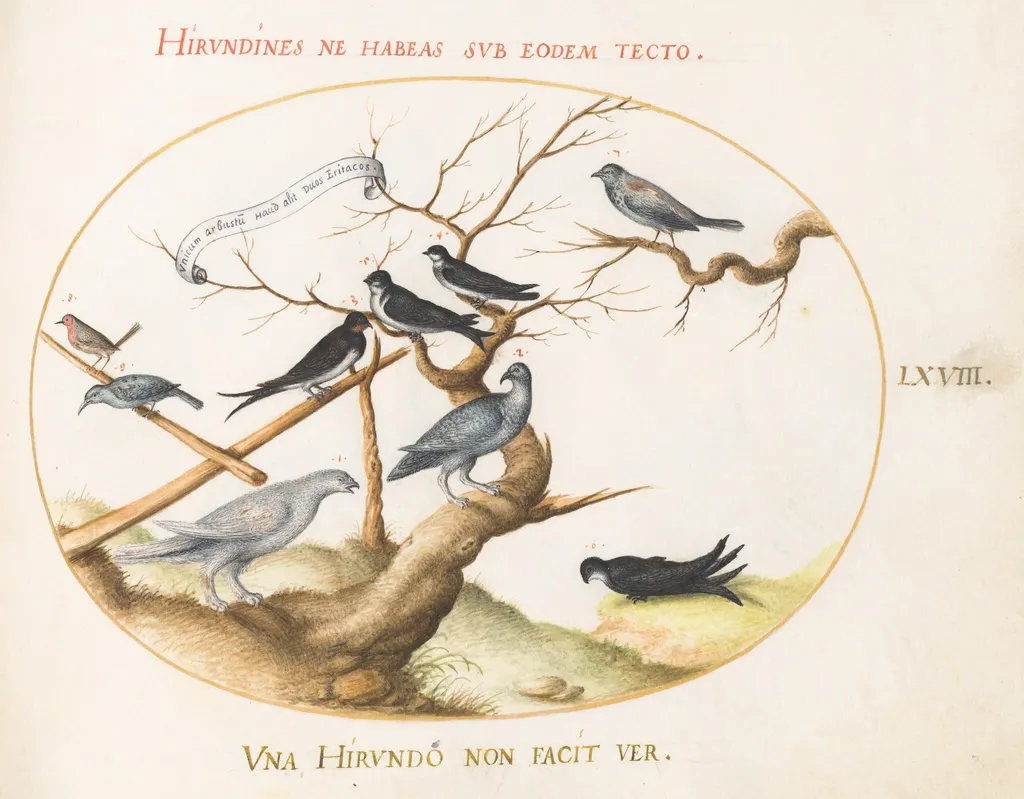
Plate 68: A Ptarmigan, Swallows, and Other Birds is a gouache drawing by the Renaissance artist Joris Hoefnagel. It dates from 1594 and is held in the collection of the National Gallery of Art.
About this work
Overview
Created around 1594 by Joris Hoefnagel, this work is a watercolor and gold-painted illumination on parchment, part of a larger manuscript tradition.
Created around 1594 by Joris Hoefnagel, this work is a watercolor and gold-painted illumination on parchment, part of a larger manuscript tradition. It belongs to the final phase of European manuscript illumination, where scientific observation merged with decorative art. The piece captures multiple bird species with precision, reflecting Hoefnagel’s role in bridging medieval illumination and early modern natural history illustration.
Subject & Meaning
The plate presents a ptarmigan, swallows, and additional birds arranged across bare branches and the ground. Each bird is depicted in a distinct posture—facing forward, in profile, or in flight—suggesting a deliberate study of avian behavior. The absence of foliage or landscape elements focuses attention on the birds’ forms, emphasizing their biological diversity and individual presence rather than symbolic or allegorical meaning.
Technique & Style
Hoefnagel employed fine watercolor washes to model the birds’ plumage, layering tones of brown, gray, and white to suggest texture and volume. Gold paint highlights subtle contours and feather edges, adding luminosity without overwhelming the naturalistic palette. The creamy parchment background enhances the birds’ muted hues, while meticulous brushwork renders individual feathers and anatomical details with scientific clarity.
History & Provenance
This plate originated in a manuscript commissioned by the Habsburg court, likely intended as a visual catalog of natural specimens. Hoefnagel, working in Prague under Emperor Rudolf II, had access to imperial collections and live specimens. The work remained within royal circles before entering private and institutional collections, preserving its status as a rare example of late Renaissance naturalist art.
Context
In late 16th-century Europe, interest in natural observation grew alongside exploration and scientific inquiry. Hoefnagel’s work aligned with emerging trends in natural history, where accurate depiction replaced stylized representation. His illustrations influenced later naturalists and artists, contributing to the transition from decorative manuscript art to illustrated scientific texts in northern Europe.
Legacy
Hoefnagel’s attention to anatomical accuracy and his integration of gold leaf into naturalistic subjects set a precedent for scientific illustration. Though manuscript illumination declined after his time, his methods informed the development of ornithological and botanical atlases. This plate stands as a quiet testament to the shift from symbolic to empirical representation in early modern visual culture.
Artist & collection

Artist
Joris Hoefnagel or Georg Hoefnagel (1542 – 24 July 1601) was a Flemish painter, printmaker, miniaturist, draftsman and merchant.

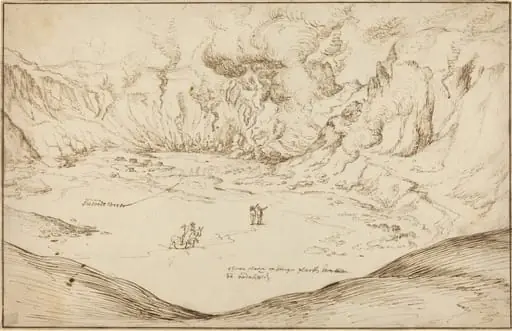 Forum Vulcani: The Hot Springs at Pozzuoli
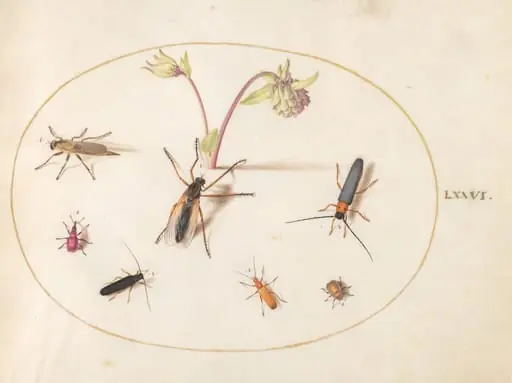 Plate 76: Insects with a Pink and Cream Columbine
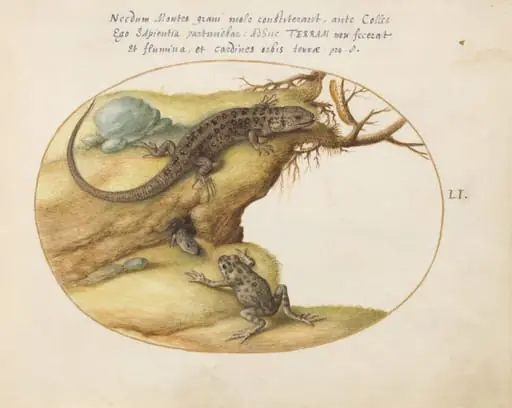 Plate 51: Two Sand Lizards, a Common Parsley Frog(?), and a Caterpillar
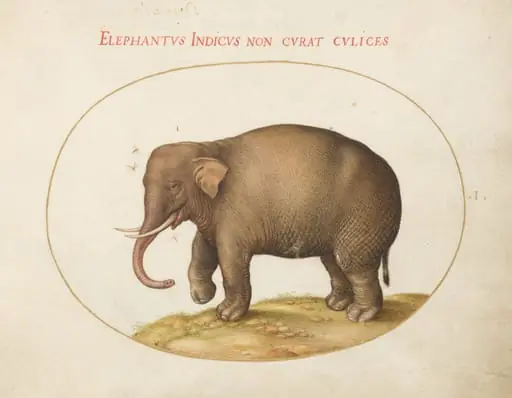 Plate 1: Elephant with Insects
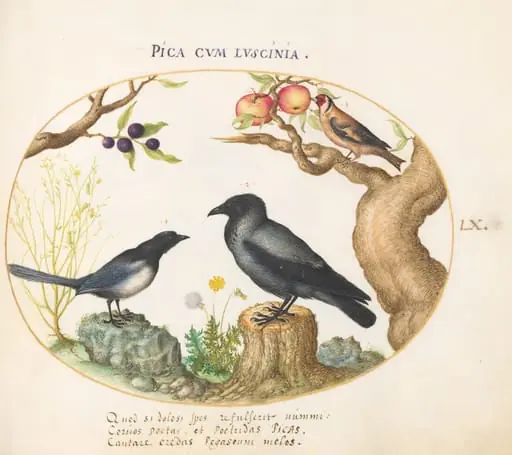 Plate 60: Magpie, Crow, and Goldfinch
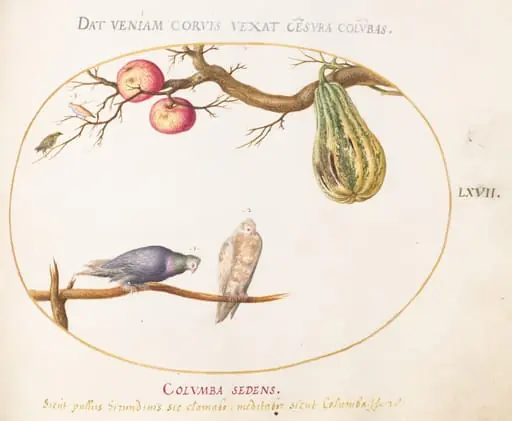 Plate 67: Two Doves beneath a Gourd and Apples
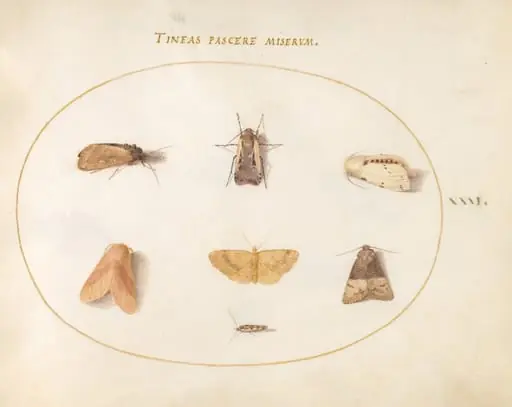 Plate 31: Seven Moths
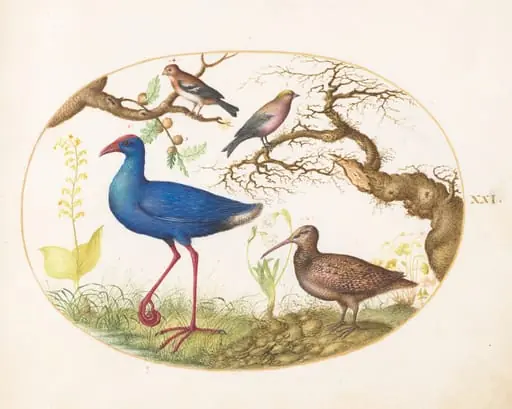 Plate 21: Swamp Hen and Woodcock with a Streaked Rosefinch, a Finch, and Oak Galls
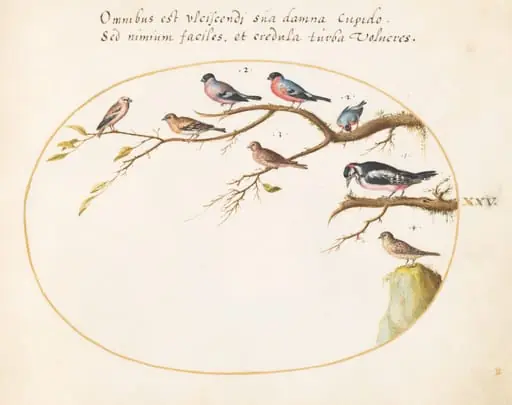 Plate 25: Great Spotted Woodpecker, Bullfinches, Sparrows, and Other Birds
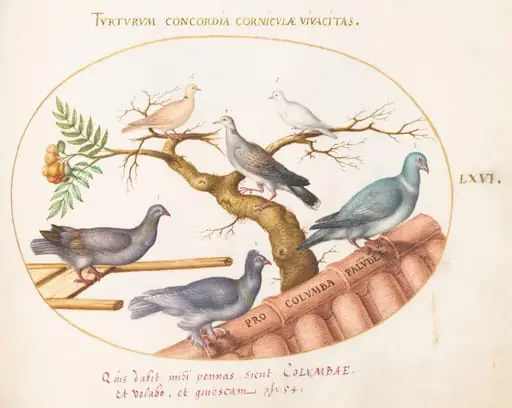 Plate 66: Doves and Pigeons
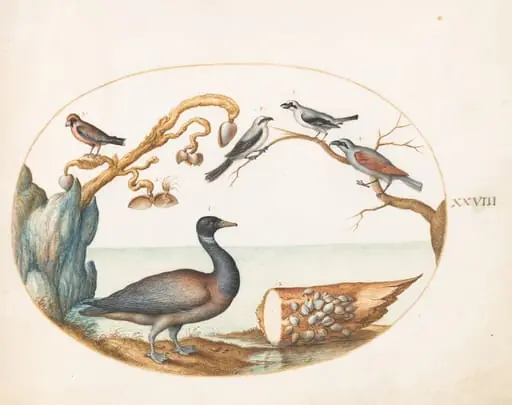 Plate 28: Barnacle Goose with Shrikes and Other Birds
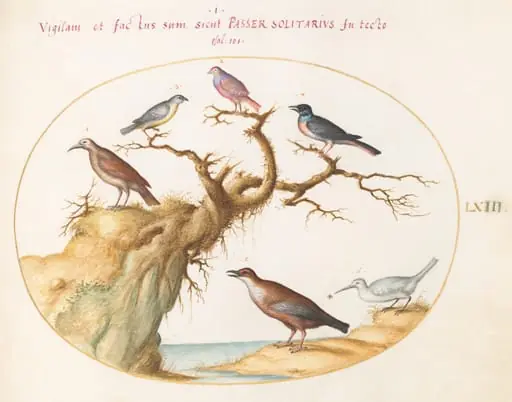 Plate 63: Six Small Birds, Including a Bluethroat and a Cuckoo(?)
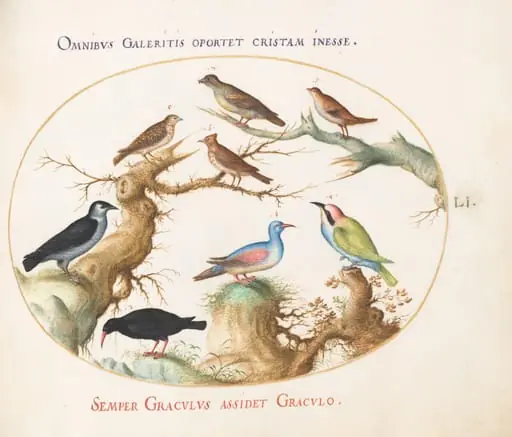 Plate 51: Crossbeak, Chough, Bee-Eater, and Other Birds
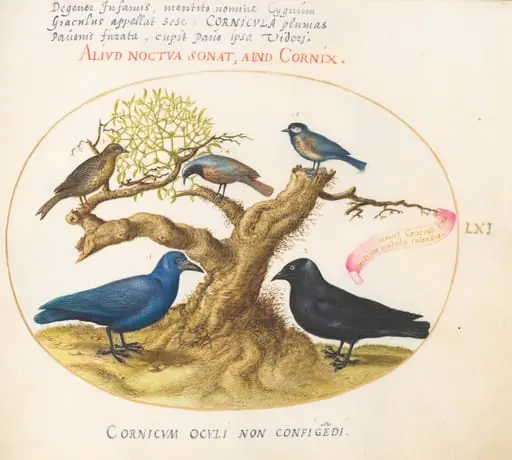 Plate 61: Blue Crow(?), Jackdaw, Chickadee or Tit, and Other Birds
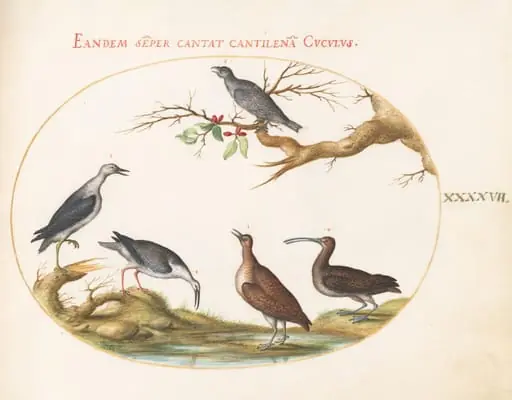 Plate 47: Shore Birds with a Perching Bird
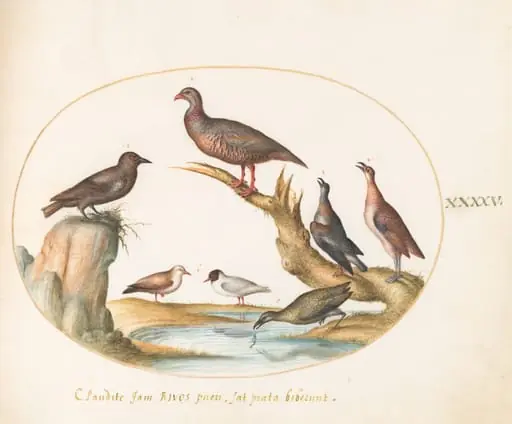 Plate 45: Spotted Nutcracker and Shore Birds
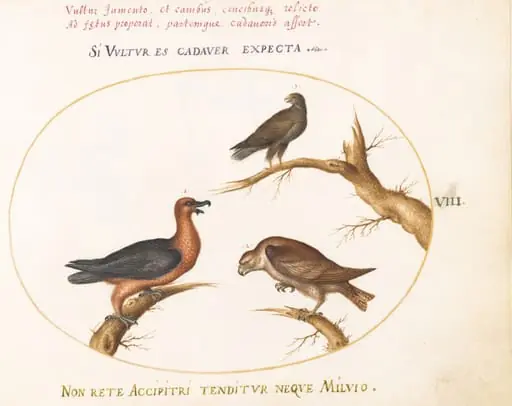 Plate 8: Bearded Vulture with Two Birds of Prey
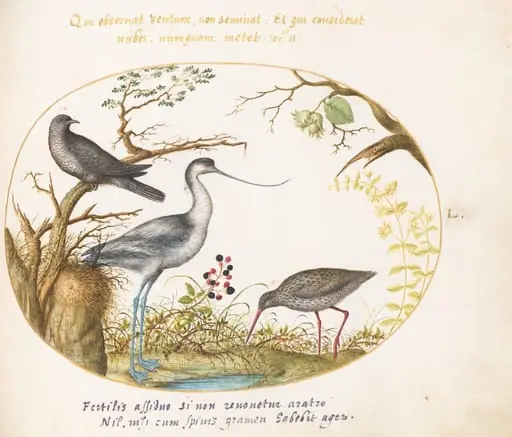 Plate 50: An Avocet with Two Other Birds
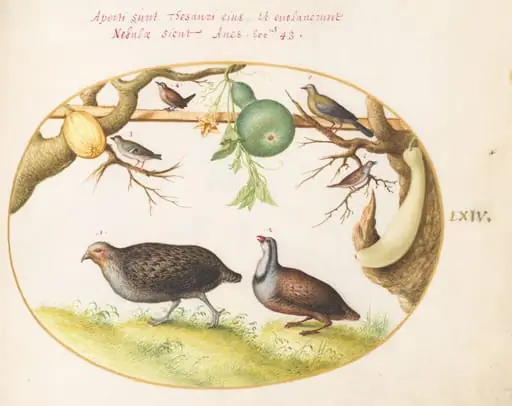 Plate 64: Two Partridges, a Wren, and Other Birds