Artwork
The Distressed Poet
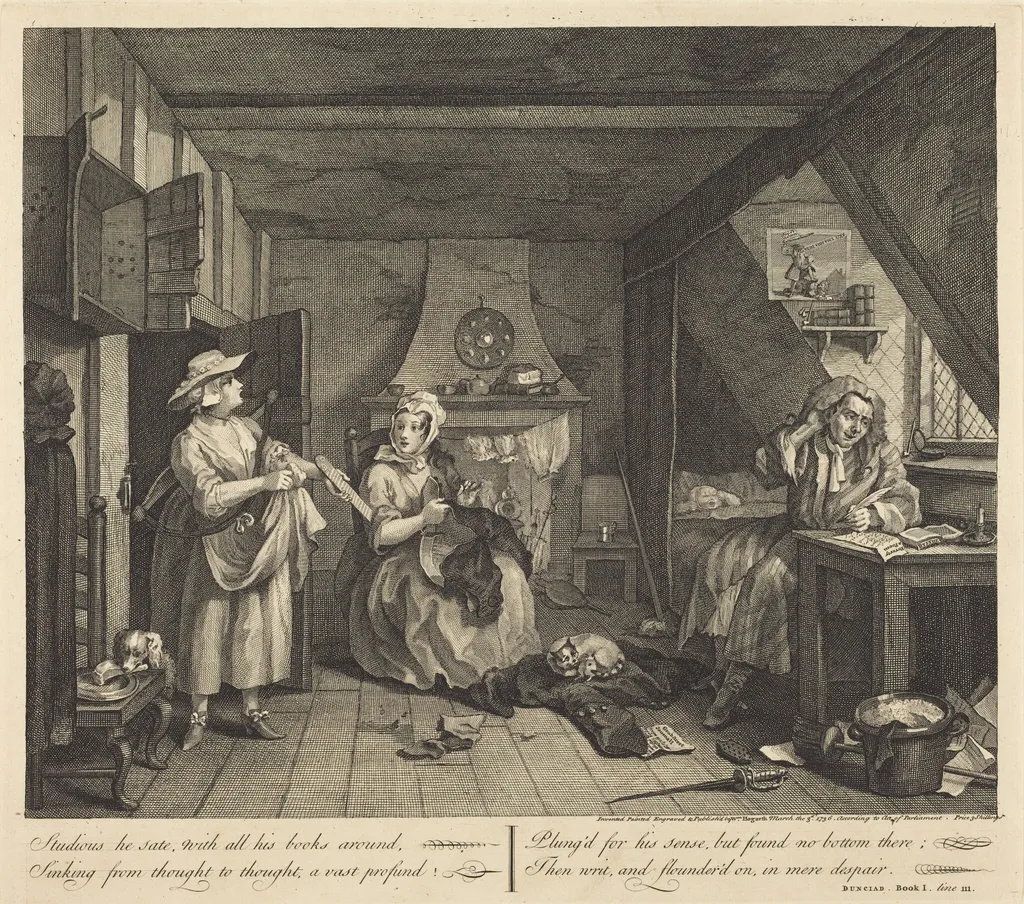
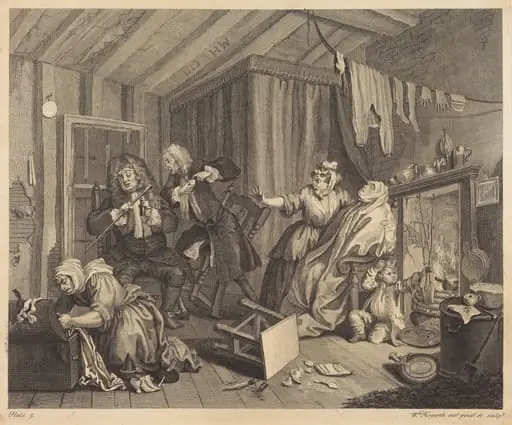
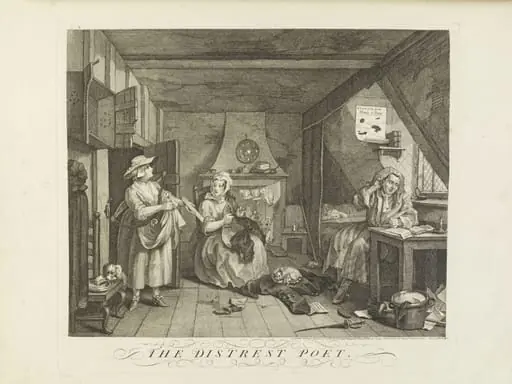
The Distressed Poet is an ink print by the Baroque artist William Hogarth. It dates from 1736 and is held in the collection of the National Gallery of Art.
About this work
Overview
Created in 1736, *The Distressed Poet* is an etching and engraving by William Hogarth. The print shows a cramped attic interior where a poet, hunched over a desk, appears overwhelmed by his surroundings. Around him stand two women—one playing a lute, the other holding a small dog—amid a disorder of books, papers, and assorted objects.
Subject & Meaning
The central figure is a writer caught in a moment of frustration, his facial expression suggesting both anxiety and creative blockage. The lute‑playing woman seems to offer a soothing presence, while the companion with the dog watches with concern, together highlighting the personal and social pressures that accompany artistic production.
Technique & Style
Hogford employed the combined processes of etching and engraving, allowing fine line work and varied tonal depth. His characteristic blend of realistic detail—evident in the cluttered furnishings—and a satirical edge gives the scene a narrative quality typical of his broader oeuvre.
History & Provenance
William Hogarth, an English painter and printmaker born into a lower‑middle‑class London family, rose to prominence through apprenticeship and later became a leading voice in 18th‑century British art. *The Distressed Poet* forms part of his series of works that critique contemporary social conditions.
Context
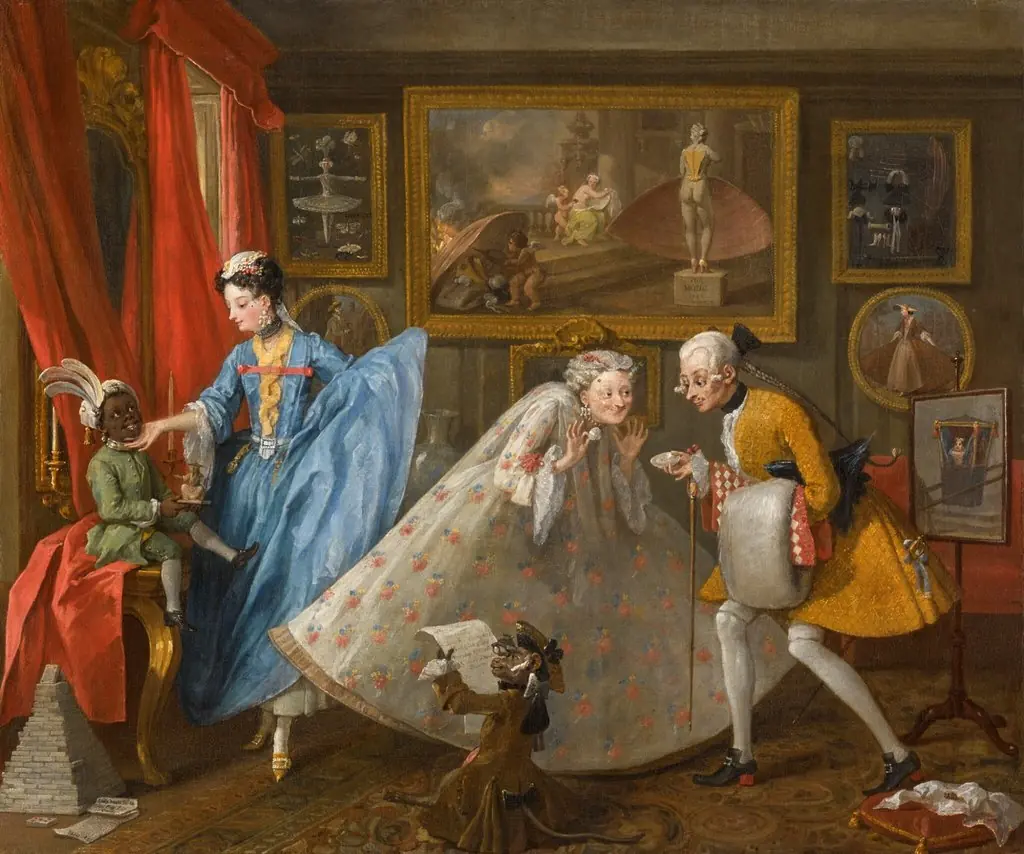
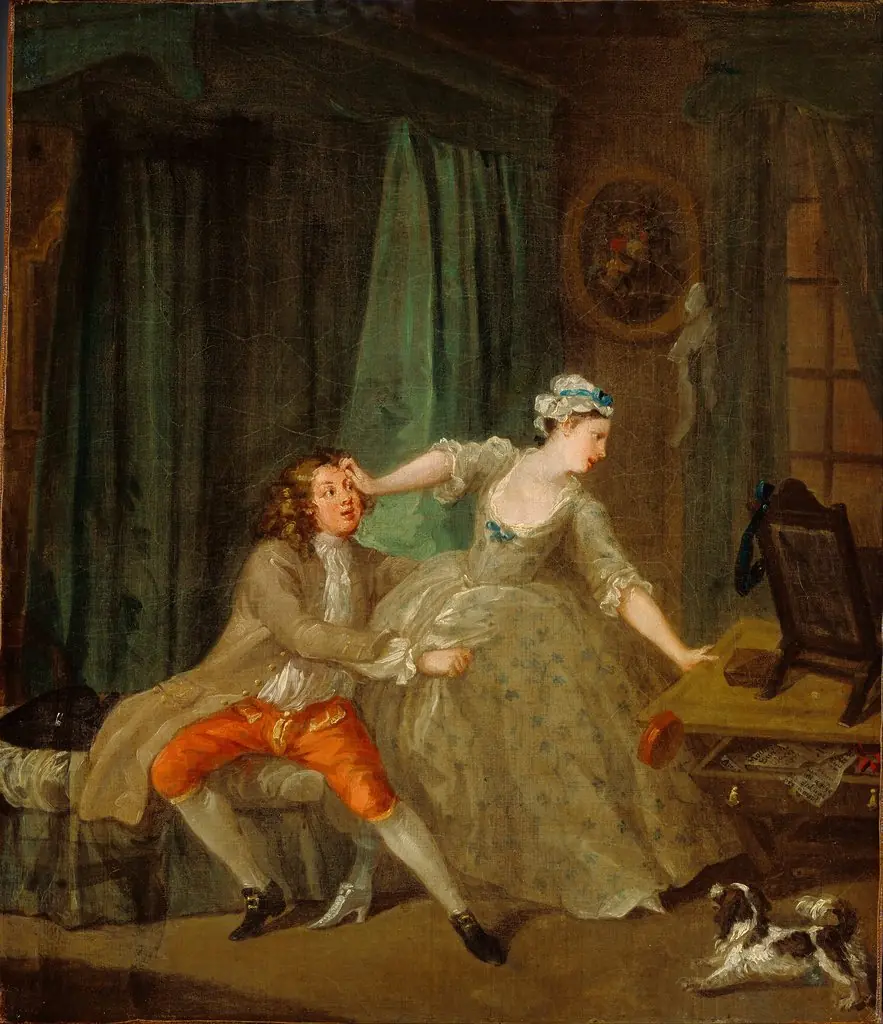
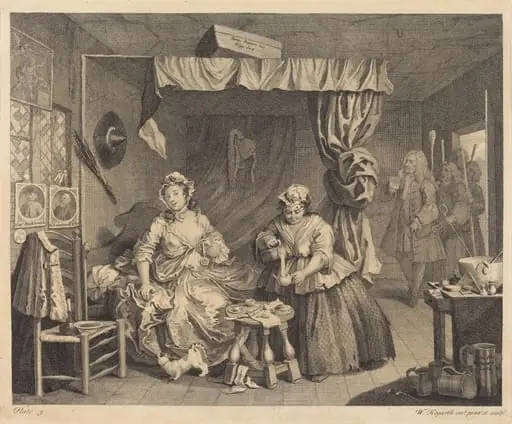
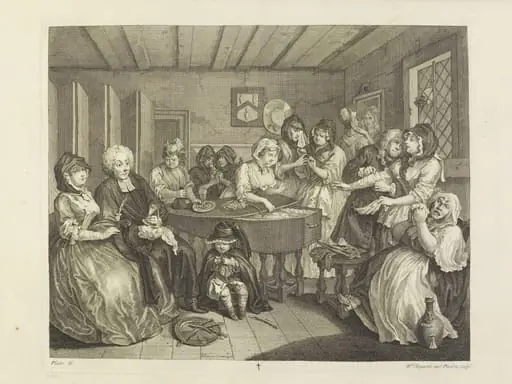
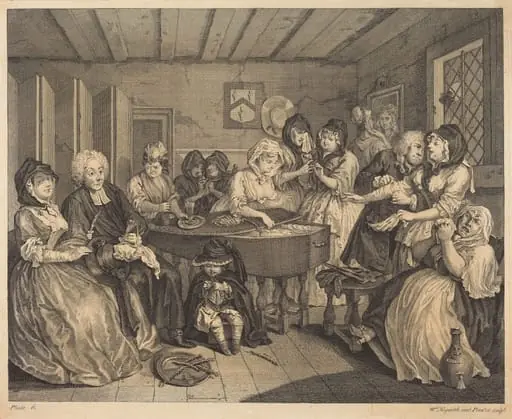
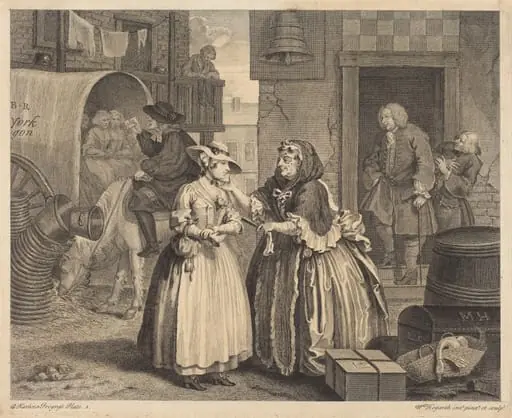
The image reflects Hogarth’s ongoing interest in the everyday struggles of ordinary people, aligning with his other narrative series such as *A Harlot’s Progress* and *Marriage A‑la‑Mode*. By focusing on a solitary poet, the print comments on the broader cultural expectations placed on creators in early Georgian England.
Artist & collection
Artist
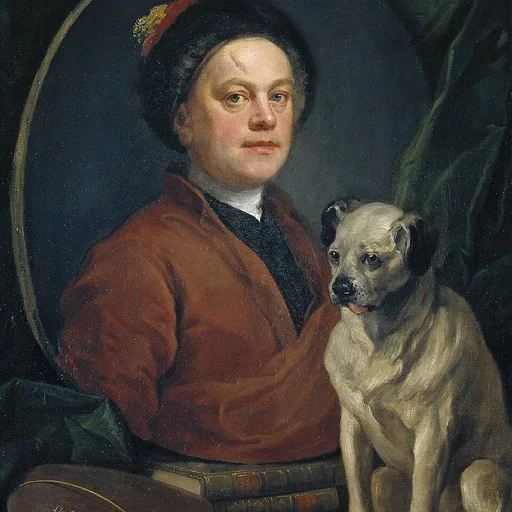
William Hogarth (; 10 November 1697 – 26 October 1764) was an English painter, engraver, satirist, cartoonist and writer.