Artwork
Francis Bacon
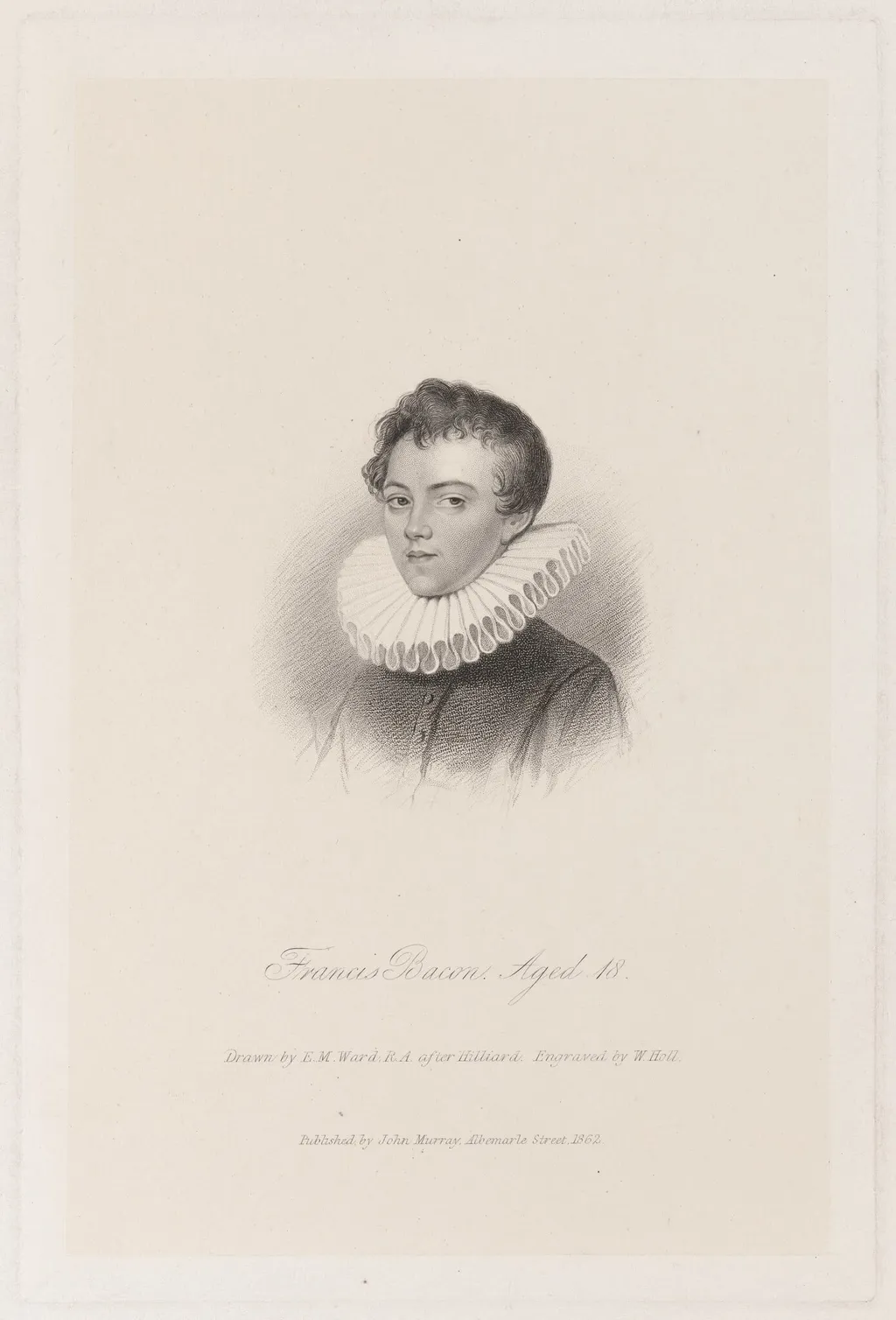
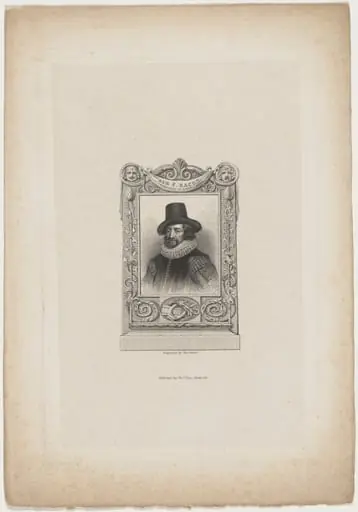
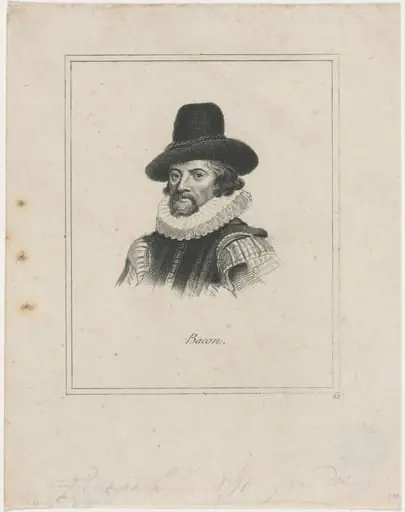
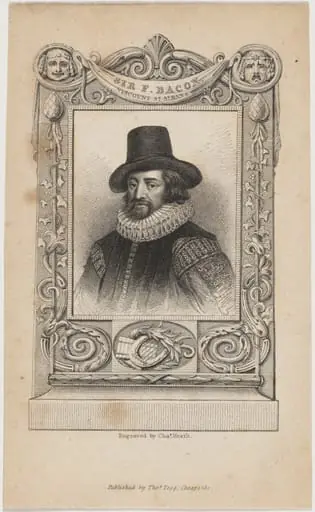
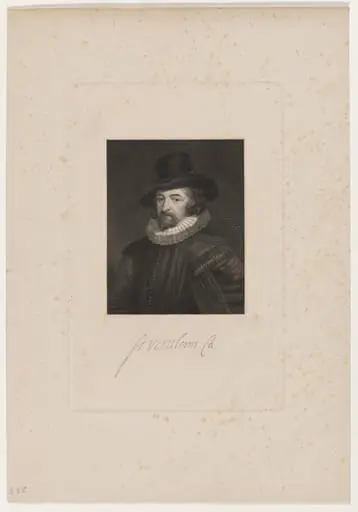
Francis Bacon is an ink print by the Romanticist artist William Holl II. It dates from 1804 and is held in the collection of the National Gallery of Art.
About this work
Overview
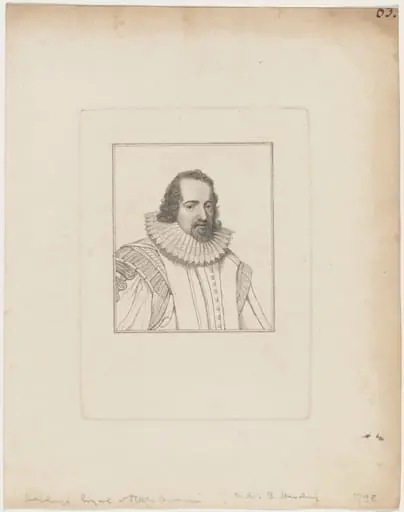
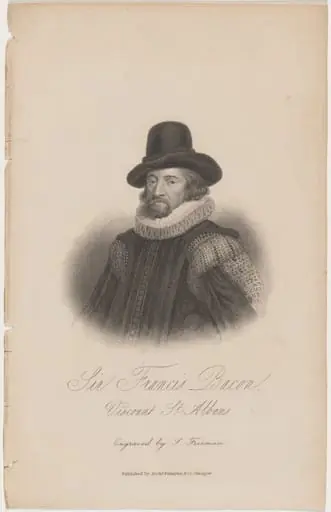
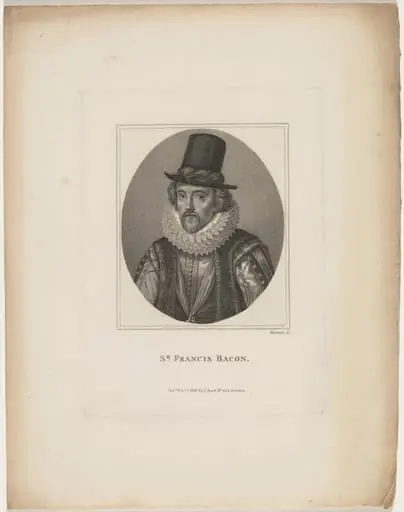
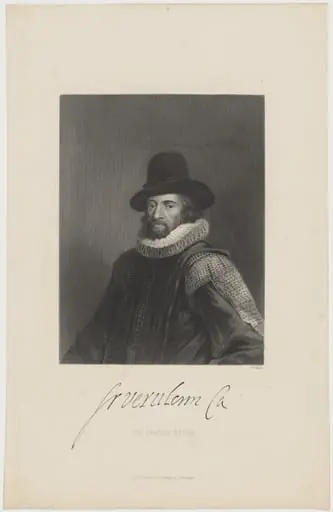
Created in 1804, this engraving by William Holl II presents a finely rendered portrait of a youthful male sitter. Executed in a monochrome palette, the image centers the figure against a lightened backdrop, emphasizing the delicate modeling of facial features and attire. The work exemplifies early‑19th‑century British printmaking, offering a clear, composed representation of its subject.
Subject & Meaning
The sitter appears to be a young boy, his short, tightly curled hair framing a thoughtful expression. He wears a ruffled collar and a dark shirt, garments typical of genteel dress of the period. His head is turned slightly to the left, suggesting a modest, perhaps introspective demeanor, while the straightforward pose underscores the personal nature of the portrait.
Technique & Style
Holl employs a range of finely graduated grays, achieved through careful line work and cross‑hatching, to model the boy’s face and clothing. The contrast between the darker attire and the lighter background creates a subtle three‑dimensional effect. The overall composition is restrained, avoiding ornamental excess and focusing on the clarity of form and tonal balance.
History & Provenance
The engraving was produced in the early 1800s, a period when William Holl II was active as a reproductive engraver for portraiture. While specific details of the original sitter’s identity remain undocumented, the print reflects the era’s demand for accessible portrait images. It has since been catalogued among Holl’s works and is referenced in collections of British printmaking.
Artist & collection