Artwork
Bacon
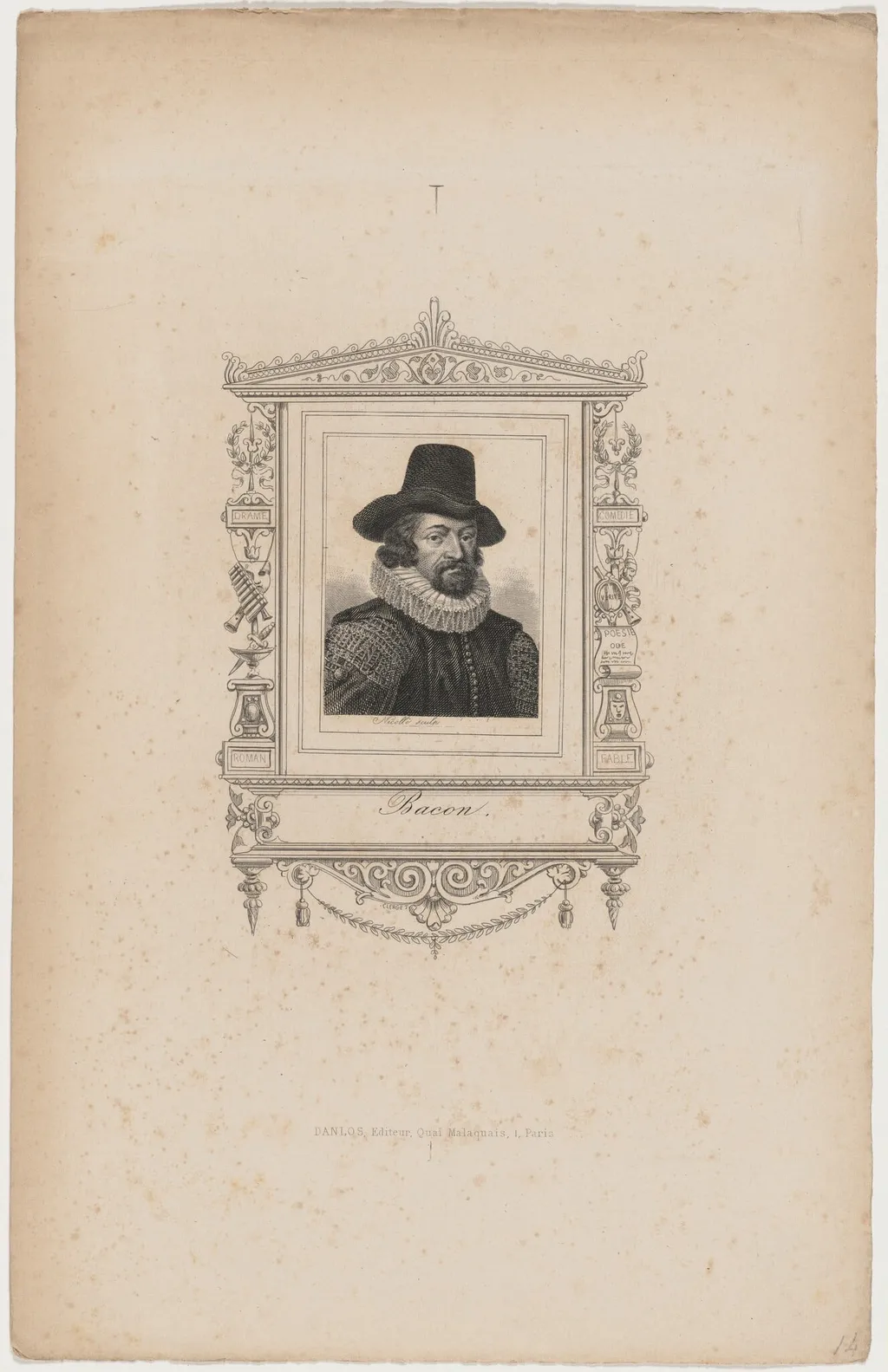
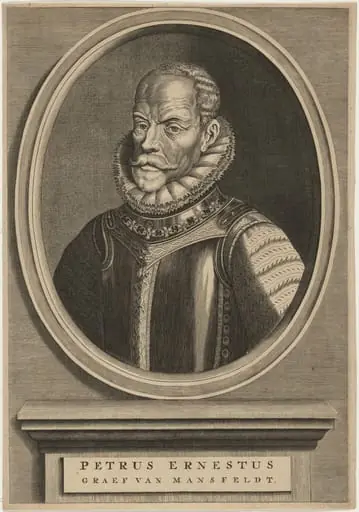
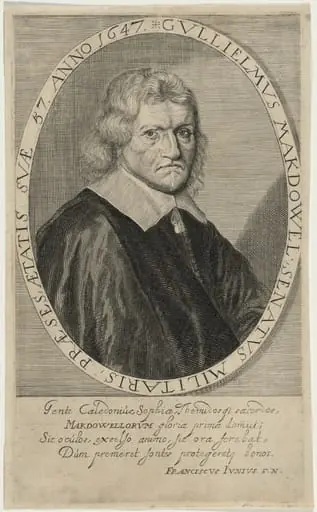
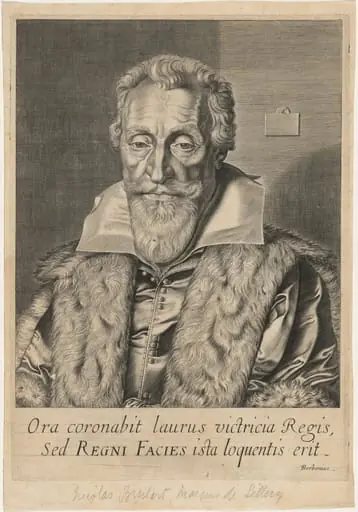
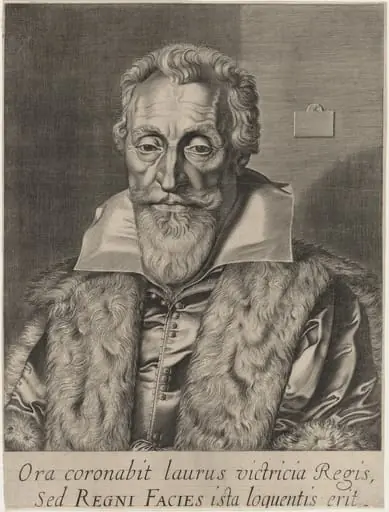
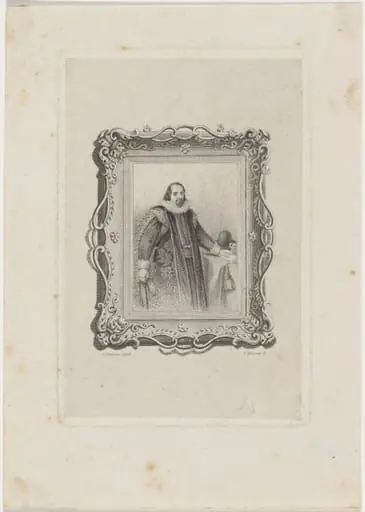
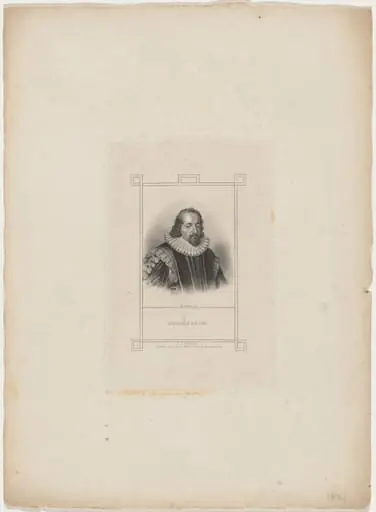
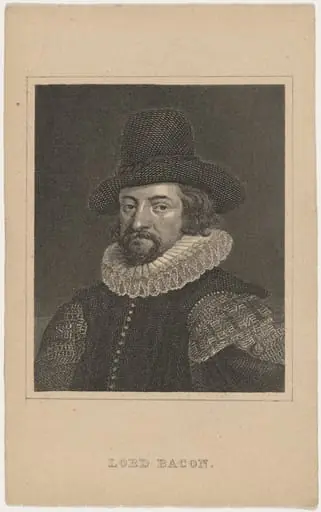
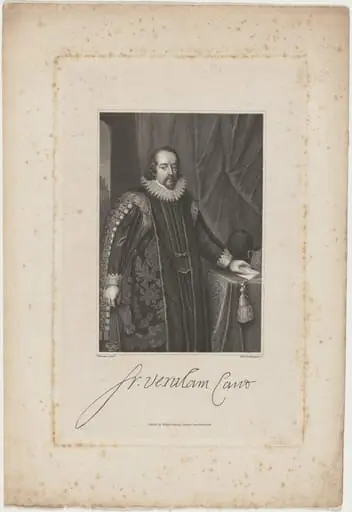
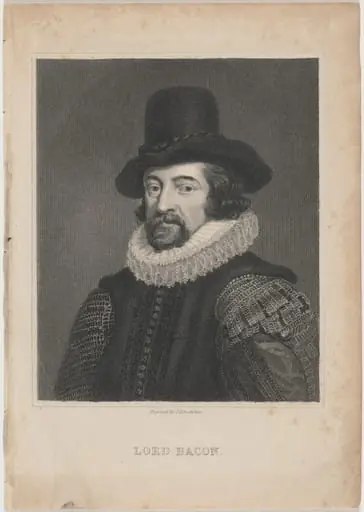
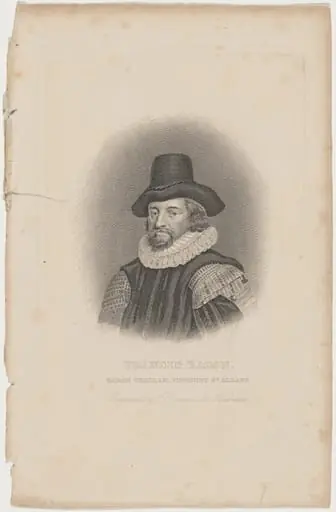
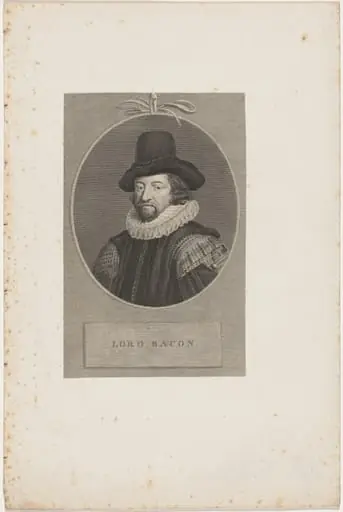
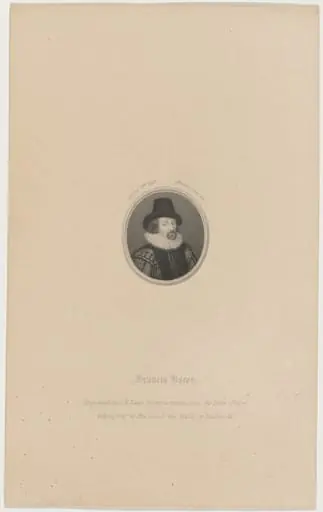
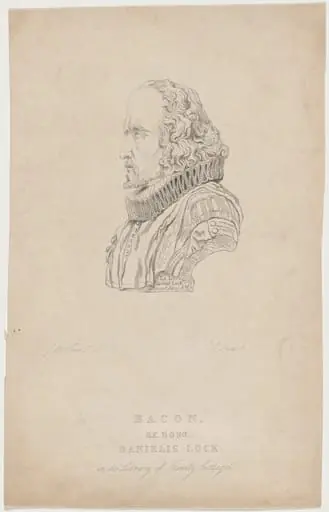
Bacon is an ink print by the Romanticist artist Unknown 19th Century. It dates from 1850 and is held in the collection of the National Gallery of Art. This black-and-white engraving depicts a man’s portrait, rendered in fine linear detail without color.
About this work
Overview
This black-and-white engraving depicts a man’s portrait, rendered in fine linear detail without color.
This black-and-white engraving depicts a man’s portrait, rendered in fine linear detail without color. The figure is enclosed within an architectural frame resembling a classical structure with columns and a pediment, suggesting a formal, almost monumental presentation. The artist’s name, Bacon, appears beneath in ornate script, indicating the print’s purpose as a signed, reproducible image, likely intended for publication in printed media of the period.
Subject & Meaning
The subject is a man with a broad face, wearing a dark hat and a ruffled collar, attire typical of early modern European portraiture. The inclusion of a classical frame elevates the figure beyond a simple likeness, implying status or intellectual standing. The absence of contextual details focuses attention on the individual’s presence, aligning with conventions of engraved portraiture used to convey dignity and identity in printed form.
Technique & Style
The image is executed in the technique of engraving, using incised lines to create tone and texture through controlled shading. Fine cross-hatching and delicate contours define facial features and fabric folds, relying entirely on contrast between ink and paper. This method, common in pre-photographic illustration, allowed for precise reproduction and was favored for books and periodicals seeking detailed, durable imagery.
History & Provenance
The print likely originated in the 17th or 18th century, when engraved portraits were widely circulated in printed works. The decorative border and formal inscription suggest it was part of a larger collection, perhaps a biographical volume or a compendium of notable figures. Its survival indicates it was valued enough to be preserved, though its specific origin and original publication remain undocumented.
Context
Engraved portraits like this were standard in scholarly and literary publications before photography. They served as visual references for readers, often accompanying texts on history, science, or biography. The architectural framing reflects Renaissance ideals of order and harmony, linking the subject to classical traditions of learning and authority, common in European print culture of the time.
Legacy
This engraving exemplifies the role of printmaking in shaping public perception of individuals before the age of photography. Its technical precision and restrained composition reflect the discipline required in hand-etched imagery. Though now a historical artifact, it remains a testament to the ways visual identity was constructed and disseminated in early modern Europe through skilled craftsmanship.
Artist & collection

Artist