Artwork
Martin Luther
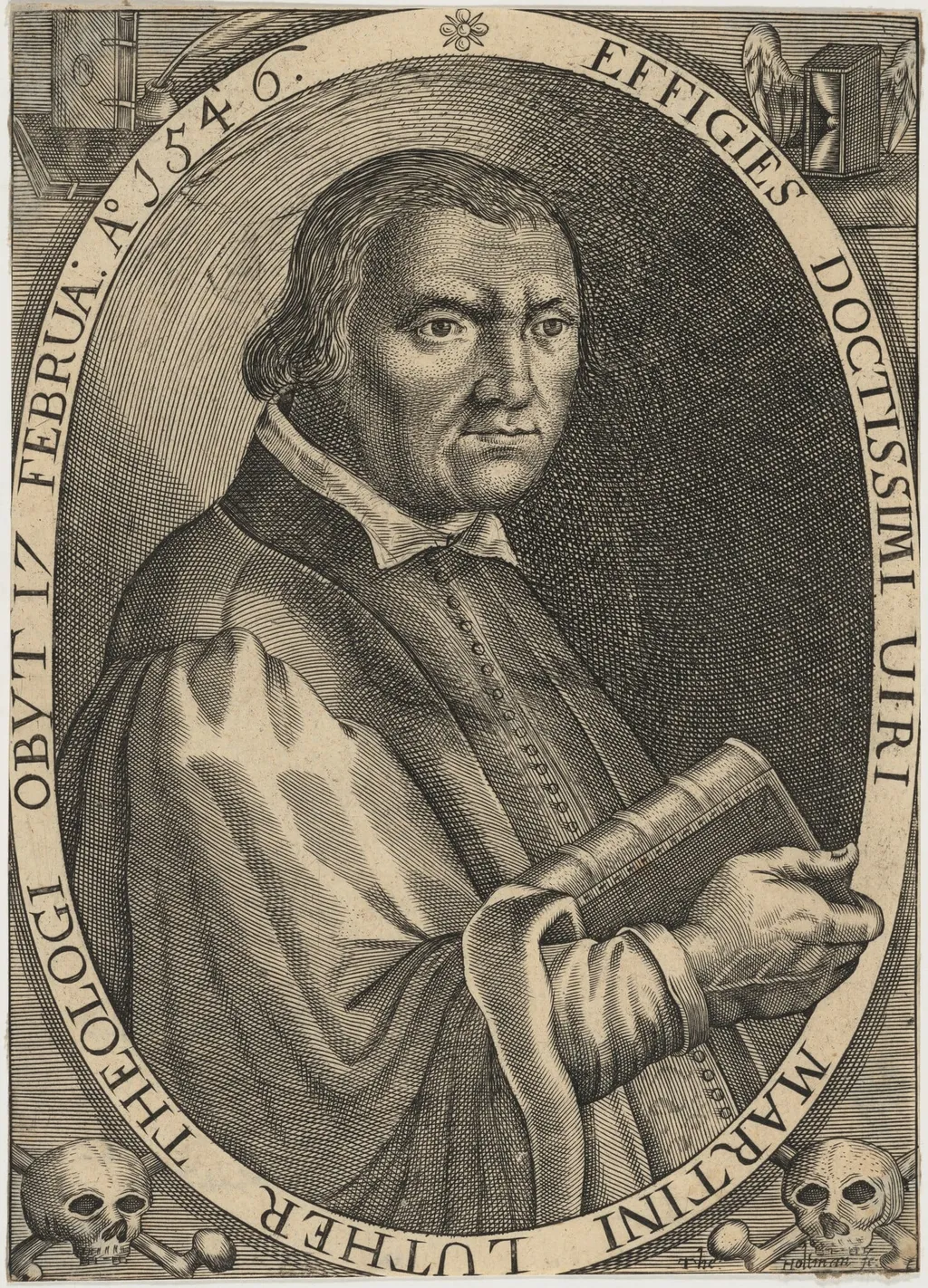
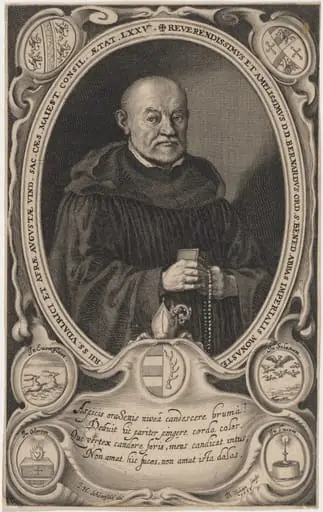
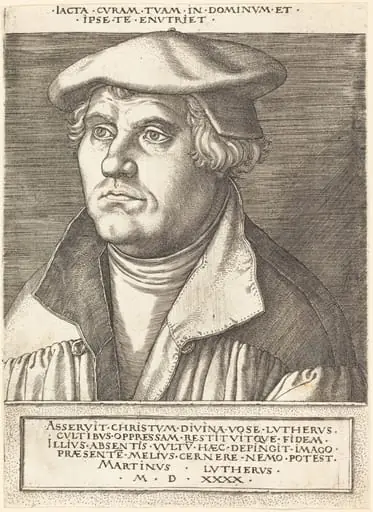
Martin Luther is an ink print by the Renaissance artist Theodor Holtmann. It dates from 1640 and is held in the collection of the National Gallery of Art.
About this work
Overview
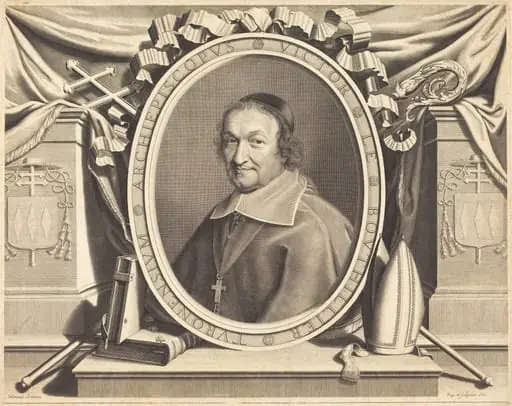
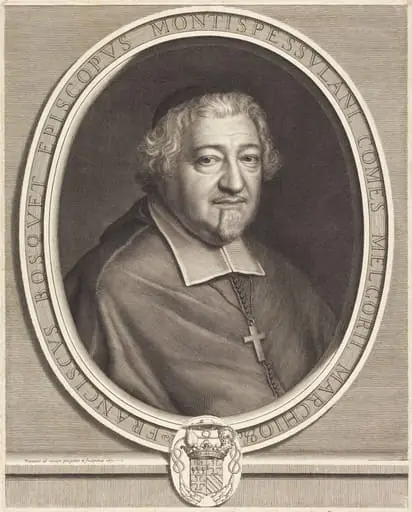
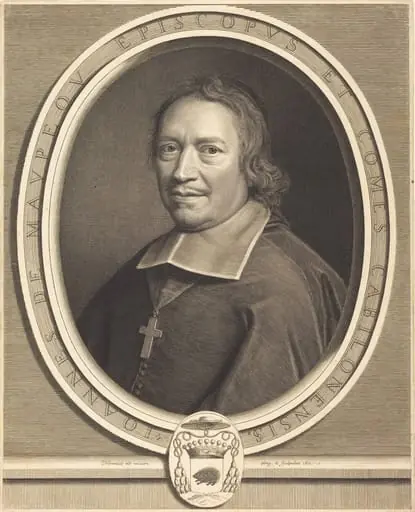
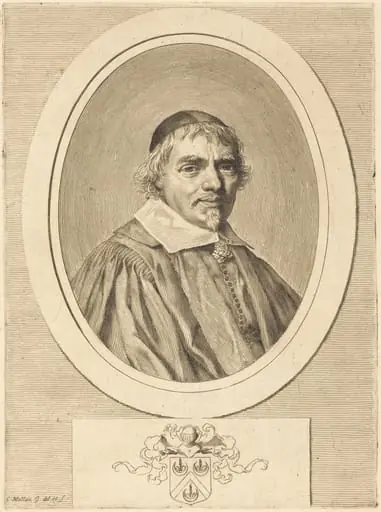
Theodor Holtmann’s 1640 engraving portrays the reformer Martin Luther. Rendered in black ink, the image presents Luther in a dark coat trimmed with a white ruff, his gaze directed forward. A simple, darkened backdrop isolates the figure, while subtle illumination highlights his face and hands, emphasizing his expression and age.
Subject & Meaning
The portrait emphasizes Luther’s authority and steadfastness, qualities associated with his role in the Protestant Reformation. By focusing on his direct stare and the detailed rendering of his features, the work conveys a sense of personal resolve and intellectual vigor, reinforcing his image as a steadfast theological leader.
Technique & Style
Holtmann employed fine cross‑hatching and precise line work characteristic of 17th‑century engraving. The sharp, meticulous incisions capture minute details such as facial wrinkles and fabric texture, creating a contrast between illuminated areas and the surrounding darkness. This method allowed for reproducibility while maintaining a high level of visual fidelity.
History & Provenance
Created in the early 1640s, the print emerged more than a century after Luther’s death, during a period when printed portraits circulated widely across Europe. Engravings like this served as visual propaganda, disseminating Luther’s likeness to supporters of the Reformation and to a broader public.
Context
In the era of burgeoning print culture, such images played a crucial role in shaping collective memory of religious figures. Holtmann’s depiction contributed to the standardized visual iconography of Luther that persisted in subsequent centuries, influencing both devotional art and historical representations of the reformer.
Artist & collection