Artwork
Jean de Maupeou
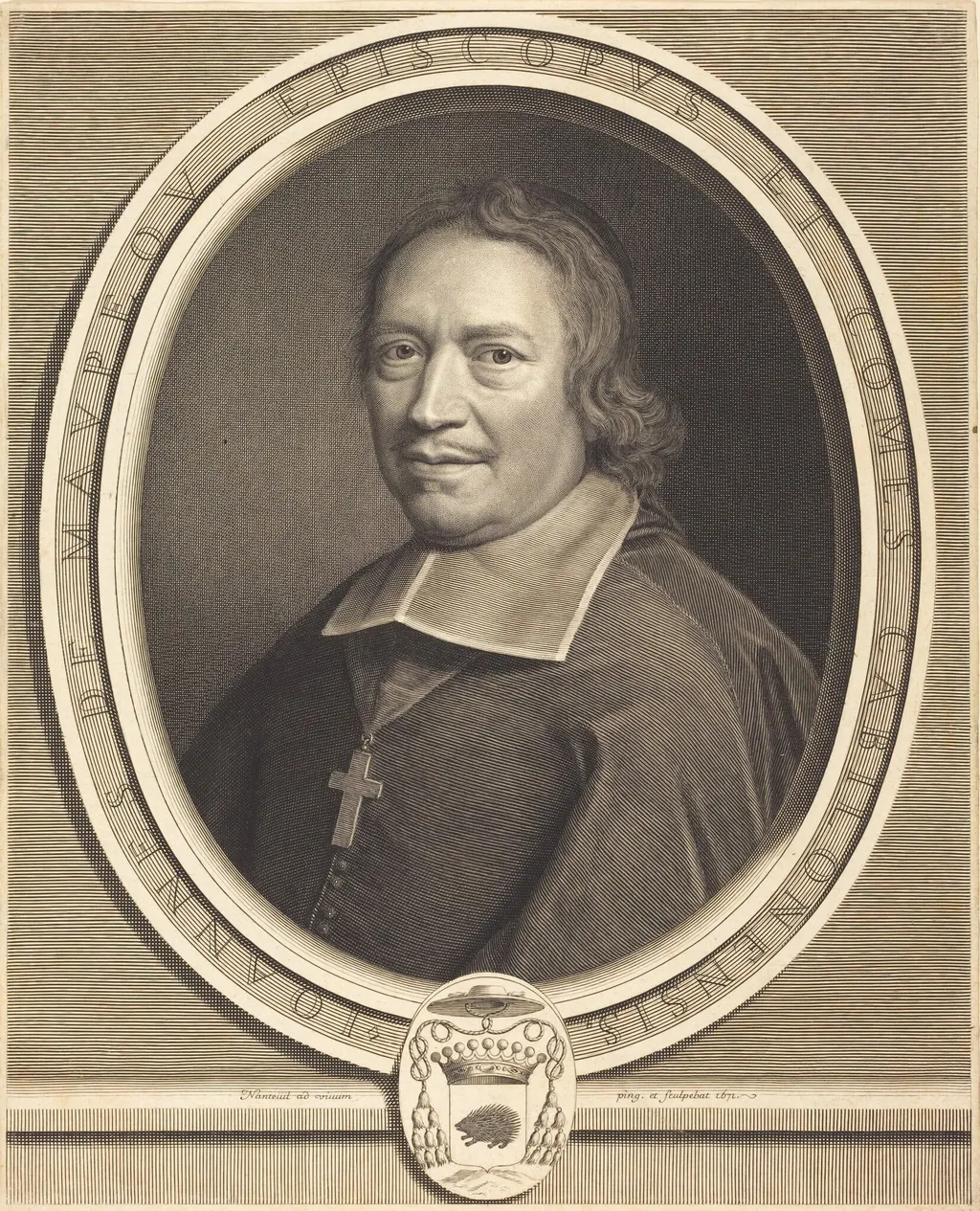
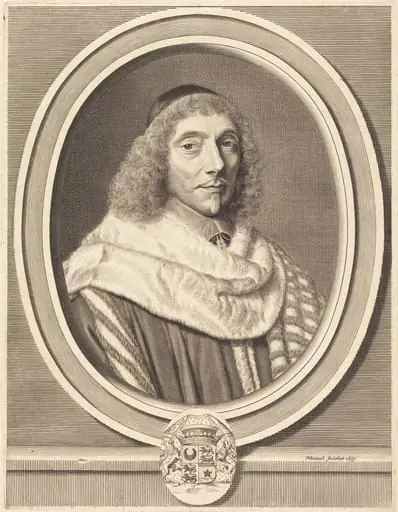
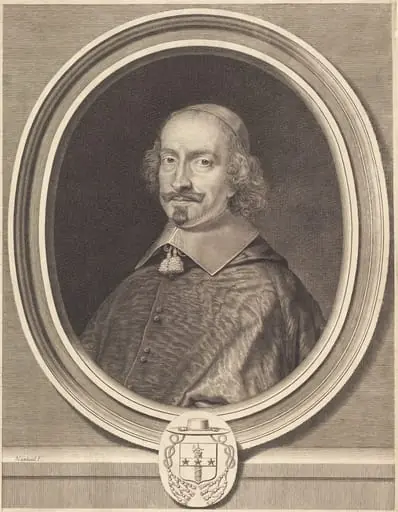
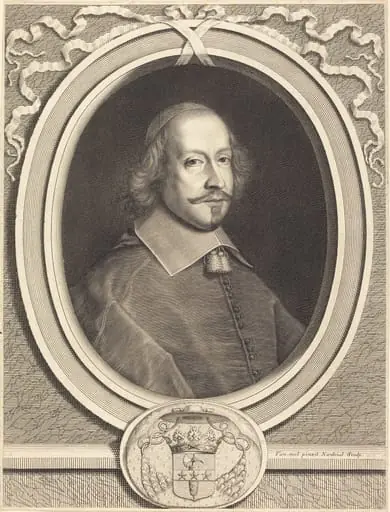
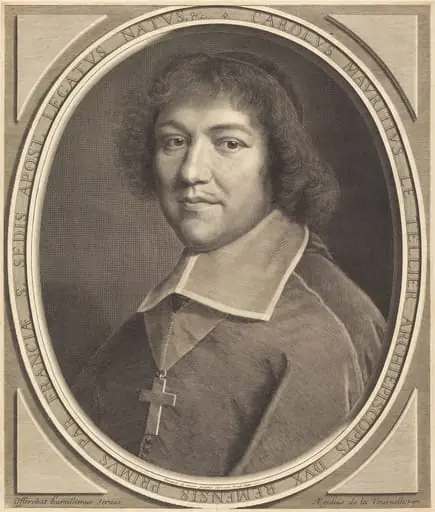
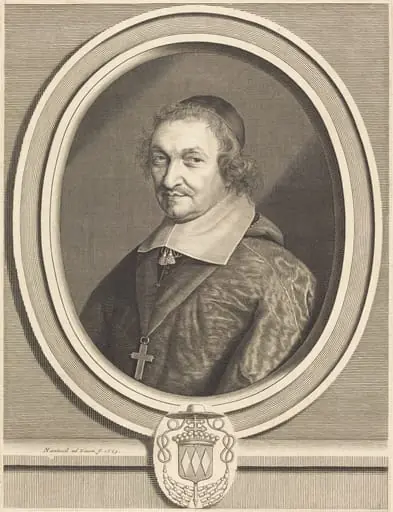
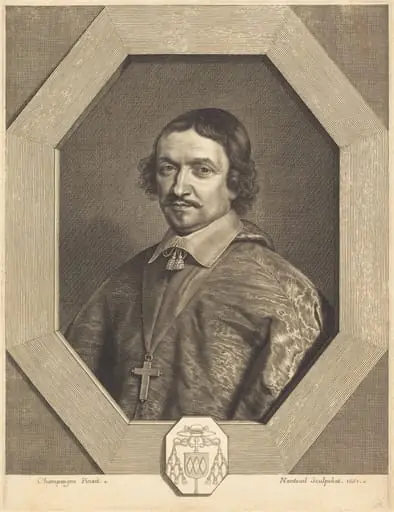
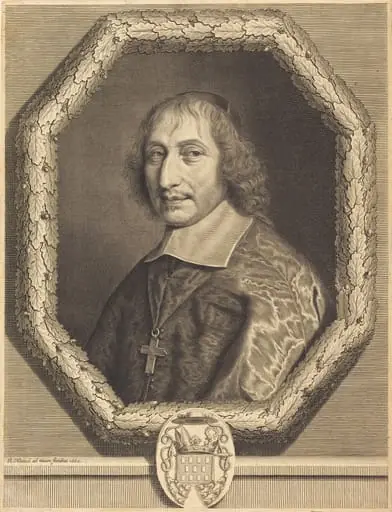
Jean de Maupeou is an ink print by the Baroque artist Robert Nanteuil. It dates from 1671 and is held in the collection of the National Gallery of Art.
About this work
Overview
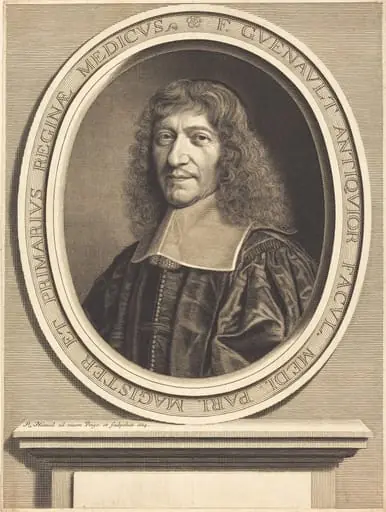
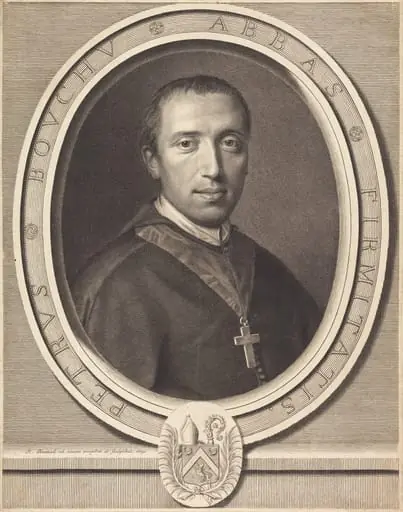
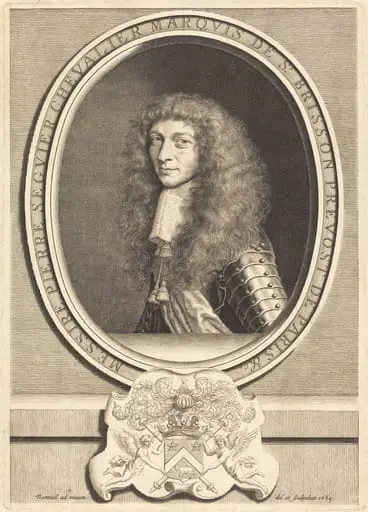
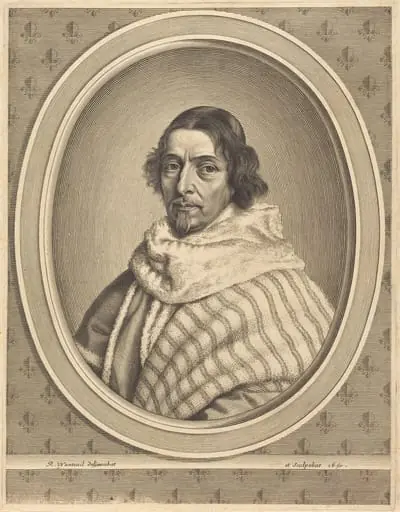
Jean de Maupeou is a portrait engraving created by Robert Nanteuil in 1671. The work is a black-and-white print depicting a solemnly expressive man adorned with a dark collar and a cross, accompanied by a heraldic shield beneath him.
Subject & Meaning
The subject, Jean de Maupeou, is portrayed with symbols of dignity: a cross indicating possible religious or noble affiliation, and a shield with a crown and inscribed letters, suggesting heraldic lineage. The serious expression conveys gravity and respect.
Technique & Style
Nanteuil employed fine lines and nuanced shading to achieve depth in the engraving, characteristic of his refined portrait style. The medium itself, etching on metal, allowed for the detailed, high-contrast image typical of 17th-century French portrait engravings.
History & Provenance
Created in 1671 for a prominent figure, the engraving reflects Nanteuil's official role as a court artist to Louis XIV, catering to the nobility's demand for elegant, detailed portraits.
Context
This work exemplifies the French court's 17th-century penchant for formal, intricately detailed portraiture, serving both as artistic expression and as a symbol of the subject's status within the royal circle.
Legacy
While specific lasting impacts of *Jean de Maupeou* are not broadly documented, it contributes to Nanteuil's legacy as a leading portrait engraver of his era, influencing subsequent generations in the technique and aesthetic of formal portraiture.
Artist & collection
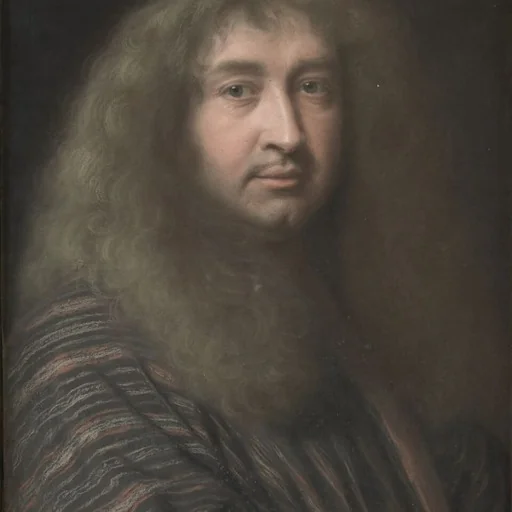
Artist
Robert Nanteuil (French pronunciation: ; 1623 – 9 December 1678) was a French portrait artist: engraver, draughtsman and pastellist to the court of Louis XIV.