Artwork
Warm Afternoon
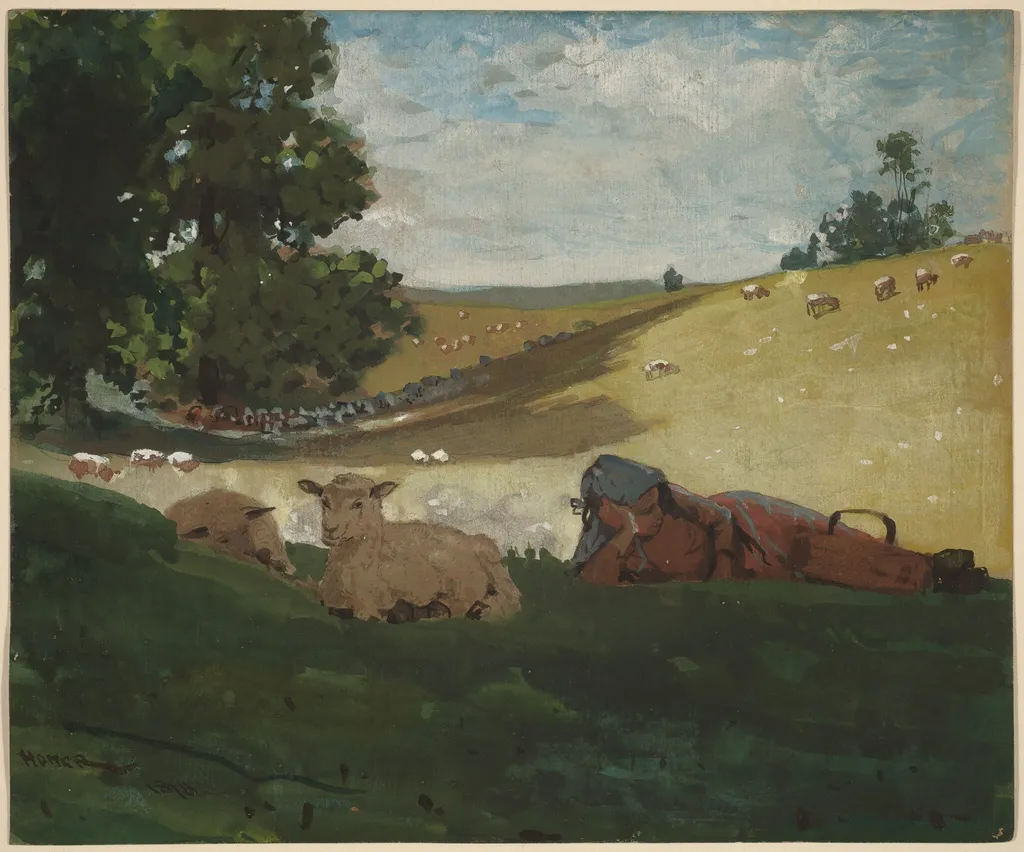
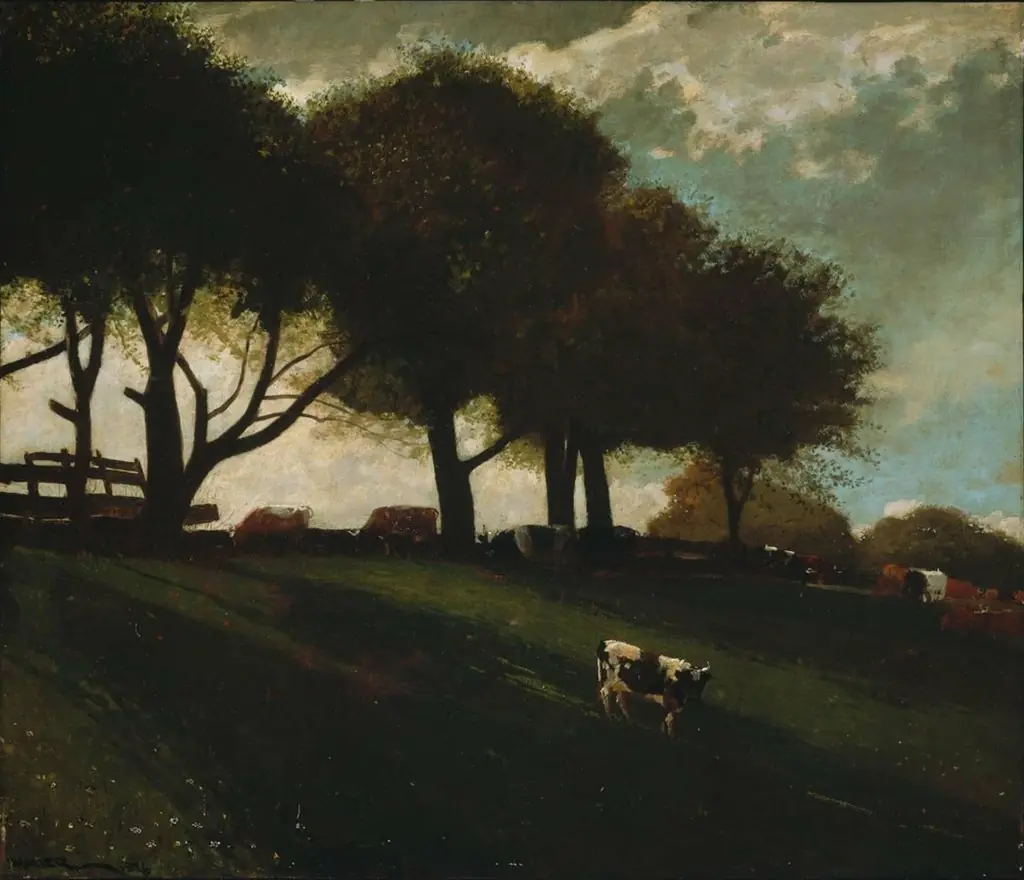
Warm Afternoon is a gouache drawing by the Impressionist artist Winslow Homer. It dates from 1878 and is held in the collection of the National Gallery of Art.
About this work
Overview
Created in 1878, Warm Afternoon is a drawing by Winslow Homer executed in watercolor, gouache, and graphite on a gray‑green wove paper that has aged to a brown hue. The work measures a modest size and presents a tranquil rural landscape rendered with a light, spontaneous hand.
Subject & Meaning
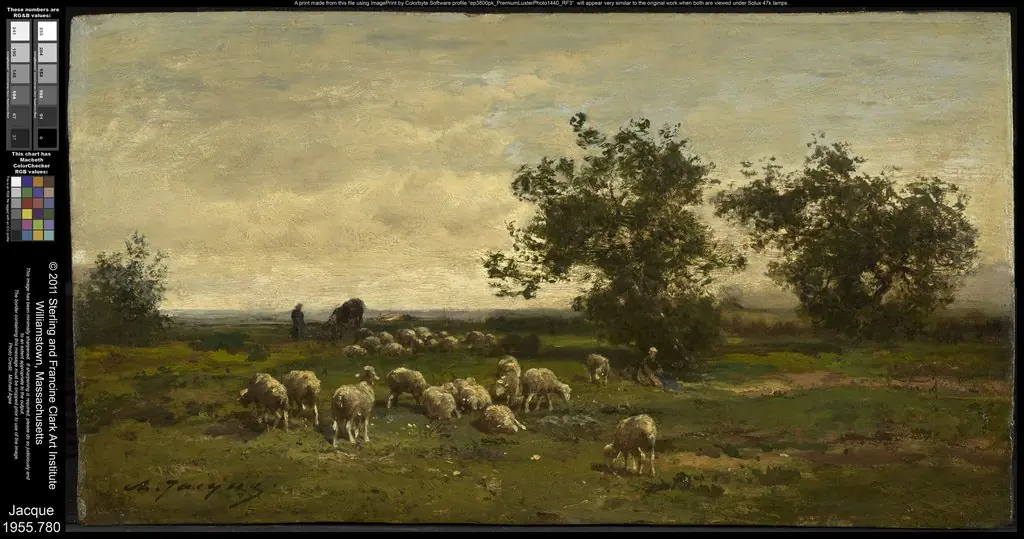
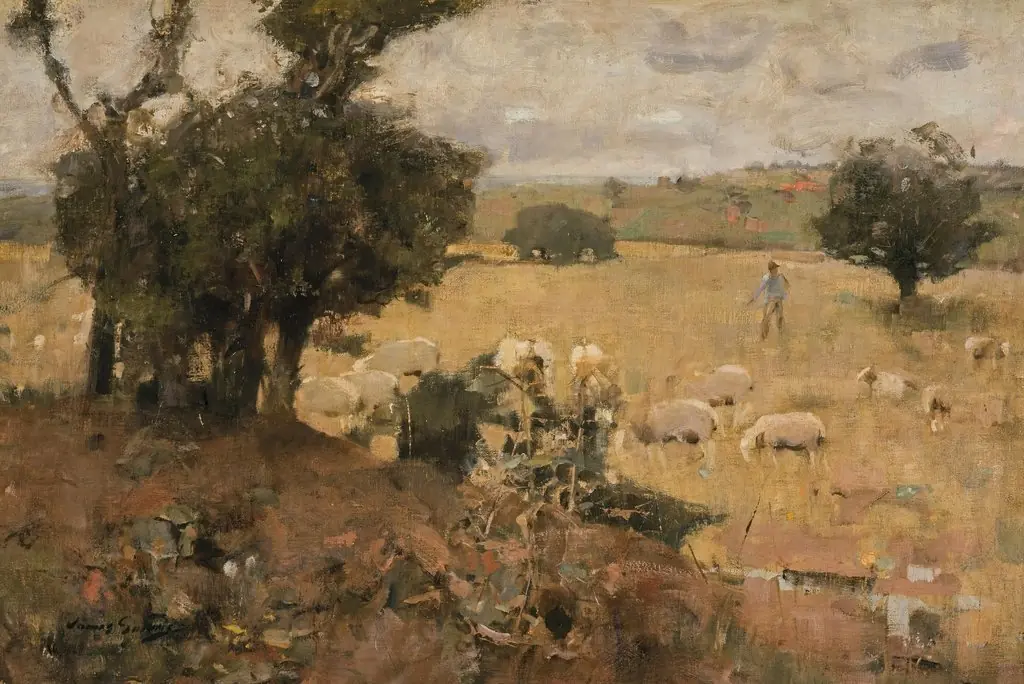
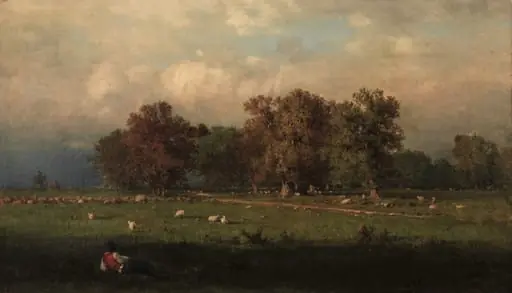
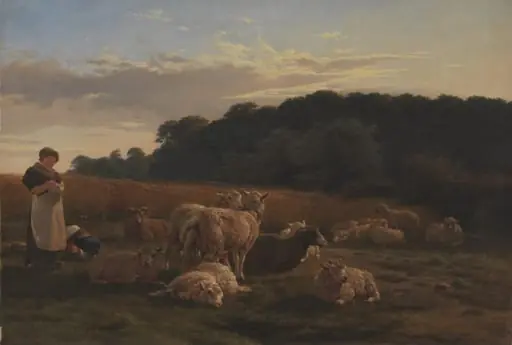
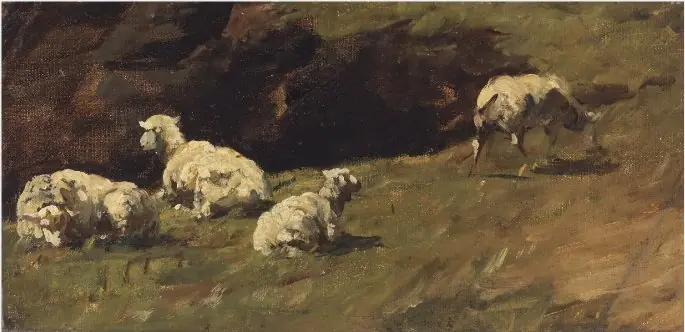
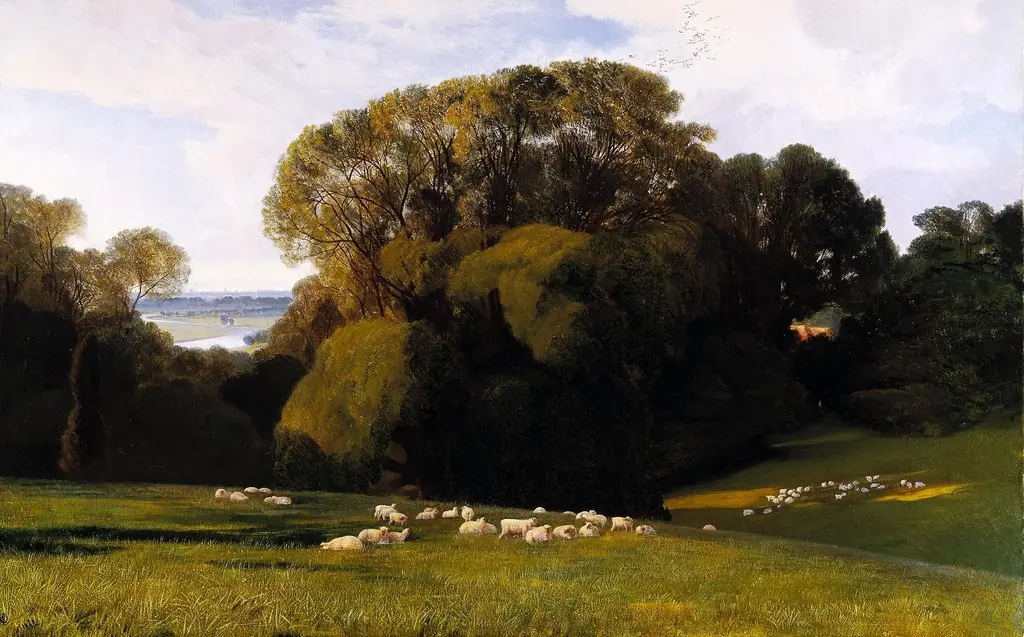
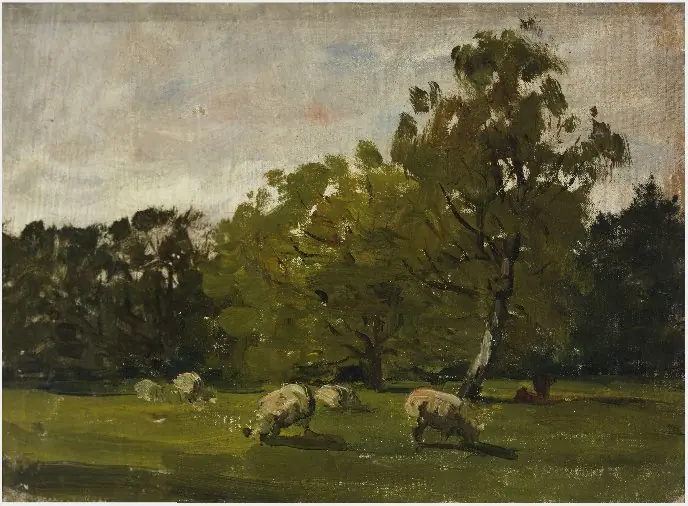
The composition depicts a pastoral scene where a flock of sheep rests on a grassy meadow beside a narrow stream. A solitary tree rises near the water’s edge, while additional sheep graze farther back. The sky is rendered in pale tones, suggesting a calm, unhurried afternoon in the countryside.
Technique & Style
Homer employs loose, rapid brushwork that gives the image a sketch‑like immediacy. The palette is restrained, dominated by muted greens, yellows, and earth tones, with a touch of blue for the sky. The combination of watercolor, gouache, and graphite allows for both translucent washes and defined line work, enhancing the sense of atmosphere.
History & Provenance
Warm Afternoon was produced during Homer’s early mature period, shortly after his return from Europe and before his extensive marine subjects. The piece remains part of the artist’s lesser‑known water‑color oeuvre, and its current ownership resides in a public collection that acquired it through a mid‑20th‑century donation.
Own this work as a print
Artist & collection
Artist
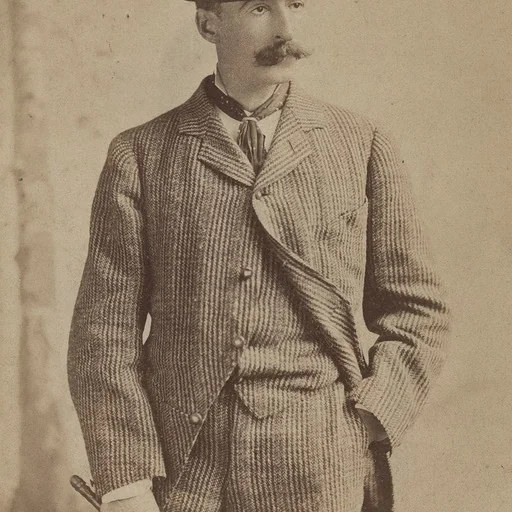
Winslow Homer (February 24, 1836 – September 29, 1910) was an American landscape painter and illustrator, best known for his marine subjects.