Artwork
Zouave
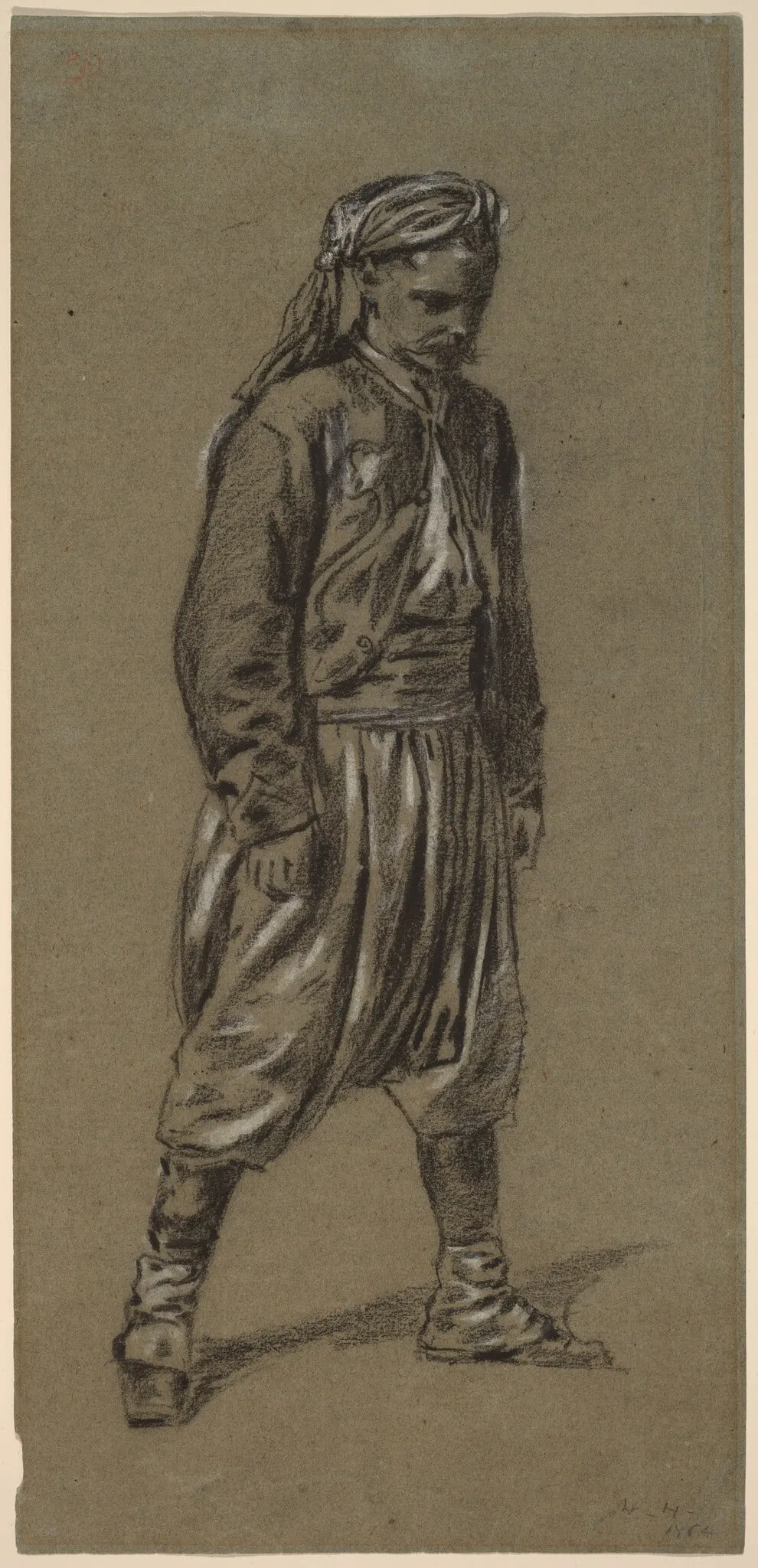
Zouave is a chalk drawing by the Impressionist artist Winslow Homer. It dates from 1864 and is held in the collection of the National Gallery of Art.
About this work
Overview
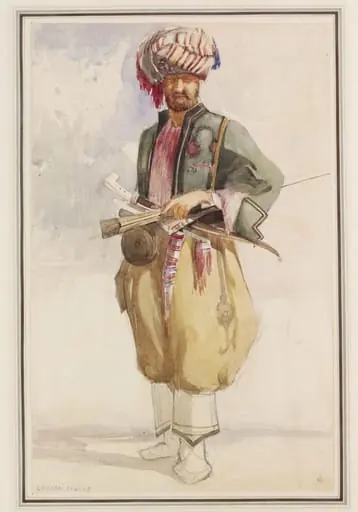
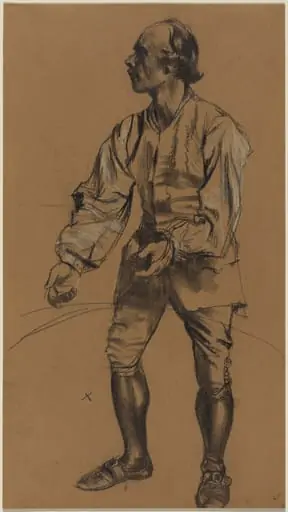
Created in 1864, this drawing by Winslow Homer depicts a Zouave soldier rendered in black and white chalk on olive-green wove paper.
Created in 1864, this drawing by Winslow Homer depicts a Zouave soldier rendered in black and white chalk on olive-green wove paper. The medium and support suggest a quick, observational study, likely made during Homer’s time as a freelance illustrator for Harper’s Weekly, covering the American Civil War. The choice of colored paper adds subtle tonal contrast, enhancing the figure’s presence without full color.
Subject & Meaning
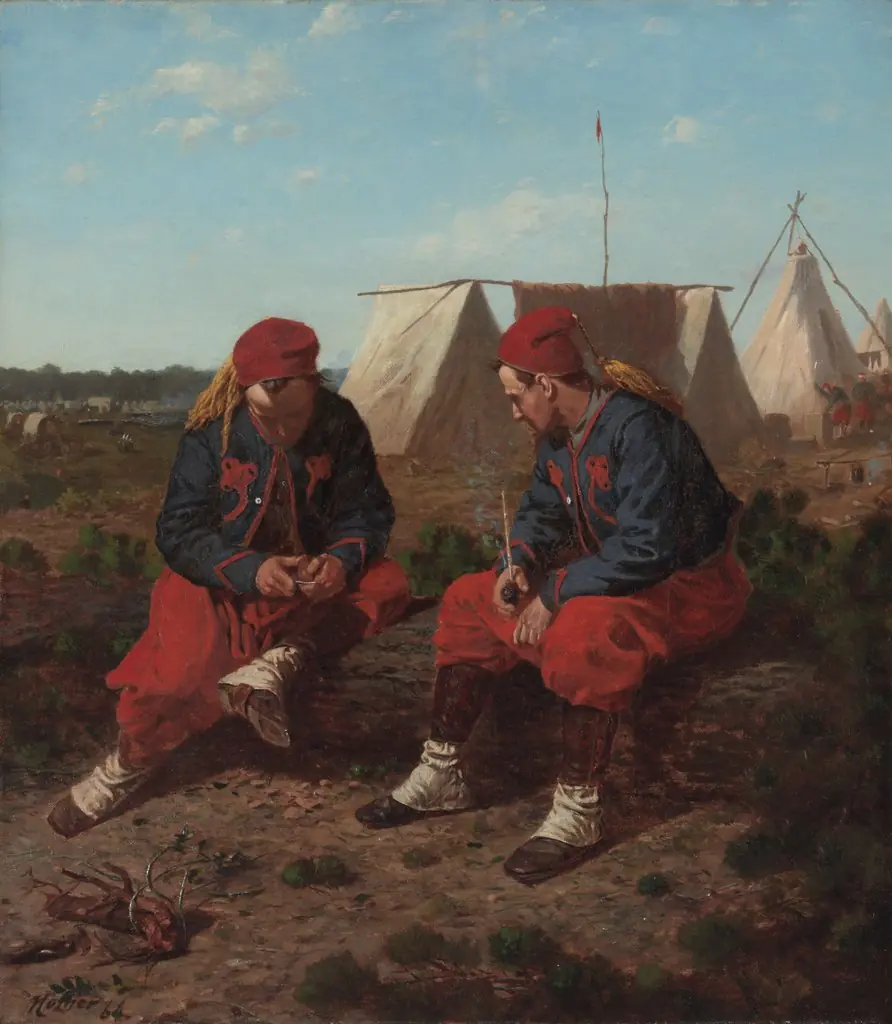
The subject is a Zouave, a soldier from a French-inspired infantry unit known for their colorful, elaborate uniforms. By isolating the figure in a neutral setting, Homer emphasizes the soldier’s distinctive attire and posture, inviting quiet reflection on identity and military role. The drawing avoids heroism or drama, instead capturing a moment of stillness amid wartime chaos.
Technique & Style
Homer used contrasting chalk tones—dark for shadows and contours, light for highlights—against the olive-green paper to model form with minimal strokes. The lines are economical yet precise, suggesting volume and texture without overworking the surface. The paper’s muted hue unifies the composition and grounds the figure, reinforcing the drawing’s intimate, documentary character.
History & Provenance
The drawing was made during Homer’s fieldwork for Harper’s Weekly in 1864, when he accompanied Union troops. It likely served as a preparatory study for later illustrations or as a personal record. The work remained in private hands until acquired by the Metropolitan Museum of Art in 1974, where it is now held as part of the museum’s collection of American drawings.
Context
Zouaves were widely recognized in the American press during the Civil War, symbolizing both exoticism and martial vigor. Though most Union Zouaves had abandoned their flamboyant uniforms by 1864, their image persisted in popular imagination. Homer’s focus on the figure’s attire reflects public fascination, even as the war’s realities grew grimmer and more mundane.
Legacy
This drawing exemplifies Homer’s early commitment to observational realism and his ability to convey character through restraint. It stands as a quiet counterpoint to grand battle scenes, offering insight into how soldiers were perceived—not as symbols, but as individuals. Its preservation highlights the value placed on wartime sketches as historical documents.
Artist & collection
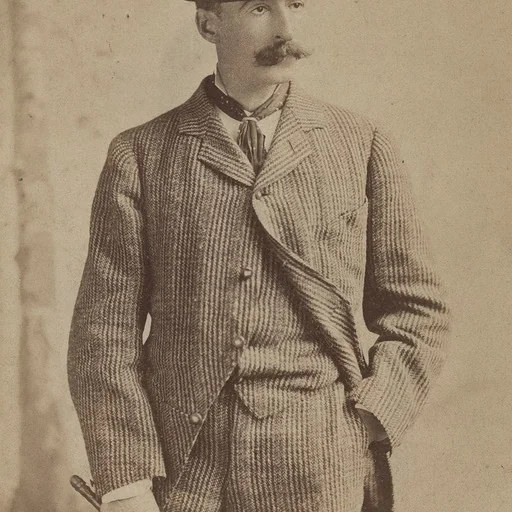
Artist
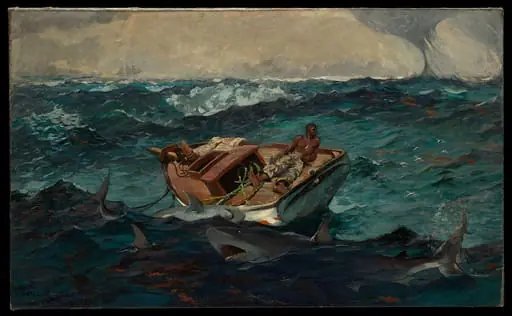
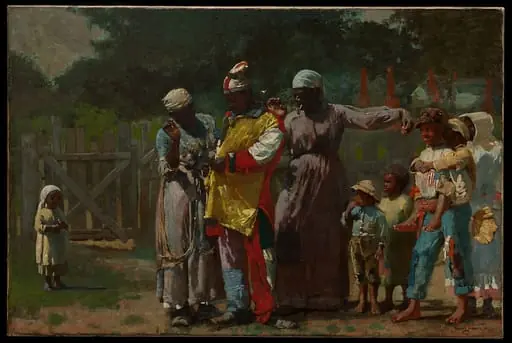
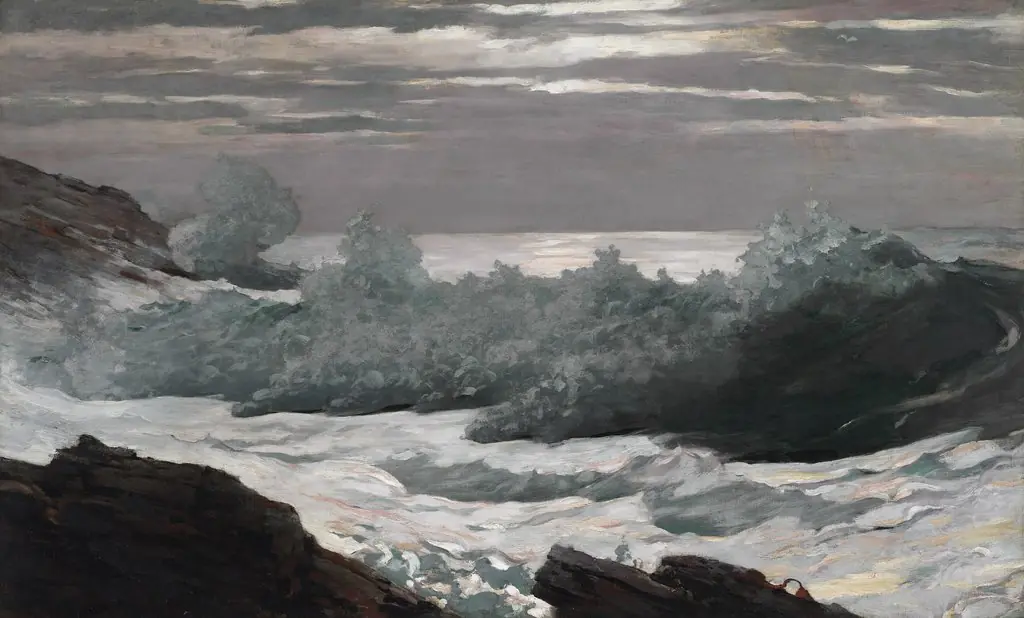
Winslow Homer (February 24, 1836 – September 29, 1910) was an American landscape painter and illustrator, best known for his marine subjects.

![Figure of a Man [recto], by Ventura Salimbeni](https://artifactworldgallery.com/img/ventura-salimbeni--figure-of-a-man-recto--31a0299707350915-w320.webp)