Artwork
Mahmoud - Athens -
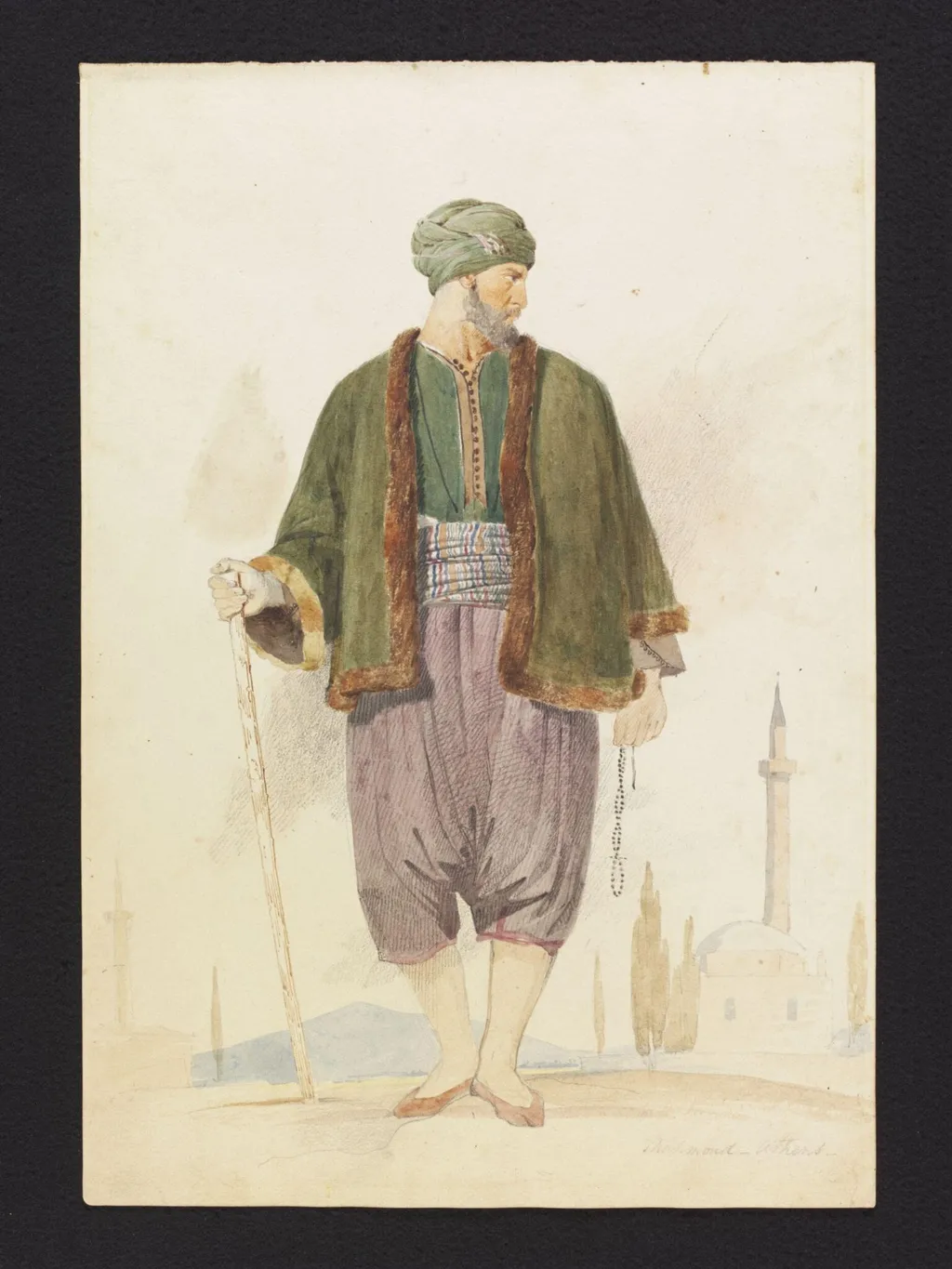
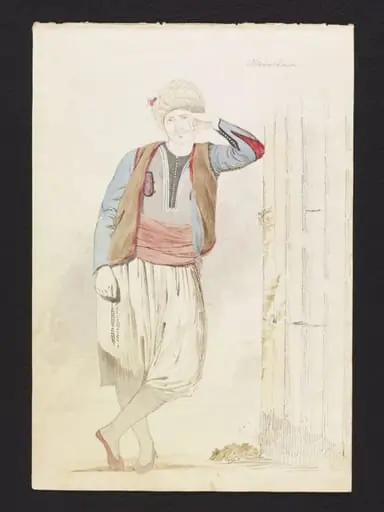
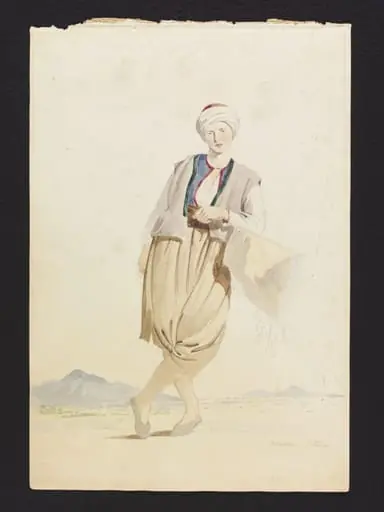
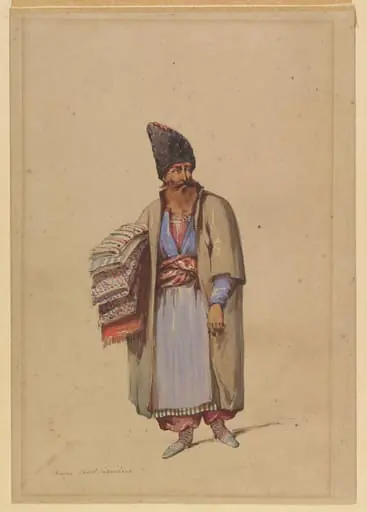
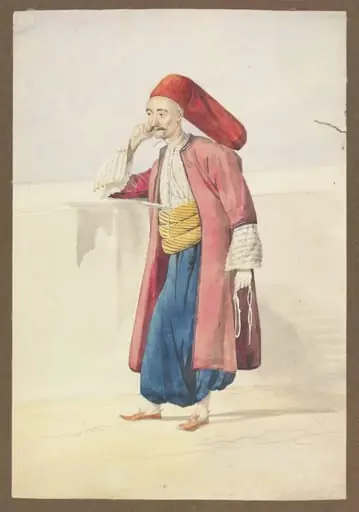
Mahmoud - Athens - is a watercolor work on paper by the British Romanticist artist Charles Lock Eastlake. It dates from 1818 and is held in the collection of the Victoria and Albert Museum.
About this work
Overview
Sir Charles Lock Eastlake created this watercolour during a three-month stay in Athens in 1818, part of a broader journey through the Eastern Mediterranean.
Sir Charles Lock Eastlake created this watercolour during a three-month stay in Athens in 1818, part of a broader journey through the Eastern Mediterranean. The work is one of many sketches made before his companions continued to Constantinople. It reflects his practice of documenting urban life and architecture through delicate washes, capturing fleeting moments with quiet observation rather than dramatic flourish.
Subject & Meaning
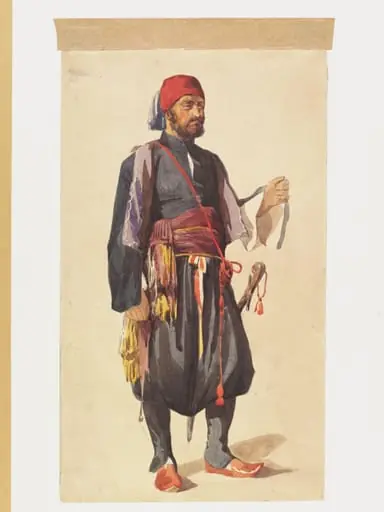
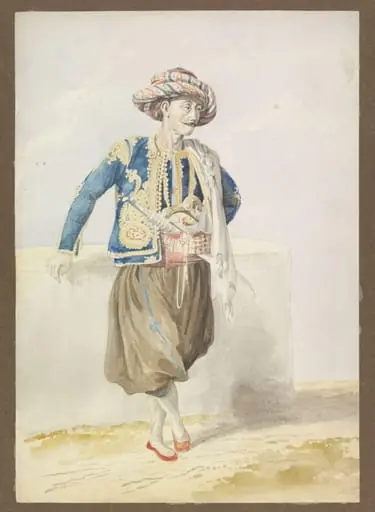
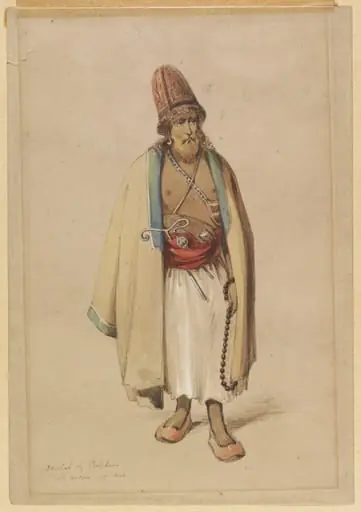
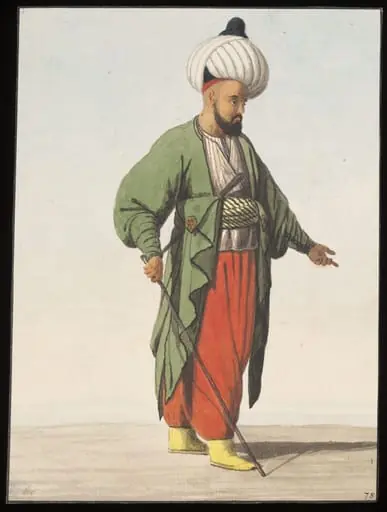
The figure, identified as Mahmoud, stands before a distant cityscape featuring a mosque and clustered buildings. His attire—a green fur-trimmed jacket and turban—suggests regional dress, possibly local or Ottoman-influenced. The cane and rosary imply a figure of some status or piety, though the painting avoids narrative specificity. Eastlake presents him as a solitary presence within the urban landscape, emphasizing atmosphere over storytelling.
Technique & Style
Eastlake employed transparent watercolour washes to build soft tonal gradations, avoiding sharp outlines in favor of atmospheric blending. The background architecture is rendered with loose, suggestive strokes, while the figure is more defined, creating a subtle focal contrast. This approach aligns with early 19th-century travel sketching traditions, prioritizing immediacy and light effects over detailed precision.
History & Provenance
The drawing remained in Eastlake’s personal collection until after his death. It was later included in a group of his Athenian sketches sold at Sotheby’s in June 1970, fetching £50 collectively. Its provenance traces back to the artist’s own travels and private archive, reflecting its status as a documentary sketch rather than a commissioned work.
Context
Eastlake’s journey to Athens occurred during a period of renewed European interest in classical and Ottoman-era sites. His sketches were not intended for public exhibition but served as personal records of places and people encountered on the Grand Tour. These works contributed to a broader visual archive of the Eastern Mediterranean, shaped by Romantic-era curiosity rather than ethnographic rigor.
Legacy
Though not widely exhibited, Eastlake’s Athenian watercolours, including this one, remain valuable as primary visual records of early 19th-century urban life in Greece. They illustrate the role of British artists in documenting foreign landscapes during a time of shifting political and cultural perceptions, offering quiet insight into cross-cultural encounters beyond grand historical narratives.
Artist & collection
Artist
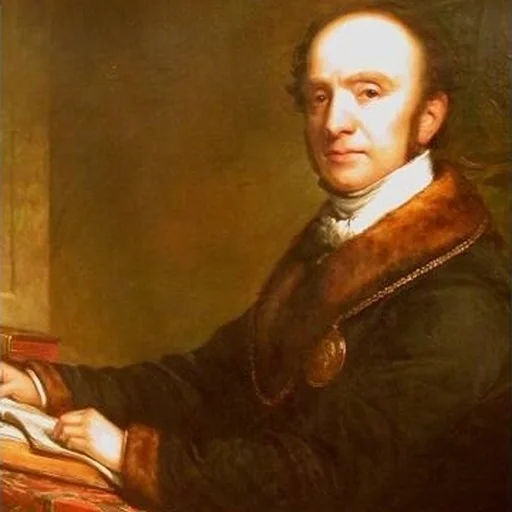
Sir Charles Lock Eastlake (17 November 1793 – 24 December 1865) was a British painter, gallery director, collector and writer of the 19th century.