Artwork
Tête de Don Quichotte
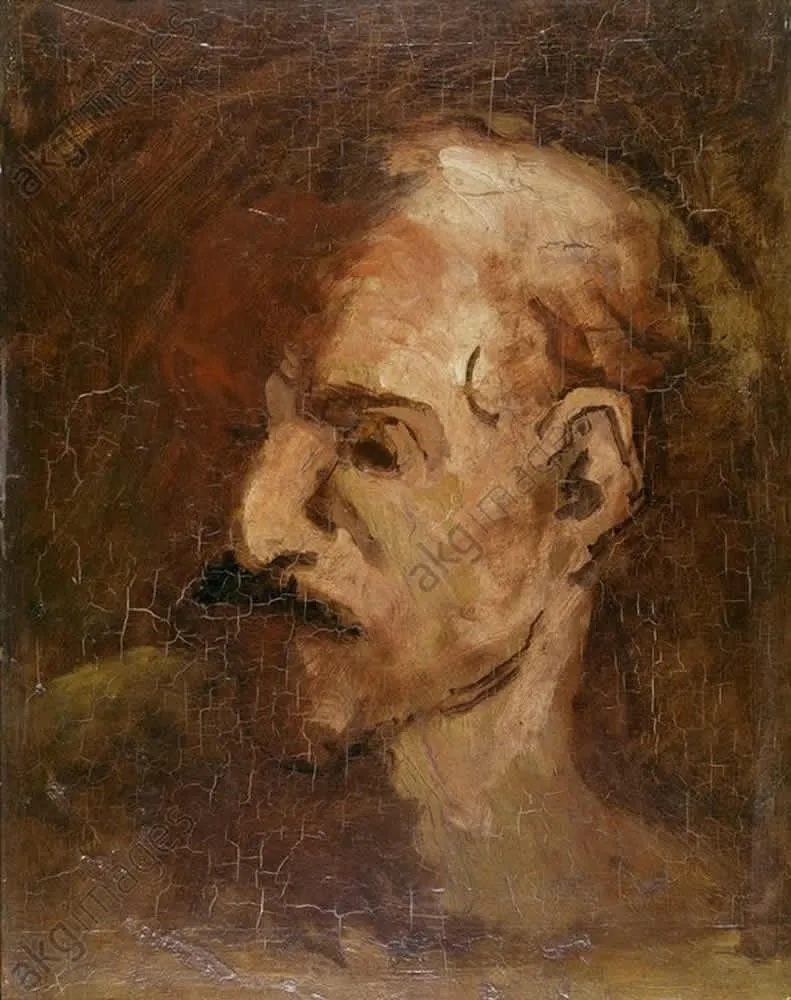
Tête de Don Quichotte is an oil painting by the Realist artist Honoré Daumier. It dates from 1866 and is held in the collection of the Kunsthaus Zürich.
About this work
Overview
Honoré Daumée’s oil on canvas titled *Tête de Don Quichotte* was executed in 1866 and is presently part of the collection of the Kunsthaus Zürich. The work presents a half‑length portrait of a male figure, rendered with a restrained palette and a focus on the play of light and shadow across his features.
Subject & Meaning
The sitter is shown from the shoulders upward, turned toward the left, his expression neutral and his facial traits softened into a slightly blurred likeness. A pronounced nose and a modest moustache hint at a character that may allude to the literary Don Quixote, inviting contemplation of identity and imagination rather than narrative drama.
Technique & Style
Daumier employs chiaroscuro to model the face, allowing the illuminated planes to emerge from a dark, muted background. The brushwork is loose and expressive; visible strokes create texture on both the flesh and the surrounding space, imparting a sense of immediacy and spontaneity while still maintaining a coherent volumetric form.
History & Provenance
Created in the mid‑1860s, the painting entered the holdings of the Kunsthaus Zürich, where it has been displayed as part of the museum’s representation of 19th‑century French art. Its acquisition reflects the institution’s interest in Daumier’s oeuvre beyond his more widely known caricatures, emphasizing his capacity for serious portraiture.
Artist & collection
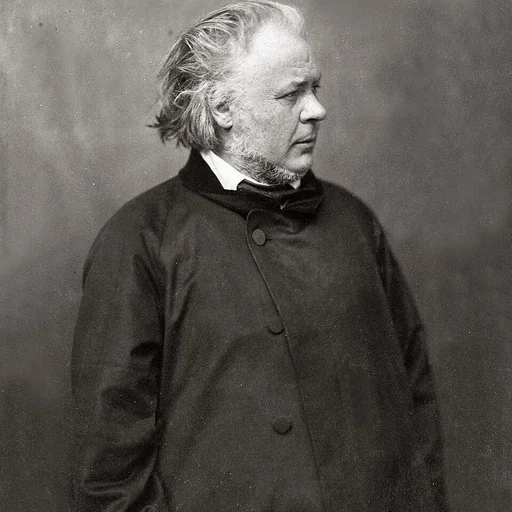
Artist
Honoré-Victorin Daumier was a French painter, sculptor, and printmaker, whose many works offer commentary on the social and political life in France, from the Revolution of 1830 to the fall of the Second French Empire in 1870.


 Three Paintings of a Muleteer (3)
 Studiekop van een blinde man
 Din război
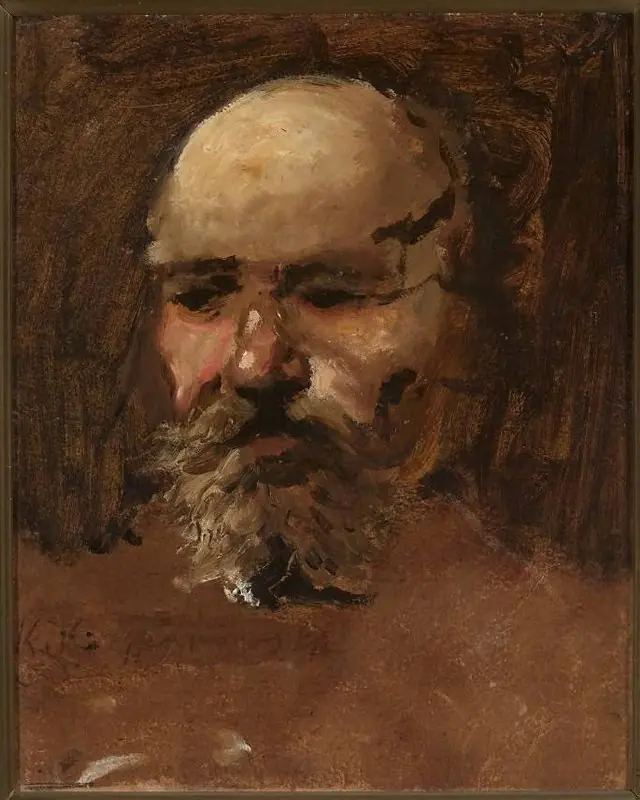 Portrait of Kazimierz Stabrowski
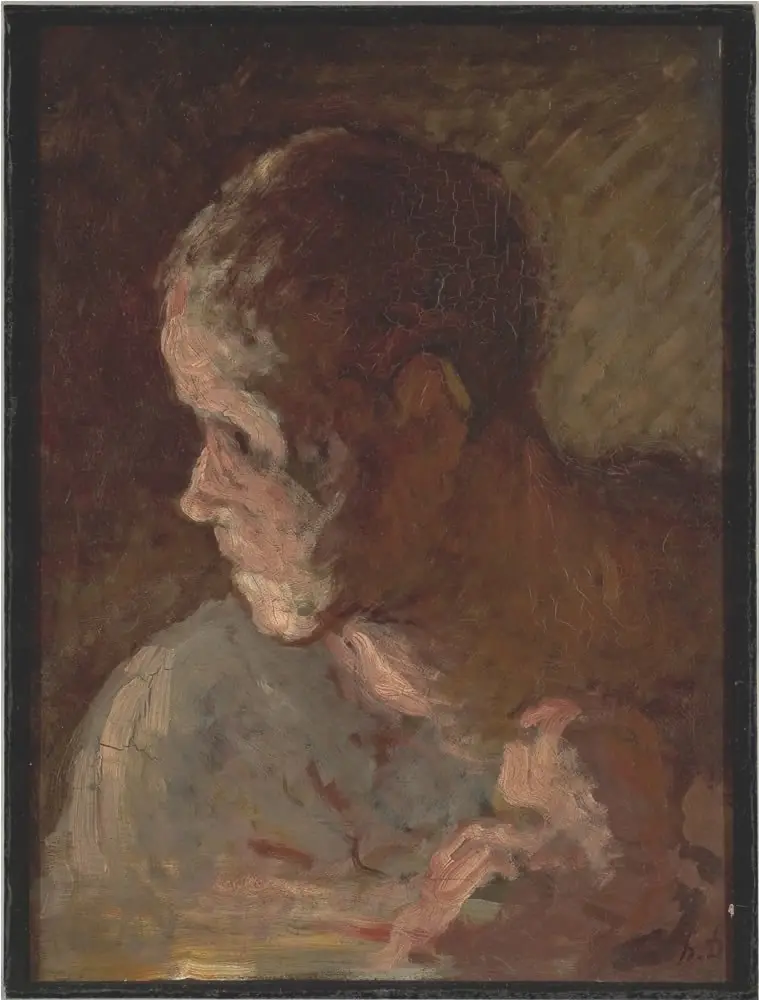 Tête de sonneur
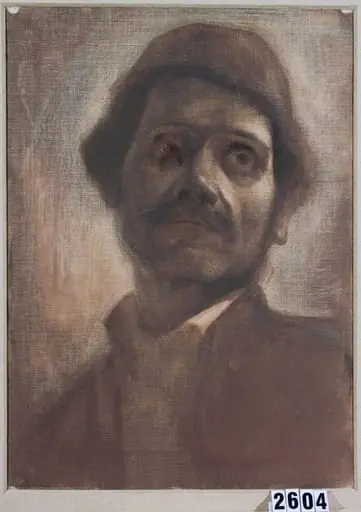 Portret de muncitor
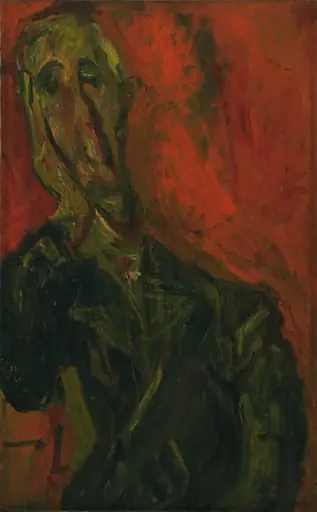 Untitled
 Țăran din Carrara. Pandant: Bătrân din Ciociara (în registrul inventar: Un bătrân)
 Portret de țăran
 Male Figure (Academy, Nude Study)
 Portret (Timpanistul Filarmonicii, Ion Botez)
 Lion et Crocodile