Artwork
James Nares
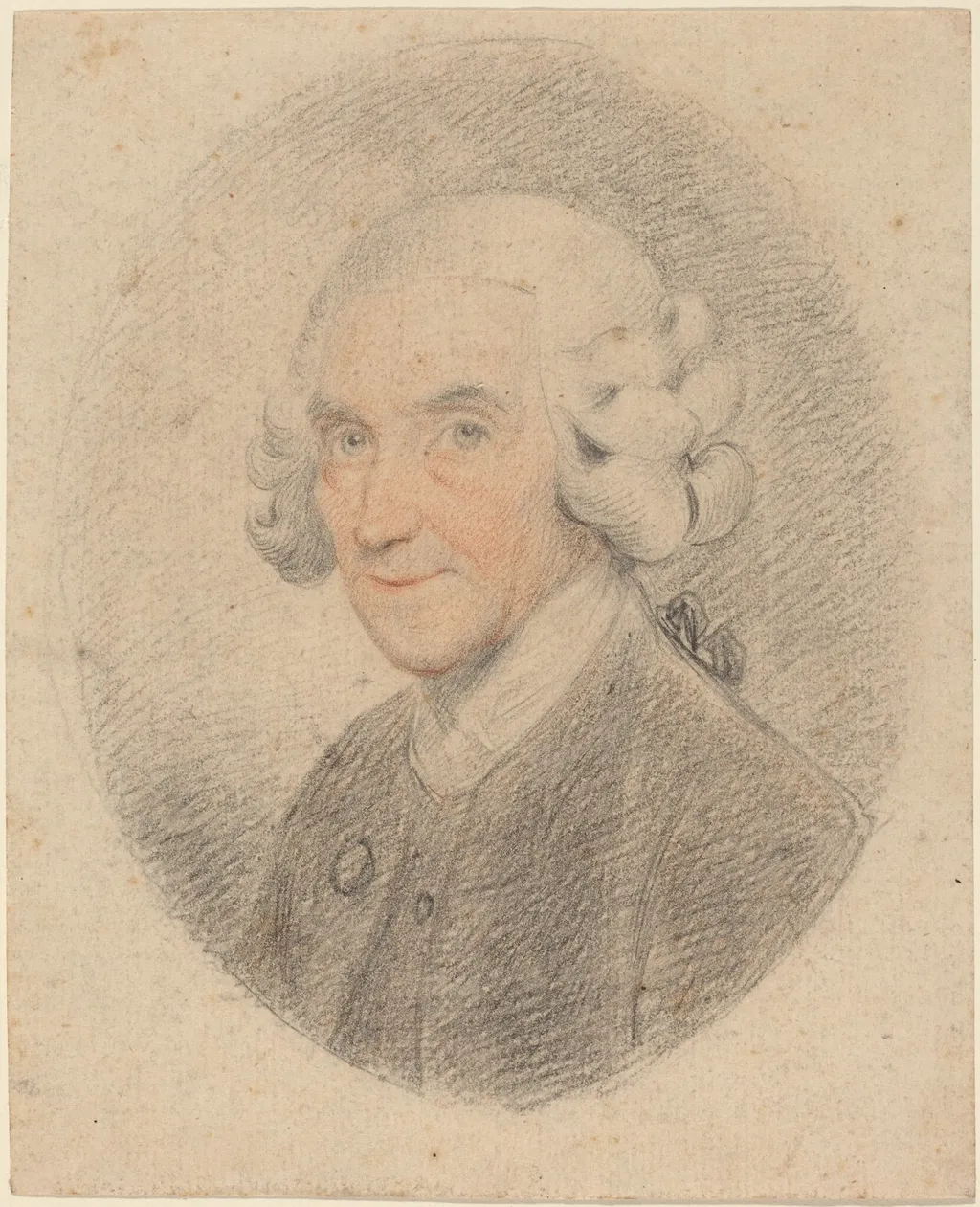
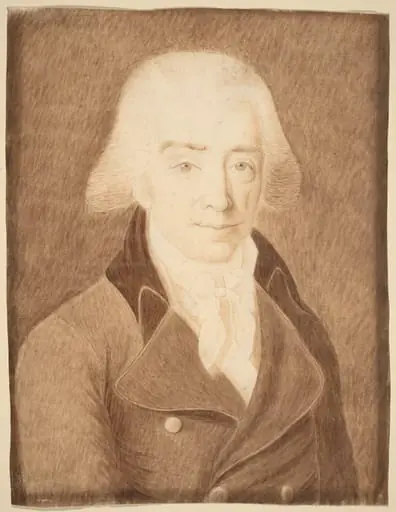
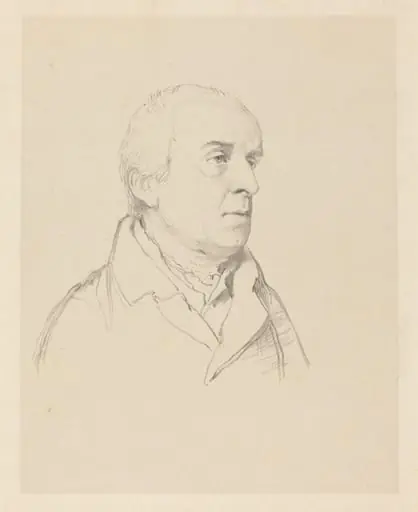
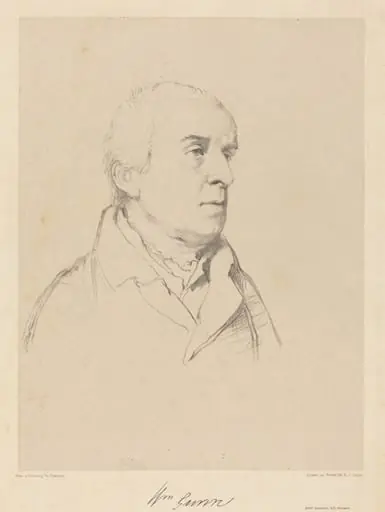
James Nares is a graphite drawing by the Romanticist artist John Hoppner. It dates from 1775 and is held in the collection of the National Gallery of Art.
About this work
Overview
John Hoppner’s portrait of James Nares, executed around 1775, is a drawing in graphite, black and red chalk on laid paper. The work belongs to Hoppner’s early career, a period when he was establishing his reputation within English portraiture. It captures Nares, a figure associated with the cultural circles of late‑eighteenth‑century Britain, in a brief, informal study.
Subject & Meaning
The sitter is rendered with curly hair and an expression that suggests a momentary surprise. He wears a dark, high‑collared jacket and a white cravat, attire typical of a gentleman of the period. The informal pose and fleeting expression hint at a personal acquaintance rather than a formal commission, offering a glimpse into the social networks of the time.
Technique & Style
Hoppner employs swift, light strokes that give the drawing a sketch‑like quality. Graphite defines the overall form, while black and red chalk provide soft shading on the face and clothing. The laid paper’s textured surface enhances the muted tonal range, and the loose handling of medium reflects the artist’s training under Joshua Reynolds and his emerging interest in colour.
History & Provenance
Created during Hoppner’s formative years, the drawing illustrates his transition from Reynolds’s studio to an independent practice. It later entered a private collection before being acquired by the museum, where it serves as an example of Hoppner’s early portraiture and his development into a noted colourist.
Artist & collection

Artist
John Hoppner (4 April 1758 – 23 January 1810) was an English painter, much influenced by Joshua Reynolds, who achieved fame as a colourist.

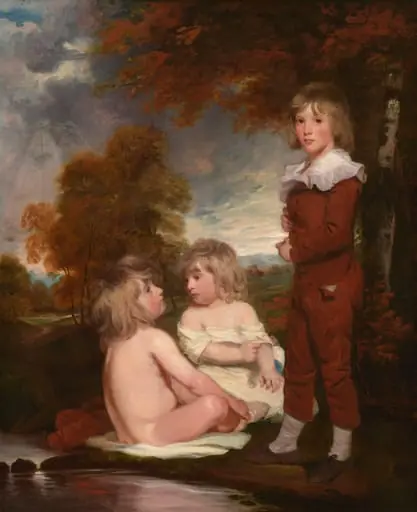 The Hoppner Children
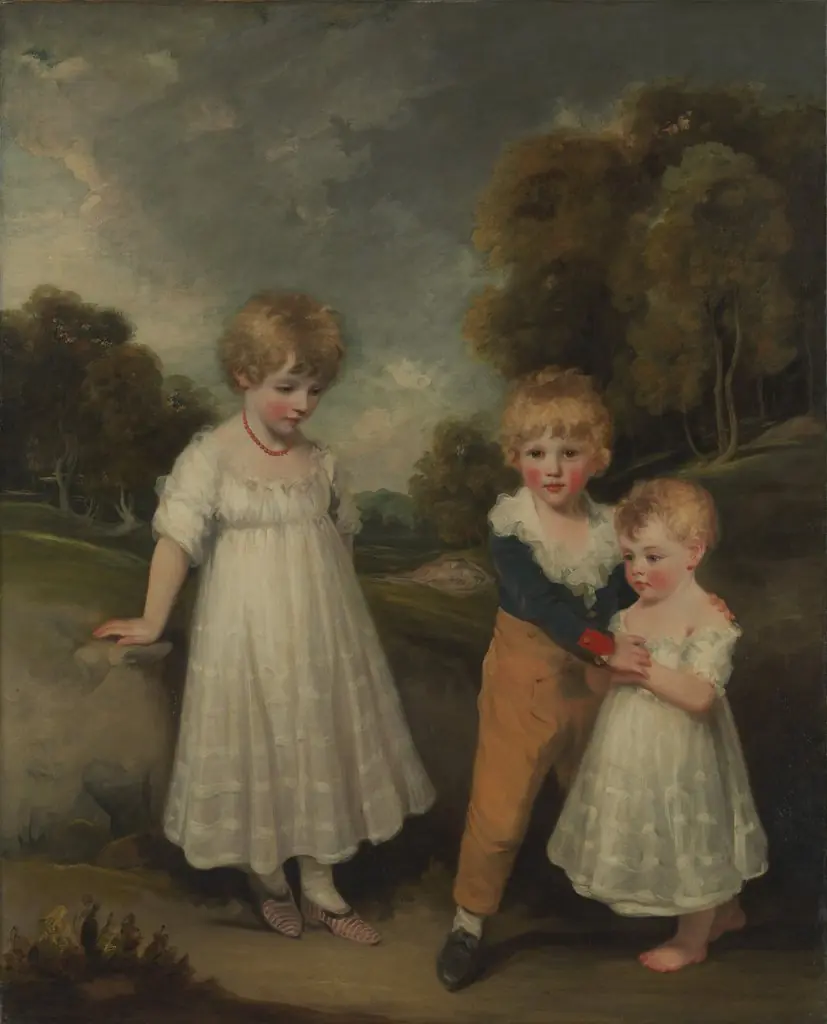 The Sackville Children
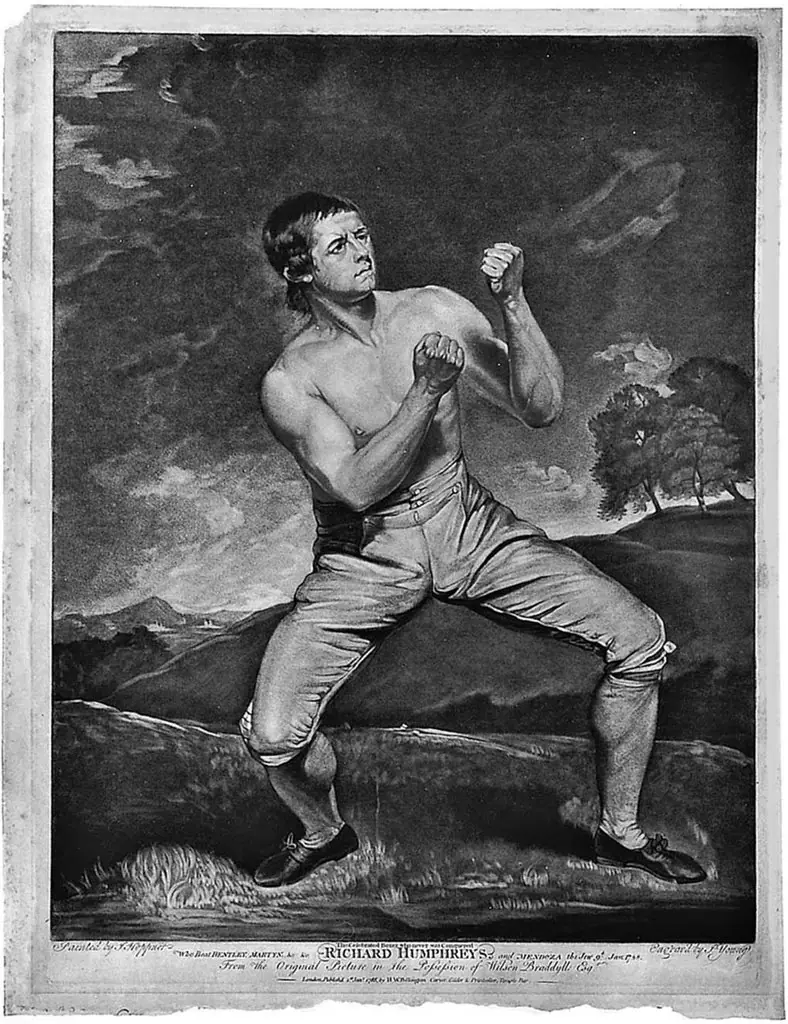 Richard Humphreys, the Boxer
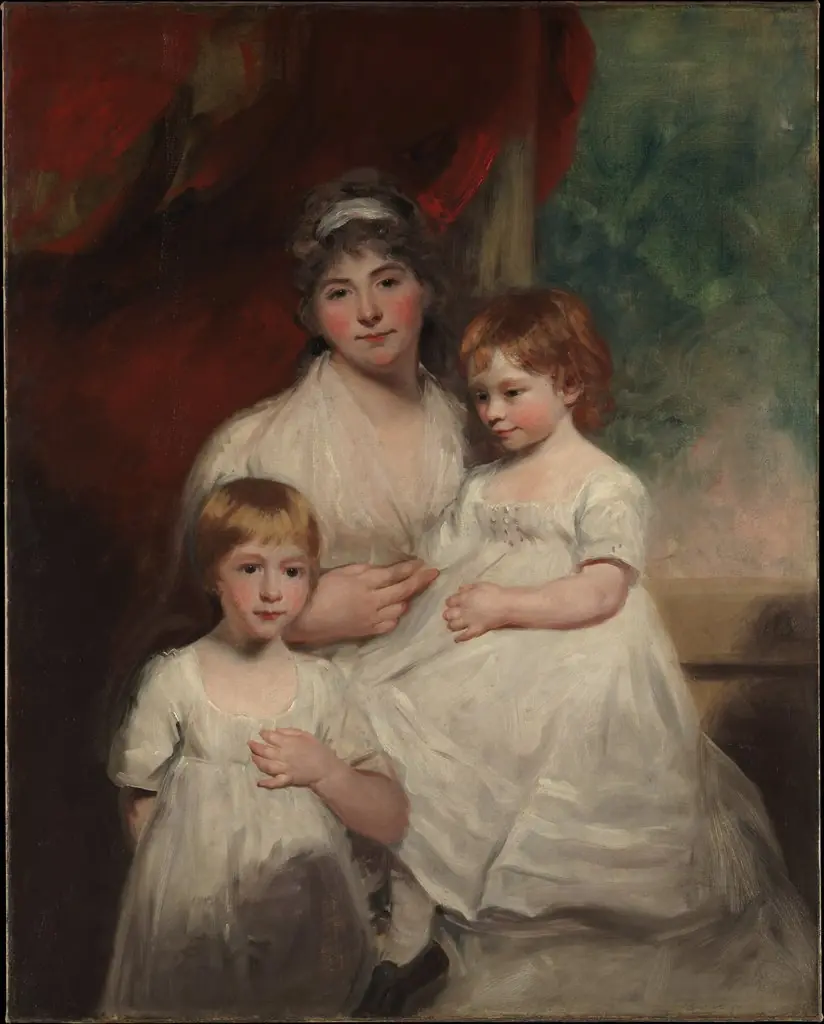 Mrs. John Garden (Ann Garden, 1769–1842) and Her Children, John (1796–1854) and Ann Margaret (born 1793)
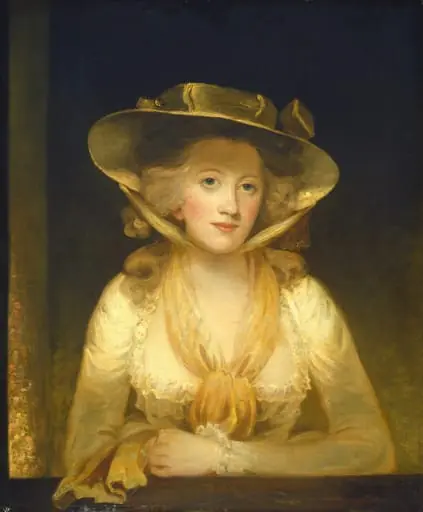 Lady Cunliffe
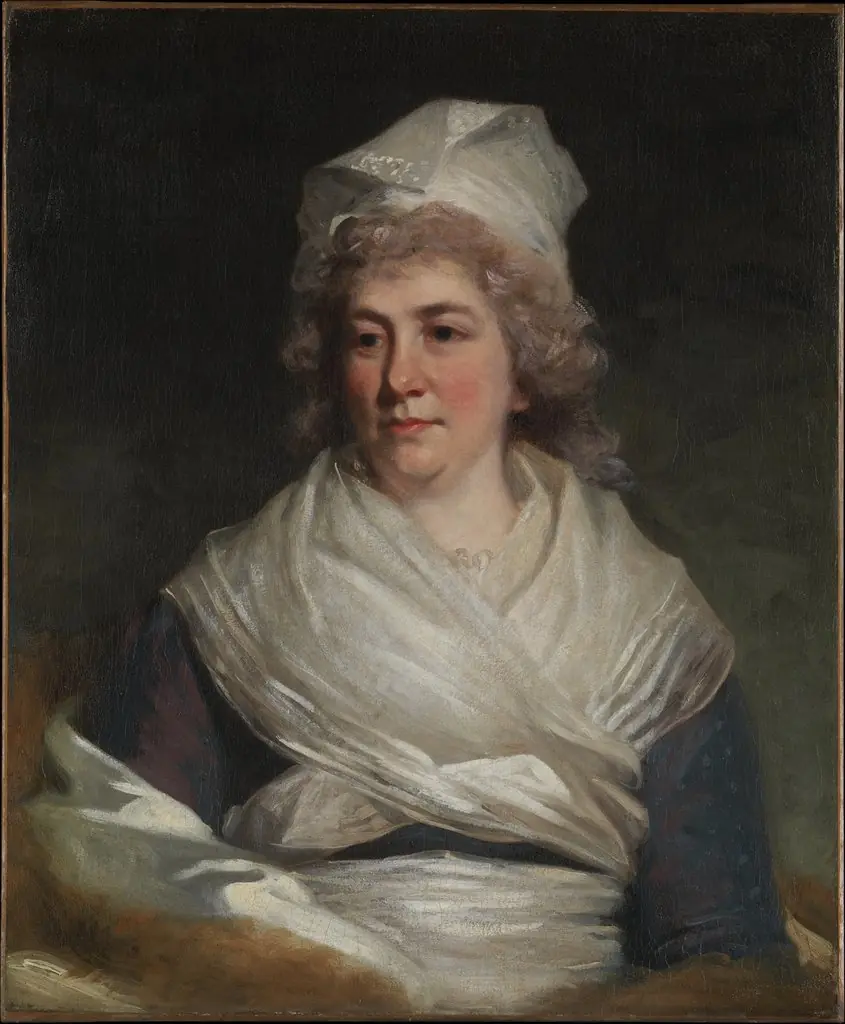 Mrs. Richard Bache (Sarah Franklin, 1743–1808)
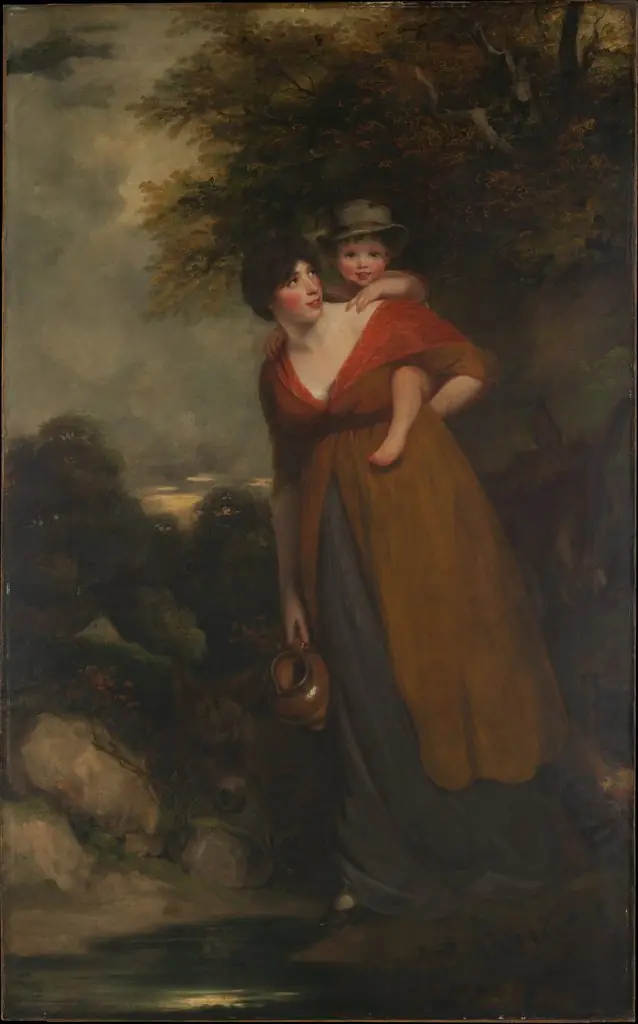 Mrs. Richard Brinsley Sheridan (Hester Jane Ogle, 1775/76–1817) and Her Son (Charles Brinsley Sheridan, 1796–1843)
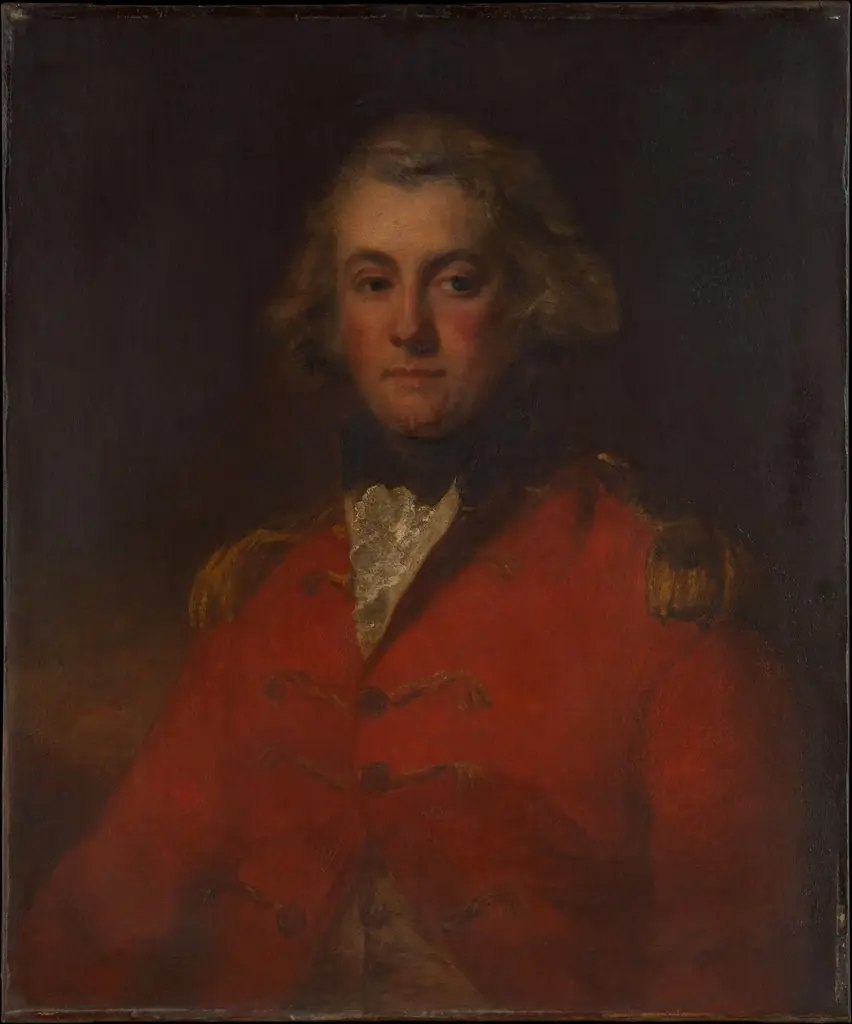 Major Thomas Pechell (1753–1826)