Artwork
William Armstrong
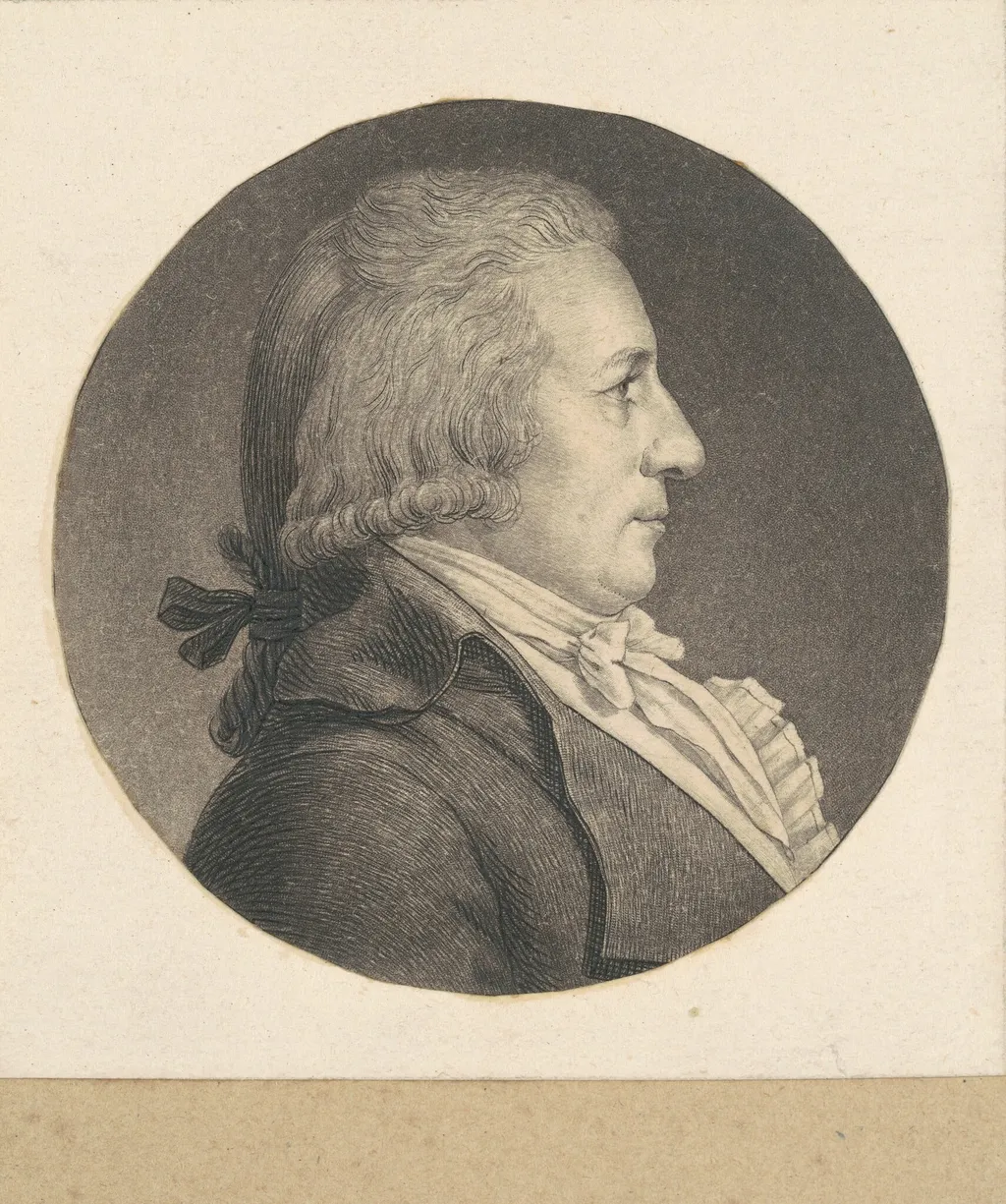
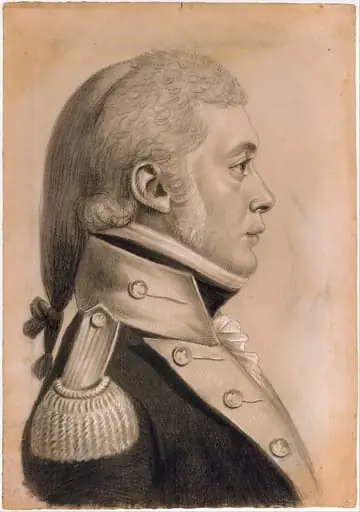
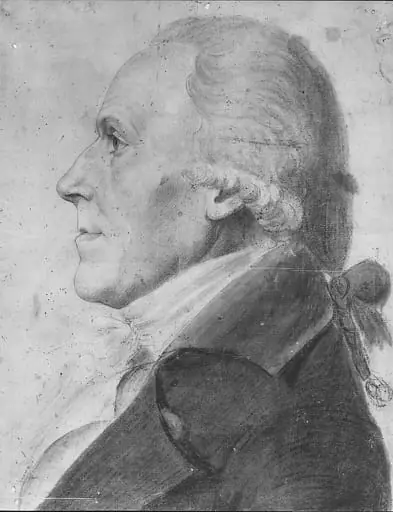
William Armstrong is an ink print by the Romanticist artist Charles Balthazar Julien Févret de Saint-Mémin. It dates from 1797 and is held in the collection of the National Gallery of Art. Charles B.
About this work
Overview
Févret de Saint‑Ménin’s print presents a solitary profile of William Armstrong rendered in black ink on wove paper, later affixed to a brown‑toned backing.
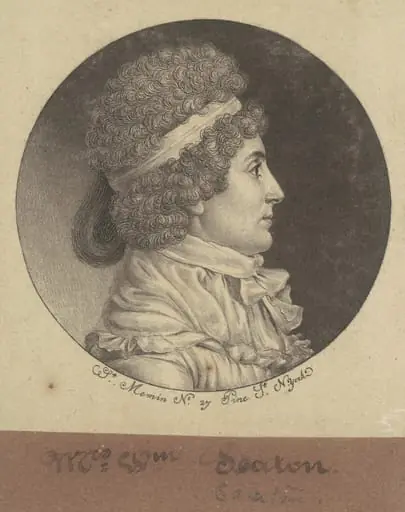
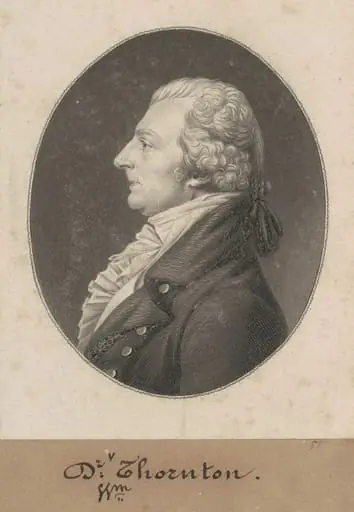
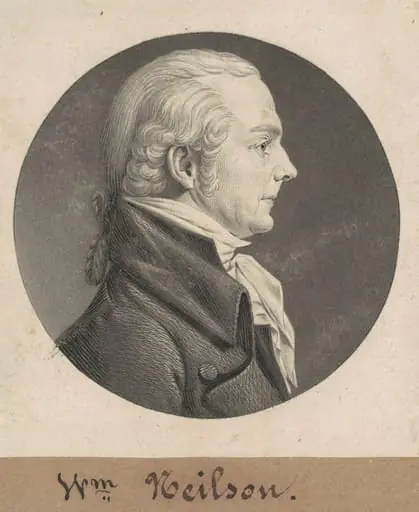
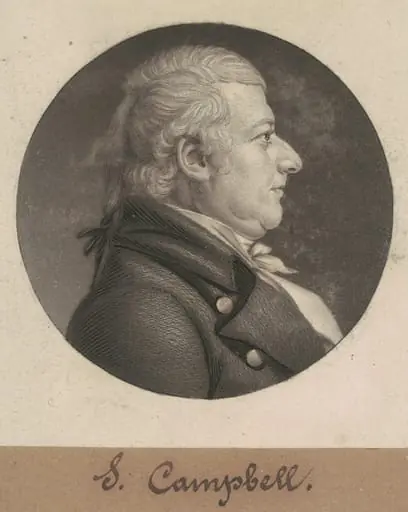
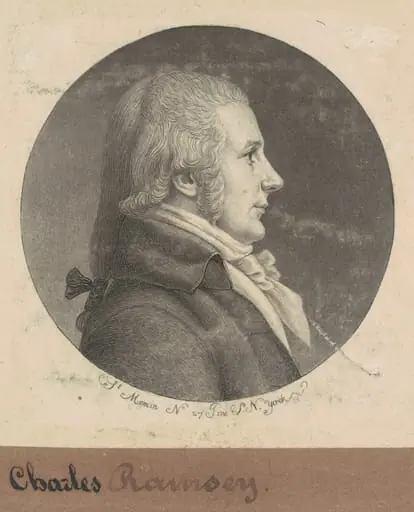
Charles B. J. Févret de Saint‑Ménin’s print presents a solitary profile of William Armstrong rendered in black ink on wove paper, later affixed to a brown‑toned backing. The image is executed as a combined mezzotint and engraving, allowing a nuanced gradation of tones that model the sitter’s facial features with considerable subtlety. It belongs to the Corcoran Collection, where it is catalogued as a representative example of early American portrait printmaking.
Technique & Style
The work merges two printmaking processes: mezzotint, which creates a rich, velvety tonal field through a roughened plate, and engraving, which adds crisp linear detail by incising fine lines. This hybrid approach enables the artist to render delicate shading across the cheek and forehead while preserving the sharpness of the eye, nose, and mouth. The choice of black ink on white wove paper, mounted on brown paper, heightens contrast and emphasizes the three‑dimensional illusion of the portrait.
Subject & Meaning
William Armstrong is depicted in strict profile, a convention common in 18th‑century portraiture that conveys dignity and formality. The isolated composition, devoid of background or ornamentation, directs attention to the sitter’s physiognomy, suggesting an emphasis on personal identity and status. The meticulous rendering of facial lines underscores the artist’s intent to capture both likeness and character through precise observation.
History & Provenance
Created by the French‑American artist Charles B. J. Févret de Saint‑Ménin, the print entered the Corcoran Collection, a major repository of American art. Its inclusion reflects the museum’s interest in documenting early print media and the transatlantic exchange of artistic techniques during the period. The work remains in the collection as a documented example of mezzotint‑engraving practice in the United States.
Artist & collection

Artist
Charles Balthazar Julien Févret de Saint-Mémin
Charles Balthazar Julien Févret de Saint-Mémin (French pronunciation: ; 1770–1852) was a French portrait painter and museum director.