Artwork
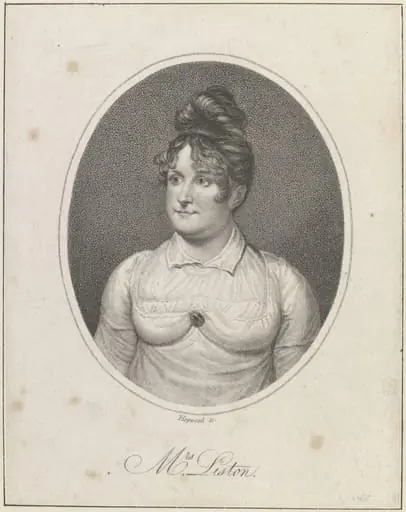
Mrs Liston
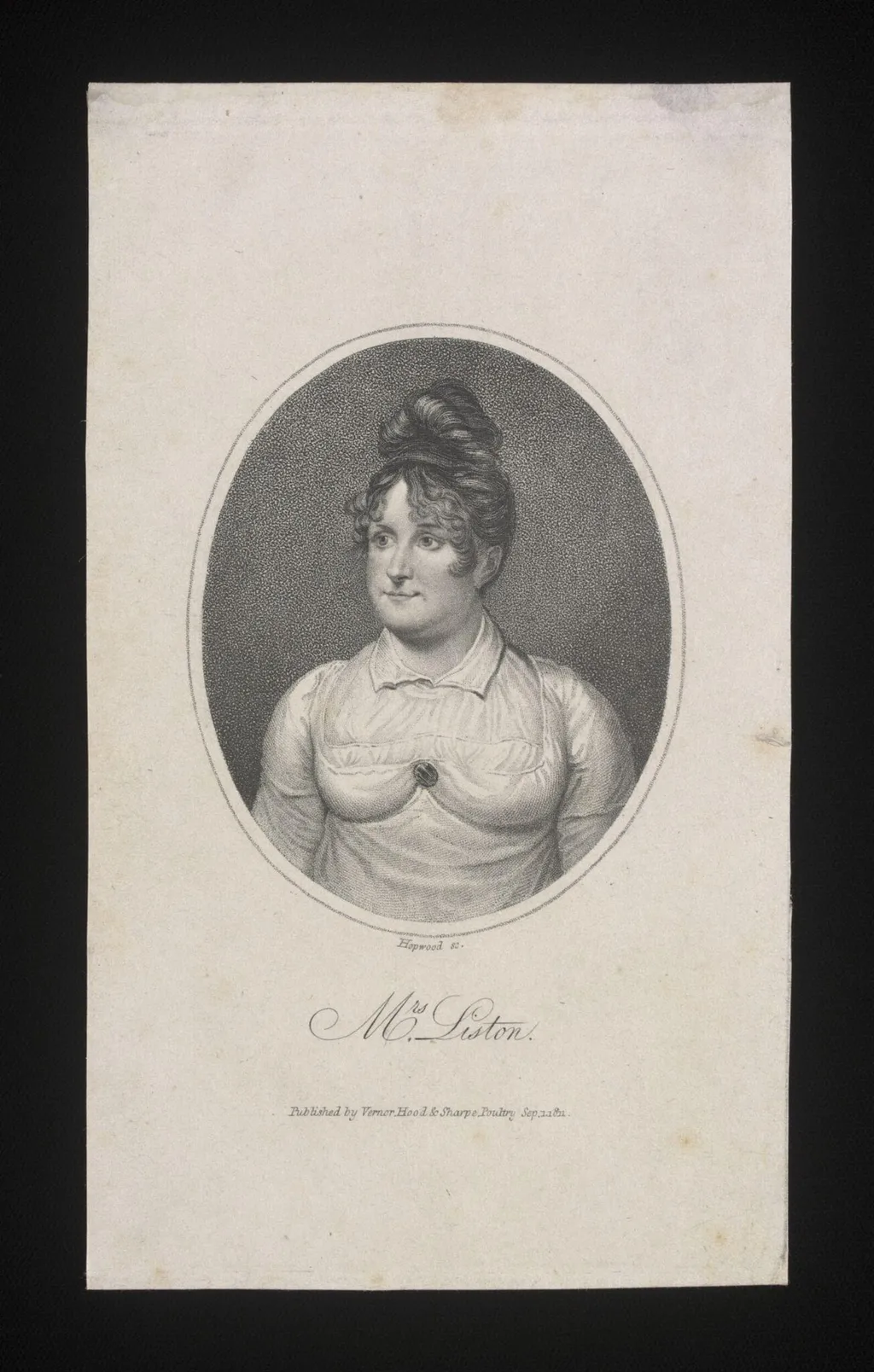
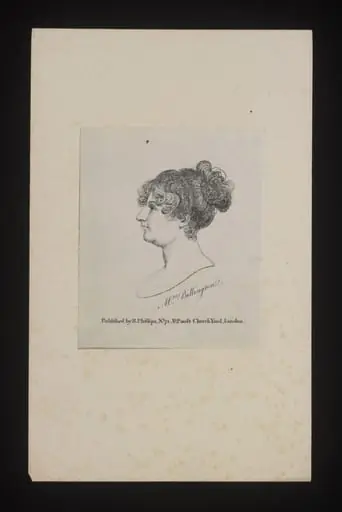
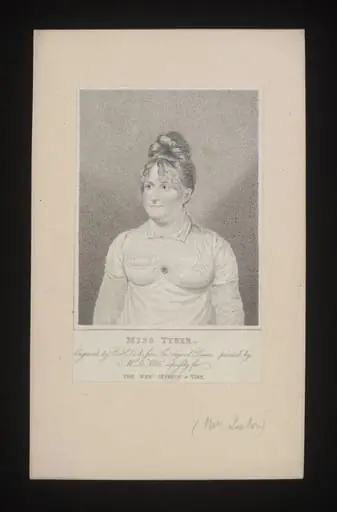
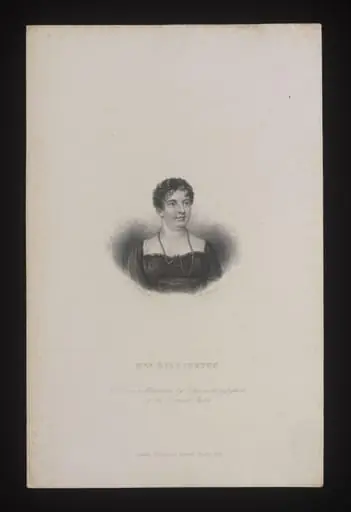
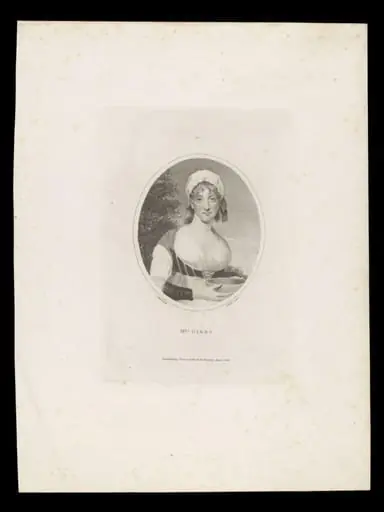
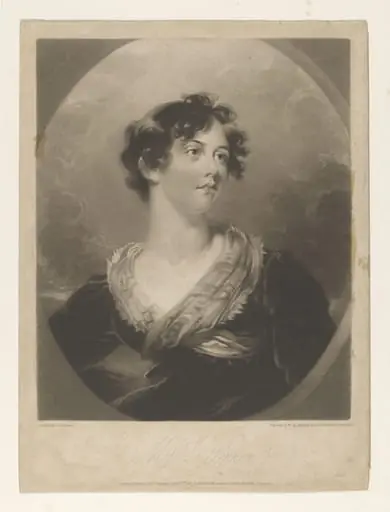
Mrs Liston is a print by the Romanticist artist Hopwood. It dates from 1 and is held in the collection of the Victoria and Albert Museum. A printed portrait of Mrs.
About this work
A print from 1811 shows Mrs Liston. It’s a portrait made by artist Hopwood. The work is a print, not a painting—so it’s ink on paper, not oils on canvas.
This print was published in London by Vernor, Hood & Sharpe. It sits in the Victoria and Albert Museum today under the Harry Beard Collection.
If you like prints, check out the Victoria and Albert Museum.
Overview
Created by the artist Hopwood and published by Vernor, Hood & Sharpe, the work is an etching or engraving on paper, not a painted image.
A printed portrait of Mrs. Liston, produced in London on September 1, 1811, is held in the Harry Beard Collection at the Victoria and Albert Museum. Created by the artist Hopwood and published by Vernor, Hood & Sharpe, the work is an etching or engraving on paper, not a painted image. Its production reflects the 19th-century practice of distributing celebrity likenesses through affordable printed media.
Subject & Meaning
Mrs. Liston was a celebrated English singer and actress known for her comic roles in late 18th- and early 19th-century theatre. The portrait captures her in a moment of public recognition, likely intended to commemorate her stage presence. As a printed image, it served both as a keepsake for admirers and as a commercial product tied to the popularity of theatrical figures of the time.
Technique & Style
The portrait was executed as a print, using ink on paper through an engraved or etched plate, typical of commercial portraiture in the early 1800s. The style is linear and refined, emphasizing facial features and costume details without the texture of oil paint. This method allowed for multiple impressions, making the image accessible to a broader audience beyond elite patrons.
History & Provenance
Published by Vernor, Hood & Sharpe, a known London print firm, the work entered the Harry Beard Collection, a significant assemblage of theatrical memorabilia. The collection was later acquired by the Victoria and Albert Museum, where the print remains part of its holdings. Its survival reflects the cultural value placed on theatrical imagery during the 19th century.
Context
In 1811, London’s theatre scene thrived as a center of public entertainment, and actors like Mrs. Liston became cultural figures. Printed portraits were a common way to extend their fame beyond the stage. This print belongs to a broader trend of mass-produced images that blurred the lines between art, commerce, and celebrity culture in the early Industrial Age.
Legacy
The print endures as a document of early 19th-century popular culture and the rise of theatrical celebrity. Preserved in a major museum collection, it offers insight into how public figures were visually represented and consumed outside traditional fine art channels. Its existence underscores the growing role of print media in shaping public perception during the period.
Artist & collection
Artist
This 19th–20th century artist left watercolors, prints, and sculpture behind in small numbers.