Artwork
Miss Tyrer
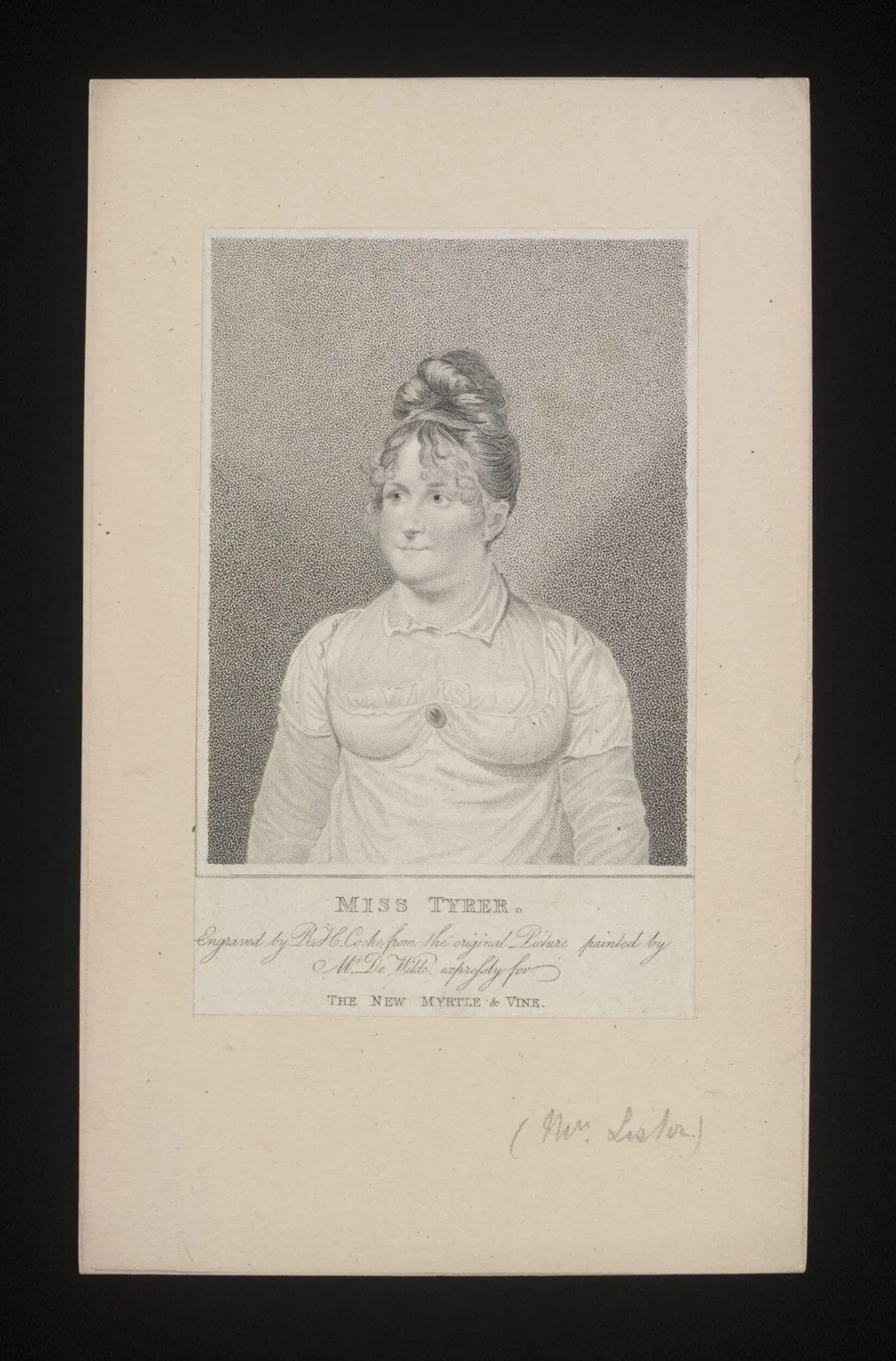
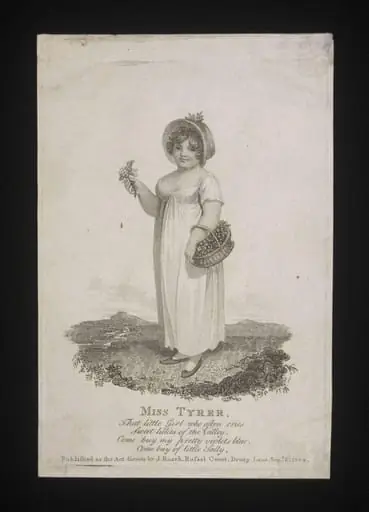
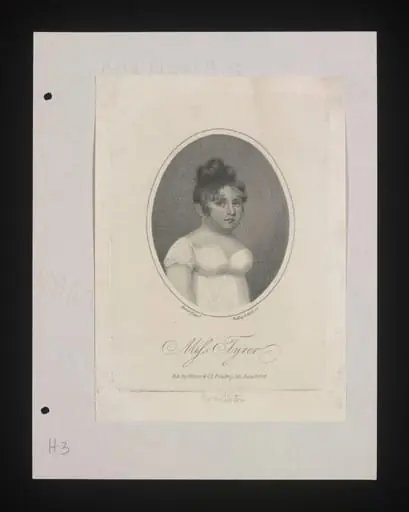
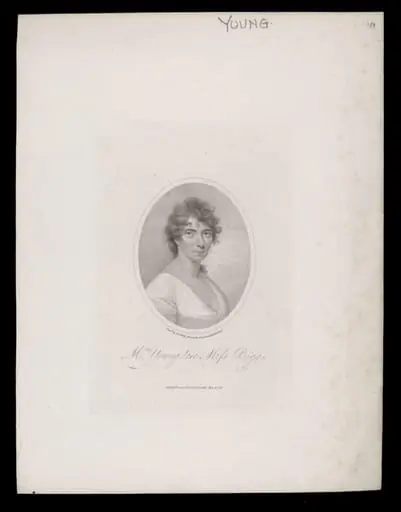
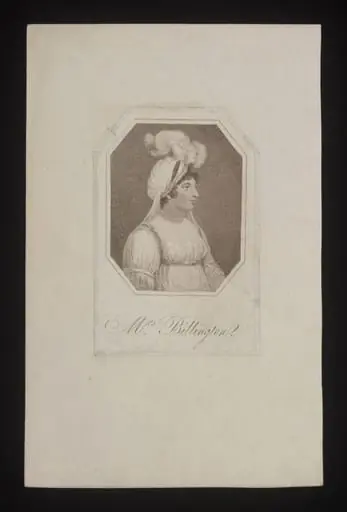
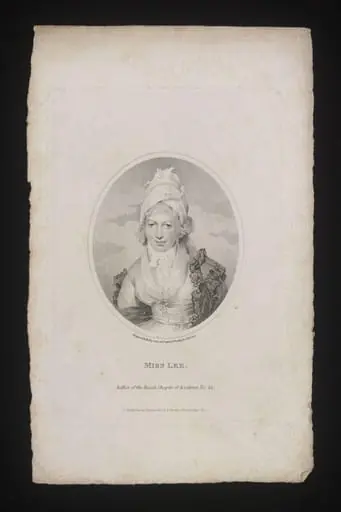
Miss Tyrer is a print by R.H. Cooke. It dates from 1850 and is held in the collection of the Victoria and Albert Museum. This early 19th-century print portrays Sarah Tyrer, an English actress known for her stage presence.
About this work
Overview
Produced as a standalone portrait, it was likely intended for public circulation among theatre enthusiasts.
This early 19th-century print portrays Sarah Tyrer, an English actress known for her stage presence. Produced as a standalone portrait, it was likely intended for public circulation among theatre enthusiasts. The work is part of the Harry Beard Collection, a curated assemblage of theatrical memorabilia now held by the Victoria and Albert Museum, reflecting its historical value as a record of performance culture.
Subject & Meaning
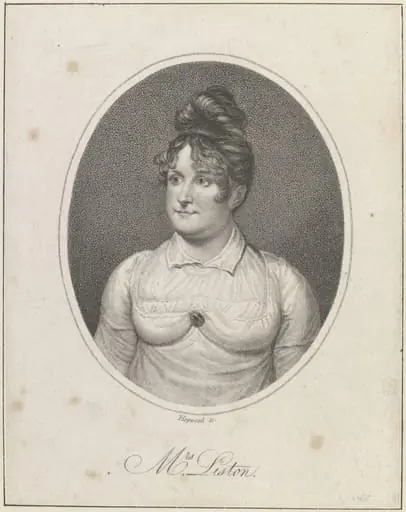
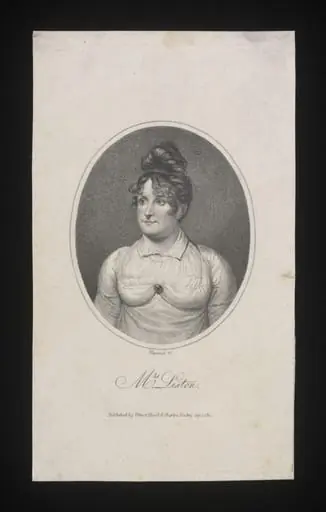
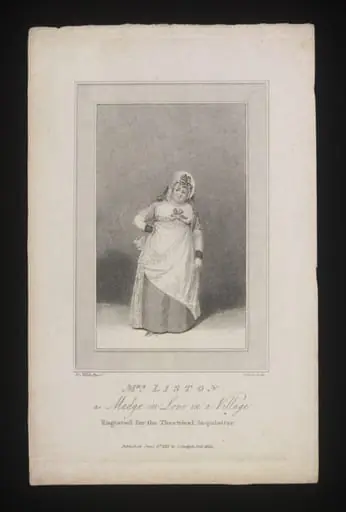
Sarah Tyrer, depicted here before her marriage to actor John Liston, was a prominent figure in London’s theatrical scene. The portrait captures her in a moment of personal and professional transition, before she became widely known as Mrs. Liston. Its purpose was likely to celebrate her rising fame, offering the public a tangible connection to a performer whose artistry extended beyond the stage.
Technique & Style
The print employs standard engraving techniques of the period, with fine lines defining facial features and costume details. The composition is formal, emphasizing elegance and restraint, typical of portraiture meant for middle-class audiences. Subtle tonal variations suggest depth without dramatic chiaroscuro, aligning with the modest aesthetic of printed likenesses produced for domestic display.
History & Provenance
The print entered the Harry Beard Collection, assembled by a 19th-century theatre enthusiast who preserved ephemera related to British performers. Its inclusion signals recognition of Tyrer’s cultural significance. The collection was later acquired by the Victoria and Albert Museum, ensuring its preservation and accessibility as a primary source for studying early 19th-century theatrical portraiture.
Context
During the early 1800s, printed portraits of actors and actresses were common, serving as both souvenirs and advertisements. Theatrical fame was increasingly tied to visual representation, and prints like this one helped solidify public identity. Tyrer’s transition from Miss to Mrs. Liston reflects broader social patterns, where women’s public personas often shifted with marital status.
Legacy
As part of a larger archive of theatrical ephemera, this print contributes to the historical documentation of performance culture in Regency England. It offers insight into how actors were marketed and remembered outside the theatre. Its survival in a major museum collection underscores its role as a material trace of a once-vibrant, now-vanished stage world.
Artist & collection
Artist
R.H. Cooke made small prints of people in the early 1800s. In *Miss Tyrer*, a woman sits calmly with a book or letter in her lap, dressed in the simple lines of Regency fashion. These portraits show ordinary subjects…