Artwork
Antoine Charles Horace Vernet, called Carle
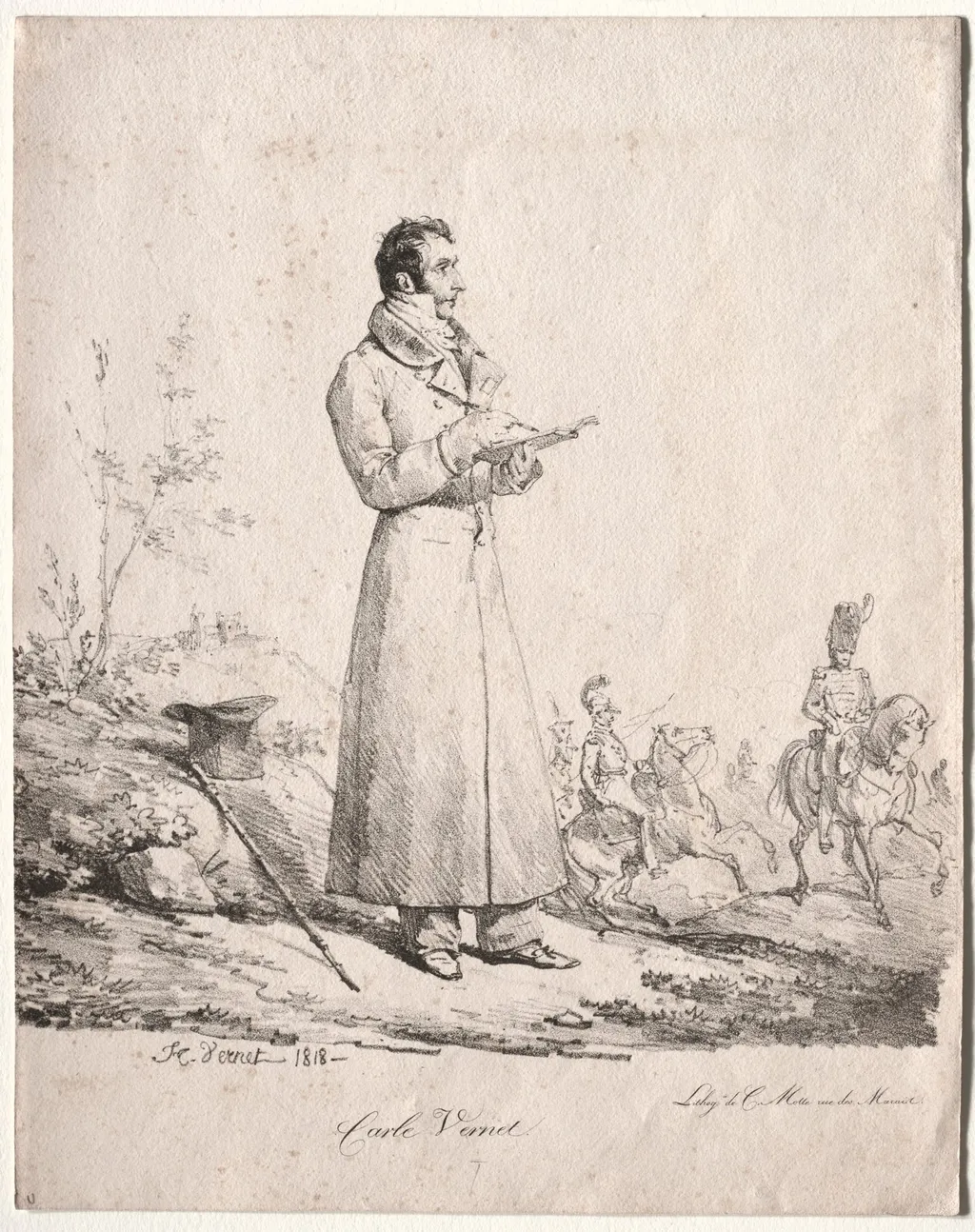
Antoine Charles Horace Vernet, called Carle is a print by the Romanticist artist Horace Vernet. It dates from 1818 and is held in the collection of the Cleveland Museum of Art.
About this work
Overview
It resides in The Cleveland Museum of Art’s collection and reflects the artist’s engagement with personal and cultural identity during the early 19th century.
This 1818 print depicts Antoine Charles Horace Vernet, known as Carle, a French artist and son of the painter Carle Vernet. The image is a portrait rendered in a detailed, atmospheric style, capturing the subject in a quiet, contemplative pose. It resides in The Cleveland Museum of Art’s collection and reflects the artist’s engagement with personal and cultural identity during the early 19th century.
Subject & Meaning
The central figure, Carle Vernet, holds a sheet of paper, suggesting documentation or correspondence, possibly hinting at his role as an artist or administrator. His formal attire and the presence of mounted figures in the distance imply social standing and connection to military or aristocratic circles. The composition conveys quiet authority rather than overt action, emphasizing introspection over spectacle.
Technique & Style
The work employs subtle chiaroscuro to model form and create spatial depth, with soft transitions between light and shadow. The landscape elements—trees, bushes, and distant riders—are rendered with restrained detail, framing the figure without overwhelming him. The line work and tonal gradations reflect a draftsperson’s precision, aligning with academic traditions of the period.
History & Provenance
Created in 1818, the print likely served as a personal or professional record of Carle Vernet, who was active in French artistic circles. It entered The Cleveland Museum of Art’s collection through documented acquisition, though its earlier ownership history remains unrecorded in public sources. The work is part of a broader body of portraits produced by the Vernet family during the Napoleonic and post-Napoleonic eras.
Context
In early 19th-century France, portraiture often served to affirm social identity amid political upheaval. Carle Vernet, like his father, operated within networks of military and aristocratic patrons. This image reflects the era’s interest in individual character and quiet dignity, contrasting with the dramatic heroism common in Romantic painting, while still sharing its attention to atmosphere and emotional nuance.
Legacy
Though not widely exhibited, the portrait contributes to understanding the Vernet family’s role in French visual culture. It preserves the likeness of a lesser-known artist who bridged generations of painters and offers insight into the domestic and professional life of artists during a transformative period in French history.
Artist & collection
Artist
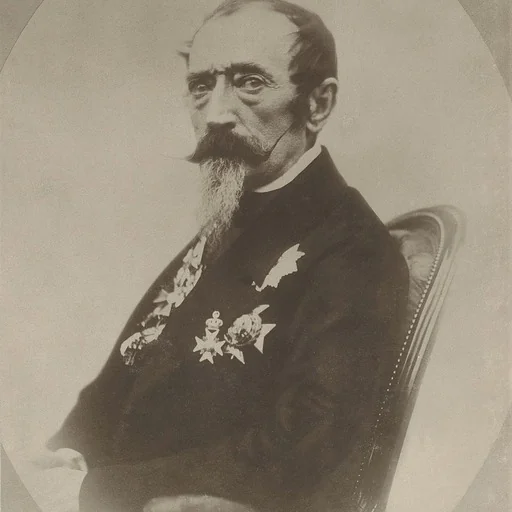
Émile Jean-Horace Vernet (French pronunciation: ; 30 June 1789 – 17 January 1863), better known as Horace Vernet, was a French painter of battles, portraits, and Orientalist subjects.

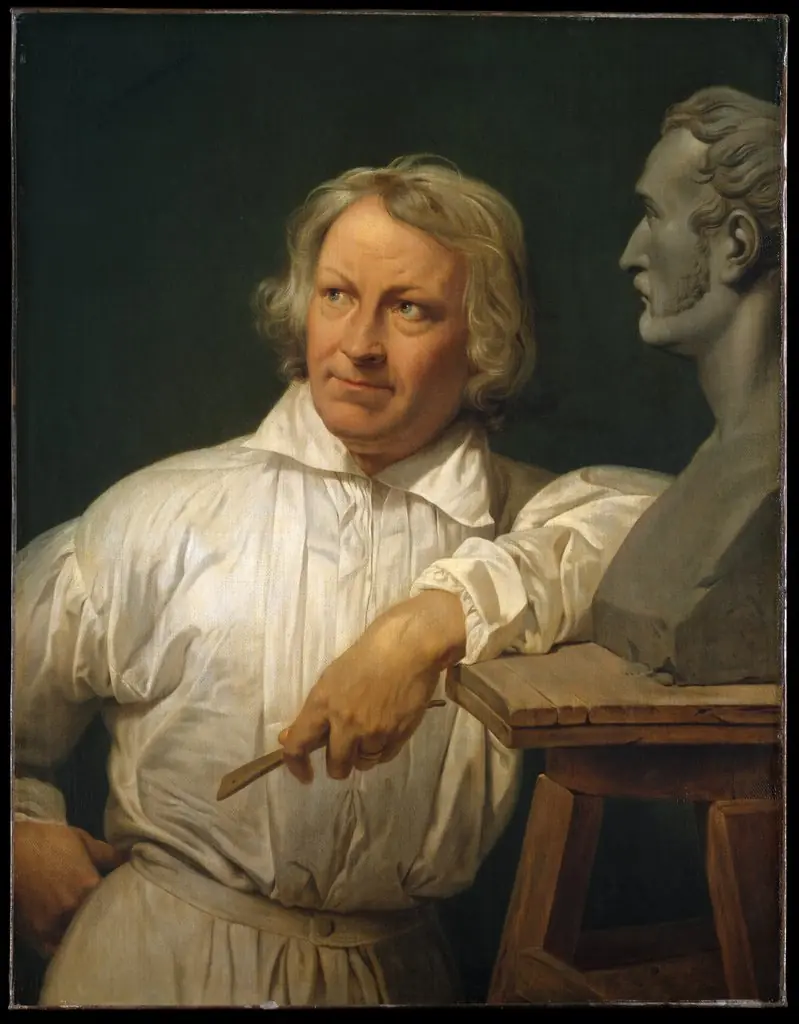 Bertel Thorvaldsen (1768–1844) with the Bust of Horace Vernet
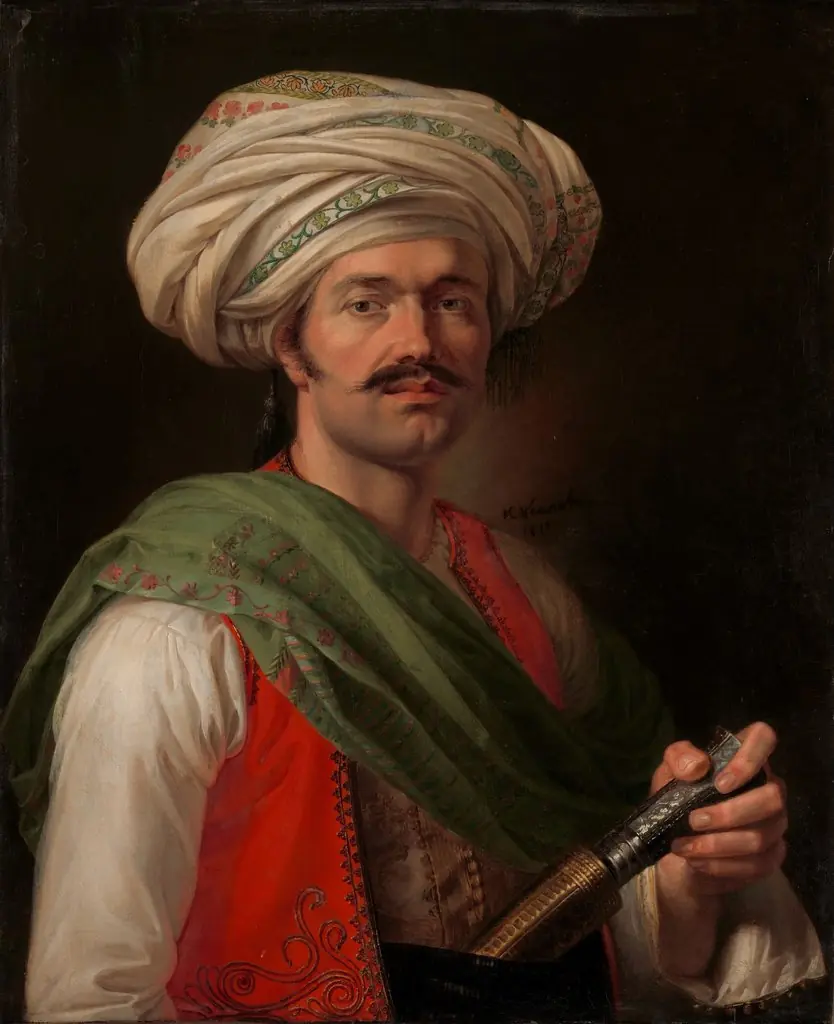 Portrait of a Mameluke, said to be Roustam Raza
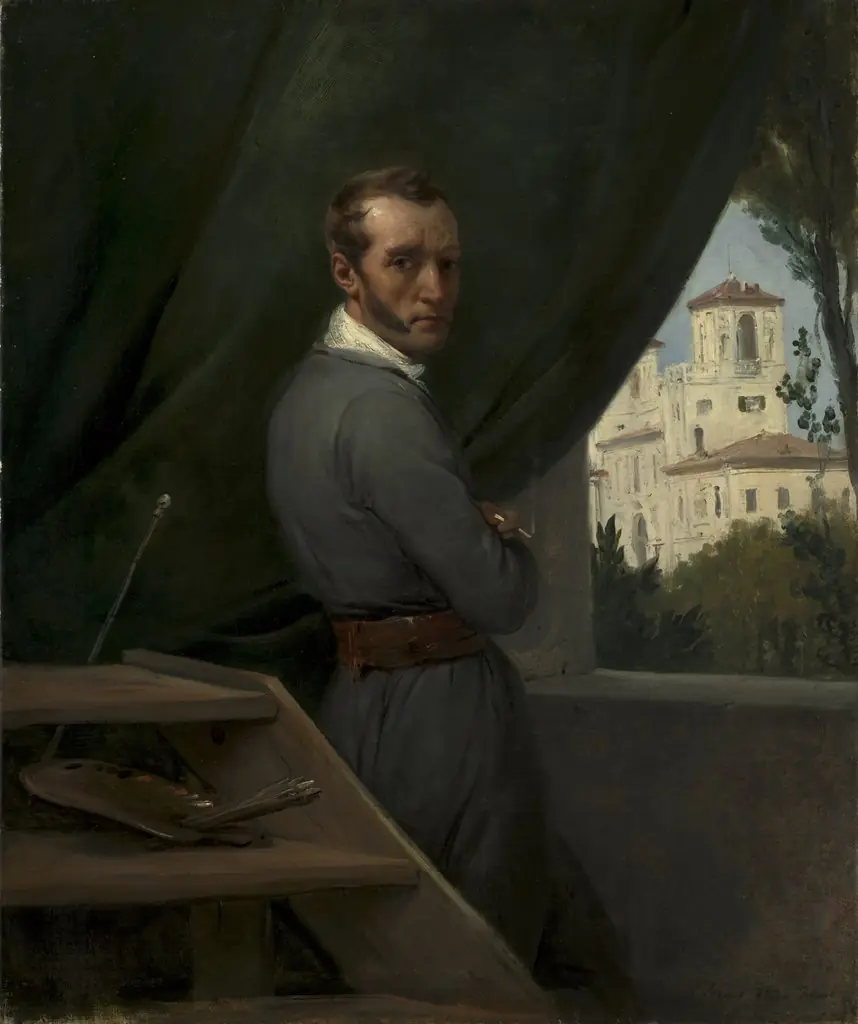 Self-Portrait in Rome
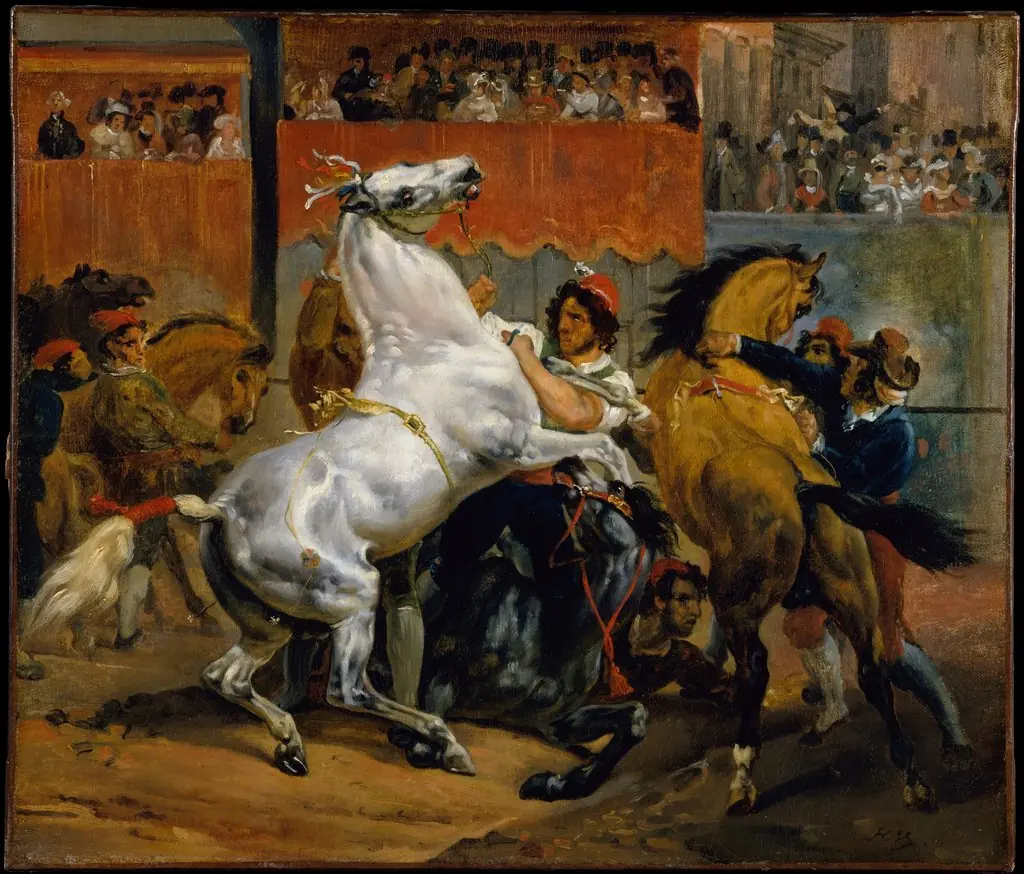 The Start of the Race of the Riderless Horses
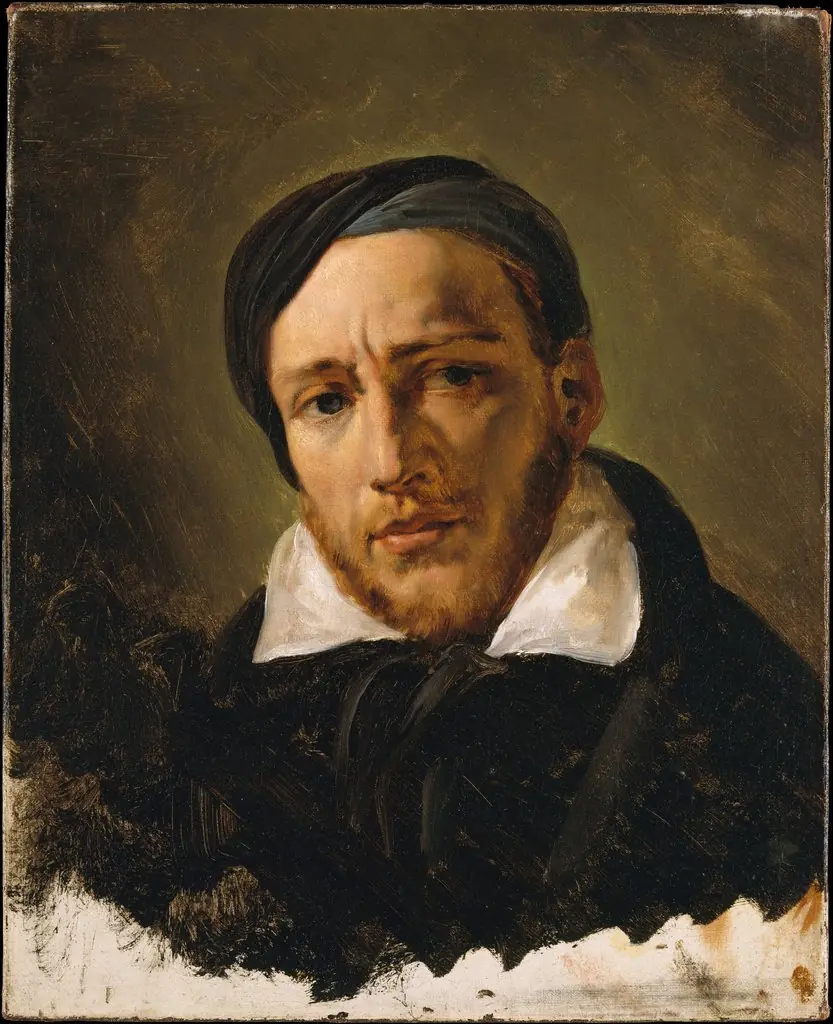 Jean-Louis-André-Théodore Gericault (1791–1824)
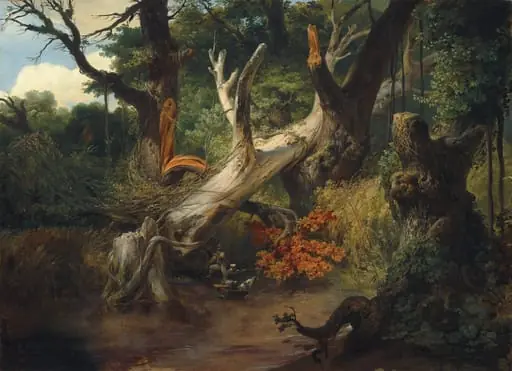 Hunting in the Pontine Marshes
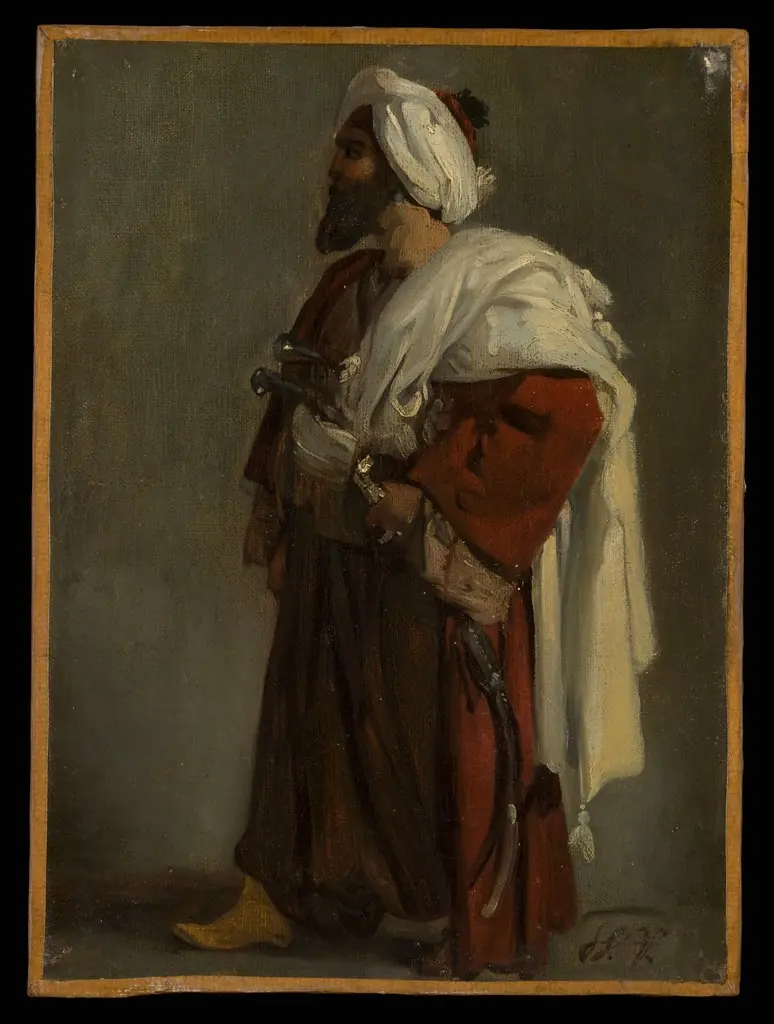 Arab Warrior
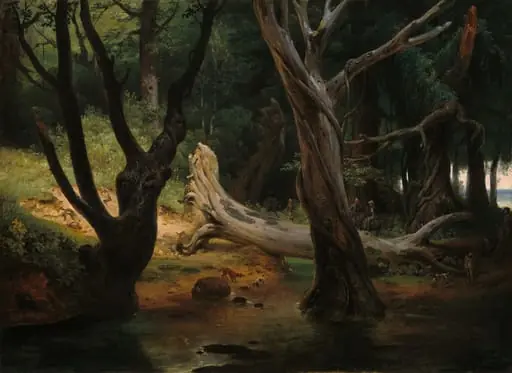 Departure for the Hunt in the Pontine Marshes
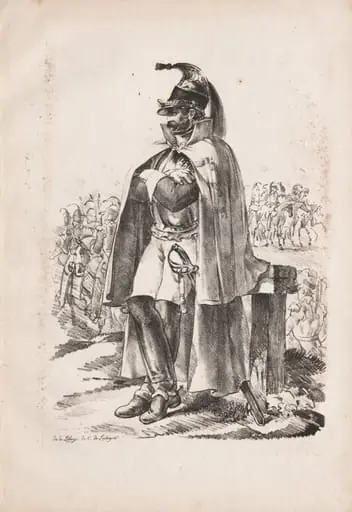 Military Costumes: Cavalry Man
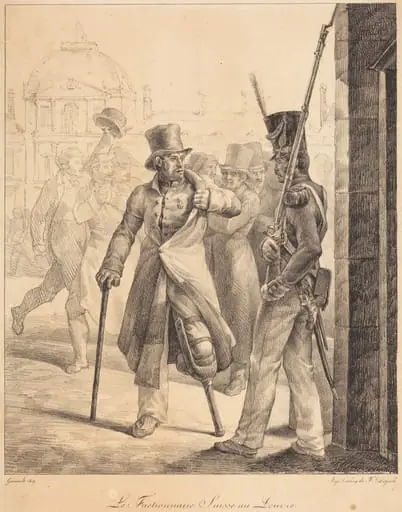 The Swiss Sentry at the Louvre (Le factionnaire Suisse au Louvre)
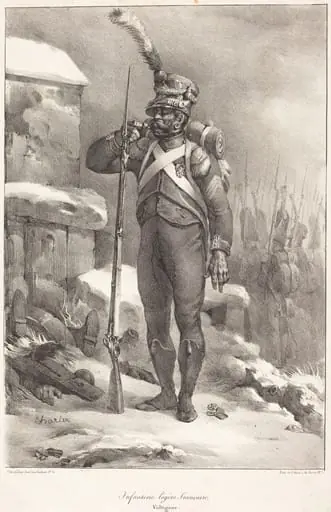 Infanterie legère française, Voltigeur
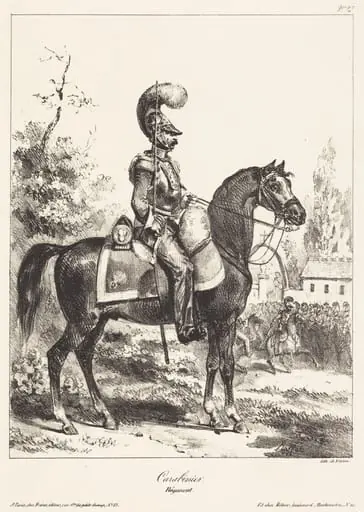 Carabinier
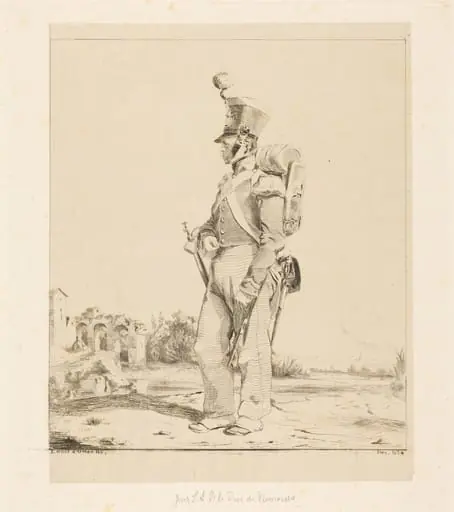 Infantryman
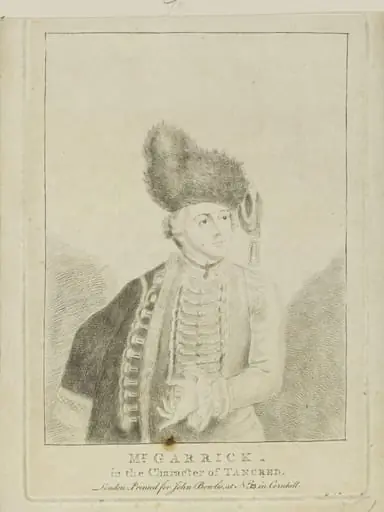 Mr. Garrick in the character of Tancred
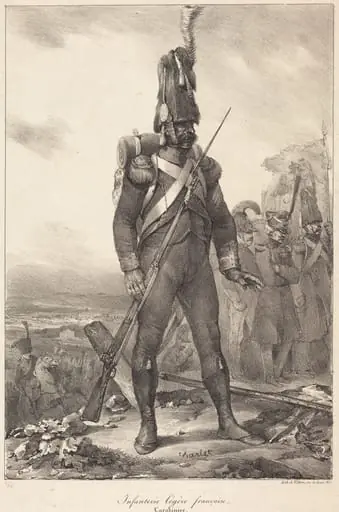 Infanterie legère française, Carabinier
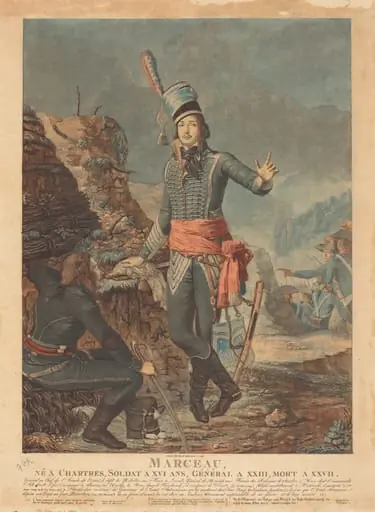 François Séverin Marceau-Desgraviers
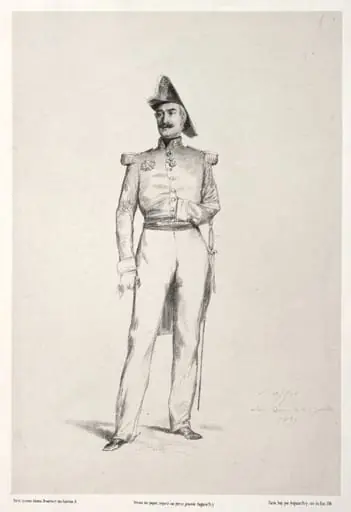 La Maréchal Baraquey d'Hilliers
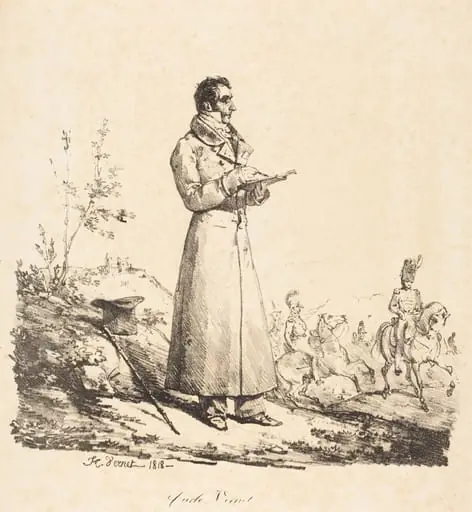 Carle Vernet, Full-Length