Artwork
Portrait of Marshal MacMahon
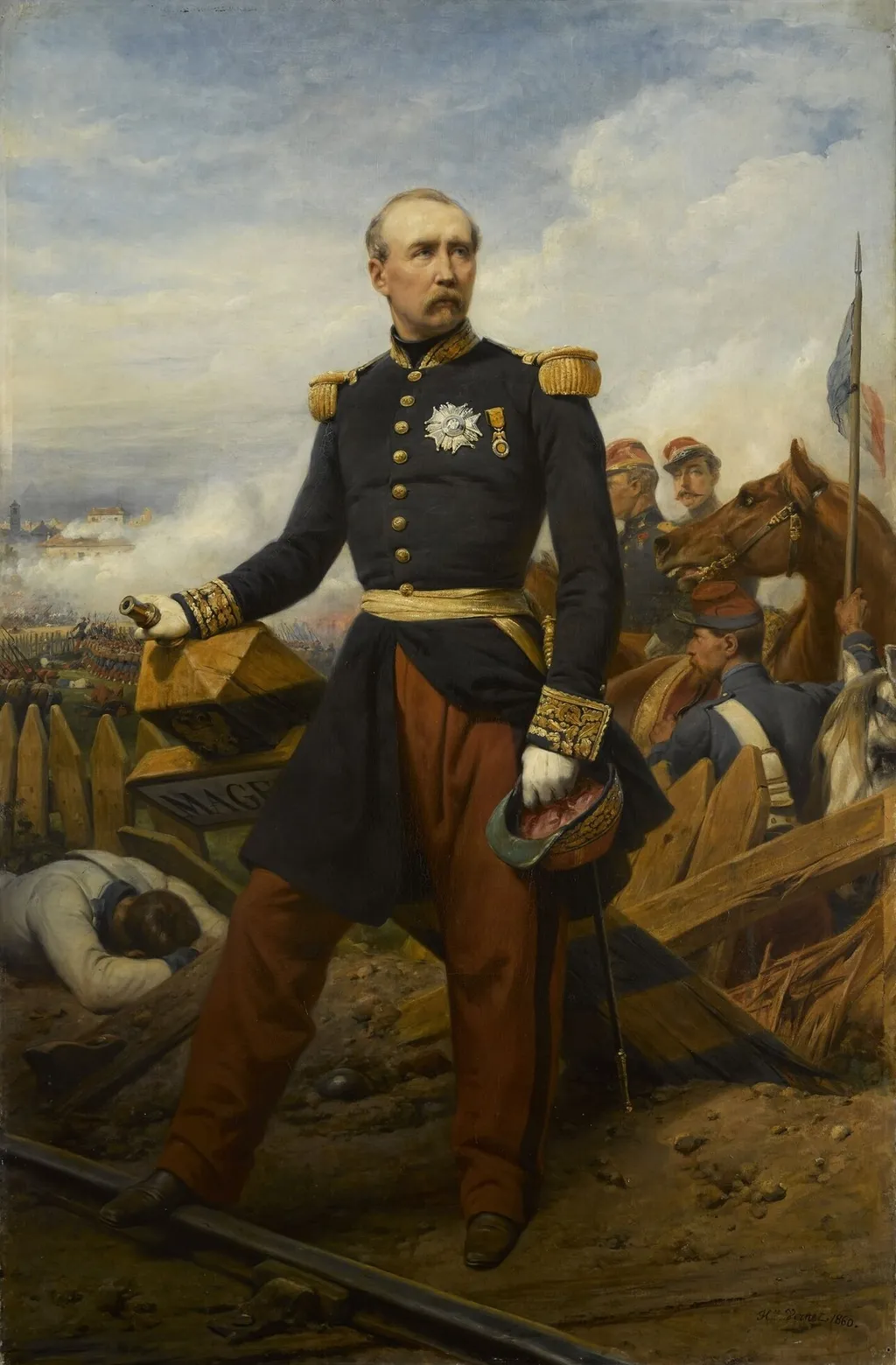
Portrait of Marshal MacMahon is an oil painting by Horace Vernet. It dates from 1860 and is held in the collection of the Museum of the History of France.
About this work
The painting depicts a man in a black military uniform with gold accents, standing in front of a battlefield.
The painting depicts a man in a black military uniform with gold accents, standing in front of a battlefield. He wears a black coat with gold buttons and epaulets, paired with brown pants and a wide gold belt. His right hand rests on a wooden barrier, while his left hand holds a hat.
In the background, soldiers on horseback and on foot are engaged in battle. The scene is set against a backdrop of a cloudy sky.
This portrait of Marshal MacMahon, created by Horace Vernet in 1860, is held at the Palace of Versailles. Next, explore the artist: Horace Vernet.
Overview
Portrait of Marshal MacMahon is an 1860 oil painting by French artist Horace Vernet, depicting Patrice de MacMahon, a prominent military figure of the Second French Empire, in full-length military regalia against a backdrop of the Battle of Magenta.
Subject & Meaning
The portrait honors MacMahon's distinguished role in the Battle of Magenta (1859), where his actions led to his titles of Duke of Magenta and Marshal, bestowed by Napoleon III. The painting captures his military stature at the peak of his imperial recognition.
Technique & Style
Vernet, renowned for battle scenes, employs his characteristic realism to juxtapose MacMahon's imposing figure in detailed, ornate uniform with the chaotic battle scene, set beneath a dramatic cloudy sky. The contrast highlights the subject's authority and the artist's mastery of narrative detail.
History & Provenance
Commissioned by Napoleon III for the Musée de l'Histoire de France at Versailles, this was Vernet's last official commission before his death in 1863. The painting remains part of the Versailles collection, a testament to the imperial patronage of its time.
Context
Created amidst the Second French Empire's expansion, the portrait reflects the era's glorification of military achievement. Vernet's involvement also ties the work to a broader tradition of French battle art, of which he was a leading figure.
Legacy
While MacMahon's later career included a controversial presidency of the Third Republic (1873-1879) and a defeat at Sedan (1870), the portrait freezes him in the glory of 1859. The painting's legacy lies more in its representation of imperial glory and Vernet's artistry than in MacMahon's subsequent political career.
Own this work as a print
Artist & collection
Artist
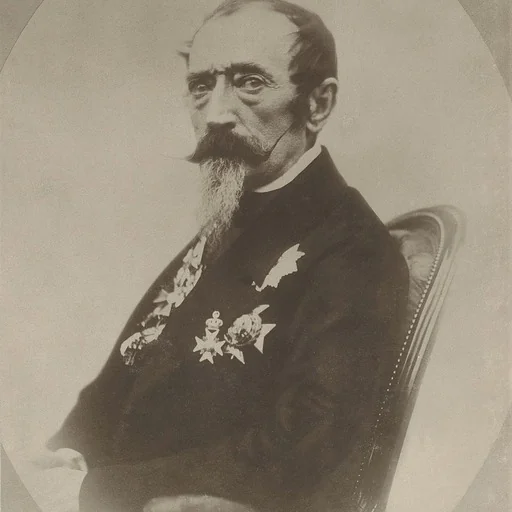
Émile Jean-Horace Vernet (French pronunciation: ; 30 June 1789 – 17 January 1863), better known as Horace Vernet, was a French painter of battles, portraits, and Orientalist subjects.

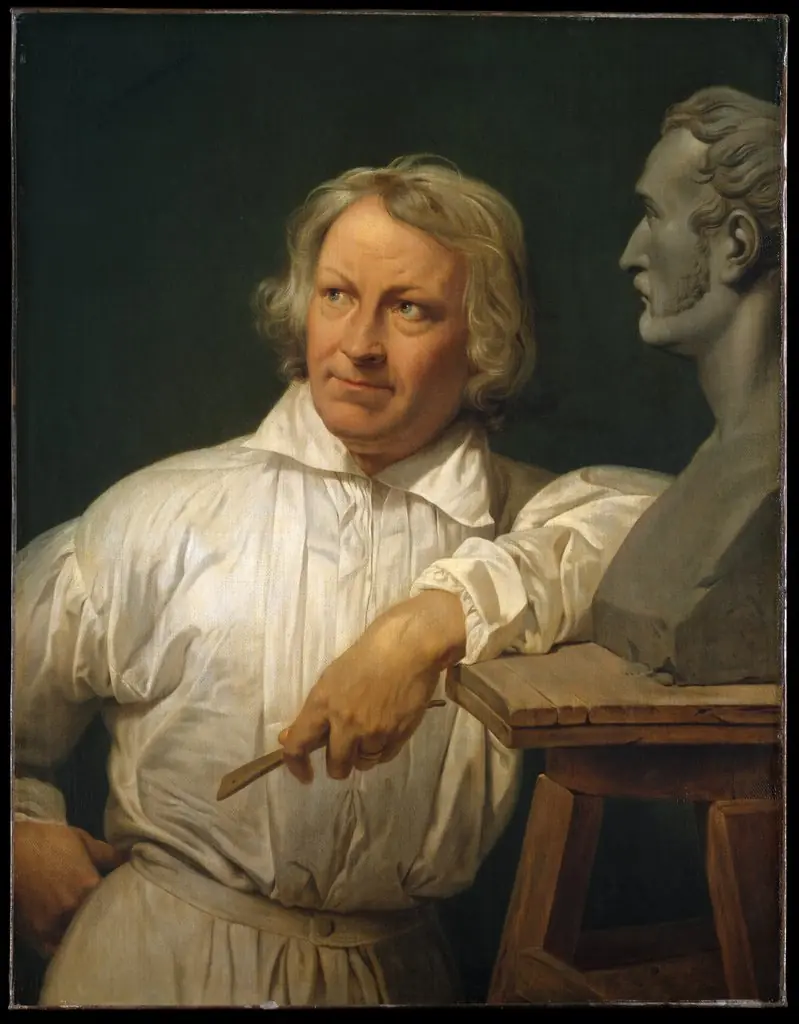 Bertel Thorvaldsen (1768–1844) with the Bust of Horace Vernet
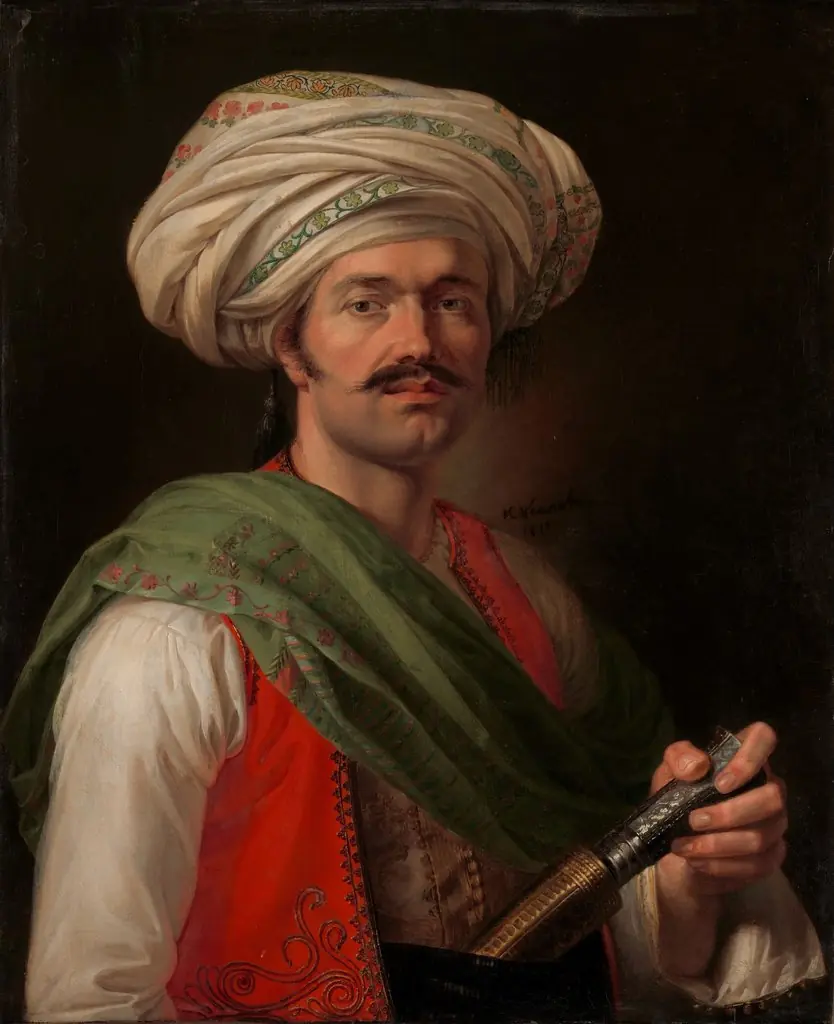 Portrait of a Mameluke, said to be Roustam Raza
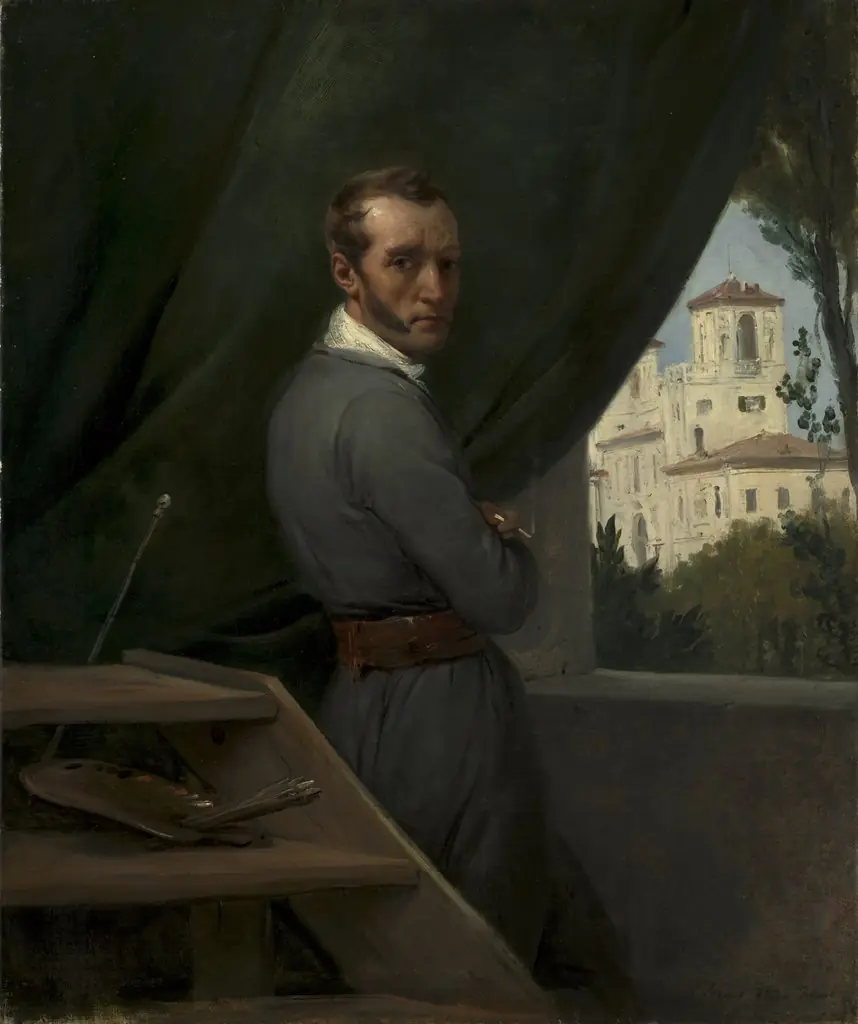 Self-Portrait in Rome
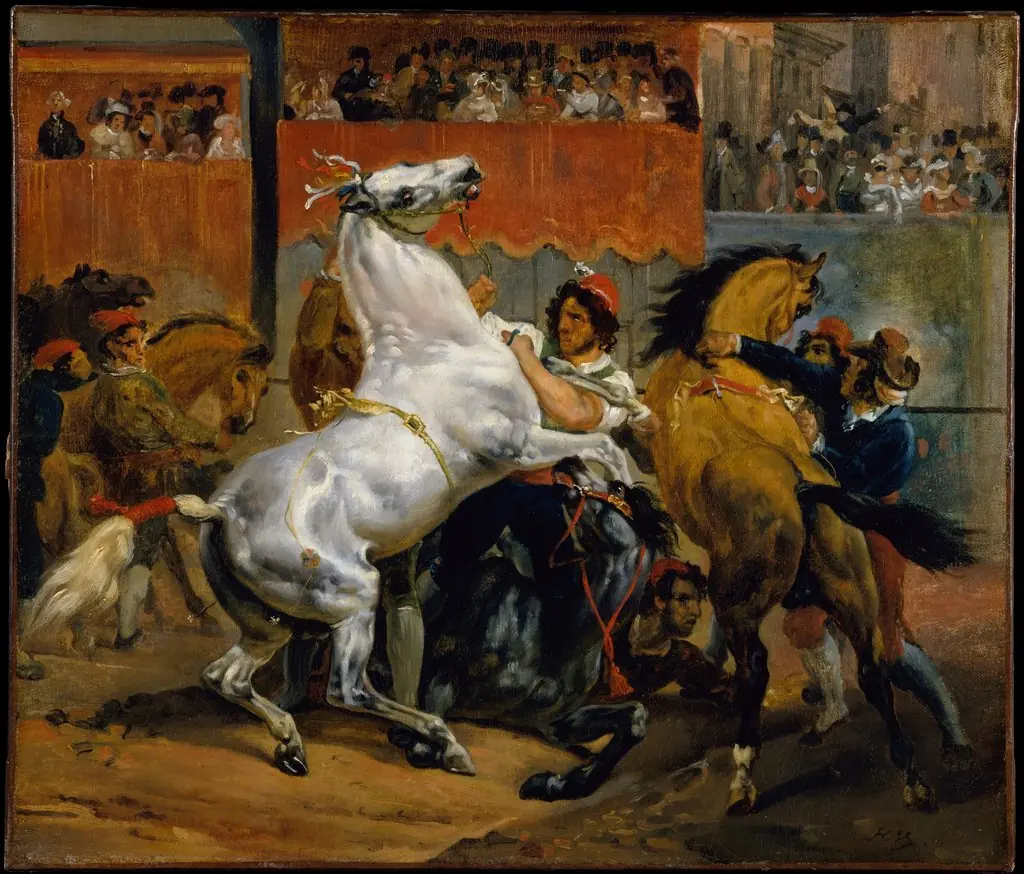 The Start of the Race of the Riderless Horses
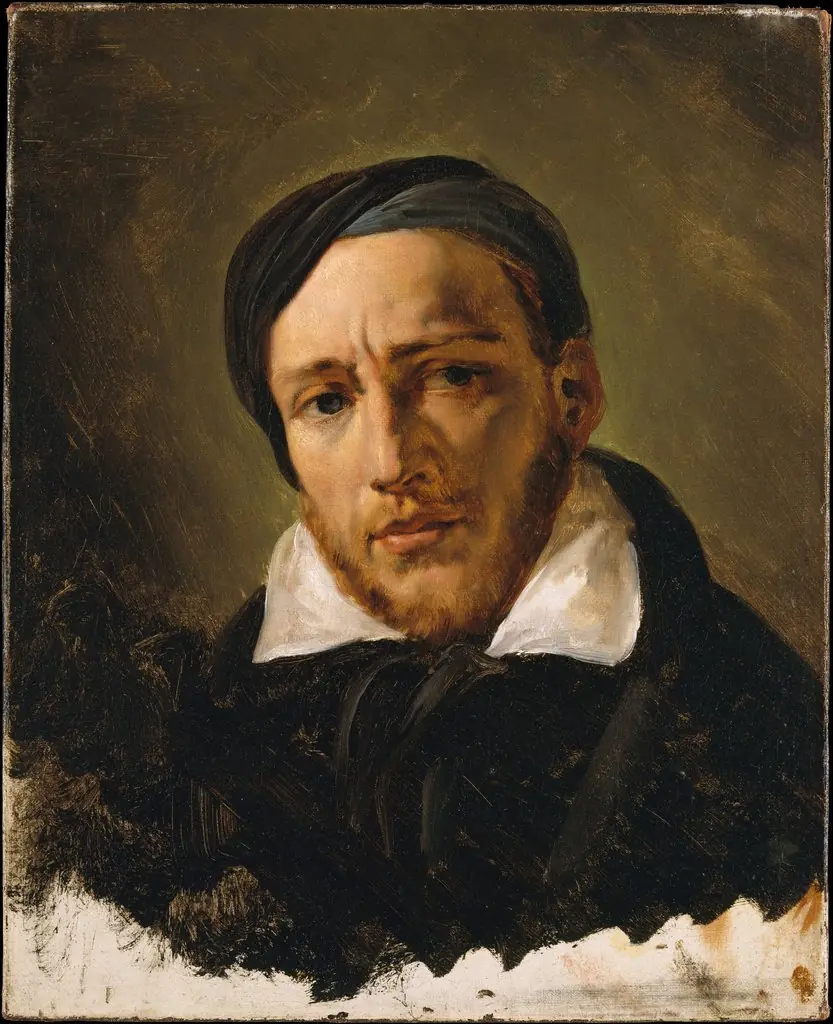 Jean-Louis-André-Théodore Gericault (1791–1824)
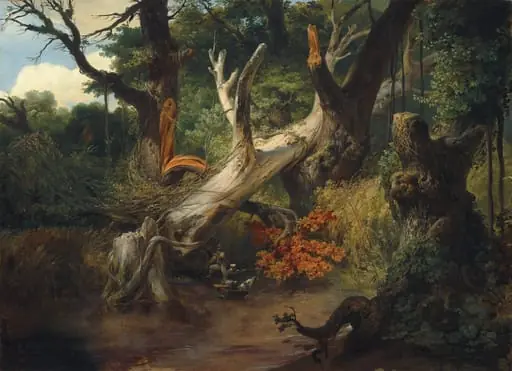 Hunting in the Pontine Marshes
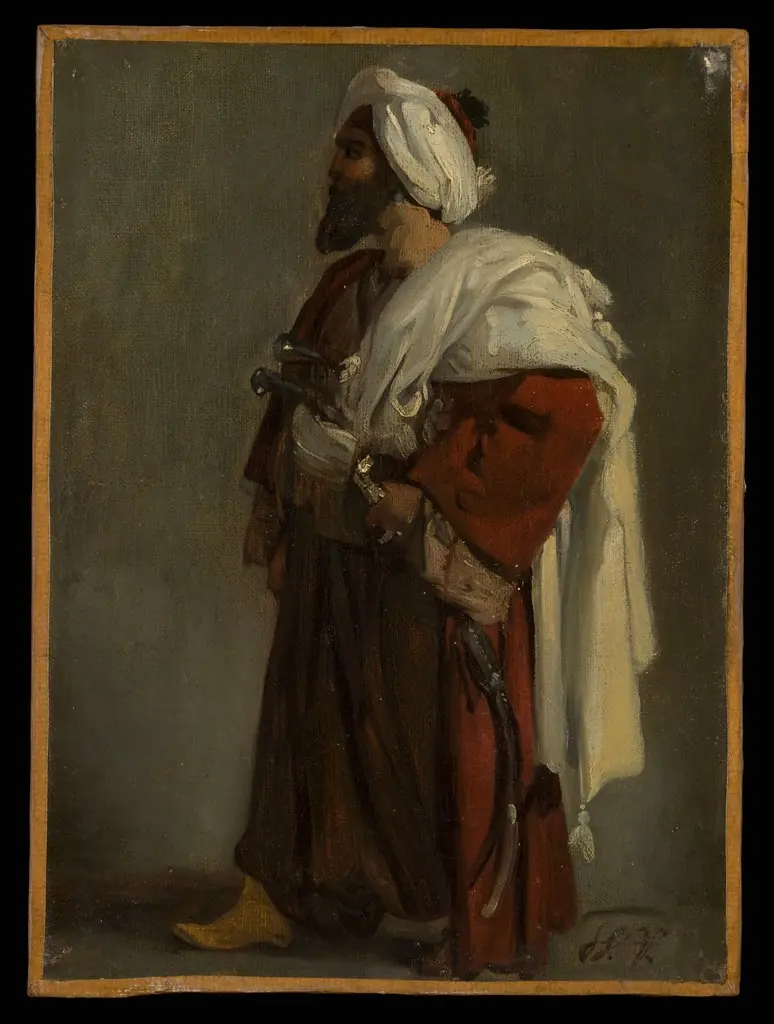 Arab Warrior
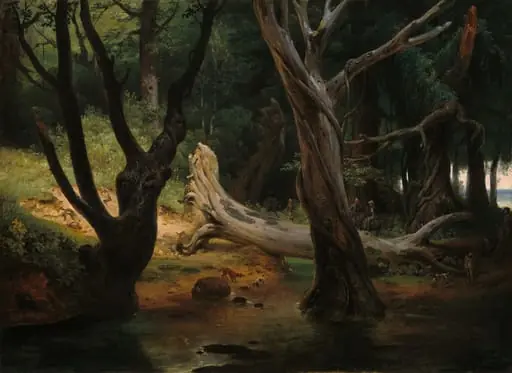 Departure for the Hunt in the Pontine Marshes
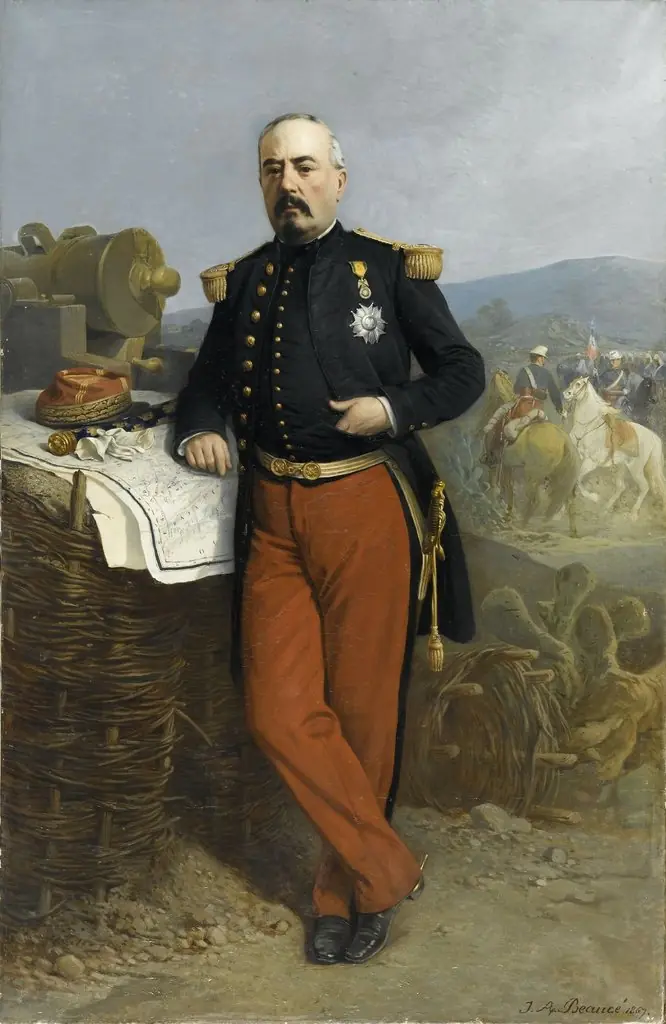 Achille-François Bazaine, Marshal of France
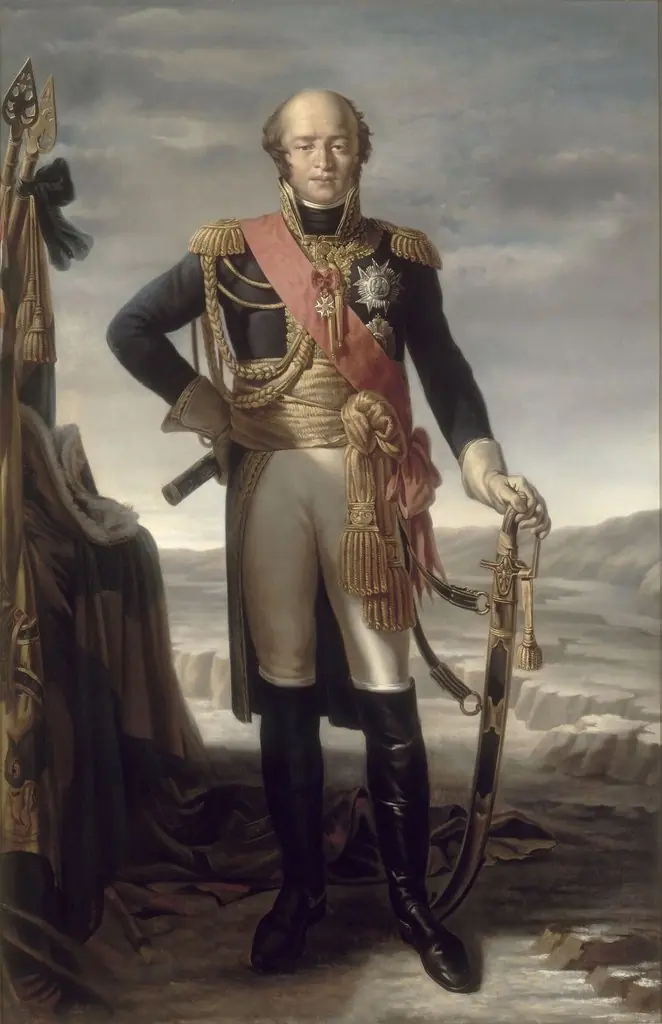 Portrait de Louis Nicolas Davout
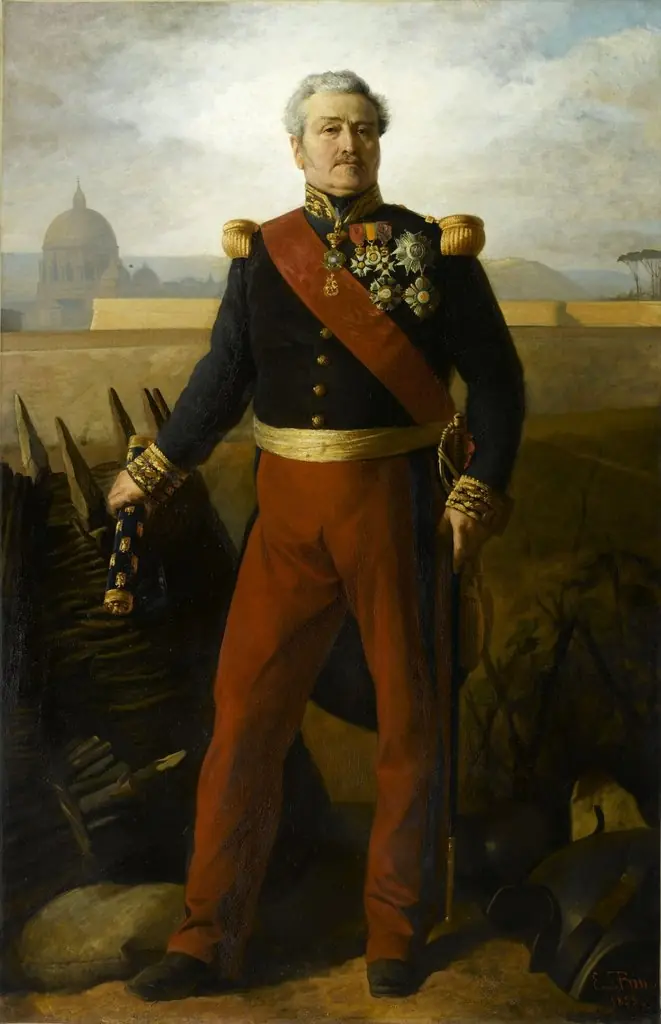 Jean-Baptiste-Philibert Vaillant, Marshal of France
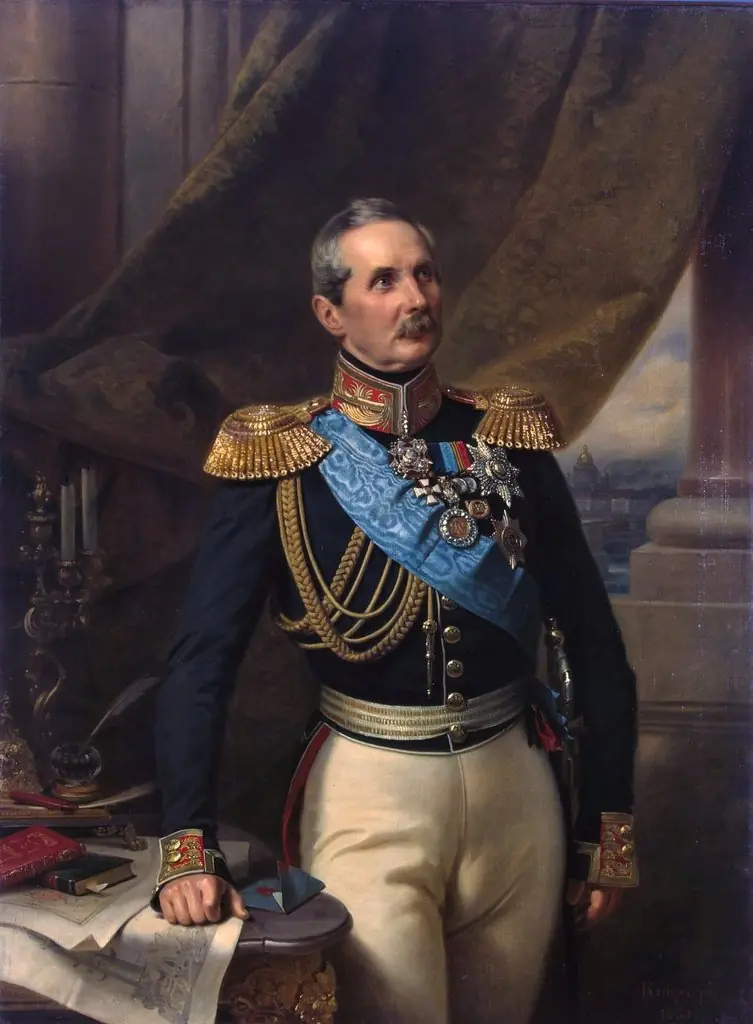 Portrait of Pyotr Kleinmichel
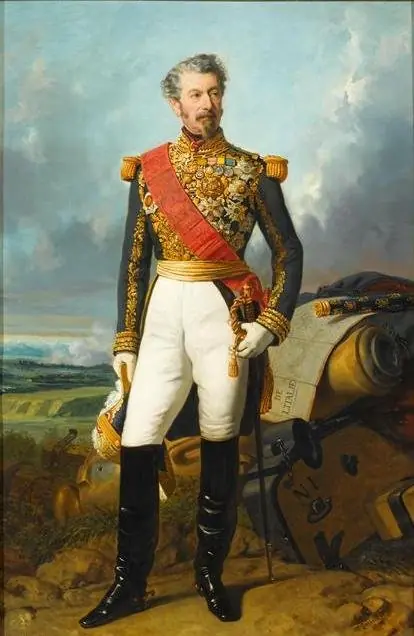 Adolphe Niel, maréchal de France (1802-1869)
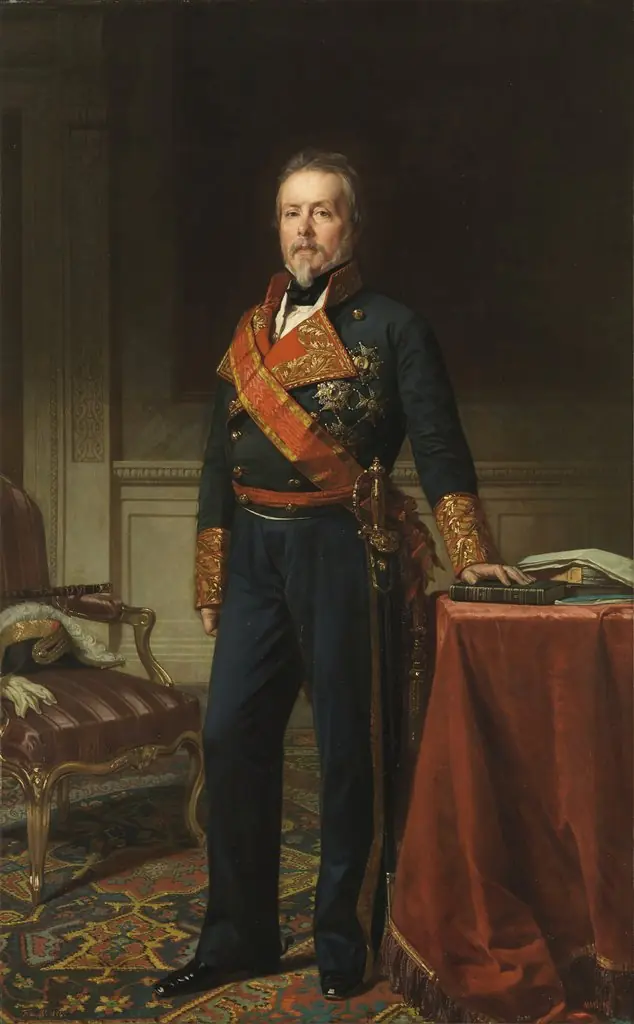 El general Evaristo Fernández San Miguel I duque de San Miguel
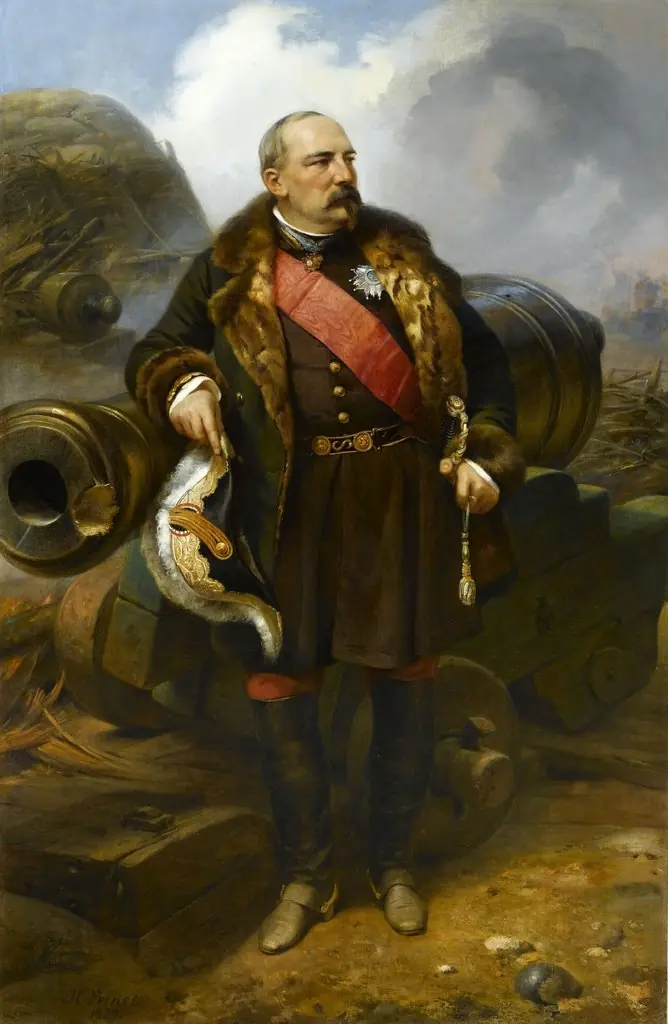 Pierre-Joseph-François Bosquet, Marshal of France (1810-1861)
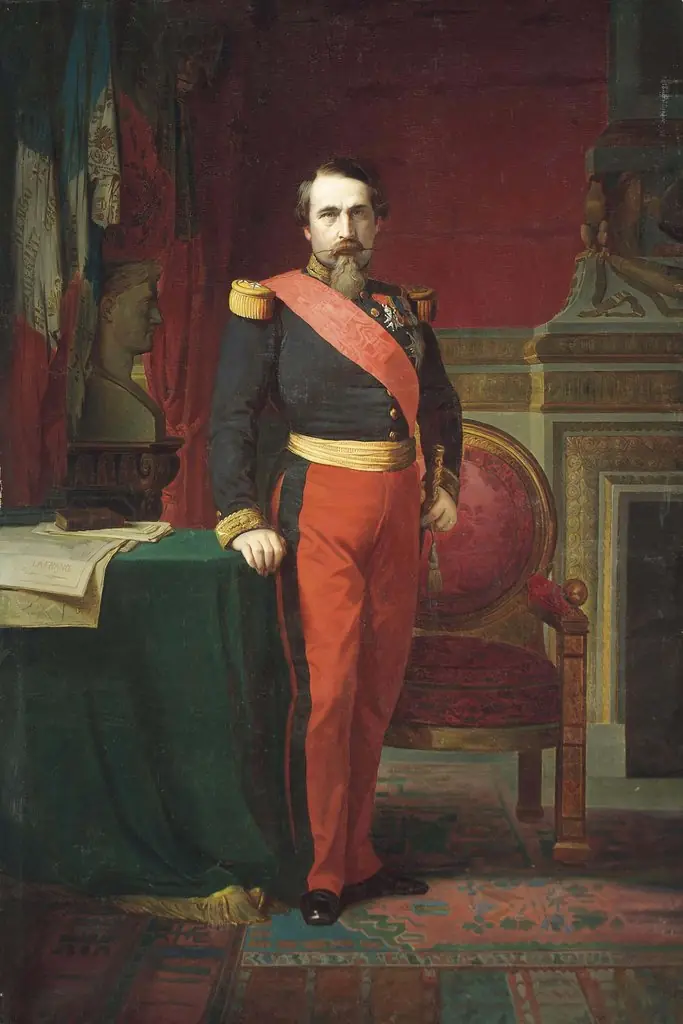 Portrait of Napoleon III
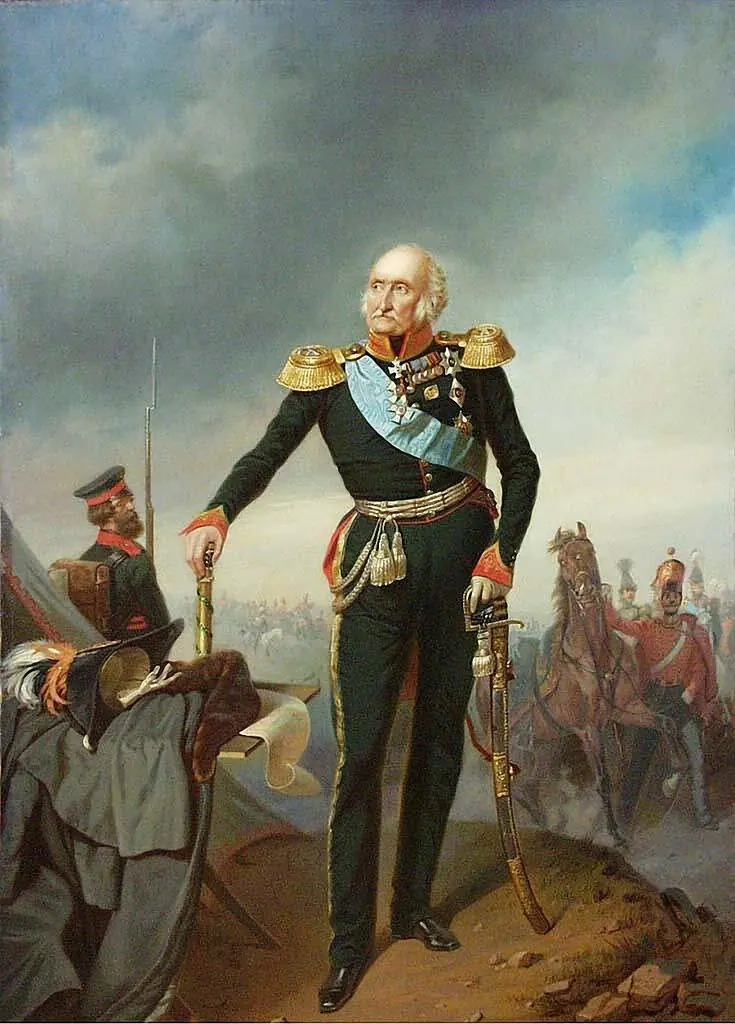 Portrait of Field-Marshal Prince P.H. Wittenstein
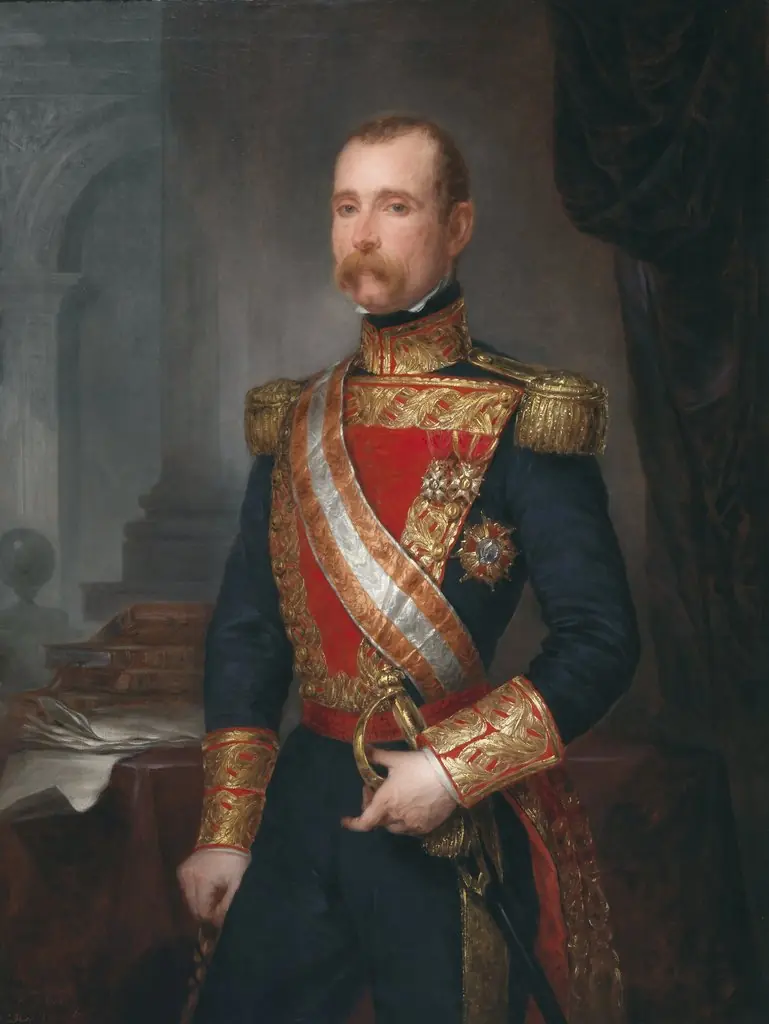 Antonio Ros Olano ministro de Comercio Instrucción y Obras Públicas