Artwork
Portrait of Field-Marshal Prince P.H. Wittenstein
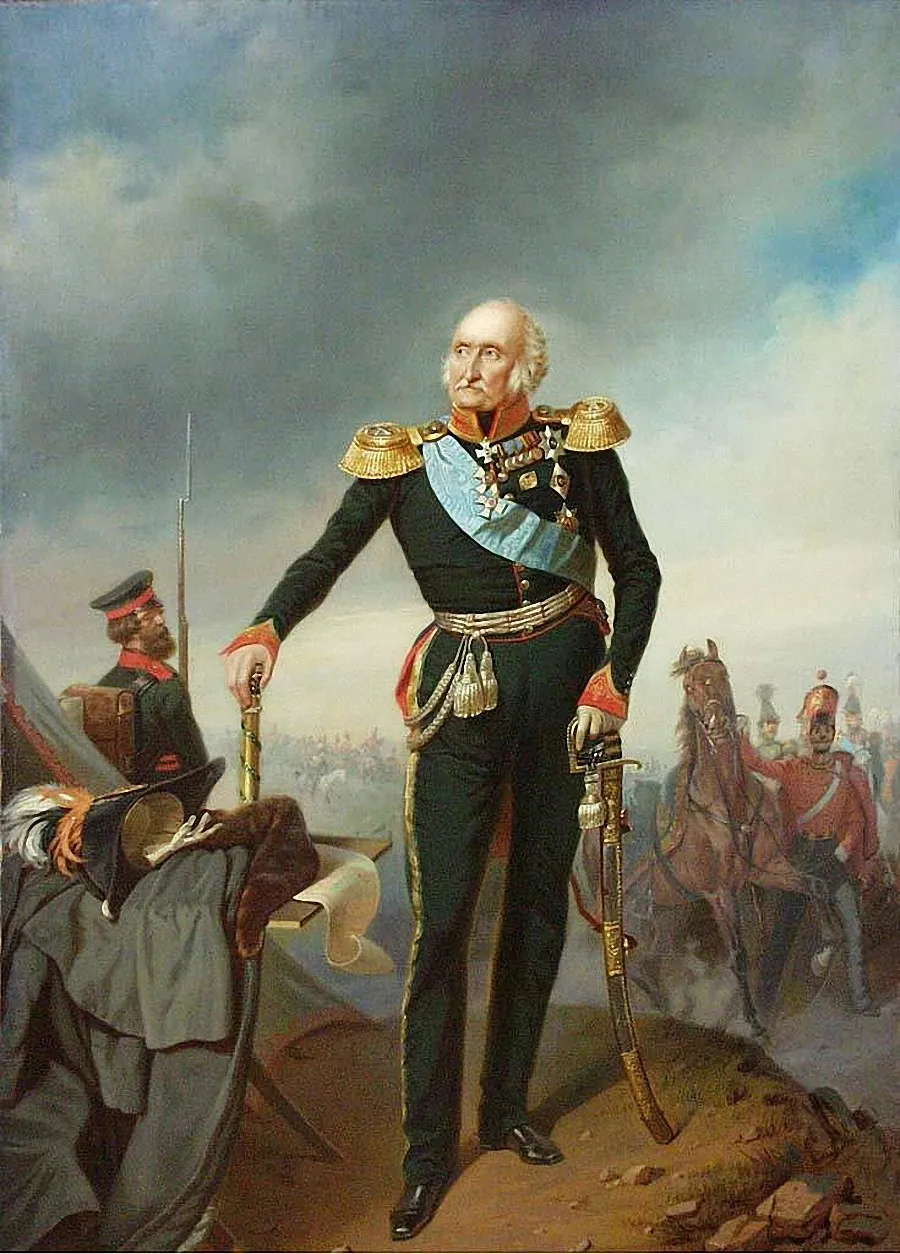
Portrait of Field-Marshal Prince P.H. Wittenstein is an oil painting by the Realist artist Georg von Bothmann. It dates from 1869 and is held in the collection of the Hermitage Museum.
About this work
Overview
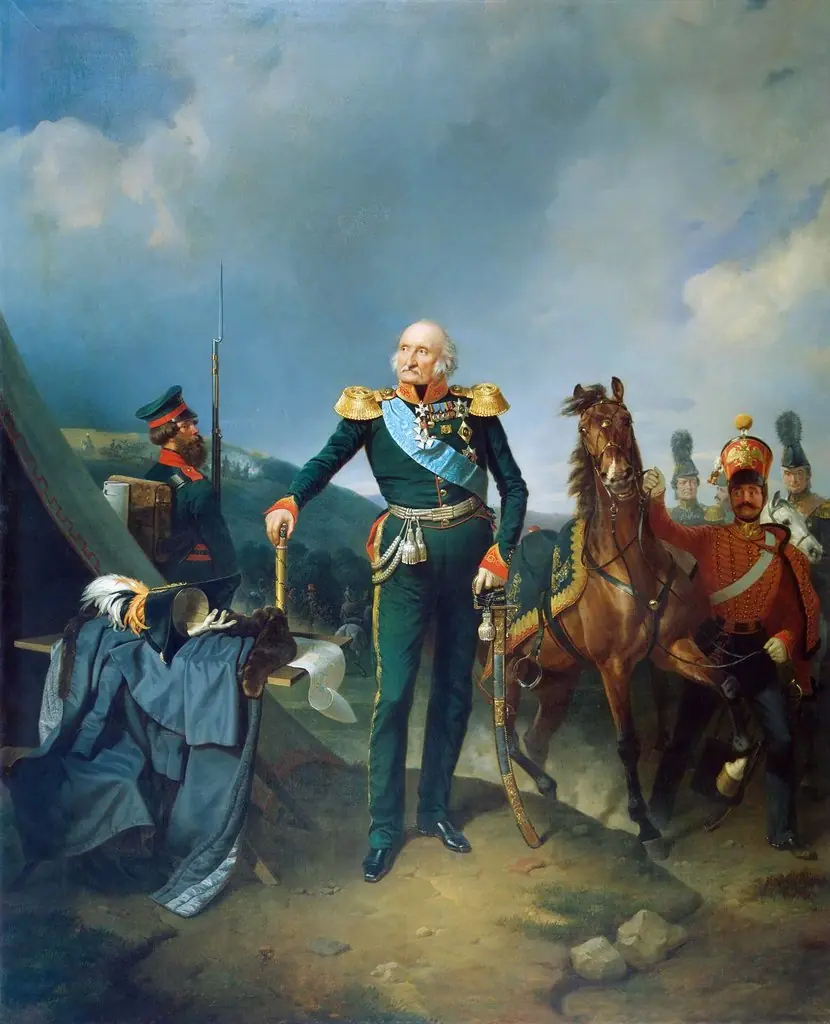
Painted in 1869 by Georg von Bothmann, this oil portrait depicts Field-Marshal Prince P.H. Wittenstein, a senior Prussian military leader. The work is part of the State Hermitage Museum’s collection in Saint Petersburg. It presents the subject in full uniform, positioned prominently against a distant battlefield, blending personal representation with symbolic military context.
Subject & Meaning
The portrait captures Prince Wittenstein as a seasoned commander, dressed in a black uniform adorned with gold embroidery and a blue sash, symbols of high rank. His right hand grips a sword, while his left rests on another, conveying readiness and authority. The turbulent battle scene behind him reinforces his role in military leadership, linking his identity to the chaos and discipline of war.
Technique & Style
Bothmann employed precise brushwork to render the textures of the uniform, metal accoutrements, and fabric folds with clarity.
Bothmann employed precise brushwork to render the textures of the uniform, metal accoutrements, and fabric folds with clarity. The background is rendered with looser, atmospheric strokes, creating depth without distracting from the figure. The contrast between the sharply defined subject and the hazy battlefield reflects a deliberate compositional balance, emphasizing the individual within the broader context of conflict.
History & Provenance
Commissioned shortly after Wittenstein’s active service, the portrait entered the Hermitage’s collection in the late 19th century. It likely originated as a state or institutional commission, common for high-ranking officers of the era. The painting has remained in the museum’s holdings since its acquisition, with no documented changes in ownership or significant restoration.
Context
Created during a period of intense military reorganization in Europe, the portrait aligns with 19th-century traditions of honoring military elites through formal portraiture. Such images served both commemorative and political functions, reinforcing hierarchy and national pride. The inclusion of a battlefield backdrop was a conventional device to associate leadership with valor and historical consequence.
Legacy
While not widely exhibited outside the Hermitage, the portrait remains a representative example of German military portraiture from the late 1860s. It reflects the aesthetic and ideological priorities of its time—emphasizing discipline, rank, and the solemnity of command. Bothmann’s work contributes to the visual record of Prussian military culture in the decades before the unification of Germany.
Artist & collection

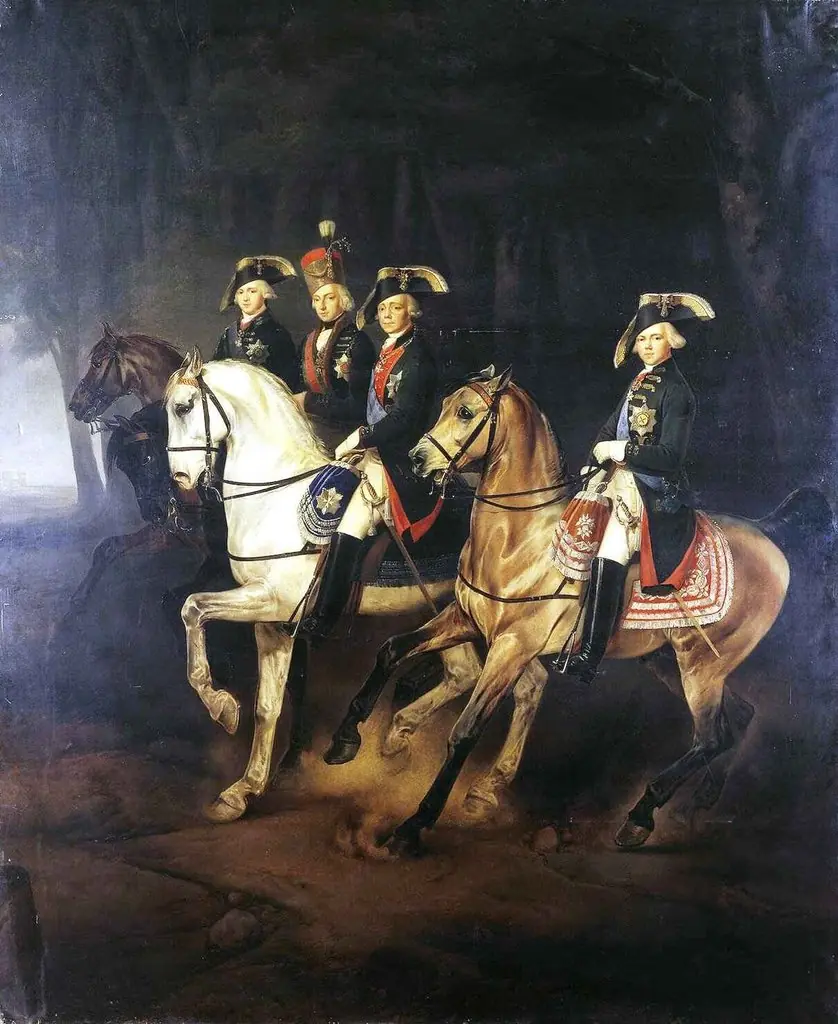 Equestrian Portrait of Emperor Paul I with his Sons and Joseph I, King of Hungary
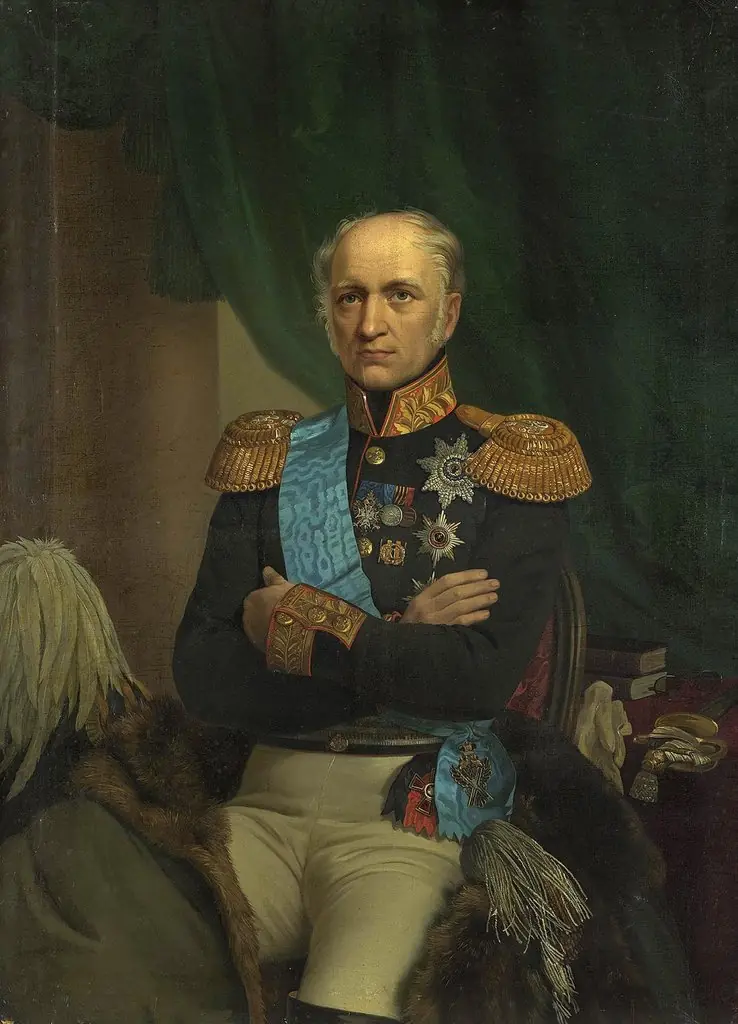 Portrait of Ye. F. Kankrin
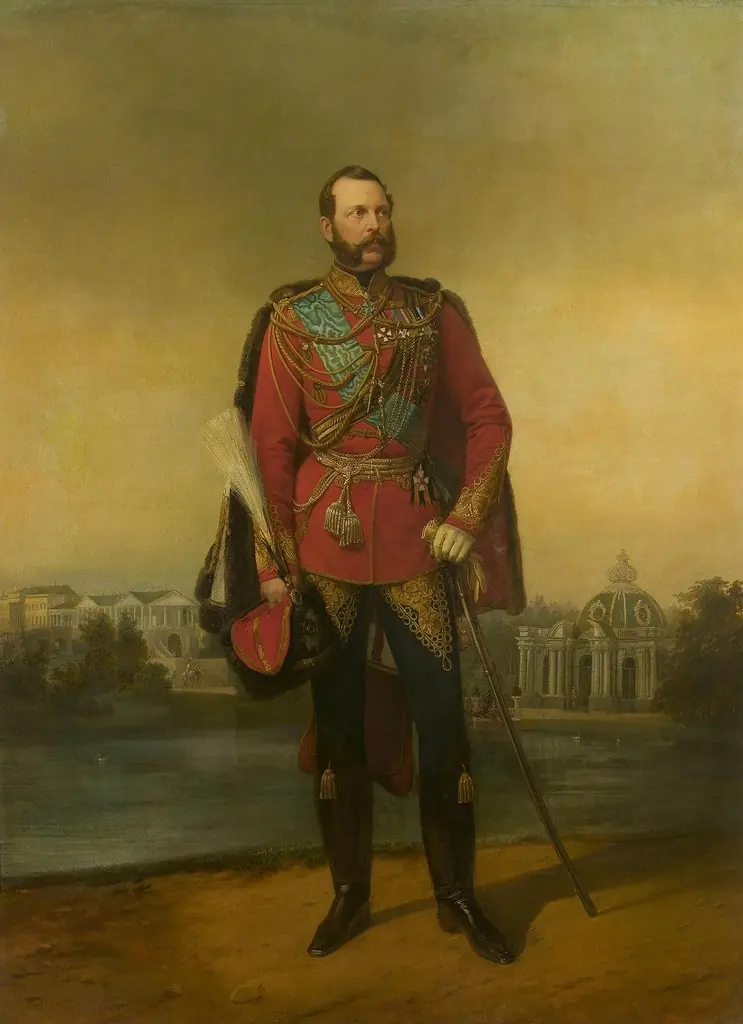 Portrait of Emperor Alexander II
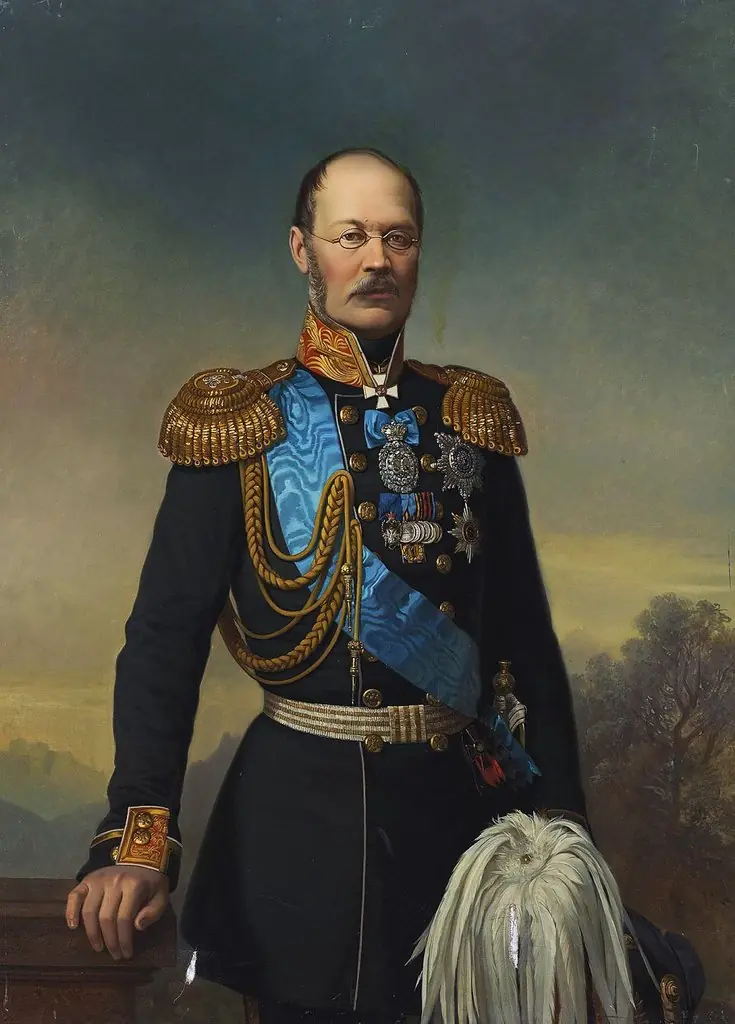 Portrait of Prince M.D. Gorchakov
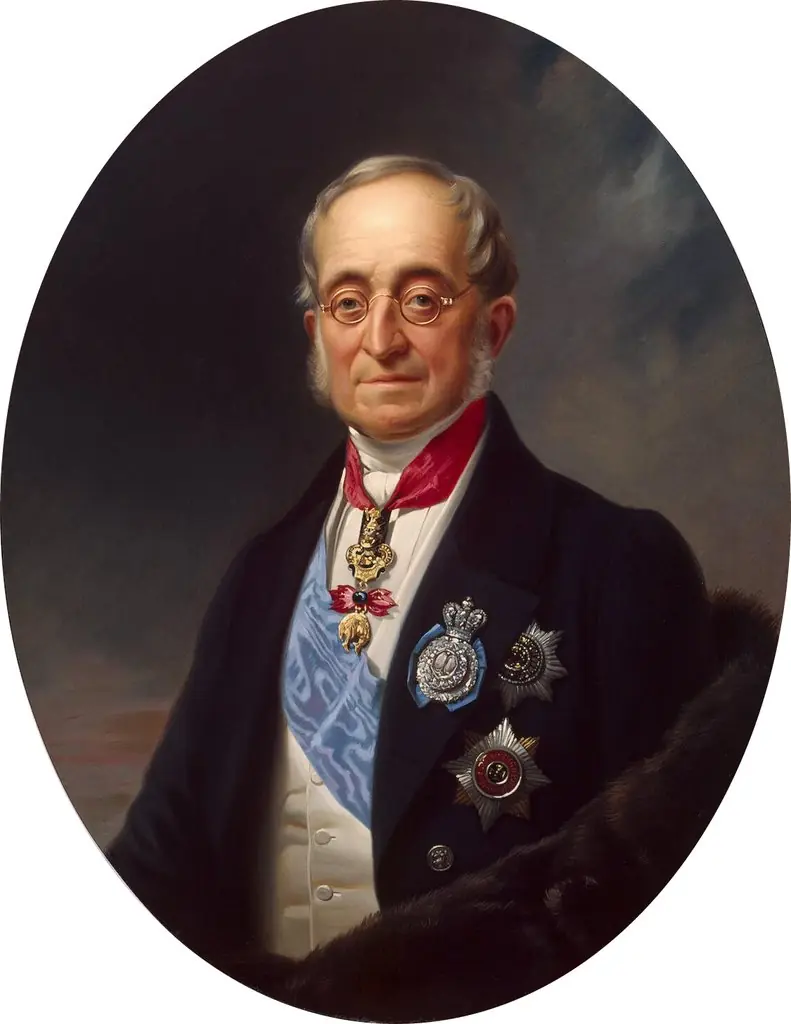 Portrait of Karl Nesselrode
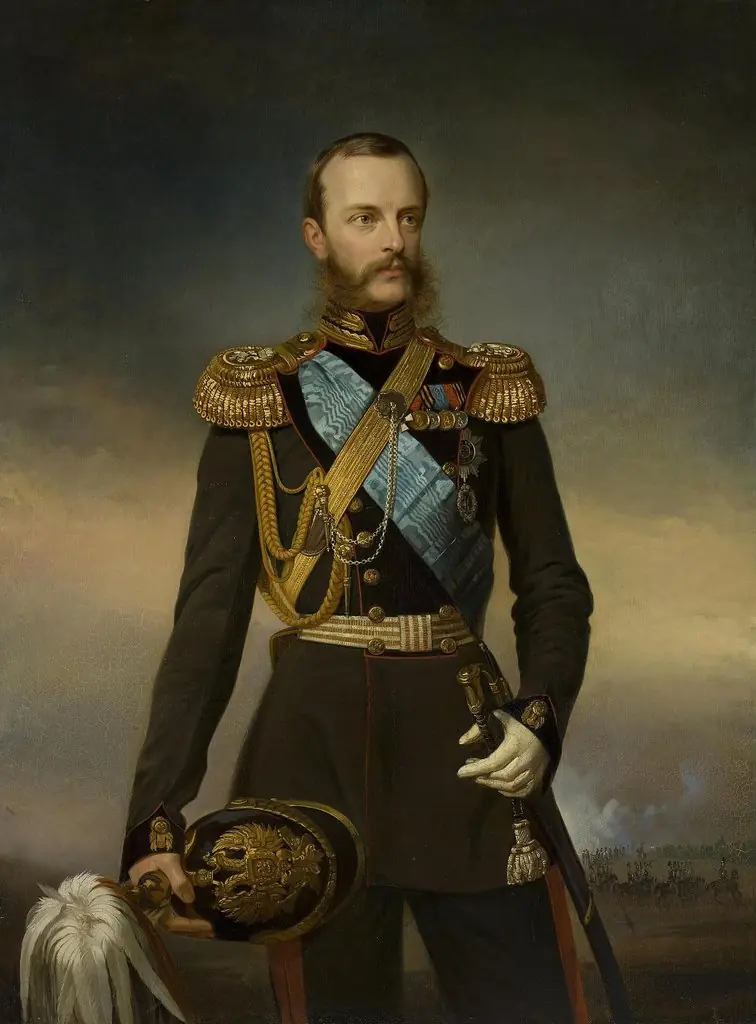 Portrait of Grand Duke Mikhail Nikolaevich
 Portrait of Admiral Mikhail Lazarev
 Portrait of the Minister of the Court of Prince Volkonsky
 Portrait of Count Piotr Wittgenstein
 Portrait of a General
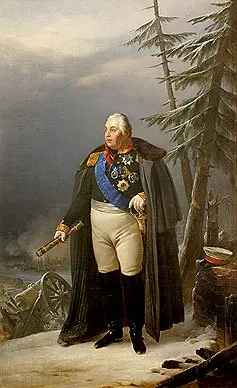 Portrait of Field Marshal Prince Mikhail Illarionovich Kutuzov
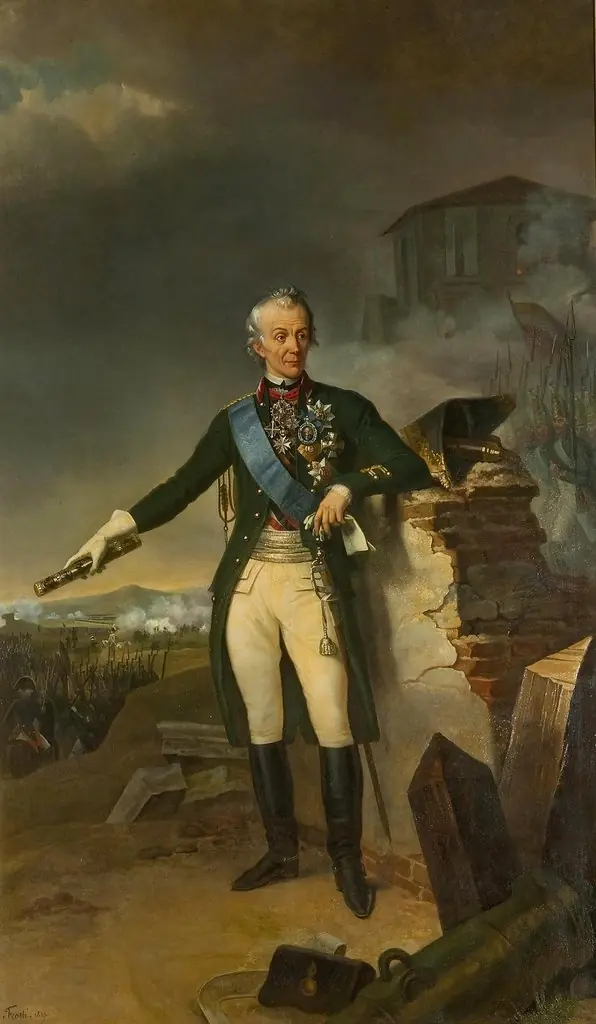 Portrait of Field Marshal, Prince Alexander V. Suvorov (1730-1800)
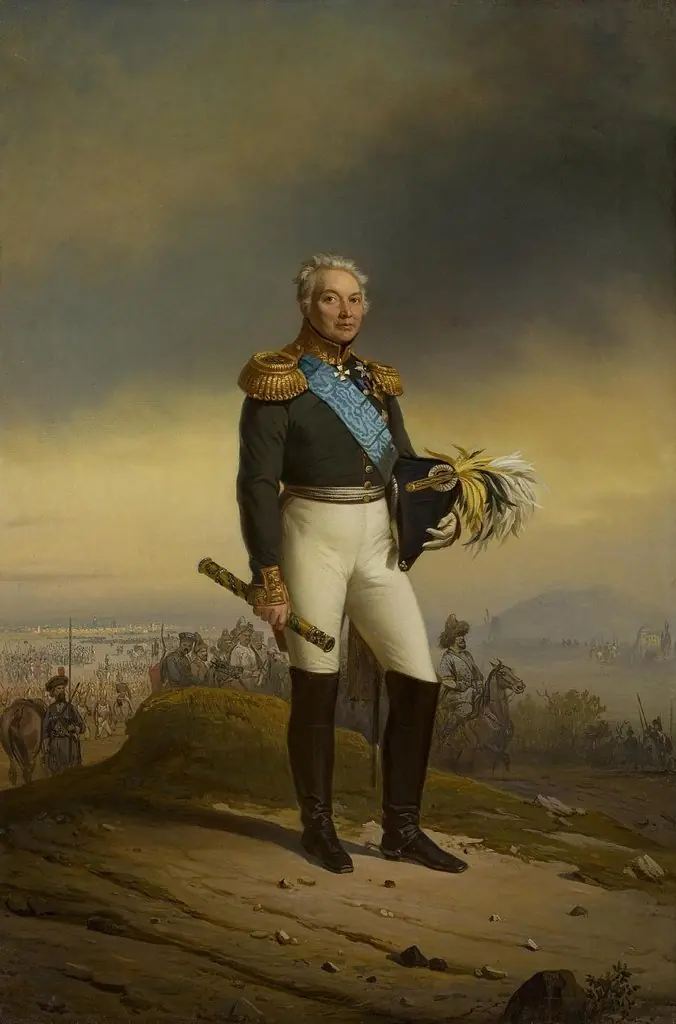 Portrait of Field-Marshal Count Fabian Osten-Sacken
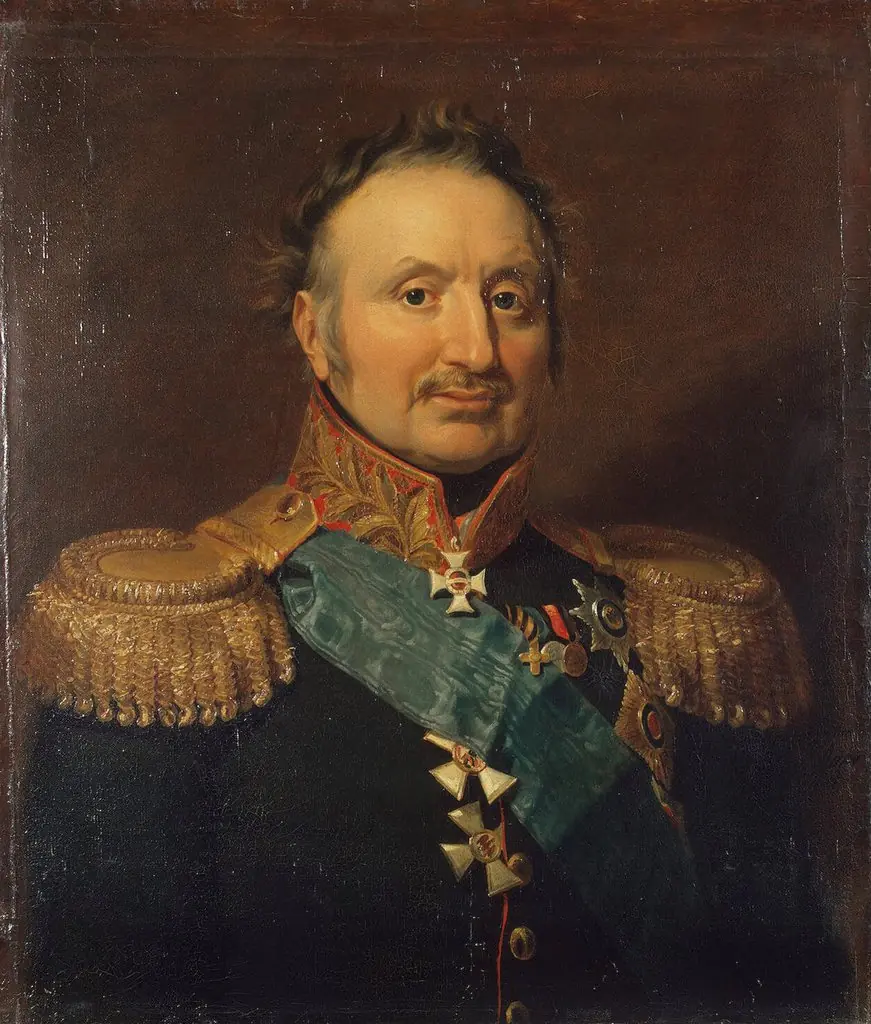 Portrait of Pyotr Kh. (Ludwig Adolf Peter) Wittgenstein (1768/69-1843)