Artwork
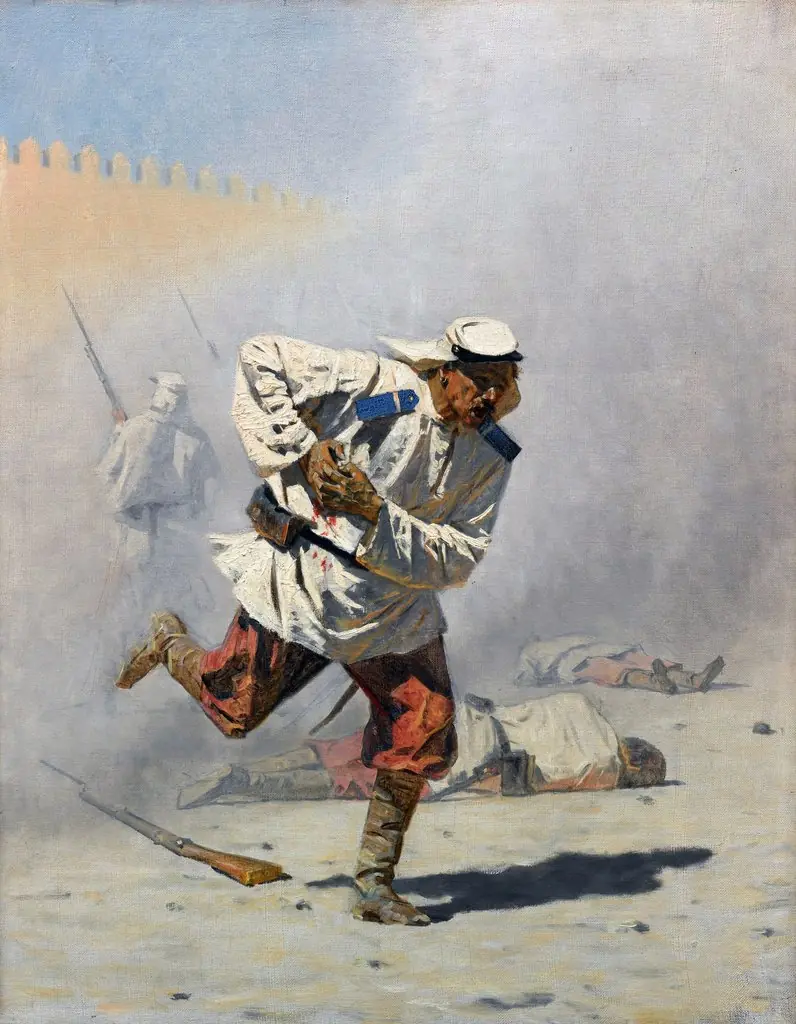
Wounded Zouave
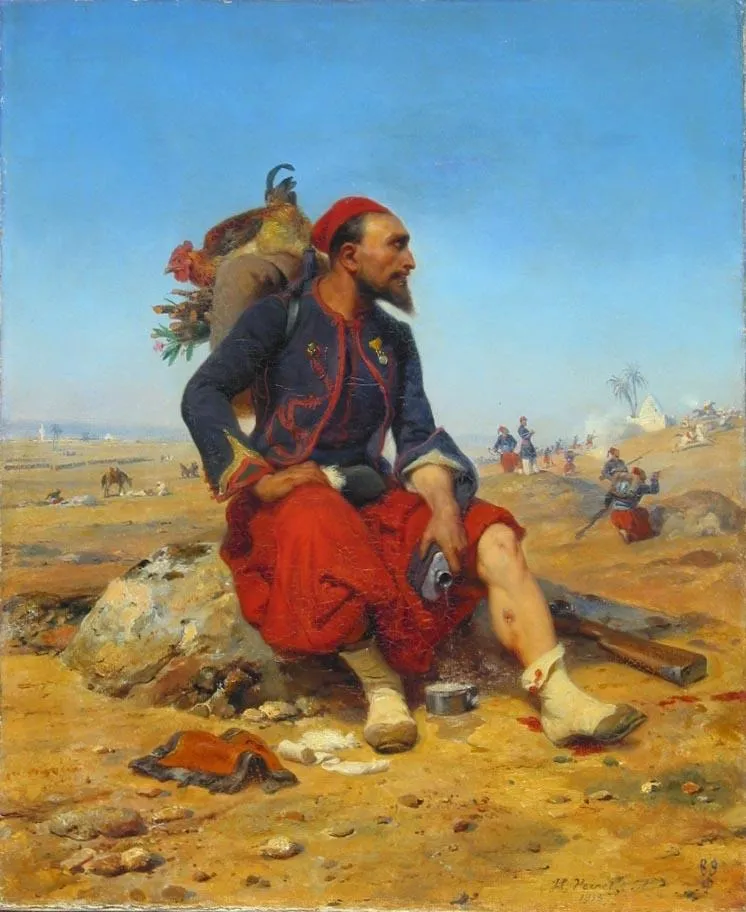
Wounded Zouave is an oil painting by Horace Vernet. It dates from 1858 and is held in the collection of the Hermitage Museum.
About this work
Overview
Wounded Zouave is an 1858 oil painting by French artist Émile Jean-Horace Vernet, housed in the State Hermitage Museum. The work typifies Vernet's penchant for military-themed art, reflecting his interest in historical and contemporary warfare.
Subject & Meaning
The painting portrays a seated Zouave soldier, identifiable by his red fez and blue jacket, nursing a wounded right leg. His attire and equipment, including a distinctive backpack adorned with a rooster, suggest a sense of individuality amidst the broader context of conflict.
Technique & Style
Vernet employs chiaroscuro, juxtaposing strong light and dark to create depth and emphasize the soldier's figure against a serene desert backdrop. The contrast between the soldier's contemplative pose and the active landscape hints at narrative complexity.
History & Provenance
Created in 1858, the painting is part of the State Hermitage Museum's collection, reflecting Vernet's established reputation for military and Orientalist themes during his lifetime.
Context
Wounded Zouave sits within Vernet's broader oeuvre of military and historical subjects, aligning with 19th-century European fascinations with Orientalism and the experiences of French troops in North Africa.
Legacy
While not individually renowned as a singular landmark, Wounded Zouave contributes to Vernet's legacy as a prolific painter of military life, offering insights into 19th-century artistic and cultural preoccupations.
Artist & collection
Artist
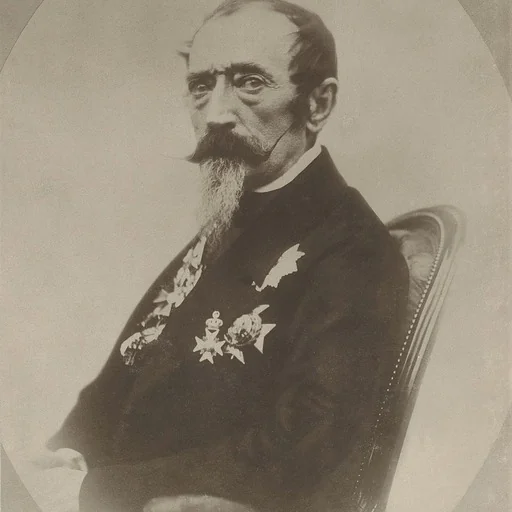
Émile Jean-Horace Vernet (French pronunciation: ; 30 June 1789 – 17 January 1863), better known as Horace Vernet, was a French painter of battles, portraits, and Orientalist subjects.

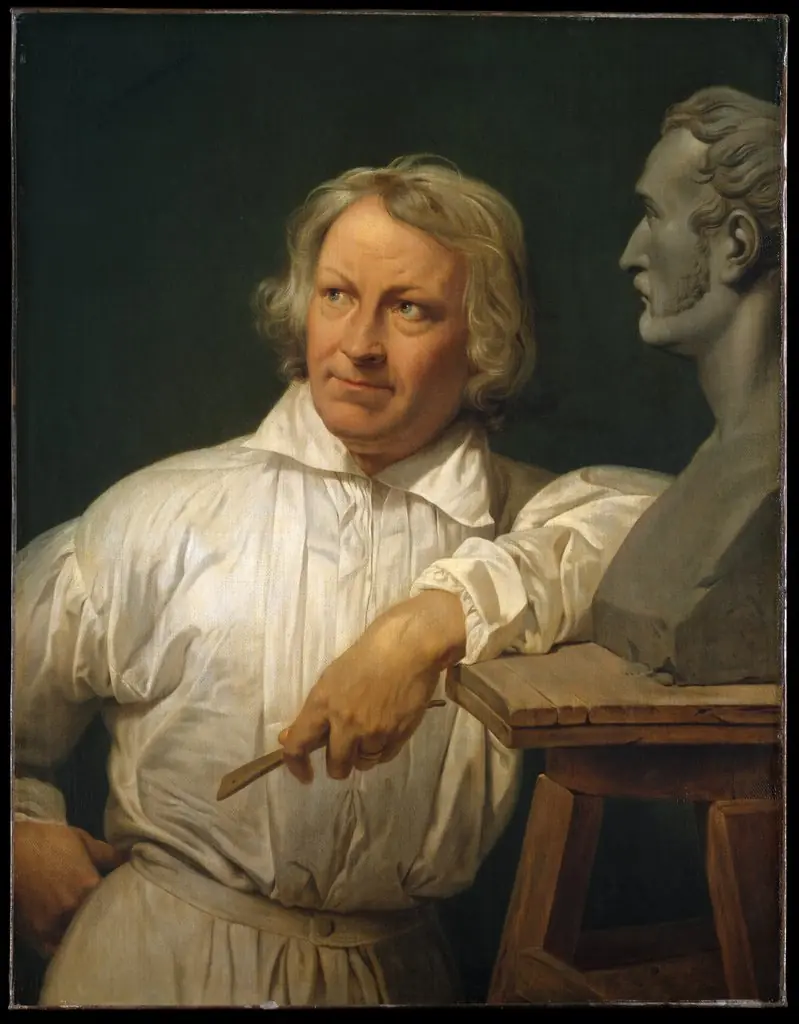 Bertel Thorvaldsen (1768–1844) with the Bust of Horace Vernet
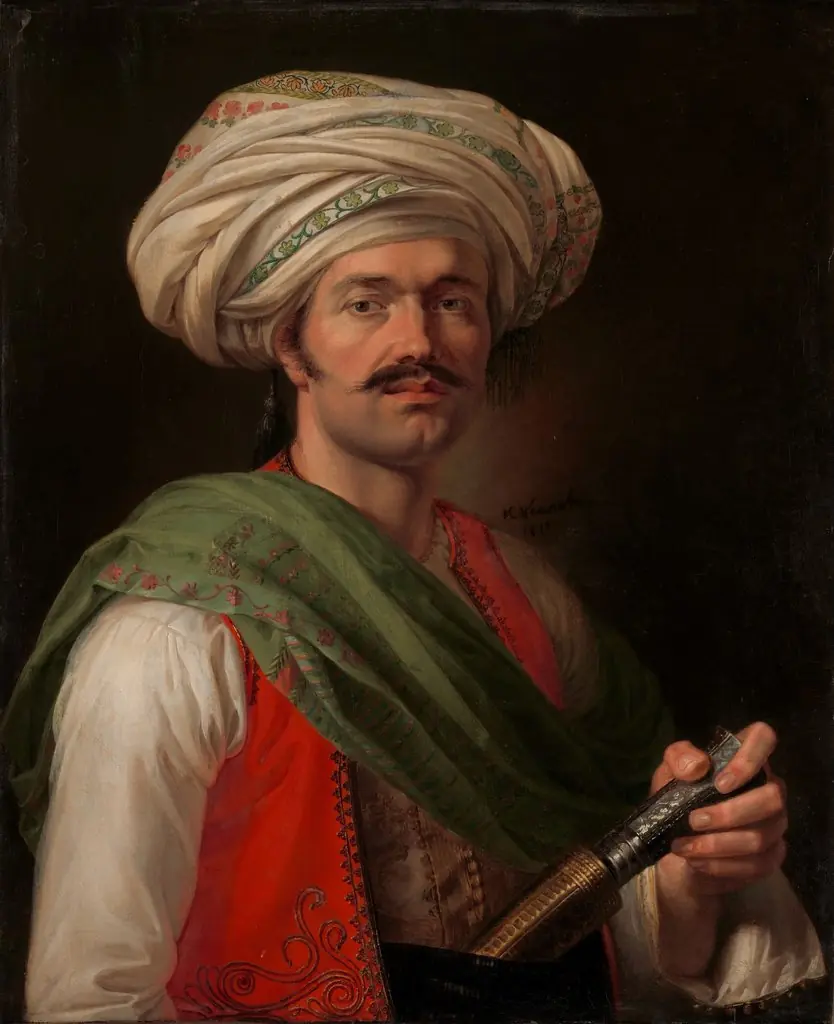 Portrait of a Mameluke, said to be Roustam Raza
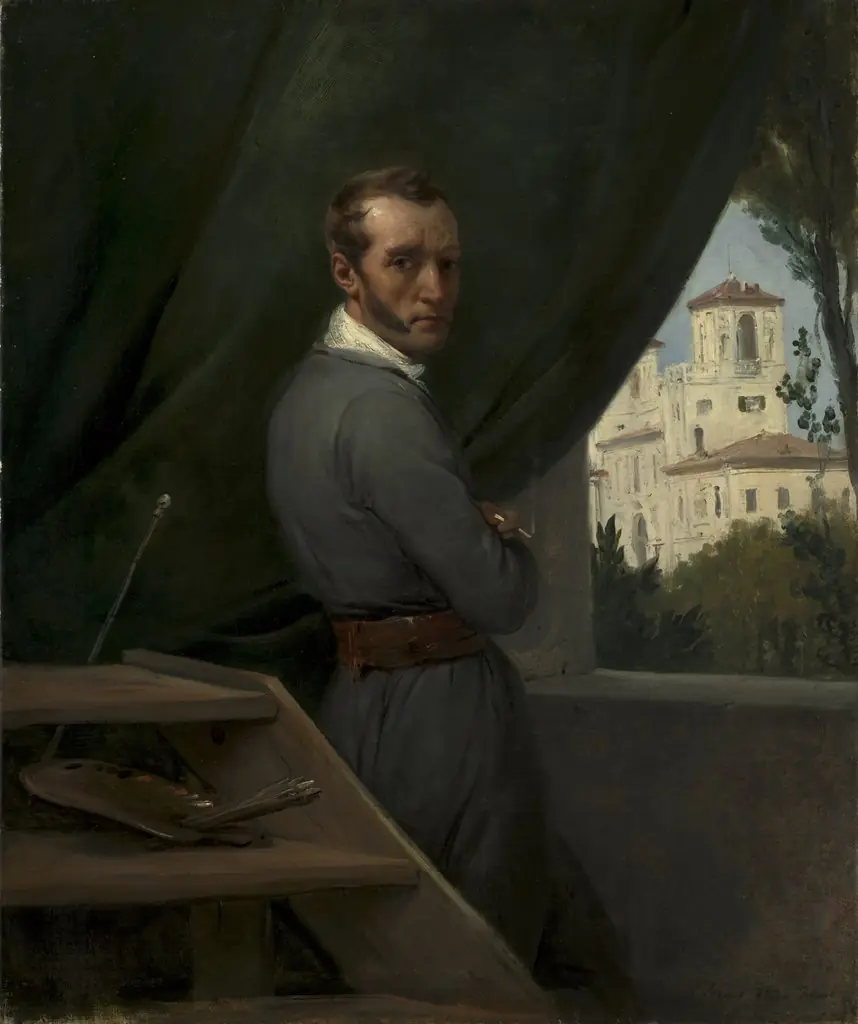 Self-Portrait in Rome
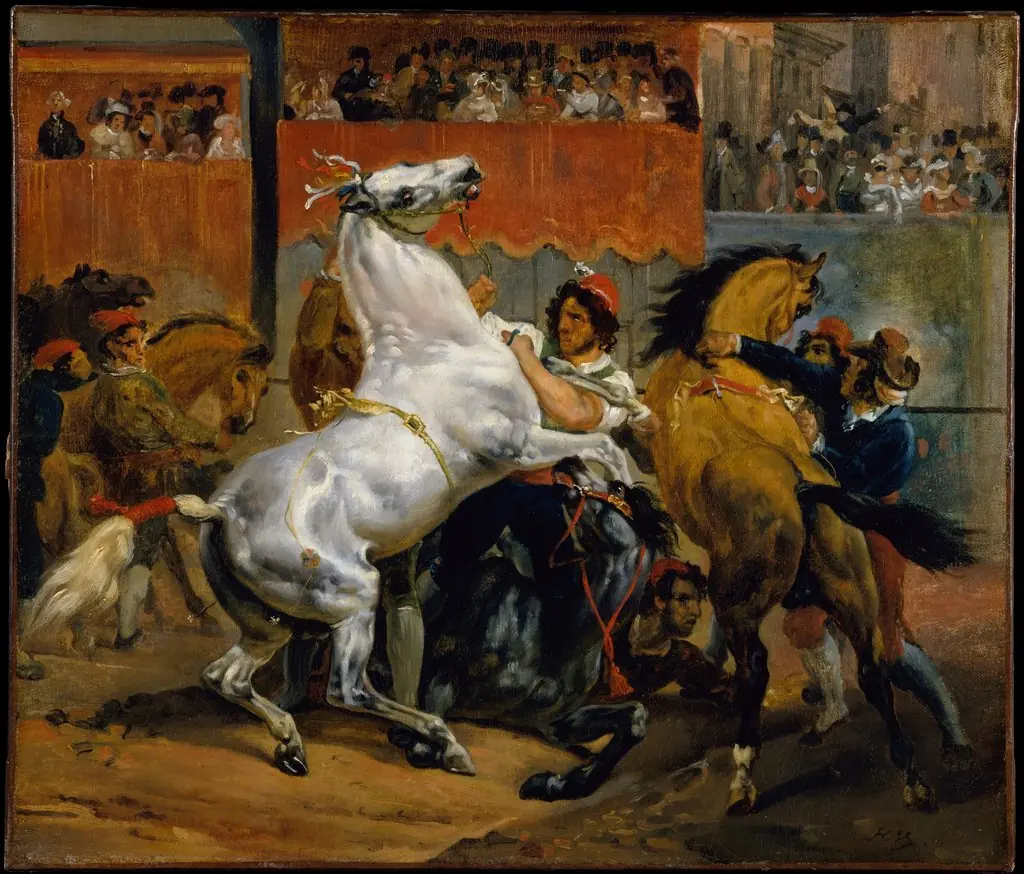 The Start of the Race of the Riderless Horses
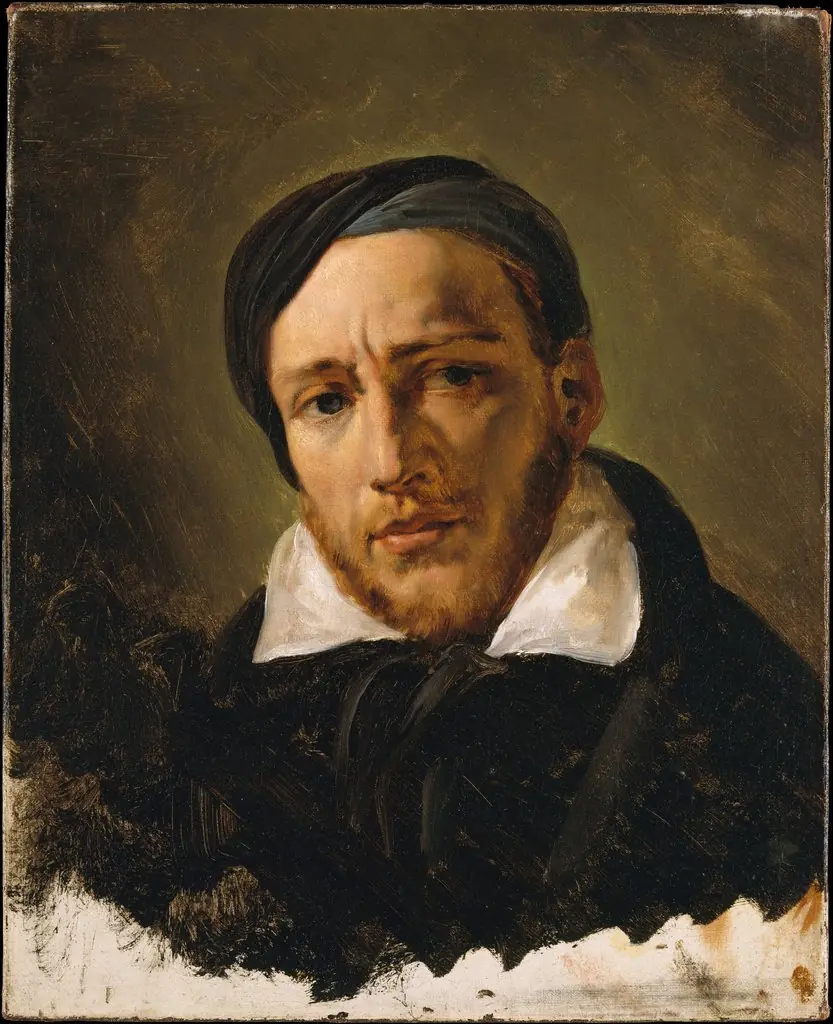 Jean-Louis-André-Théodore Gericault (1791–1824)
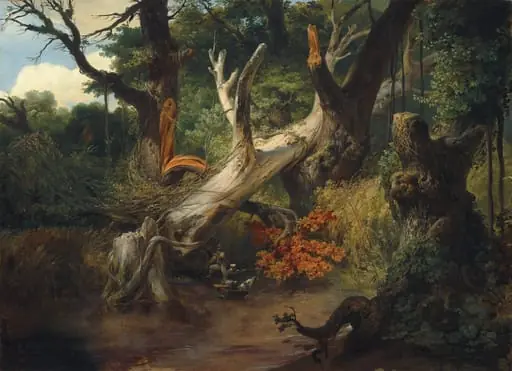 Hunting in the Pontine Marshes
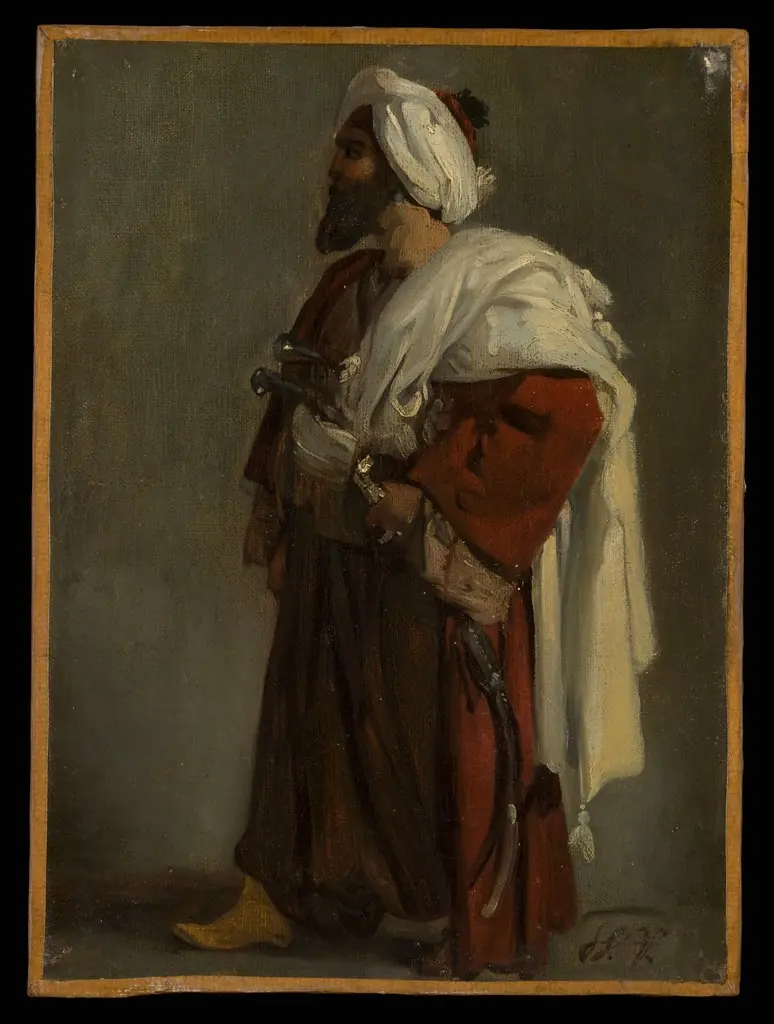 Arab Warrior
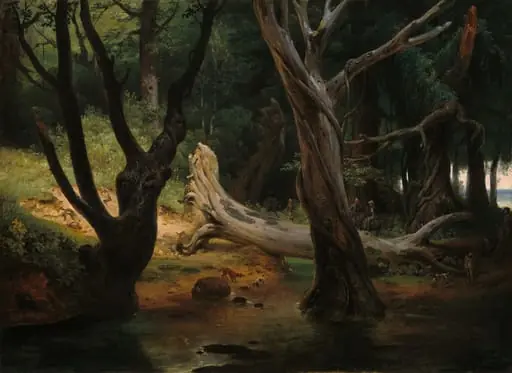 Departure for the Hunt in the Pontine Marshes