Artwork
Portrait of Bernardus Siegfried Albinus, doctor of medicine at Leiden
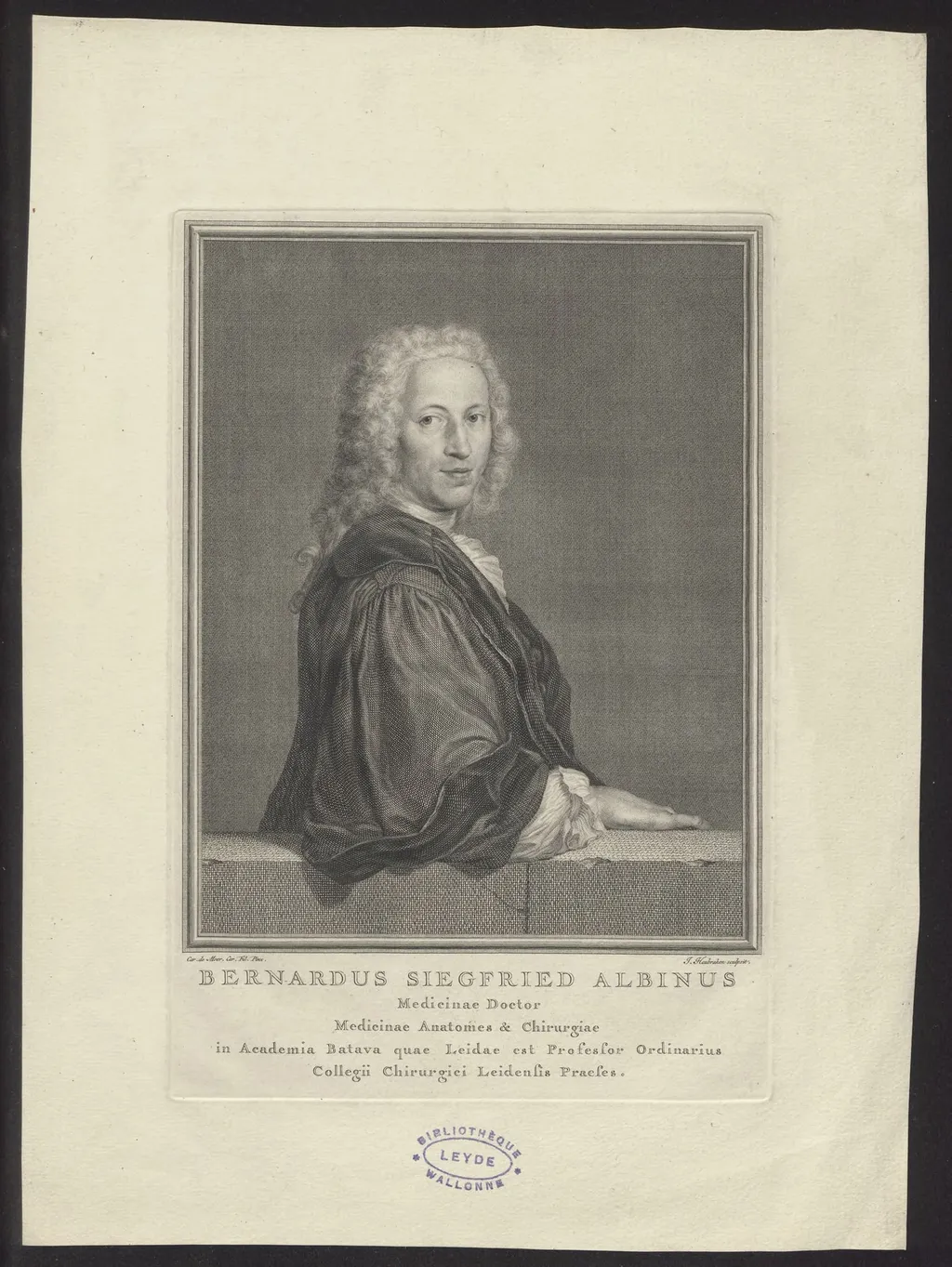
Portrait of Bernardus Siegfried Albinus, doctor of medicine at Leiden is an unspecified painting by the Dutch Golden Age artist Jacob, Houbraken. It dates from 1750 and is held in the collection of the Leiden University Libraries. This portrait depicts Bernardus Siegfried Albinus, a physician affiliated with Leiden University, rendered in oil on canvas.
About this work
Overview
This portrait depicts Bernardus Siegfried Albinus, a physician affiliated with Leiden University, rendered in oil on canvas. The image is a reproduction based on an earlier painting by Carolus de Moor, capturing Albinus in a scholarly setting. The composition emphasizes stillness and intellectual presence, typical of 18th-century academic portraiture.
Subject & Meaning
Albinus is portrayed as a learned man, seated at a desk and engaged with a book, suggesting his dedication to medical scholarship. His formal attire and composed expression reflect the dignity associated with academic authority in Enlightenment-era Europe. The image conveys not merely likeness, but the cultural value placed on empirical knowledge and professional gravitas.
Technique & Style
The painting employs controlled lighting to model the figure against a dark background, enhancing volume and focus. Brushwork is precise, particularly in the rendering of fabric and facial features, aligning with the conventions of Dutch portraiture. Subtle tonal contrasts guide the viewer’s attention to the subject’s face and hands, reinforcing his role as an intellectual.
History & Provenance
The portrait originates from a lost original by Carolus de Moor, created during Albinus’s lifetime. This version likely dates to the early 18th century, produced as a copy for institutional or familial use. It entered institutional collections in the 19th century, where it was preserved as a record of Leiden’s medical faculty.
Context
Albinus was a prominent anatomist and professor whose work contributed to the standardization of medical illustration. His portrait reflects the broader trend of universities commissioning images of distinguished faculty to reinforce institutional prestige. Such portraits were often displayed in lecture halls or libraries, linking scholarly identity with visual representation.
Legacy
The portrait endures as a document of academic culture in the Dutch Republic, illustrating how medical professionals were visually framed as rational, disciplined figures. Though not widely known outside specialist circles, it remains a quiet testament to the institutionalization of medical education in early modern Europe.
Artist & collection
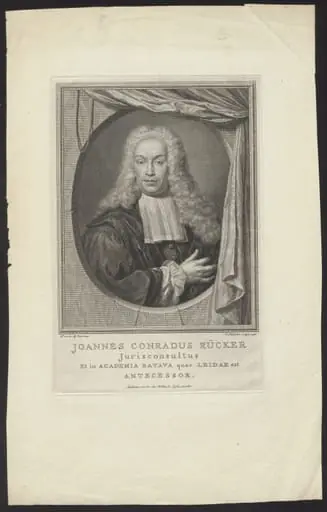 Portrait of Joannes Conradus Rücker
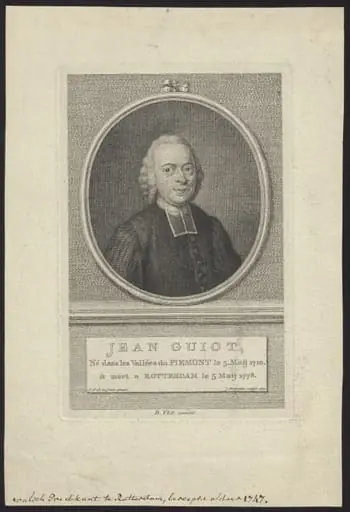 Portrait of Jean Guiot
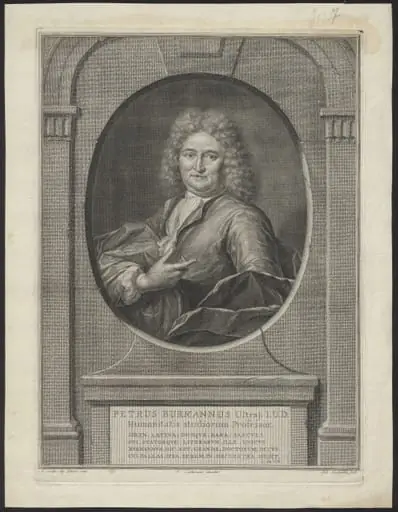 Portrait of Petrus Burmannus, Professor of Humanities
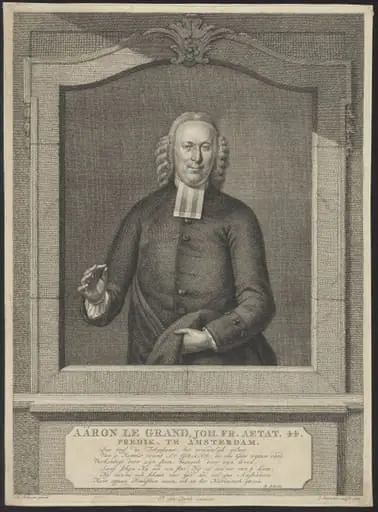 Portrait of Aaron le Grand, minister in Amsterdam
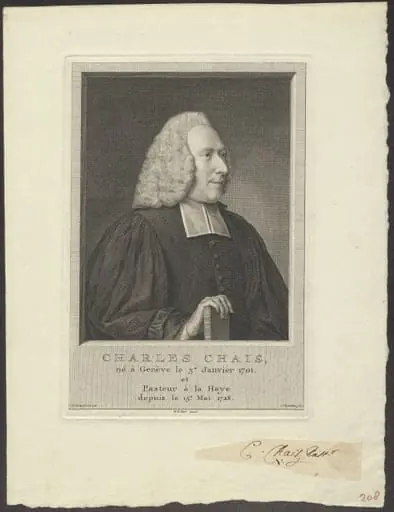 Portrait of Charles Chais, Pastor in The Hague
![Portrait of [Pierre Jacques Courtonne], by Jacob, Houbraken](https://artifactworldgallery.com/img/jacob-houbraken--portrait-of-pierre-jacques-courtonne--6455a7507ab17d46-w320.webp) Portrait of [Pierre Jacques Courtonne]
Portrait of [Pierre Jacques Courtonne]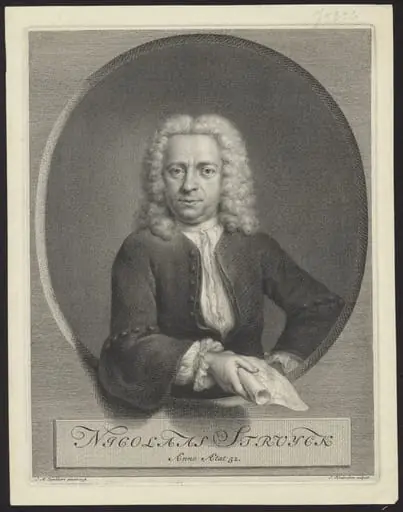 Portrait of Nicolaas Struyck
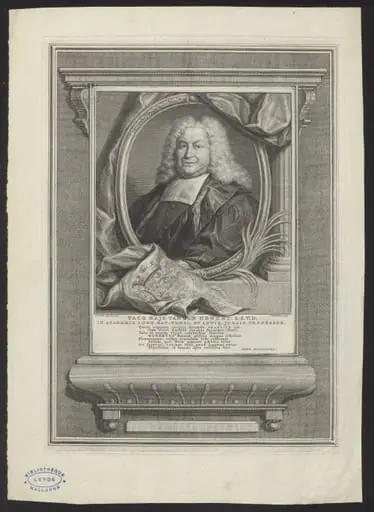 Portrait of Taco Hajo van den Honert
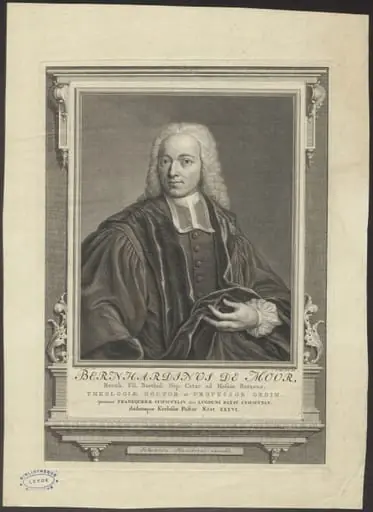 Portrait of Bernardinus de Moor, professor of theology
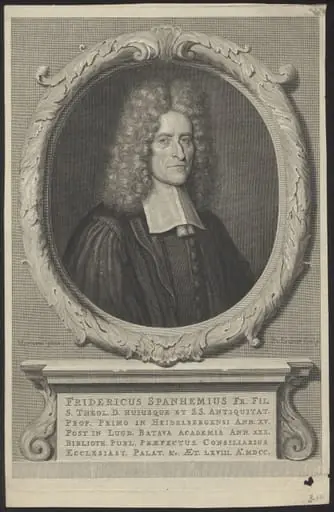 Portrait of Fridericus Spanhemius, professor of Theology and Antiquities
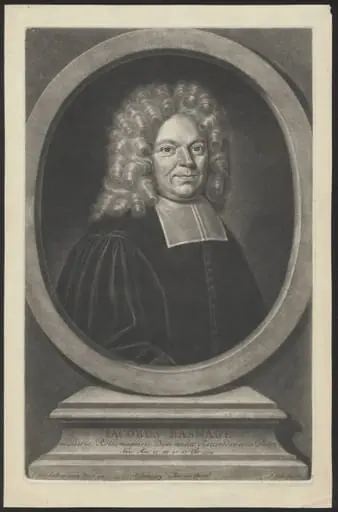 Portrait of Jacobus Basnage, Walloon minister and historian
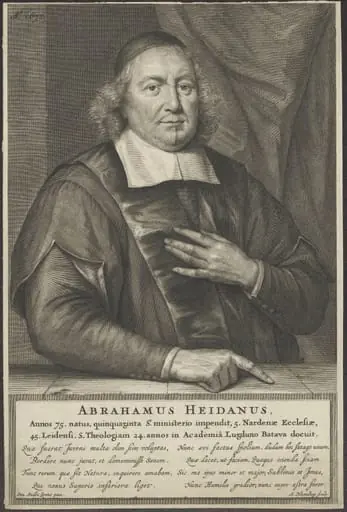 Portrait of Abraham Heidanus, professor of theology at Leiden
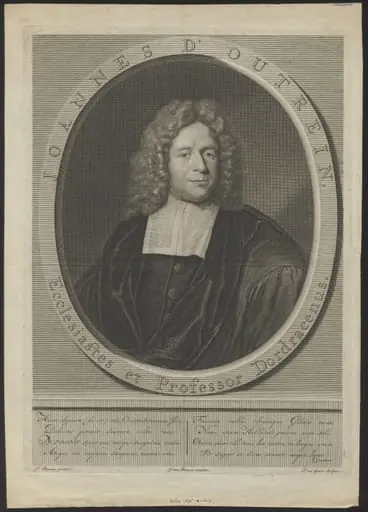 Portrait of Johannes D'Outrein, minister and professor in Dordrecht