Artwork
Portrait of Nicolaas Struyck
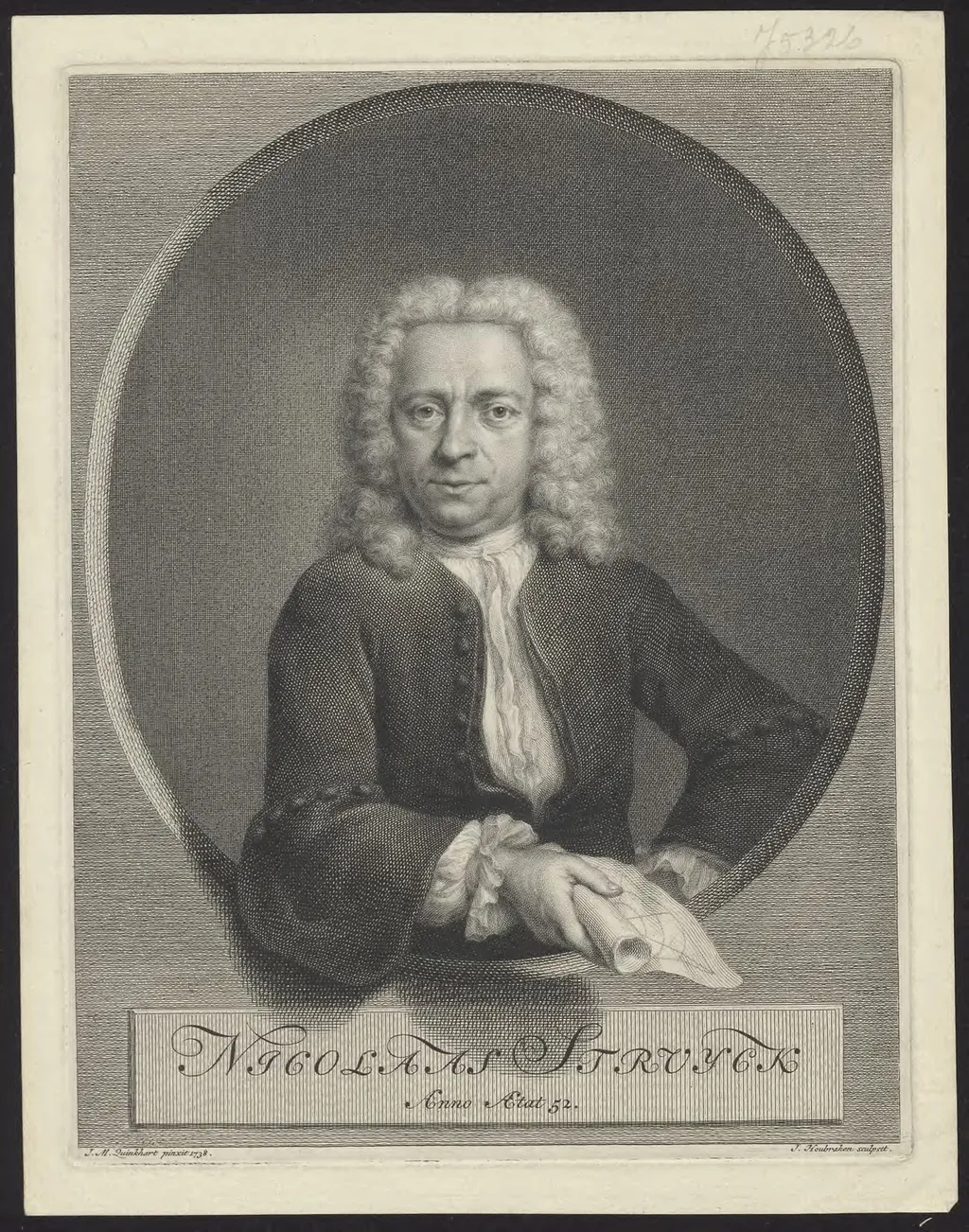
Portrait of Nicolaas Struyck is an unspecified painting by the Dutch Golden Age artist Jacob, Houbraken. It dates from 1750 and is held in the collection of the Leiden University Libraries. This image is a reproduction of a 1738 portrait by J.
About this work
This painting shows a man sitting with a book.
He looks serious and thoughtful.
The artist likely copied this from an earlier work, which is interesting because it shows how artists reused ideas.
The original painting was made by J.M. Quinkhart in 1738.
This copy is similar, but we don't know when it was made.
You can learn more about this style by looking at the technique of sfumato.
Overview
It reflects a common practice among artists of the period: reworking existing compositions rather than inventing entirely new ones.
This image is a reproduction of a 1738 portrait by J.M. Quinkhart, depicting Nicolaas Struyck seated with a book. Though the original painting is dated to that year, the provenance of this particular version remains undocumented. It reflects a common practice among artists of the period: reworking existing compositions rather than inventing entirely new ones. The subject’s pose and expression are preserved, suggesting fidelity to the source.
Subject & Meaning
Nicolaas Struyck is portrayed as a contemplative figure, seated and engaged with a book, likely indicating scholarly or professional identity. His serious gaze and restrained posture convey introspection rather than display. The book serves as a symbol of learning or authority, common in portraiture of educated elites. The absence of ornate surroundings focuses attention on the individual’s demeanor and intellectual presence.
Technique & Style
The rendering employs a subdued palette and soft transitions between light and shadow, aligning with the quiet realism of early 18th-century Dutch portraiture. While not exhibiting the pronounced sfumato of Renaissance works, the painting uses gentle gradations to model the face and fabric, creating a sense of volume without dramatic contrast. Brushwork is precise but unobtrusive, prioritizing clarity over expressive flourish.
History & Provenance
The original portrait was completed by J.M. Quinkhart in 1738. This version, while visually faithful, lacks documentation regarding its creation date or commission. Its existence suggests the portrait was valued enough to be replicated, possibly for family use or institutional display. The absence of signatures or inscriptions makes attribution and dating uncertain, though stylistic analysis supports an 18th-century origin.
Context
In the early 1700s, Dutch portraiture often emphasized sobriety and intellectual character, particularly for civic and professional figures. Reproductions of established likenesses were common, especially among families seeking to preserve ancestral images. This work fits within a tradition where portraiture served as both personal record and social statement, prioritizing dignity over individualized flair.
Legacy
The survival of this reproduction underscores the enduring interest in Quinkhart’s composition and the subject’s status. While not widely known today, such copies played a role in the circulation of visual culture among middle and upper classes. They reflect how portraiture functioned as a stable, repeatable form—valued for its reliability rather than innovation.
Artist & collection
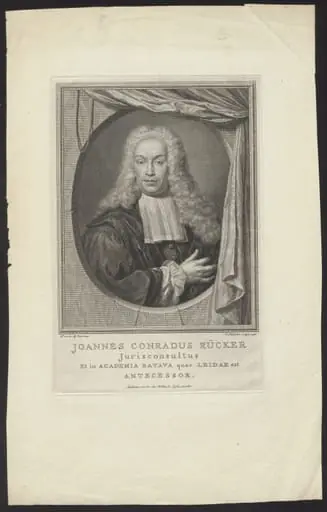 Portrait of Joannes Conradus Rücker
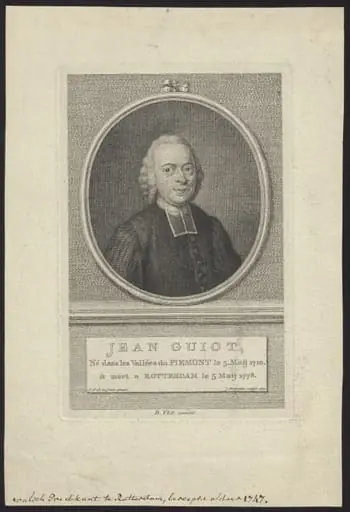 Portrait of Jean Guiot
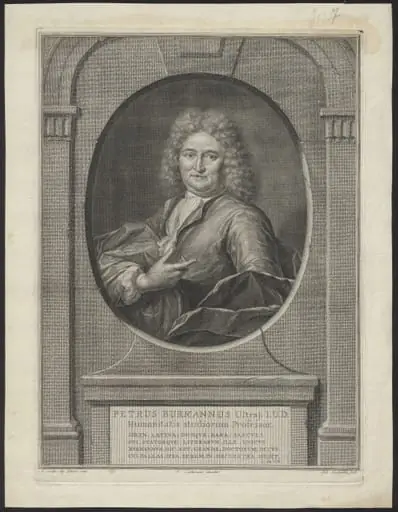 Portrait of Petrus Burmannus, Professor of Humanities
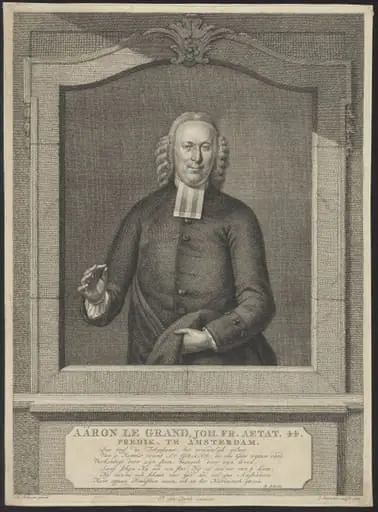 Portrait of Aaron le Grand, minister in Amsterdam
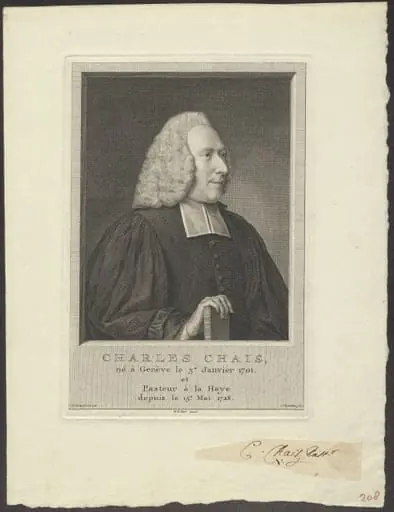 Portrait of Charles Chais, Pastor in The Hague
![Portrait of [Pierre Jacques Courtonne], by Jacob, Houbraken](https://artifactworldgallery.com/img/jacob-houbraken--portrait-of-pierre-jacques-courtonne--6455a7507ab17d46-w320.webp) Portrait of [Pierre Jacques Courtonne]
Portrait of [Pierre Jacques Courtonne]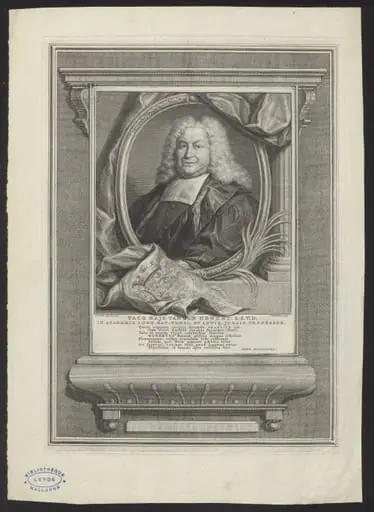 Portrait of Taco Hajo van den Honert
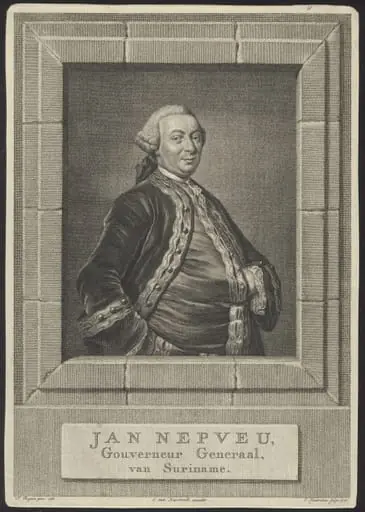 Portrait of Jan Nepveu, Governor-General of Surinam
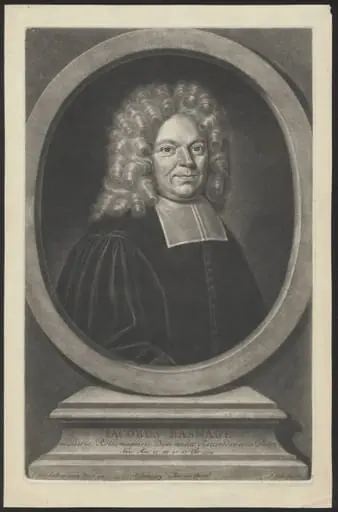 Portrait of Jacobus Basnage, Walloon minister and historian
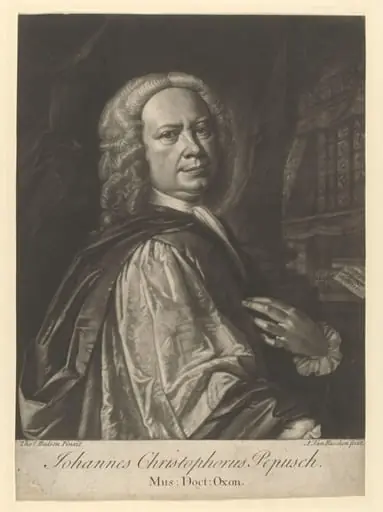 H Beard Print Collection
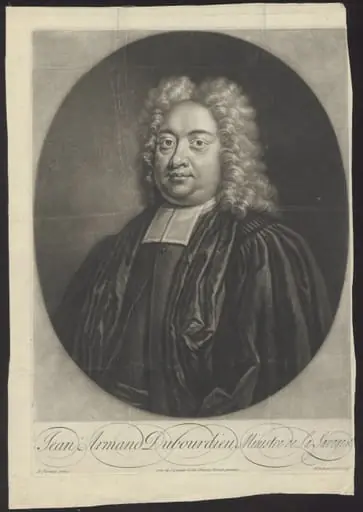 Portrait of Jean Armand Dubourdieu, Ministre de la Savoye
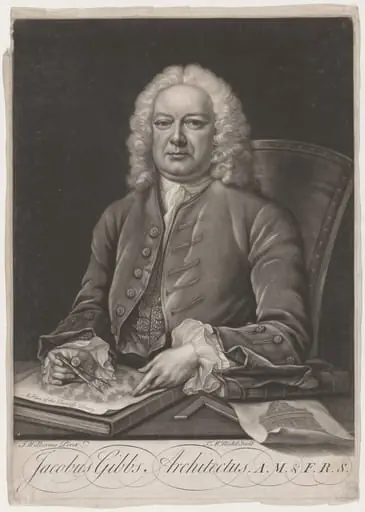 James Gibbs, Architect
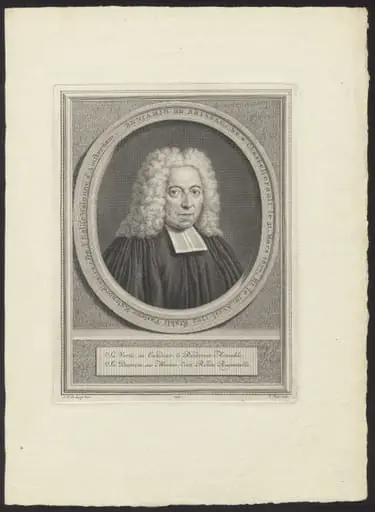 Portrait of Benjamin de Brissac, minister of the Walloon Church in Amsterdam
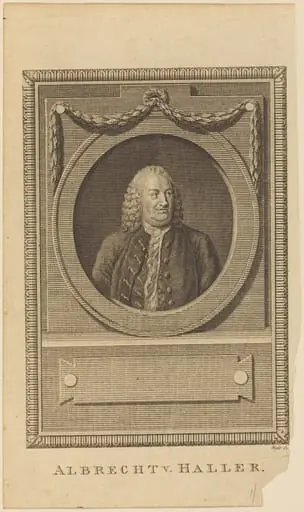 Albrecht V. Haller
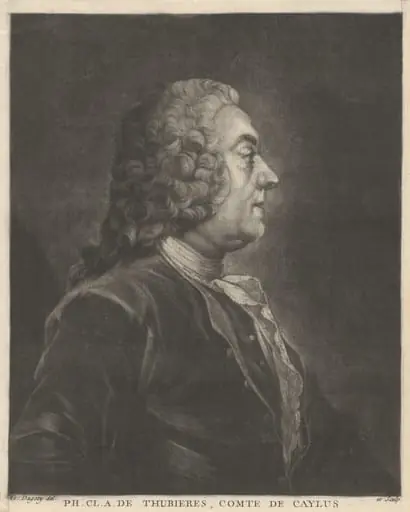 Ph. Cl. A. de Thubières, Comte de Caylus
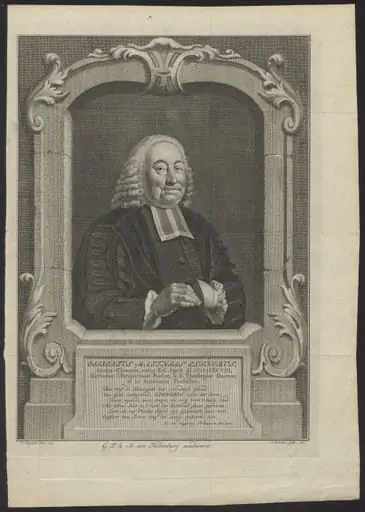 Portrait of Gisbertus Matthias Elsnerus