Artwork
Portrait of [Pierre Jacques Courtonne]
![Portrait of [Pierre Jacques Courtonne], by Jacob, Houbraken, unspecified, 1778](https://artifactworldgallery.com/img/jacob-houbraken--portrait-of-pierre-jacques-courtonne--6455a7507ab17d46-w1024.webp)
Portrait of [Pierre Jacques Courtonne] is an unspecified painting by the Rococo painting artist Jacob, Houbraken. It dates from 1778 and is held in the collection of the Leiden University Libraries. This image is a reproductive work based on a portrait by P.
About this work
You can learn more about the artist's style by looking at the work of another artist, Houbraken, Jacob, (1698-1780).
This painting shows a man sitting at a table with papers and a book.
The man is Pierre Jacques Courtonne, and the painting is a copy of another work.
It's interesting because the original painting had inscriptions that were left out of this version.
The artist made some changes to create a unique piece.
You can learn more about the artist's style by looking at the work of another artist, Houbraken, Jacob, (1698-1780).
Overview
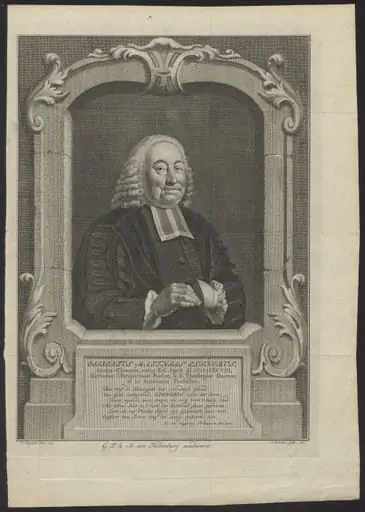
This image is a reproductive work based on a portrait by P.F. de la Croix, depicting Pierre Jacques Courtonne seated at a table surrounded by papers and a book. Unlike the original, this version omits all inscriptions, suggesting a deliberate simplification or adaptation. The composition retains the core elements of the source but presents a more restrained, unadorned appearance.
Subject & Meaning
Pierre Jacques Courtonne, a French jurist and scholar, is portrayed in a quiet, contemplative pose, emphasizing his intellectual profession. The books and documents on the table signify his engagement with legal or scholarly work. The absence of inscriptions removes explicit identifiers, shifting focus to his demeanor and environment rather than his titles or achievements.
Technique & Style
The rendering follows the conventions of 18th-century portraiture, with careful attention to texture in fabric and paper, and subdued lighting that models the figure softly. The style aligns with the restrained realism seen in contemporaries like Jacob Houbraken, favoring clarity over ornamentation. The omission of inscriptions reflects a choice to prioritize visual harmony over documentary detail.
History & Provenance
The image derives from a lost or altered original by P.F. de la Croix, likely created in the mid-18th century. This version, stripped of inscriptions, may have been produced for private circulation or as a study piece. Its provenance remains unclear, but its existence suggests a demand for simplified reproductions of scholarly portraits during the period.
Context
In the 18th century, portraits of jurists and academics were often reproduced to honor intellectual contributions. The removal of inscriptions in this version may reflect shifting tastes toward understated representation, or practical constraints in reproduction. Similar adaptations appear in works by artists like Houbraken, who frequently reinterpreted portraits for broader audiences.
Legacy
This image contributes to the visual record of Enlightenment-era intellectuals, preserving Courtonne’s likeness in a modified form. Its stripped-down aesthetic offers insight into how portraits were adapted for different contexts, revealing how identity and authority were conveyed through omission as much as inclusion.
Artist & collection
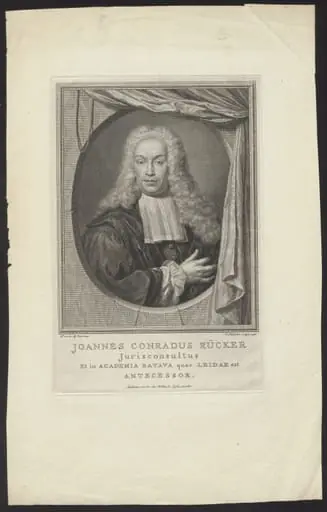 Portrait of Joannes Conradus Rücker
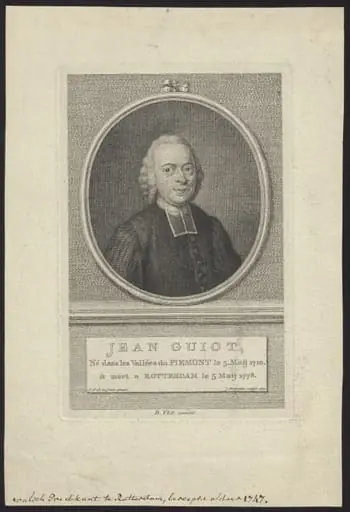 Portrait of Jean Guiot
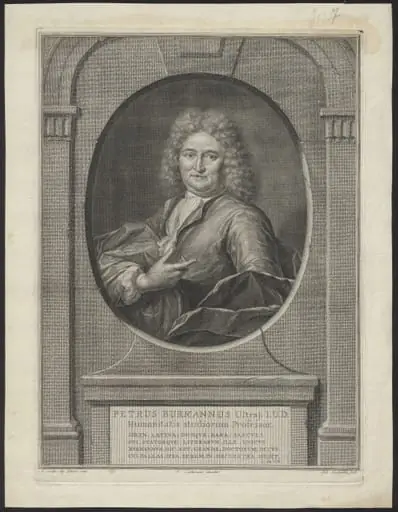 Portrait of Petrus Burmannus, Professor of Humanities
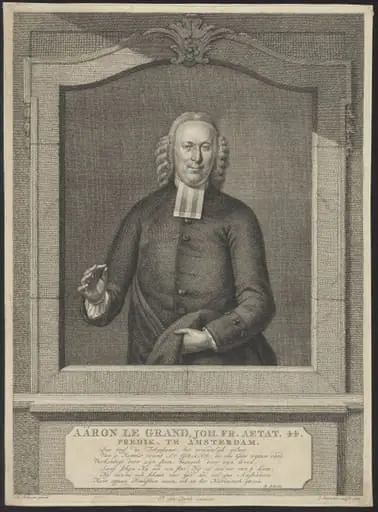 Portrait of Aaron le Grand, minister in Amsterdam
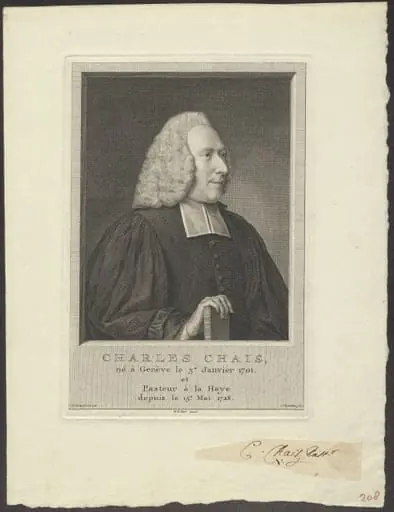 Portrait of Charles Chais, Pastor in The Hague
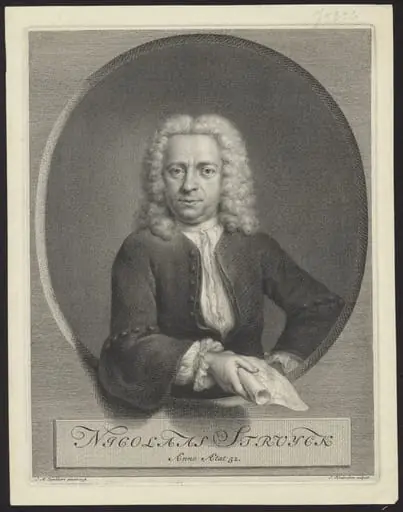 Portrait of Nicolaas Struyck
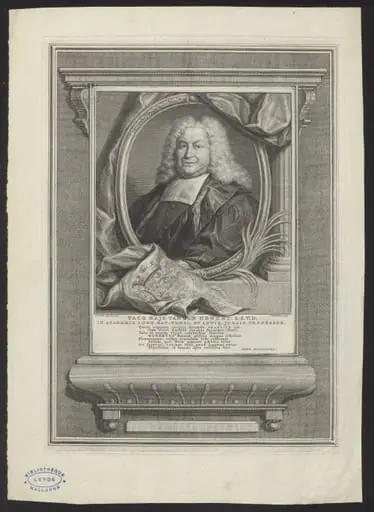 Portrait of Taco Hajo van den Honert
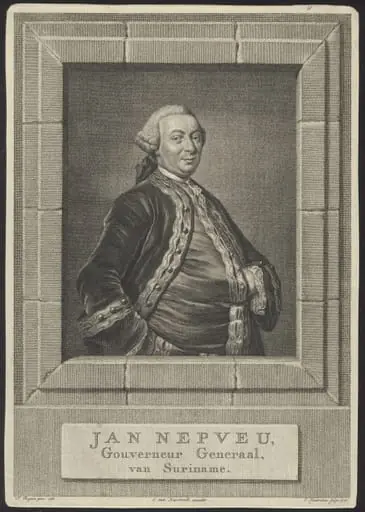 Portrait of Jan Nepveu, Governor-General of Surinam
![Portrait of J. Basnage, [Walloon minister and historian], by Pieter van, Gunst](https://artifactworldgallery.com/img/pieter-van-gunst--portrait-of-j-basnage-walloon-minister-and-historian--be59663770daddd2-w320.webp)