Artwork
Bunica și nepoata
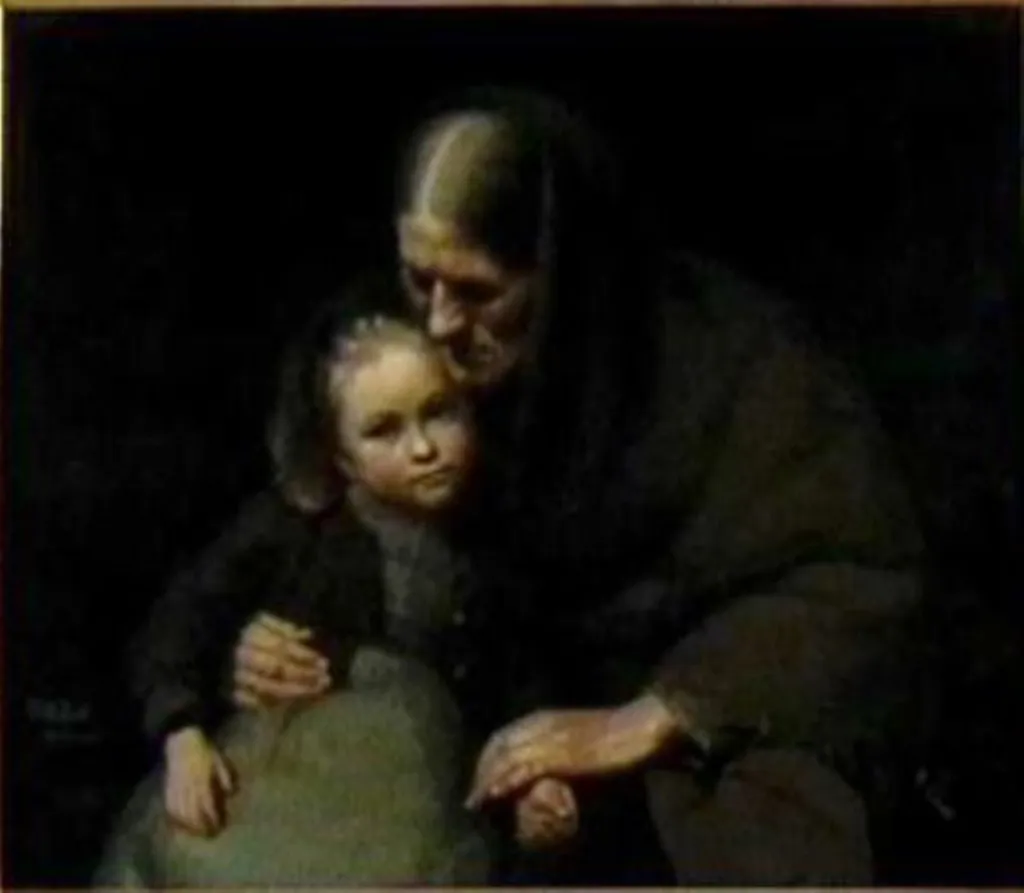
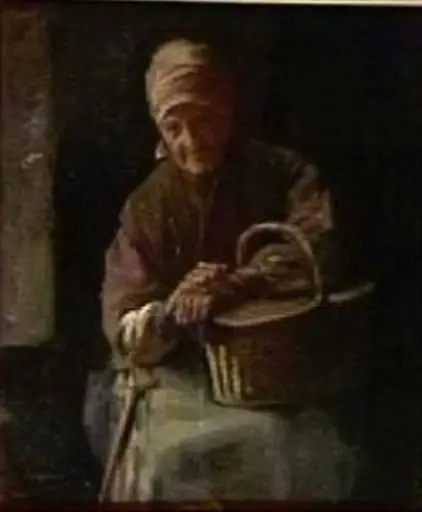
Bunica și nepoata is an unspecified painting by the Impressionist artist Constantin Daniel Stahi. It dates from 1873 and is held in the collection of the Moldova National Museum Complex.
About this work
This painting is an example of Impressionism and Realism, which were popular art movements in the 19th century.
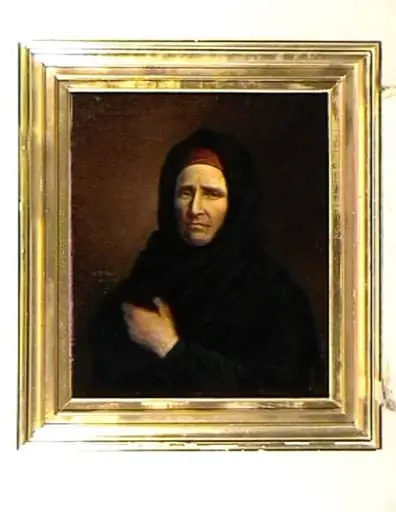
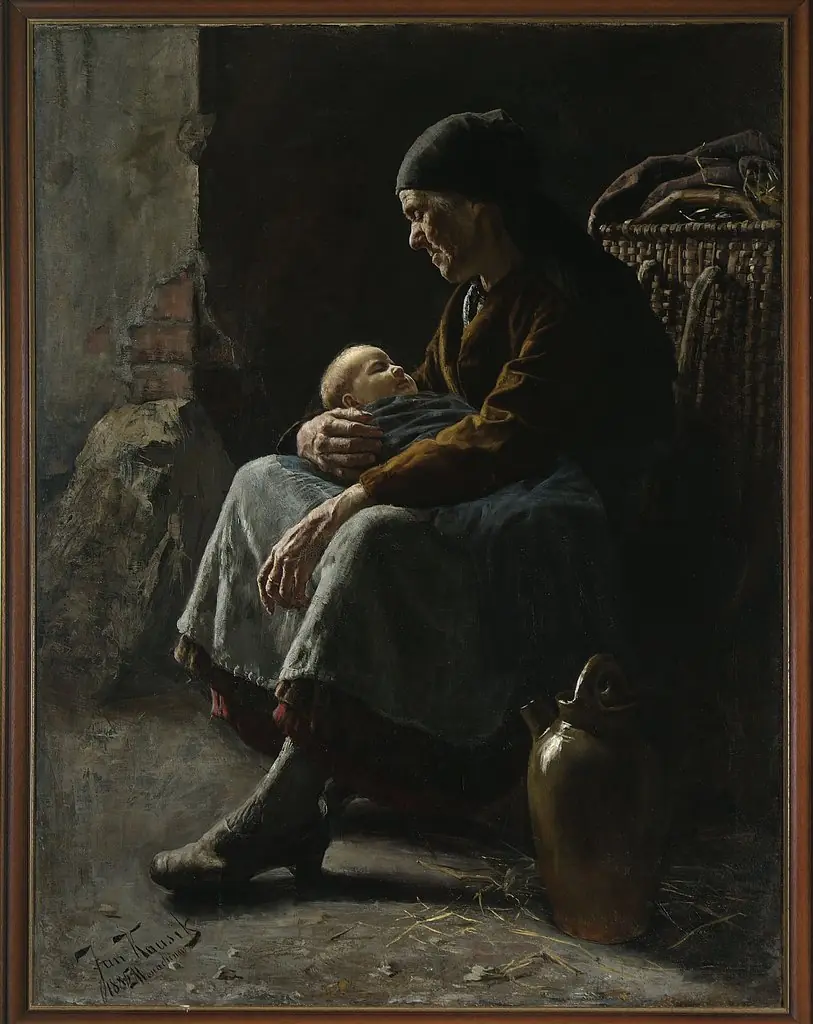
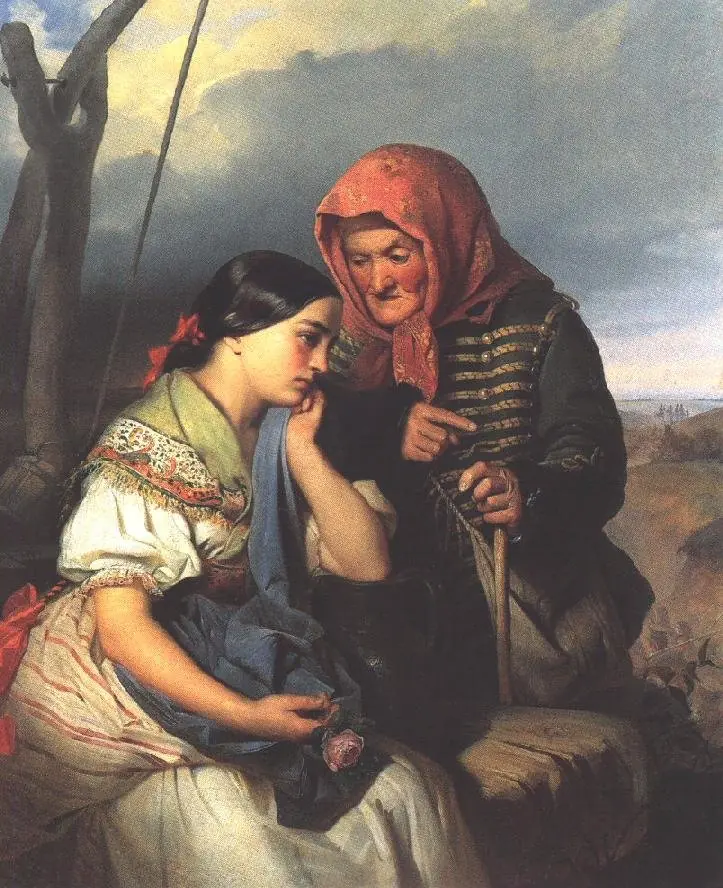
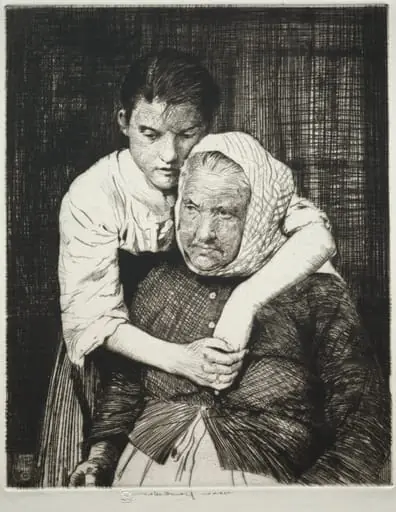
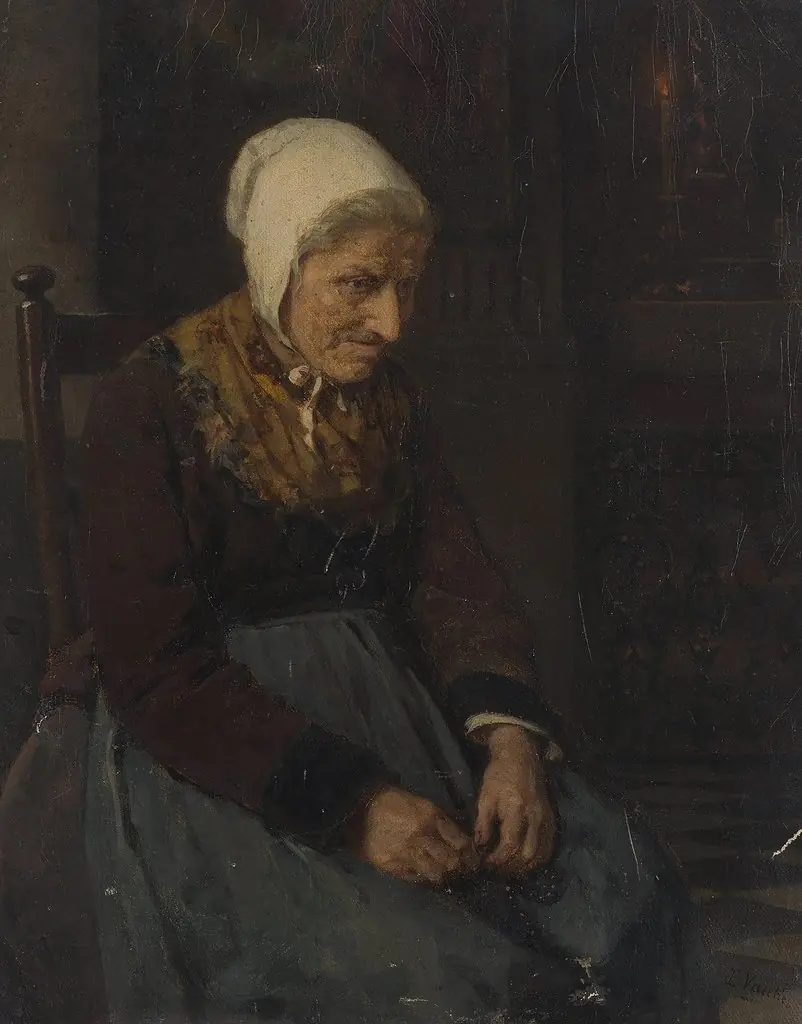
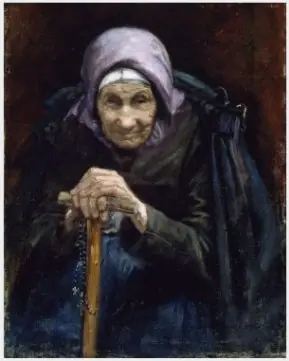
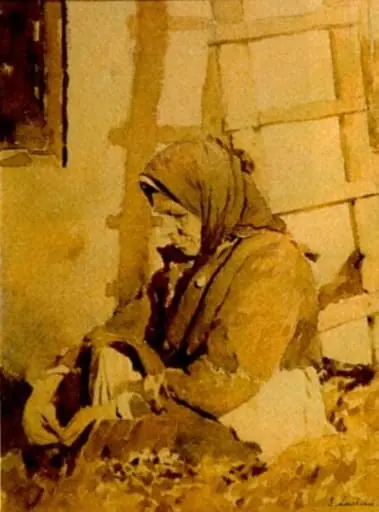
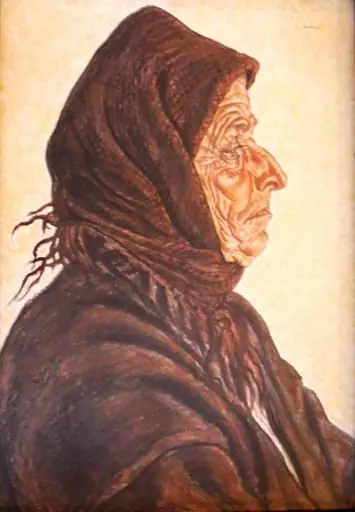
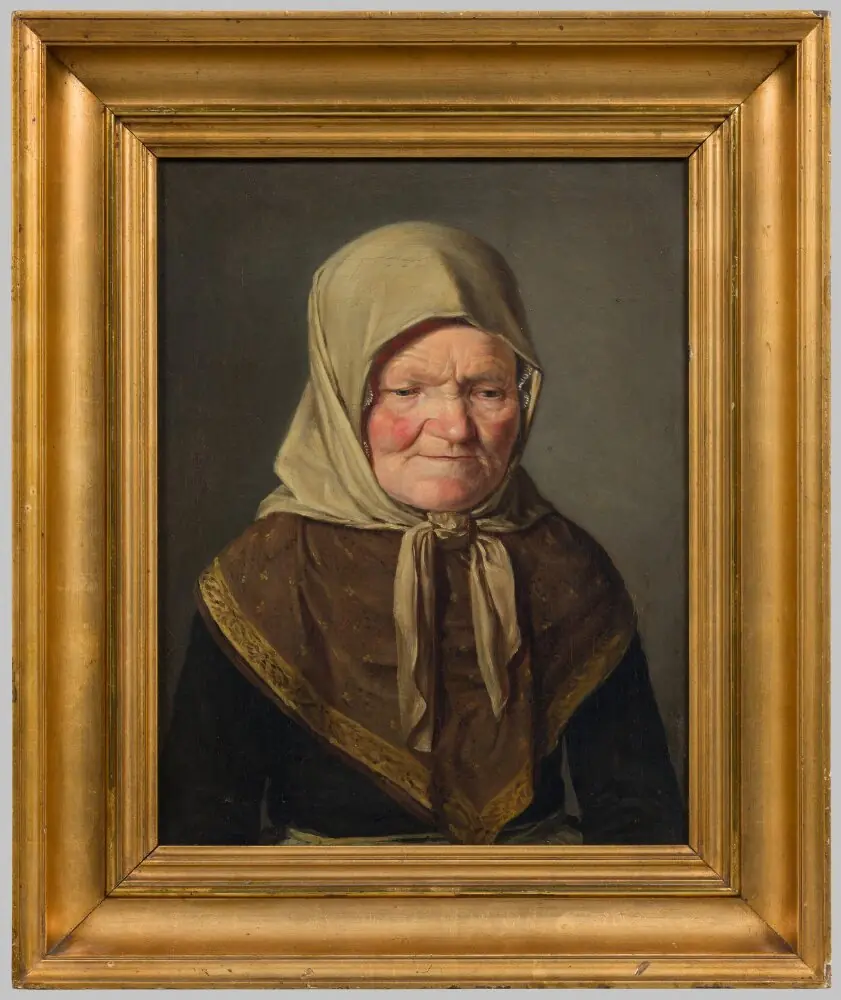
The painting shows an older woman and a young girl. The woman has her arm around the girl and is leaning down to her. They are both wearing dark clothing.
The girl is looking straight ahead, while the woman is looking down at her. The background of the painting is dark, which makes the two figures stand out.
This painting is an example of Impressionism and Realism, which were popular art movements in the 19th century. To learn more about these styles, look up the Impressionism movement.
Overview
Created in 1873 by Romanian artist Constantin Daniel Stahi, Bunica și nepoata depicts an intimate moment between an elderly woman and her young granddaughter. Rendered in oil on canvas, the composition centers on their quiet physical connection, framed against a muted, shadowed background that emphasizes their presence without distraction.
Subject & Meaning
The painting captures a tender, unspoken bond between generations. The grandmother’s protective posture and downward gaze suggest care and vigilance, while the child’s direct stare conveys innocence and stillness. No narrative action is depicted; instead, the work conveys emotional continuity through stillness, reflecting domestic intimacy as a subject worthy of artistic attention.
Technique & Style
Stahi employs a restrained palette of dark tones, with subtle variations in shadow and fabric texture to define form. The brushwork is precise yet soft, avoiding overt impressionistic looseness while retaining a sense of immediacy. The figures emerge from the background through careful tonal contrast rather than detailed rendering, aligning the work with a quiet realism rather than full impressionism.
History & Provenance
The painting was completed during Stahi’s early career, a period when Romanian artists were increasingly turning to domestic and folk themes as part of a national cultural awakening. It remained in private collections in Romania for much of the 20th century before being acquired by a public institution, where it is now preserved as part of the national artistic record.
Context
In 19th-century Romania, art was shifting from academic historicism toward scenes of everyday life. Stahi’s focus on a rural, intergenerational relationship reflects broader trends among Eastern European painters who sought dignity in ordinary moments. While influenced by Western realism, the work retains a distinctly local sensibility in its subject and emotional tone.
Legacy
Bunica și nepoata is recognized as an early example of Romanian genre painting that prioritized emotional authenticity over theatricality. It contributed to a growing canon of domestic imagery in Romanian art, influencing later generations who continued to explore familial and rural life with similar restraint and sensitivity.
Artist & collection
Artist
Romanian painter Constantin Daniel Stahi made oils that feel like family snapshots—quiet, domestic, and warm.