Artwork
The Colosseum
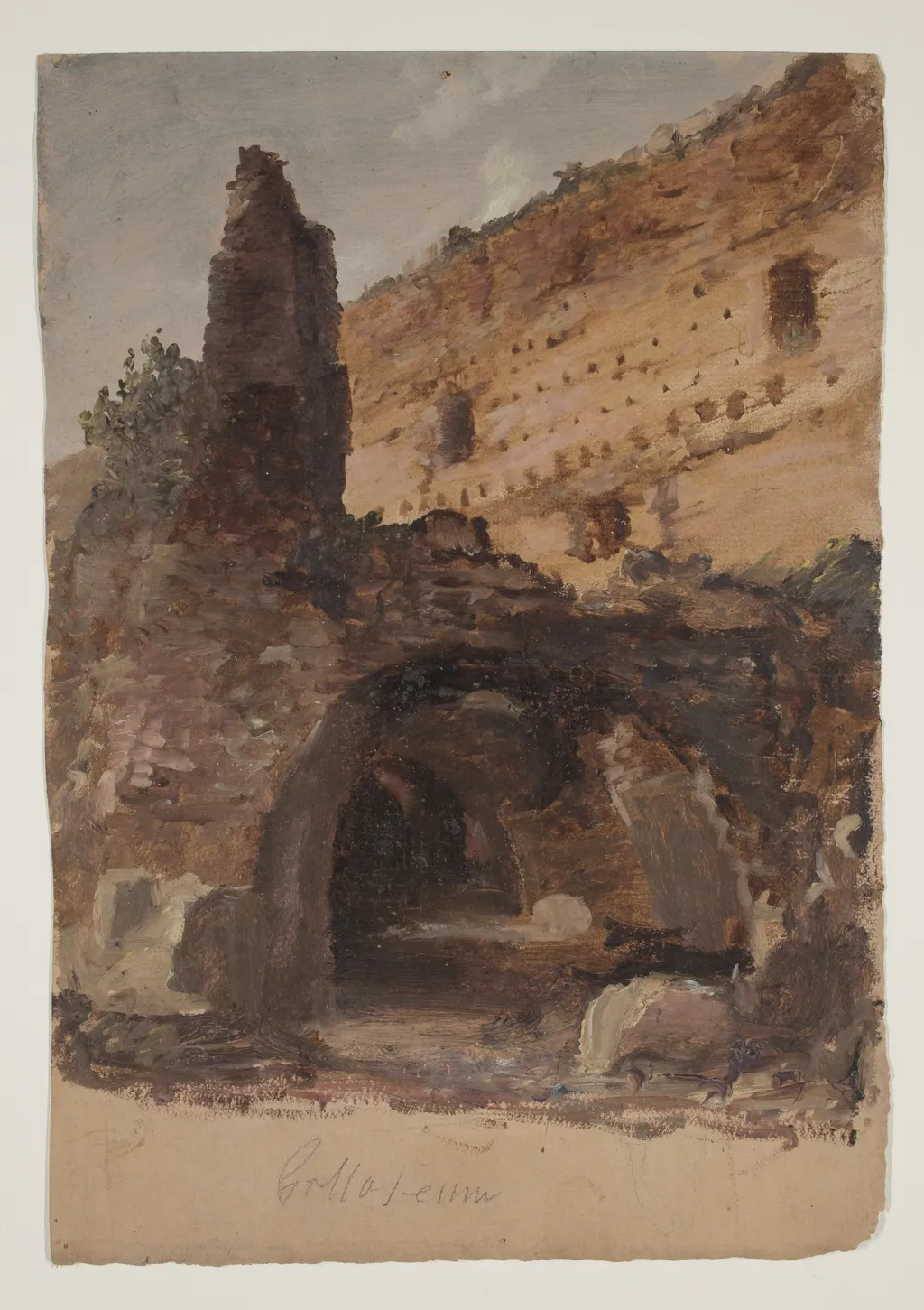
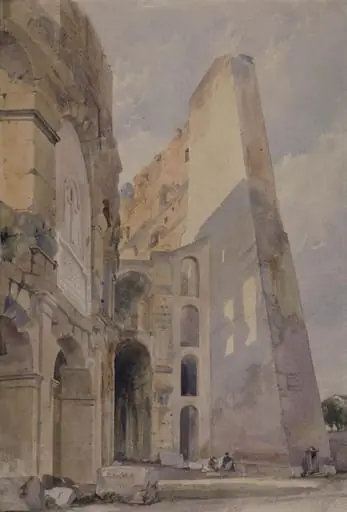
The Colosseum is an unspecified painting by Thomas Cole. It dates from 1832 and is held in the collection of the Detroit Institute of Arts.
About this work
Overview
Thomas Cole painted *The Colosseum* in 1832 during a period of travel in Europe, capturing the ruin as a subject of quiet contemplation.
Thomas Cole painted *The Colosseum* in 1832 during a period of travel in Europe, capturing the ruin as a subject of quiet contemplation. Executed in oil on canvas, the work aligns with his broader focus on landscapes infused with historical resonance. Though rooted in a European monument, the painting carries the sensibility of the Hudson River School, emphasizing atmosphere and the passage of time over literal representation.
Subject & Meaning
The Colosseum is presented not as a bustling landmark but as a silent relic, overtaken by nature. Vines and moss creep along its fractured stone, suggesting the inevitability of decay. Cole uses the ruin to evoke the cyclical nature of civilization—its rise, endurance, and eventual reclamation by the earth. The absence of human figures reinforces a tone of solitude and reflection, inviting viewers to consider the weight of history.
Technique & Style
Cole employed subtle gradations of earth tones—ochres, browns, and muted greens—to convey the texture of aged stone. Light falls diagonally across the archway, enhancing the sense of depth and volume without dramatic contrast. The brushwork is precise yet unobtrusive, allowing the structure’s weathering to speak for itself. The background hillside, faintly punctuated by openings, recedes softly, deepening the spatial illusion and quiet mood.
History & Provenance
Created during Cole’s European tour, the painting was likely made from sketches and direct observation. It entered the collection of the Detroit Institute of Arts in the early 20th century, where it remains today. While not among his most widely exhibited works, it reflects his sustained engagement with classical ruins as symbols of temporal change, a theme central to his later allegorical series.
Context
In the 1830s, American artists increasingly looked to Europe for subject matter, seeking to connect their emerging national identity with the weight of ancient civilizations. Cole’s depiction of the Colosseum diverged from romanticized grandeur, instead offering a subdued meditation on impermanence. This approach aligned with broader 19th-century intellectual currents that viewed ruins as moral lessons rather than mere tourist attractions.
Legacy
Though less celebrated than his allegorical cycles, *The Colosseum* exemplifies Cole’s ability to merge topographical accuracy with philosophical undertones. It influenced later American landscape painters who sought to infuse natural scenes with historical and ethical weight. The painting endures as a quiet testament to his belief that nature outlasts human ambition, a theme that resonates across his oeuvre.
Artist & collection

Artist
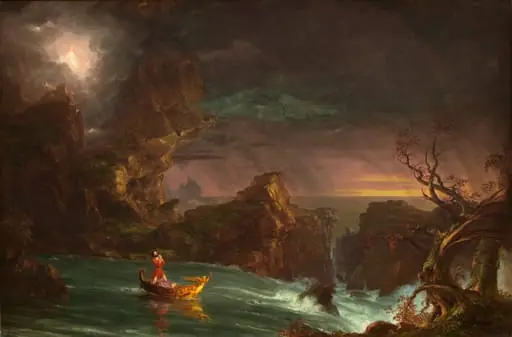
Thomas Cole (February 1, 1801 – February 11, 1848) was an Anglo-American artist who founded the Hudson River School art movement.

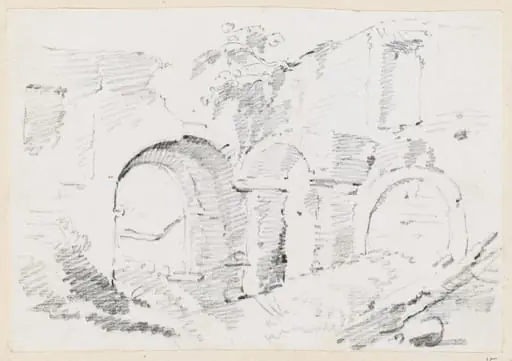 Roman Walls
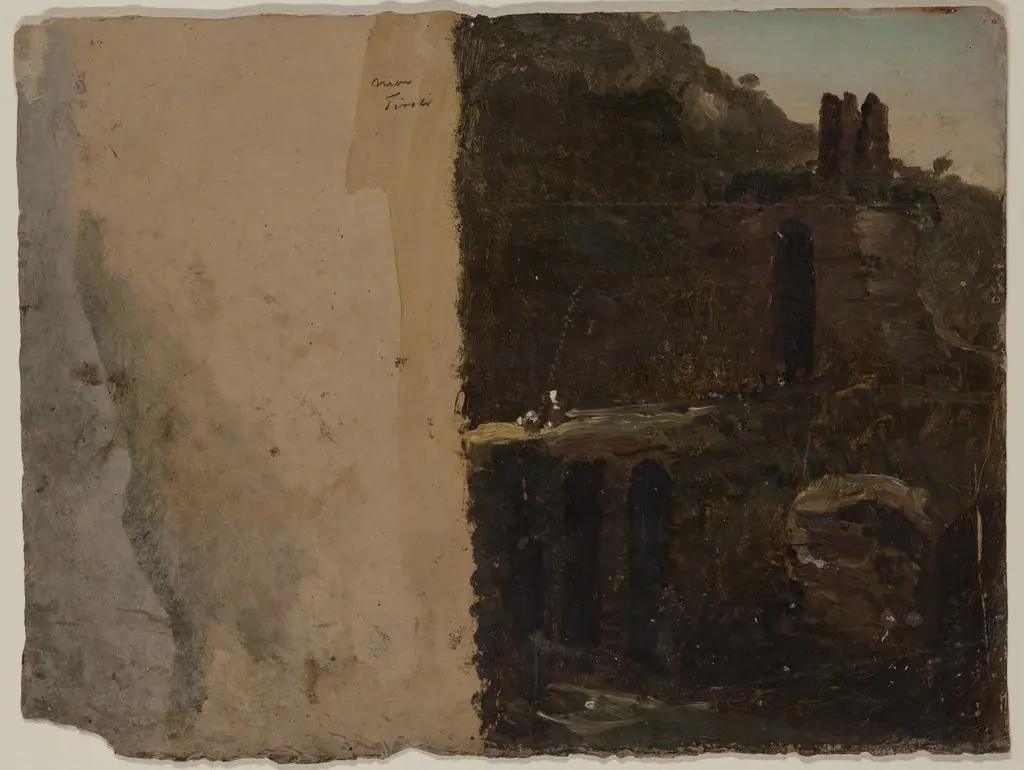 Arch of Nero, Tivoli
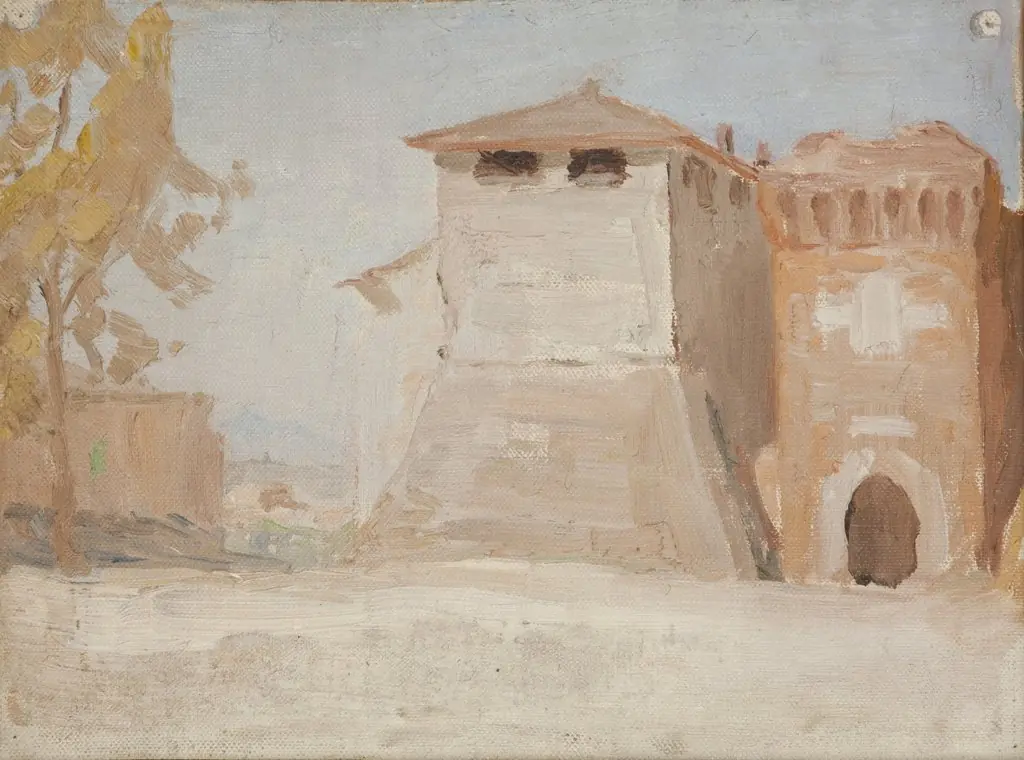 Rimini
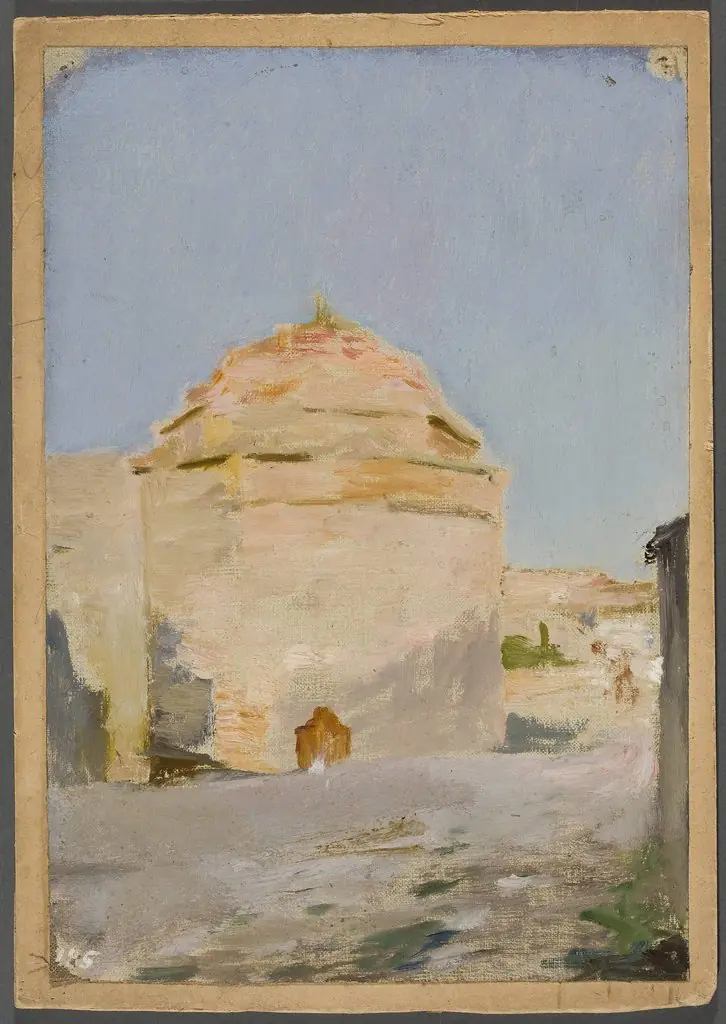 Grave of Maria Potocka in Bakhchisaray. From the journey to Crimea
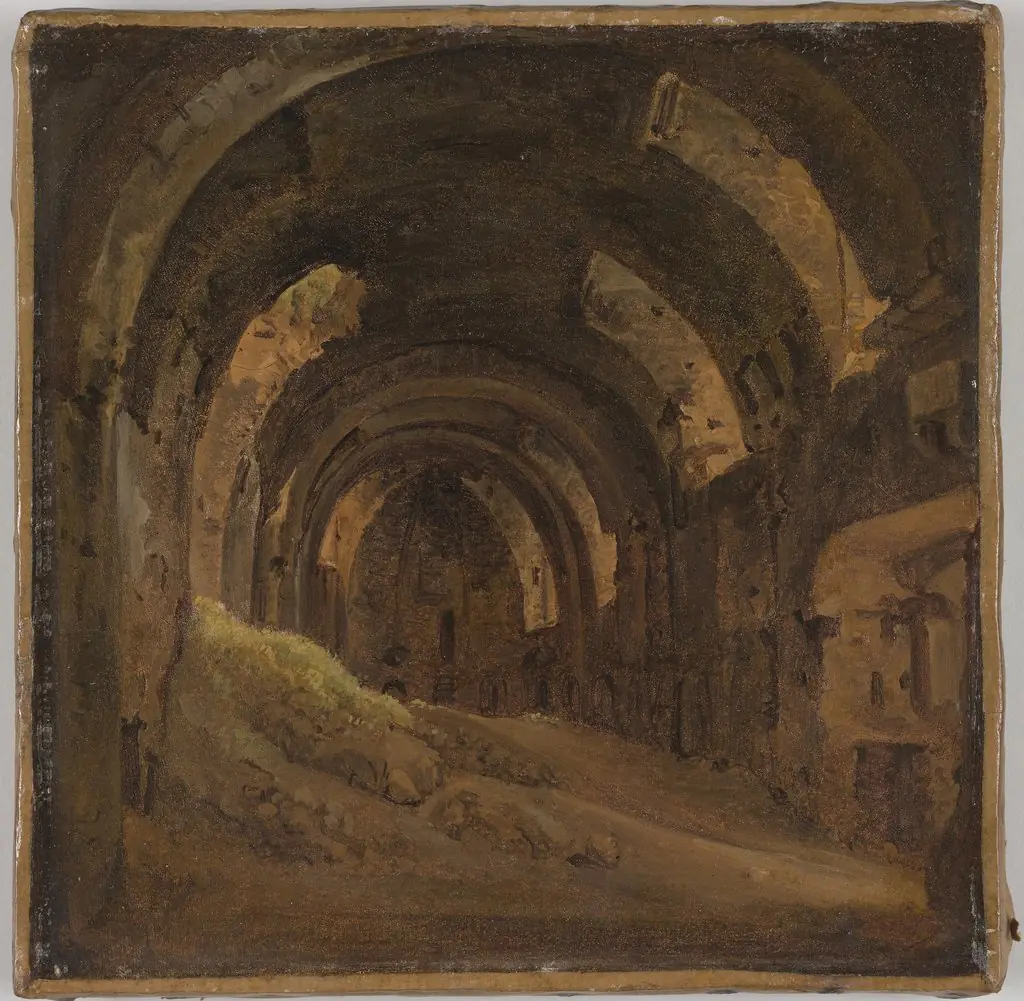 Vaulted Interior
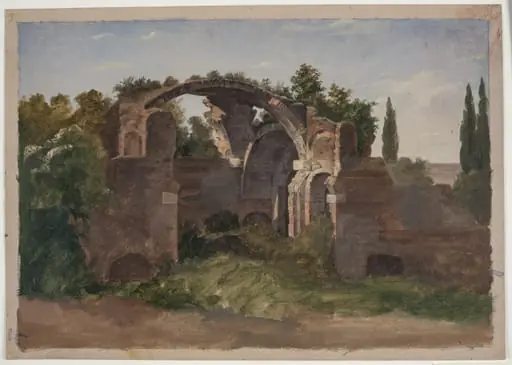 Ruiner. Caracallas termer i Rom?
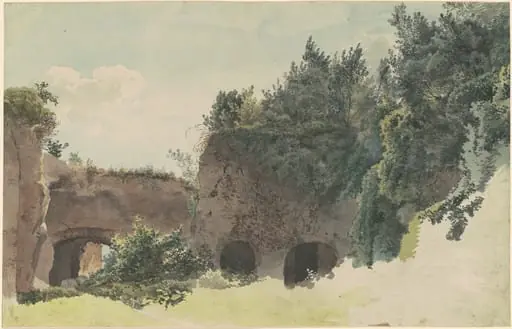 Ancient Roman Ruins Overgrown with Trees and Bushes
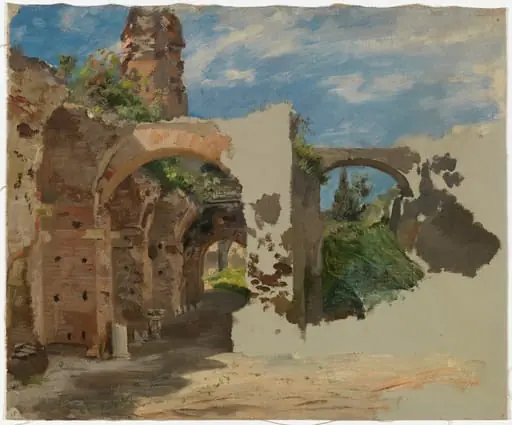 Roomalaisia raunioita, harjoitelma
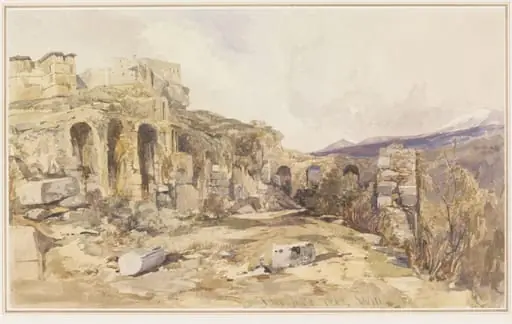 Tlos
Tlos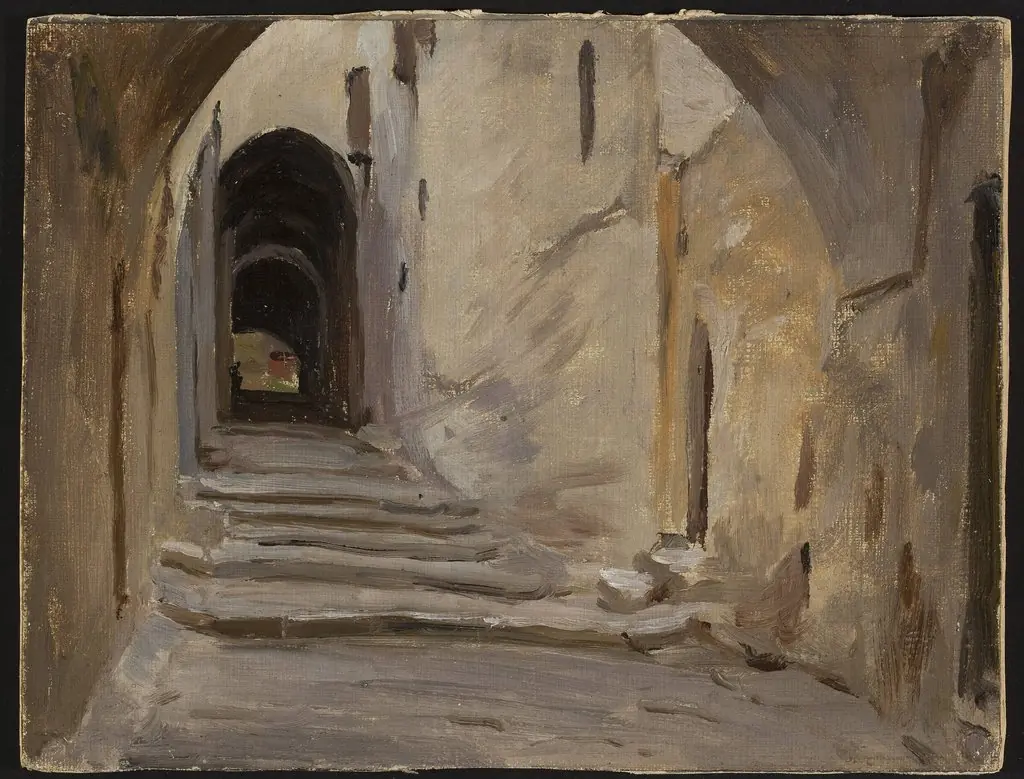 Jerusalem. From the journey to Palestine
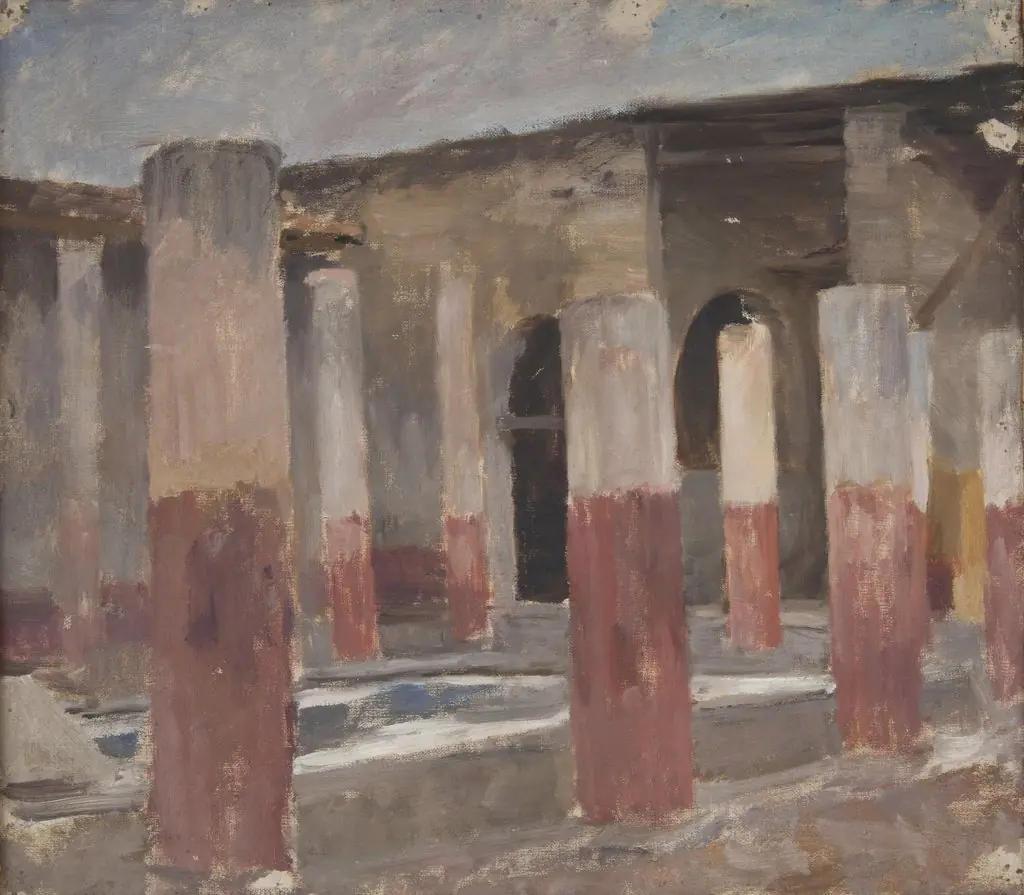 Pompeii
 Walls of the Colosseum in Rome