Artwork
Căpițe în câmp
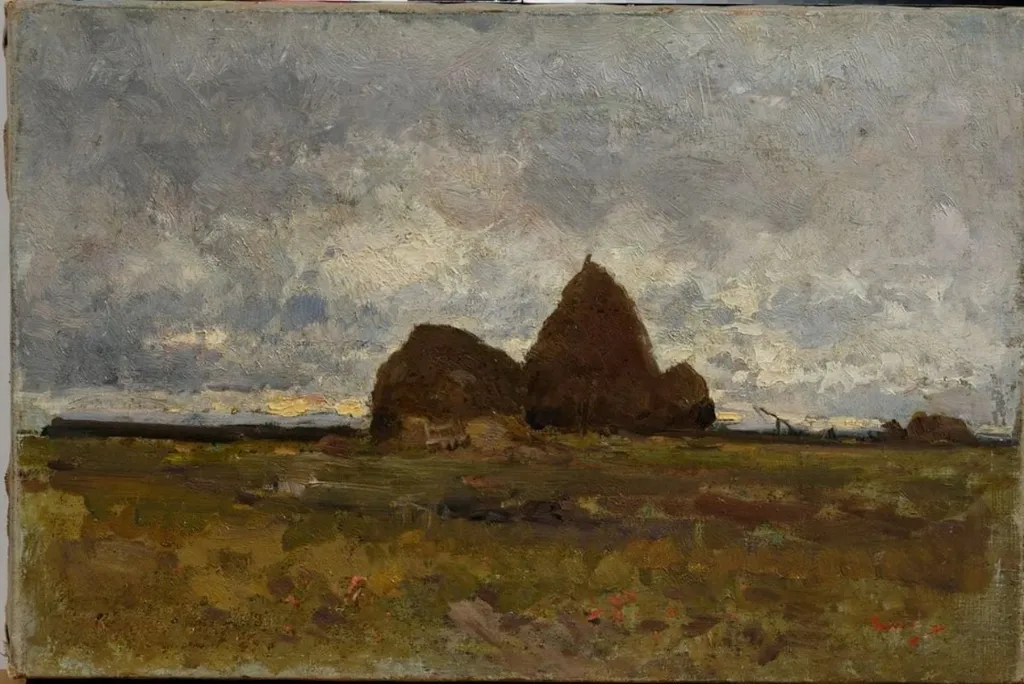
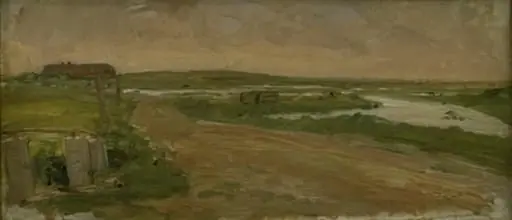
Căpițe în câmp is an unspecified painting by Nicolae Grigorescu. It dates from 1882 and is held in the collection of the National Museum of Art of Romania.
About this work
Overview
Căpițe în câmp, painted around 1882 by Nicolae Grigorescu, depicts three large haystacks standing in an open field under a turbulent sky.
Căpițe în câmp, painted around 1882 by Nicolae Grigorescu, depicts three large haystacks standing in an open field under a turbulent sky. The composition is simple yet dynamic, focusing on the relationship between earth and atmosphere. The work belongs to a series of rural landscapes Grigorescu produced during his time in the Romanian countryside, reflecting his interest in everyday agrarian life and natural light.
Subject & Meaning
The three haystacks, central and slightly off-center, suggest the quiet labor of harvest and the passage of time. Their solidity contrasts with the restless sky above, hinting at nature’s impermanence. The scattered red marks may indicate wildflowers or brushwork, grounding the scene in observed reality rather than idealized pastoralism. The painting conveys a sense of quiet endurance, rooted in the rhythms of rural existence.
Technique & Style
Grigorescu applied paint thickly and unevenly, particularly in the sky, using broad, gestural strokes that create a sense of movement and texture. The impasto technique gives the clouds a tactile, almost sculptural quality. Below, the ground is rendered with dabs and smears of green, brown, and red, suggesting patchy grass and scattered vegetation. The brushwork is unrefined, prioritizing emotional resonance over polished detail.
History & Provenance
Created during Grigorescu’s mature period, the painting emerged from his extended stays in the Romanian countryside, where he sought to capture the essence of peasant life. It was likely painted near his home in the Oltenia region. The work remained in Romanian collections throughout the 20th century and is now held in a public institution, reflecting its significance in the national artistic canon.
Context
In the late 19th century, Romanian artists began turning away from academic traditions toward direct observation of nature and rural subjects. Grigorescu was a leading figure in this shift, influenced by French Realism and Impressionism but grounded in local landscapes. Căpițe în câmp exemplifies this synthesis—its loose brushwork echoes European modernism, yet its subject remains distinctly Romanian.
Legacy
The painting contributed to the legitimization of landscape painting in Romanian art, moving it beyond decorative or historical themes. Grigorescu’s emphasis on direct observation and expressive brushwork influenced later generations of Romanian painters. Căpițe în câmp remains a touchstone for its honest portrayal of the land and its quiet, unembellished beauty.
Artist & collection
Artist
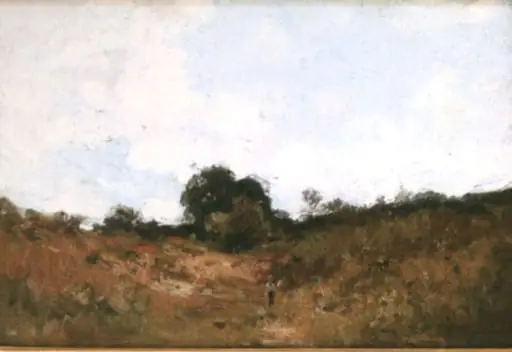
Romanian painter Nicolae Grigorescu made quiet, honest scenes of everyday life and country roads around 1900.

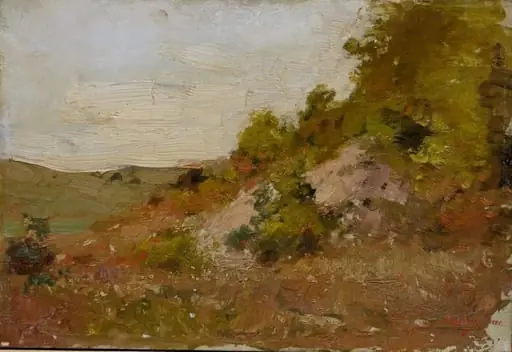 Pădurice cu dealuri
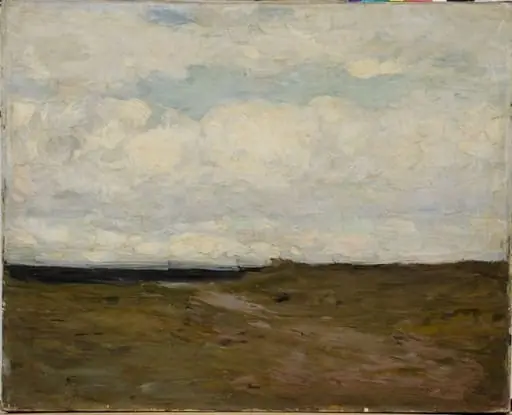 Bărăganul
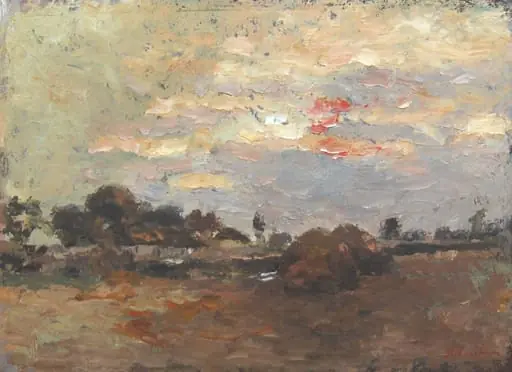 Peisaj cu căpițe de fân
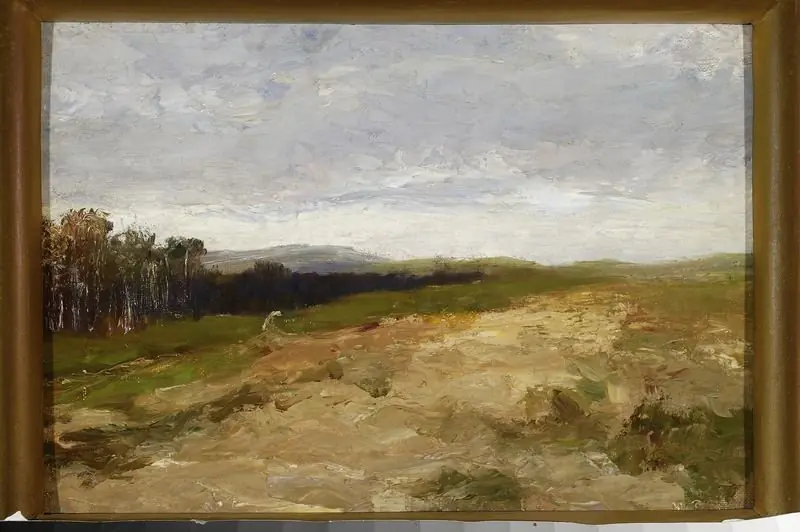 Landscape with a birch grove
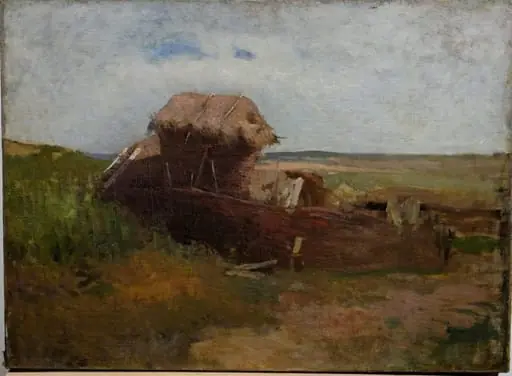 Târla părăsită
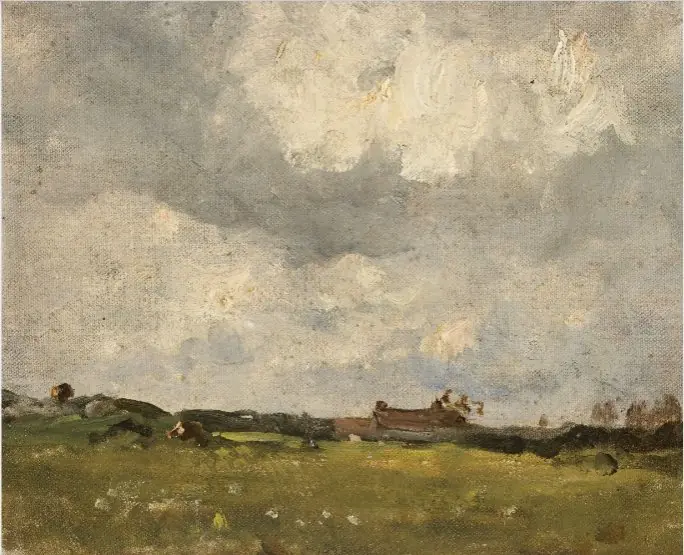 Landscape, a Grey Day
 Graves of Travellers, Fort Kearny, Nebraska
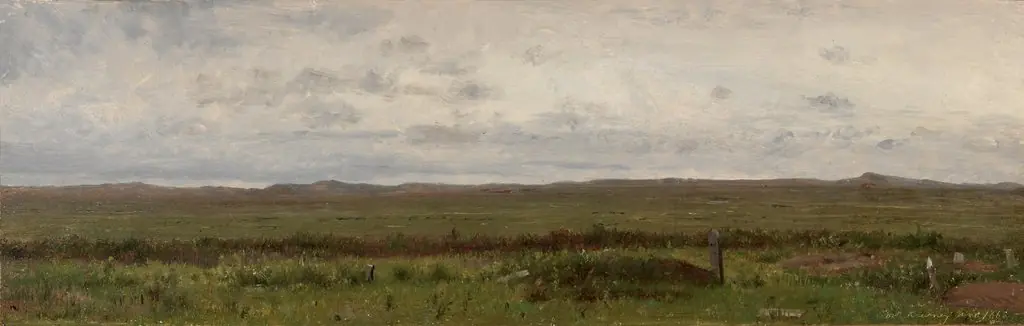 Graves of Travellers, Fort Kearny, Nebraska
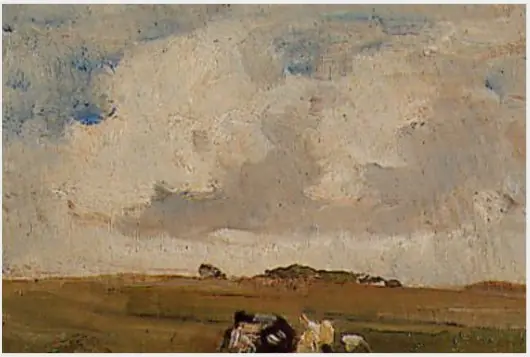 Summer Pastures
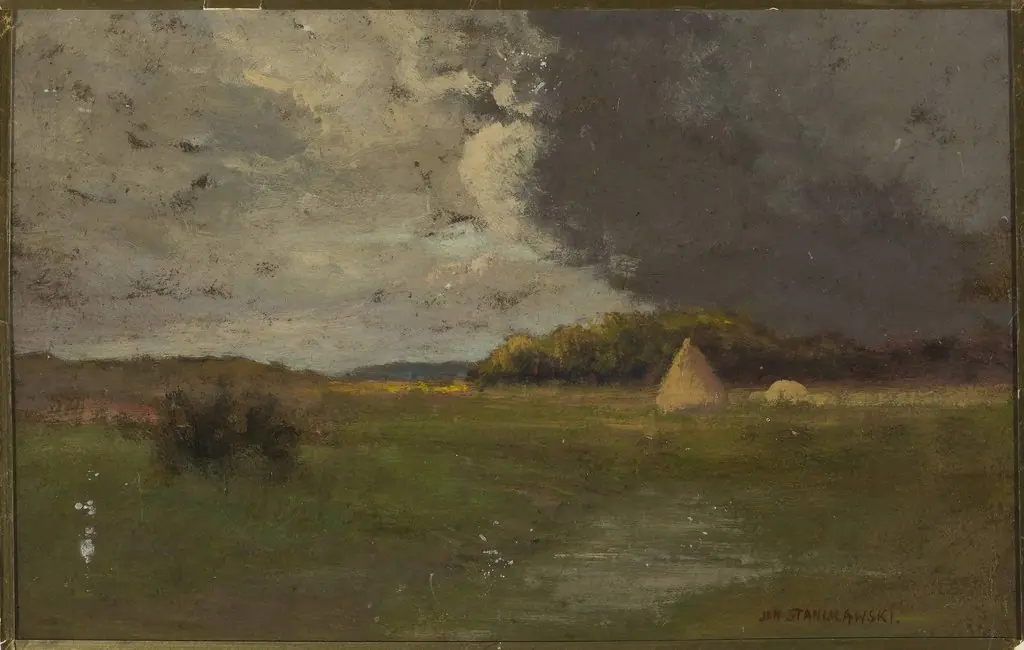 Landscape with a haystack
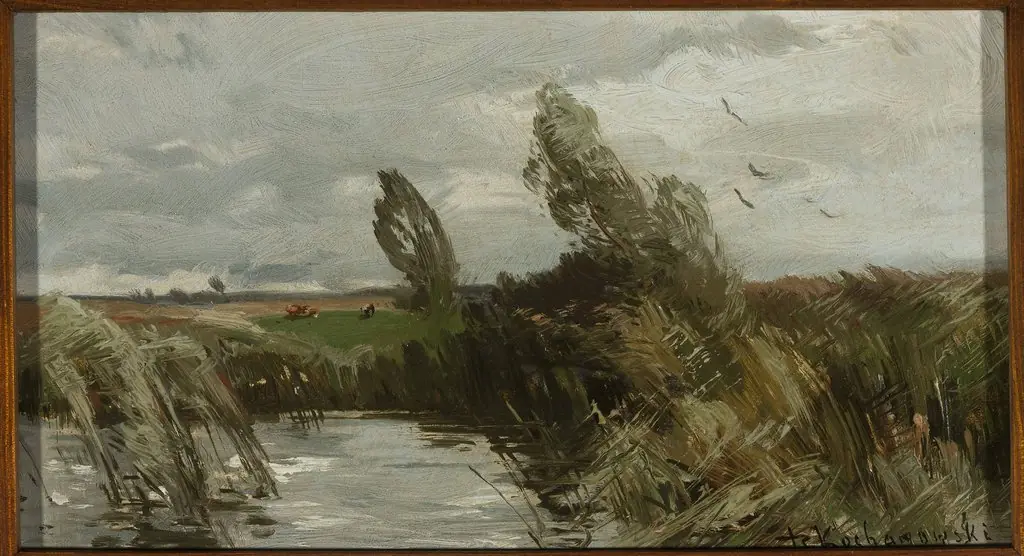 Landscape with water and bulrush
 Vestjysk landskab. Holmsland