Artwork
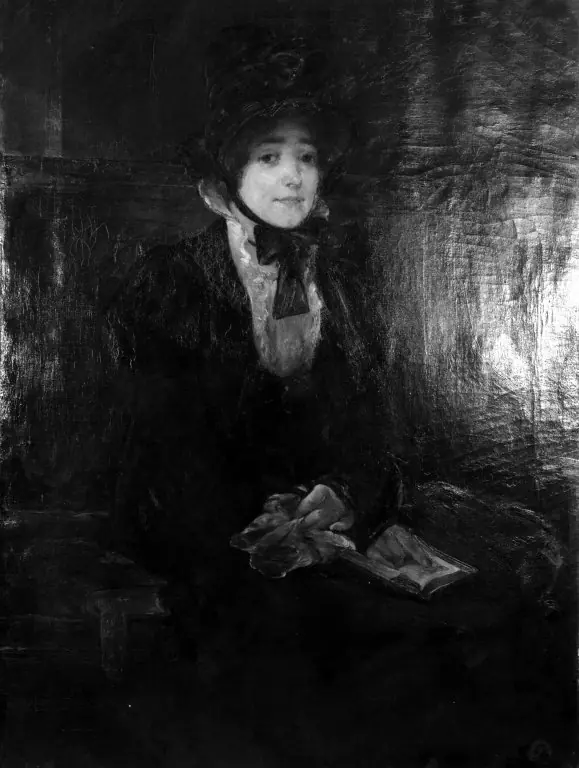
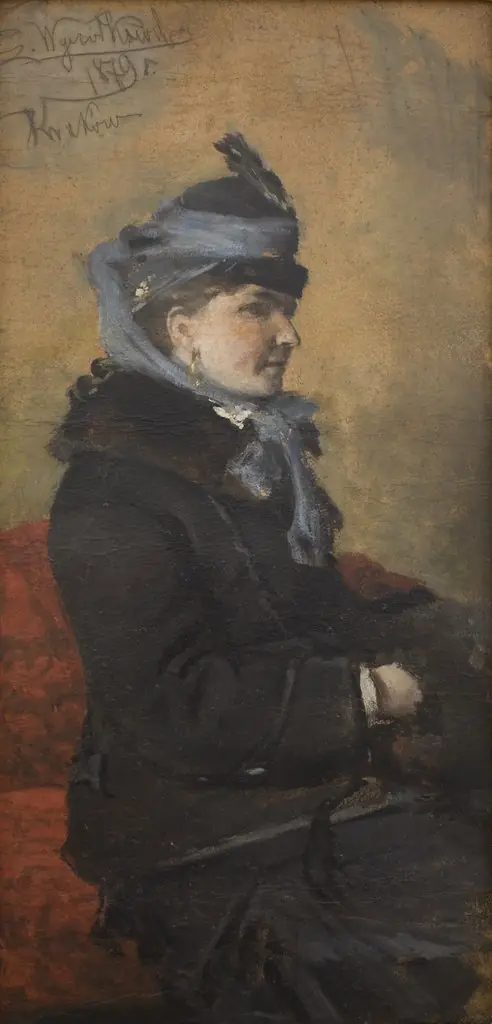
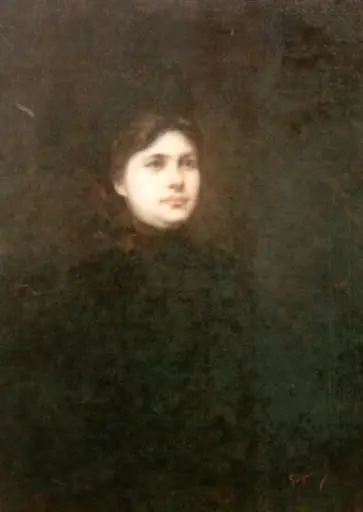
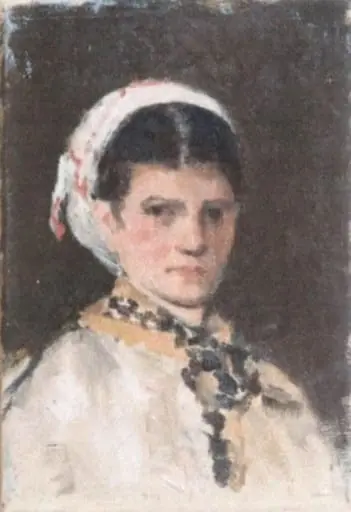
Portret de femeie
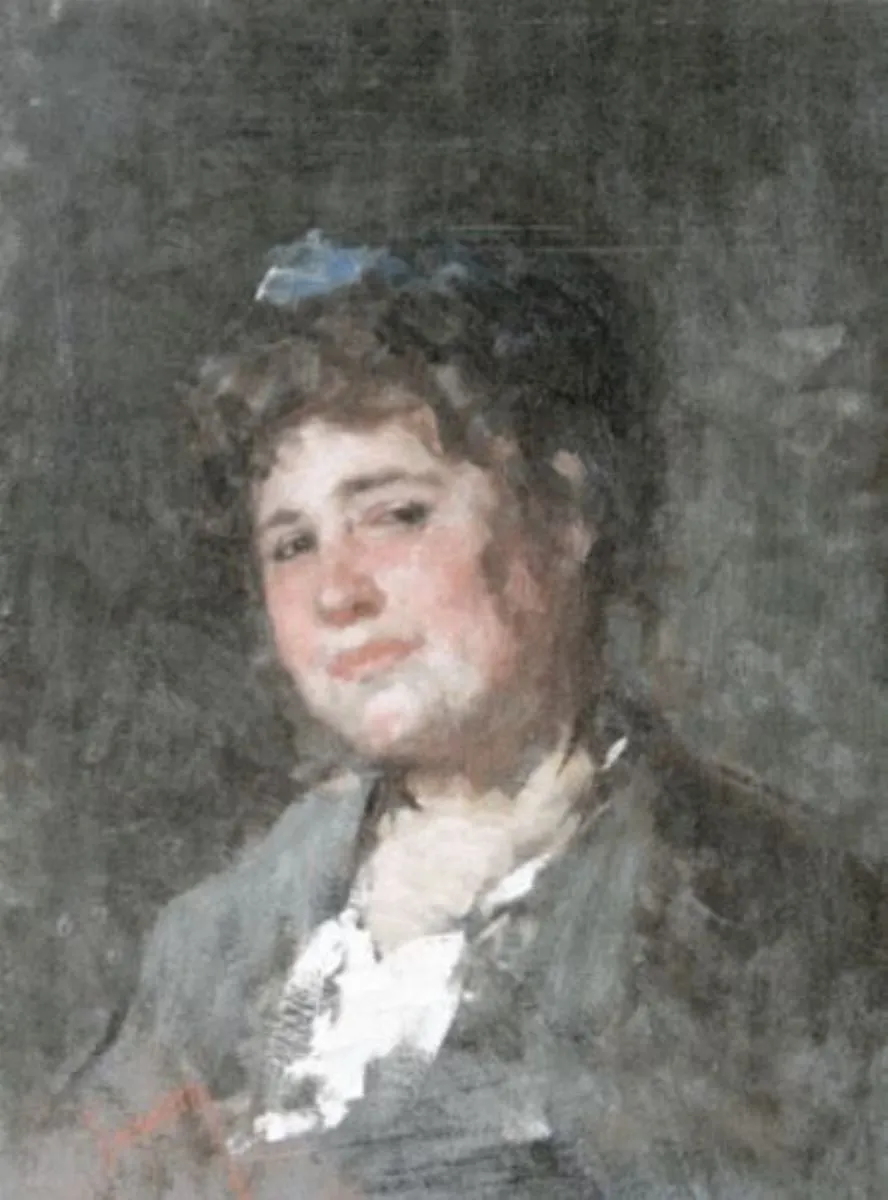
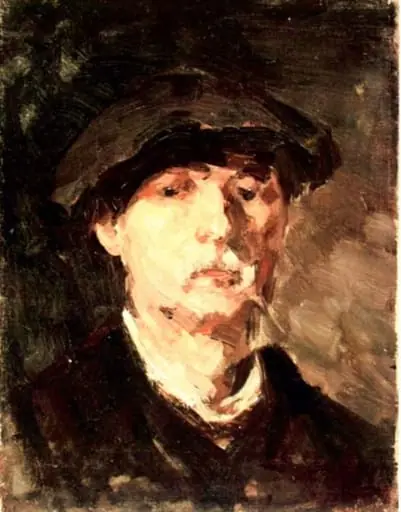
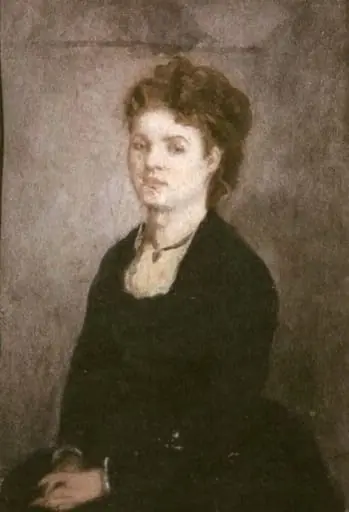
Portret de femeie is an unspecified painting by Nicolae Grigorescu. It dates from 1882 and is held in the collection of the Gavrilă Simion Eco-Museum Research Institute Tulcea - Art Museum.
About this work
Overview
The work resides in the Museum of Ethnography and exemplifies the artist’s shift toward intimate, everyday subjects.
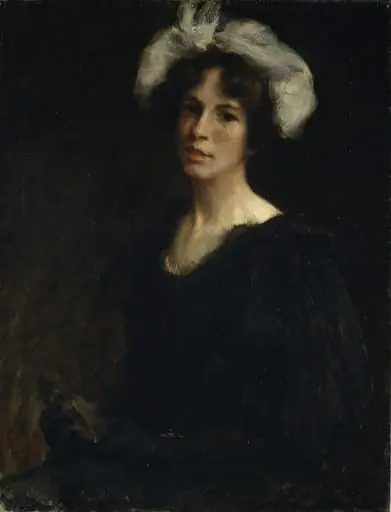
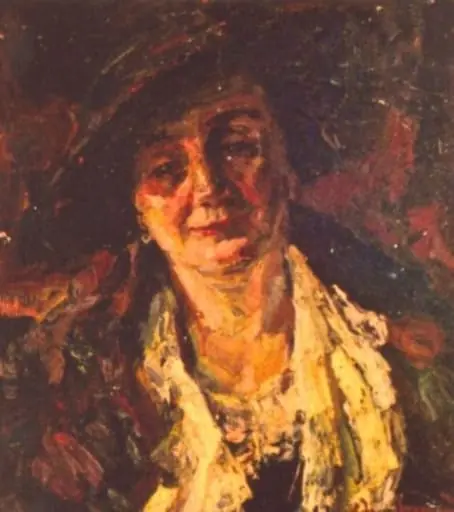
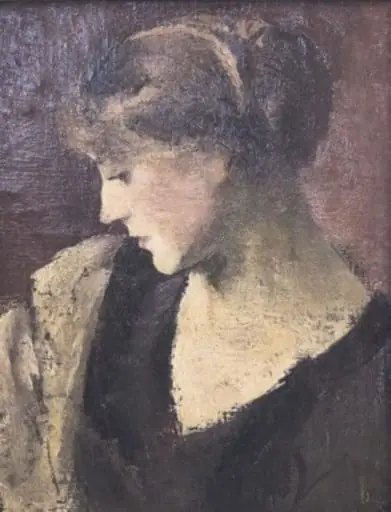
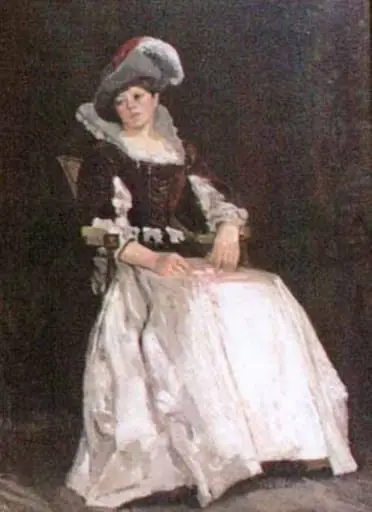
Painted around 1882 by Nicolae Grigorescu, this portrait depicts an unnamed woman in quiet repose. The work resides in the Museum of Ethnography and exemplifies the artist’s shift toward intimate, everyday subjects. Executed with a loose, tactile brushwork, it avoids formal grandeur in favor of a personal, almost candid moment. The subdued palette and soft focus suggest an emphasis on presence over circumstance.
Subject & Meaning
The woman, identified only by her appearance, wears a simple light blouse and dark jacket, with a pale blue ribbon tying her dark curls. Her gentle smile and downward gaze convey calm introspection rather than performative expression. The lack of identifiable context or adornment directs attention to her individuality, reflecting a broader 19th-century interest in the dignity of ordinary life, particularly among rural or working-class women.
Technique & Style
Grigorescu employs loose, visible brushstrokes that blend form and atmosphere without sharp definition. The background, rendered in textured gray tones, recedes like weathered stone, enhancing the figure’s emergence from shadow. Light falls softly across her face and upper torso, creating subtle gradients that model volume without harsh contrast. This approach, rooted in plein air observation, prioritizes sensory impression over precise detail.
History & Provenance
The painting entered the Museum of Ethnography’s collection in the early 20th century, likely as part of a broader effort to document Romanian folk life through visual art. Its attribution to Grigorescu is consistent with his known output from the 1880s, when he increasingly turned from historical themes to portraits of peasants and local figures. No documented commission or original owner is recorded, suggesting it was likely painted for personal or artistic reasons.
Context
Created during a period of national cultural consolidation in Romania, the portrait aligns with a movement to elevate rural life as a source of authentic identity. Grigorescu, influenced by French Realism and Impressionism, rejected academic idealization in favor of direct observation. This work reflects a quiet resistance to urban-centric narratives, honoring the quiet dignity of individuals often excluded from official art.
Legacy
Though not widely exhibited outside Romania, the portrait remains a quiet touchstone in Grigorescu’s oeuvre for its emotional restraint and technical sensitivity. It exemplifies how Romanian artists adapted European modernist tendencies to local subjects, influencing later generations who sought to portray national identity through unadorned human presence rather than symbolic grandeur.
Artist & collection

Artist
Nicolae Grigorescu was one of the founders of modern Romanian painting. He is considered by Romanians the greatest Romanian painter, and one of the founders of modern Romanian art. He is most known for paintings…
Museum
Gavrilă Simion Eco-Museum Research Institute Tulcea - Art Museum
Continue through works from the same source collection.