Artwork
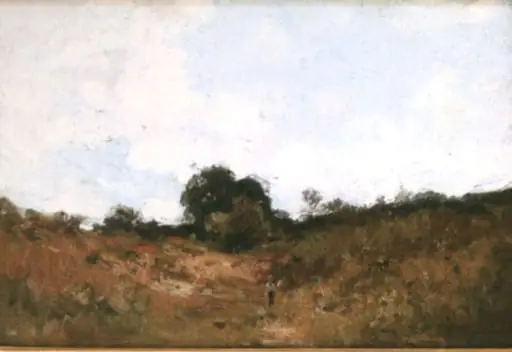
Țăran la câmp
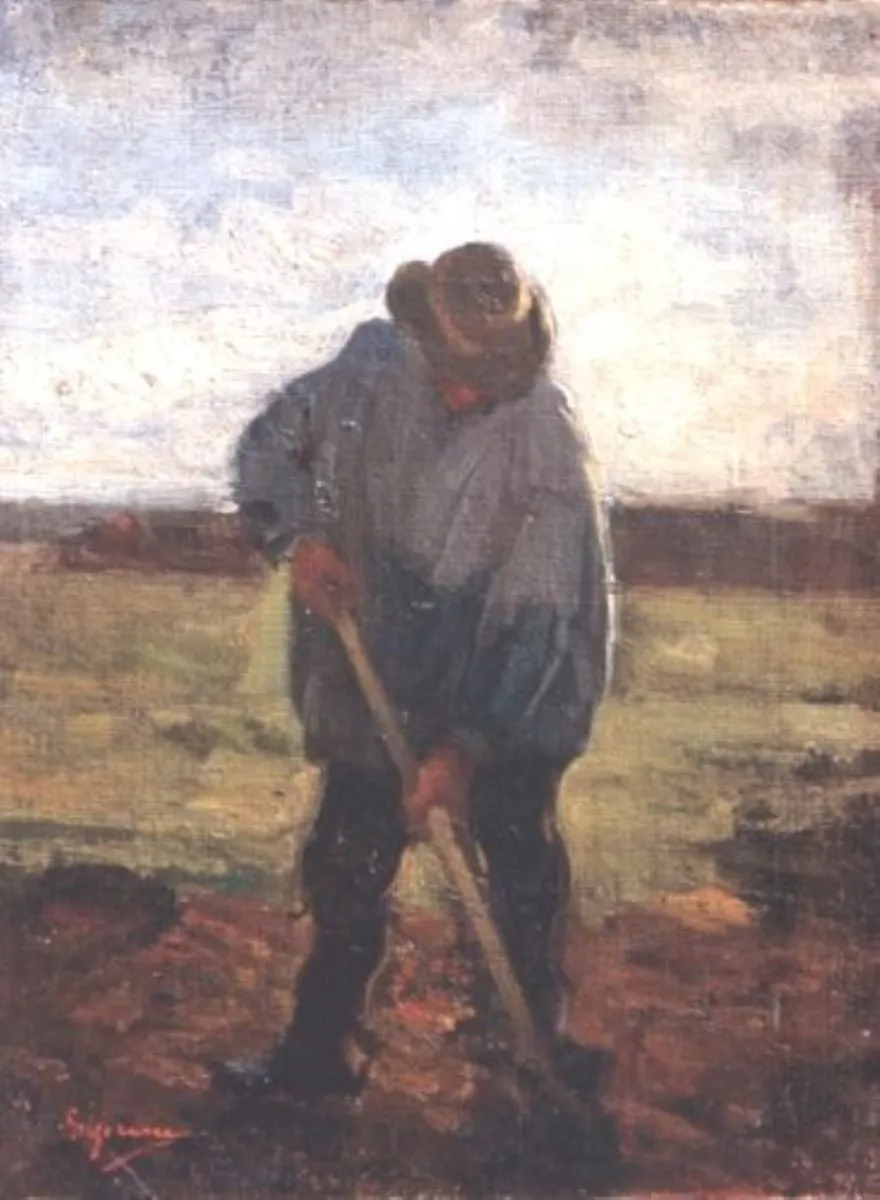
Țăran la câmp is an unspecified painting by Nicolae Grigorescu. It is held in the collection of the National Museum of Art of Romania.
About this work
Overview
The artist’s handling of light and tone establishes a quiet, immersive atmosphere, grounding the viewer in the quiet rhythm of agricultural life.
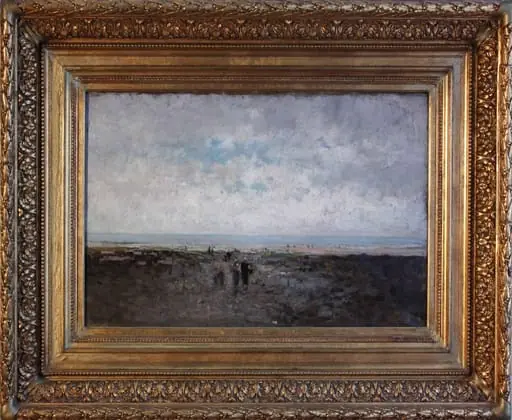
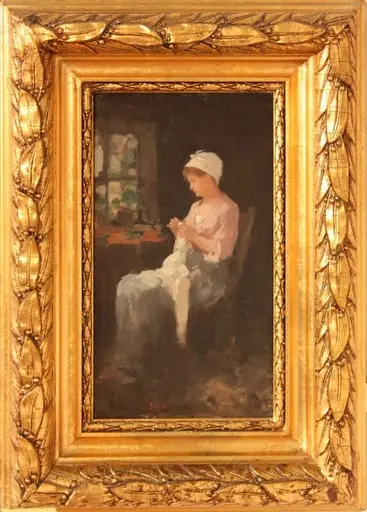
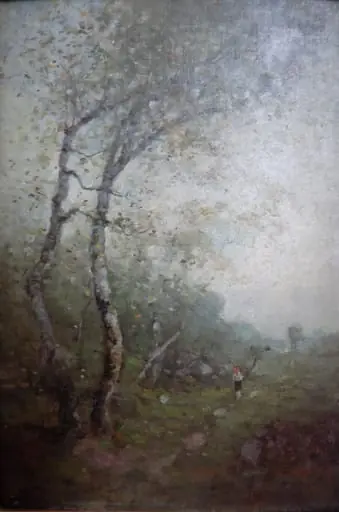
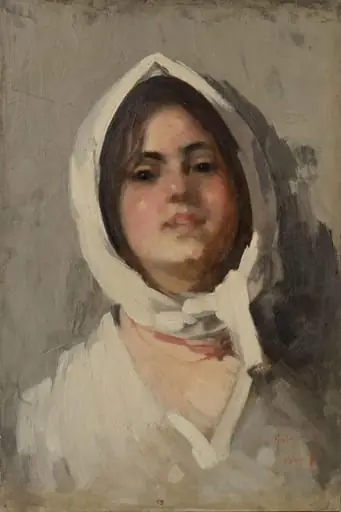
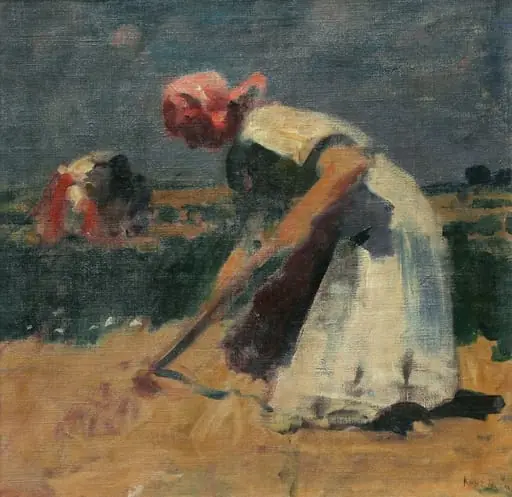
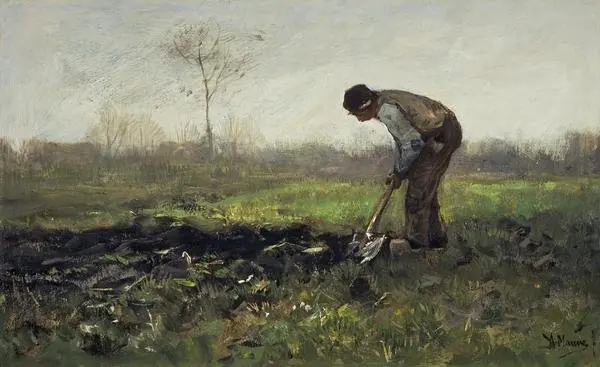
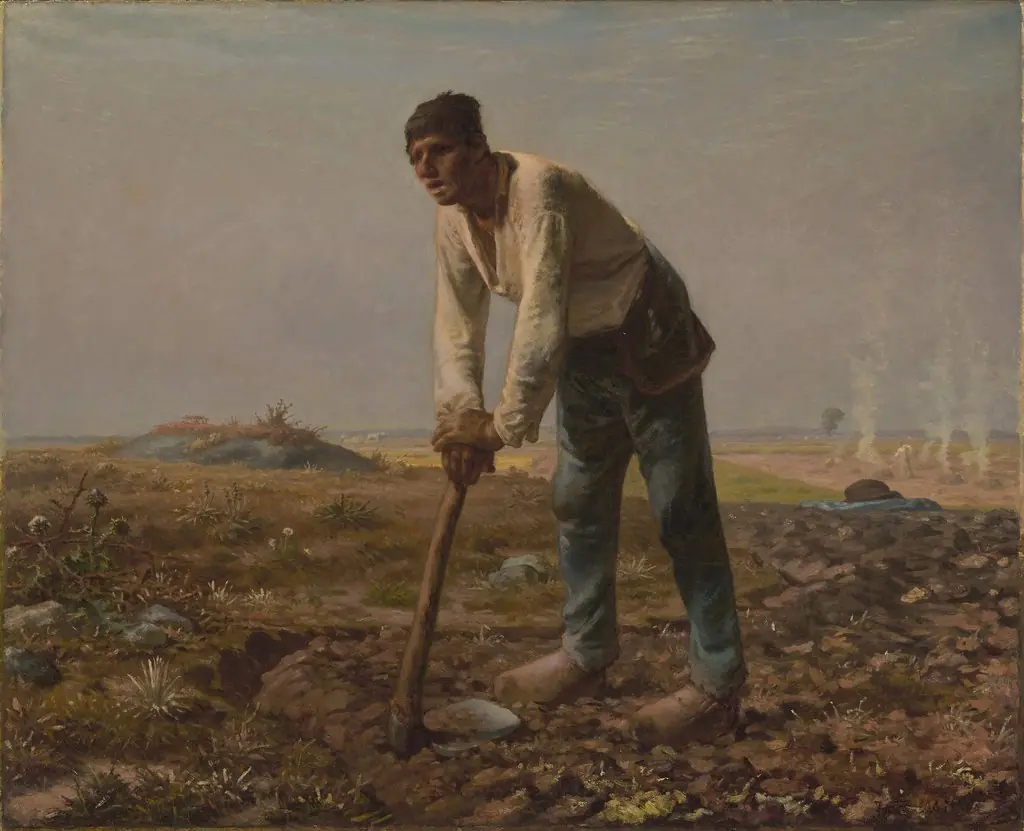
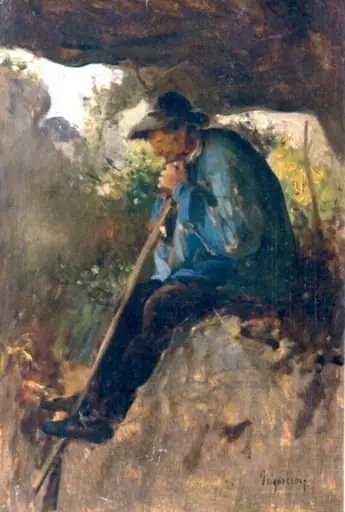
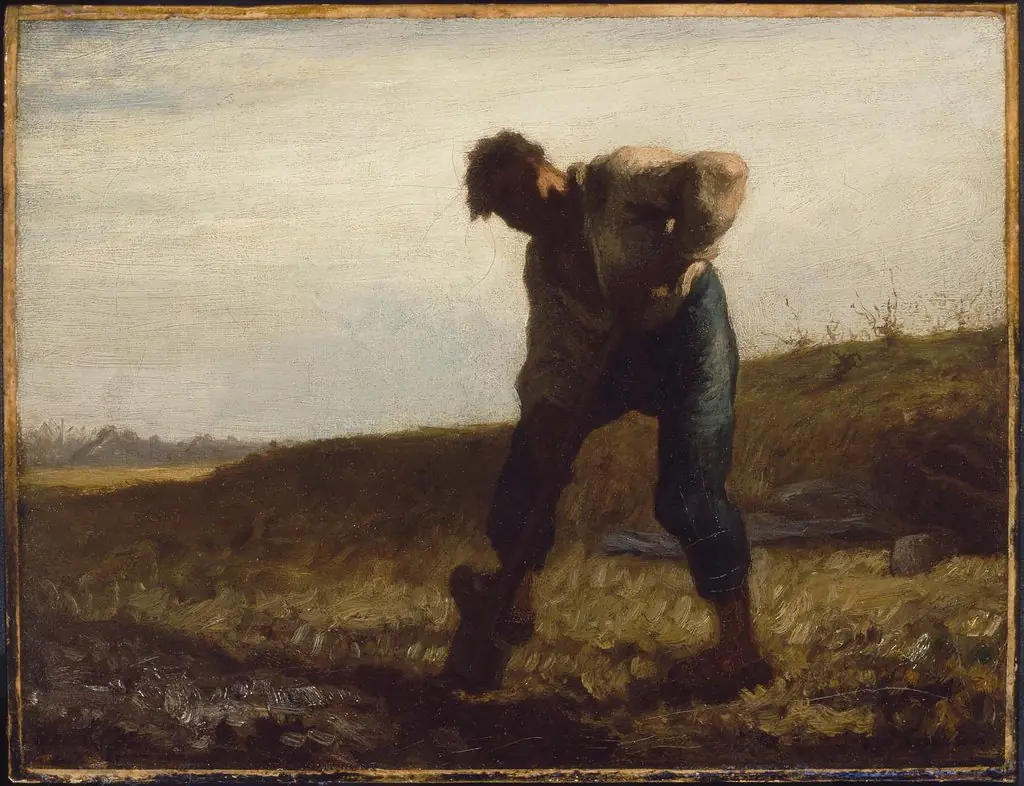
This painting by Nicolae Grigorescu portrays a solitary peasant laboring in an expansive rural field. Dressed in simple, weathered clothing and wearing a hat, the figure is captured mid-task, tool in hand. The composition emphasizes stillness and solitude, with a cloudy sky stretching above the open land. The artist’s handling of light and tone establishes a quiet, immersive atmosphere, grounding the viewer in the quiet rhythm of agricultural life.
Subject & Meaning
The figure represents the quiet dignity of rural labor, not as an idealized symbol but as a moment of unadorned concentration. His posture and downcast gaze suggest introspection, as if the work absorbs his full attention. The absence of other figures or structures reinforces isolation, inviting reflection on the endurance and solitude inherent in subsistence farming during the 19th century.
Technique & Style
Grigorescu employs loose, observational brushwork to convey texture in fabric, soil, and sky. Color is subdued—earthy browns, muted greens, and soft grays—building depth through tonal variation rather than sharp contrast. Light filters diffusely through the clouds, unifying the scene and enhancing the sense of atmosphere. The technique avoids romanticism, favoring direct observation and emotional restraint.
History & Provenance
Created during Grigorescu’s formative years as a painter of rural life, this work aligns with his early commitment to depicting peasant labor with authenticity. It likely stems from sketches made during his travels in the Romanian countryside, preceding his later academic training. The painting remained in private hands until entering a public collection in the 20th century, where it now serves as an early example of his realist approach.
Context
In mid-19th century Romania, artists began turning from mythological or aristocratic subjects to everyday rural life, influenced by European realism and national identity movements. Grigorescu’s focus on the peasant was part of this shift, reflecting broader cultural interest in the moral and social foundations of the nation. His depictions avoided sentimentality, presenting labor as a quiet, integral part of the land.
Legacy
This work contributes to Grigorescu’s reputation as a foundational figure in Romanian modern art. His unembellished portrayals of peasants helped redefine national visual culture, moving away from foreign stylistic models toward indigenous subject matter. Later generations of Romanian artists looked to such works as models of sincerity and visual honesty in depicting the common people.
Artist & collection
Artist
Romanian painter Nicolae Grigorescu made quiet, honest scenes of everyday life and country roads around 1900.