Artwork
"Ecaterina Teodoroiu "
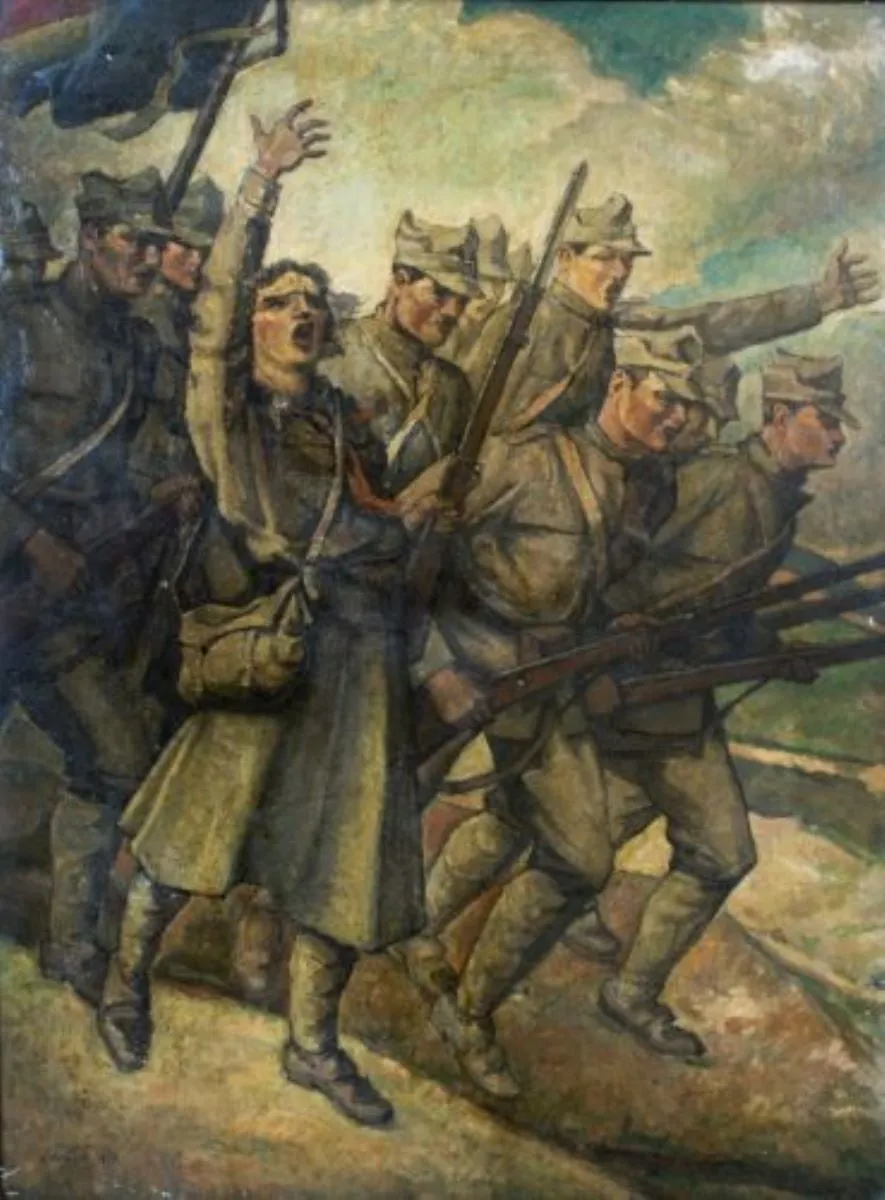
"Ecaterina Teodoroiu " is an unspecified painting by Camil Ressu. It dates from 1917 and is held in the collection of the King Ferdinand I National Military Museum.
About this work
Overview
The scene is rendered with emotional urgency rather than tactical clarity, emphasizing human response over military detail.
Painted in 1917 by Camil Ressu, this work depicts a moment from the Romanian front during World War I. It portrays a woman at the center of combat, surrounded by soldiers in motion. The scene is rendered with emotional urgency rather than tactical clarity, emphasizing human response over military detail. The painting resides in the Museum of Ethnography, reflecting its focus on cultural and personal dimensions of war.
Subject & Meaning
The central figure is Ecaterina Teodoroiu, a Romanian nurse and soldier who became a national symbol after her death in battle. Ressu captures her in a moment of anguish, arms outstretched amid the chaos. Her presence contrasts with the rigid postures of male soldiers, underscoring her role as both participant and witness. The painting elevates her not as a hero in triumph, but as a vulnerable figure caught in the violence of conflict.
Technique & Style
Ressu employs loose, expressive brushwork to convey turbulence and motion. The background dissolves into smoky grays and browns, obscuring depth and heightening disorientation. Figures are rendered with heightened emotional intensity rather than anatomical precision. The woman’s pale dress stands out against the muted tones, drawing attention to her isolation and distress. The composition avoids heroic grandeur, favoring raw immediacy.
History & Provenance
Created shortly after Teodoroiu’s death in 1917, the painting emerged during a period of national mourning and mobilization. Ressu, a prominent Romanian artist, was commissioned to document wartime experiences. The work entered the Museum of Ethnography’s collection early, likely due to its focus on civilian sacrifice and national identity rather than military strategy. Its preservation reflects its role in shaping collective memory.
Context
Romania entered World War I in 1916, suffering heavy losses and widespread disruption. Women like Teodoroiu took on roles traditionally held by men, serving as medics and even combatants. Ressu’s painting responds to this shift, portraying female agency within a male-dominated war zone. It aligns with broader European efforts to memorialize civilian contributions, moving beyond battlefield heroics to include personal cost.
Legacy
The painting remains a key visual reference for Teodoroiu’s legacy in Romanian culture. It influenced later depictions of women in war, emphasizing emotional truth over idealization. While not widely exhibited internationally, it holds enduring significance in national art education and commemorative contexts. Its quiet intensity continues to prompt reflection on the human cost of conflict beyond official narratives.
Artist & collection
Artist
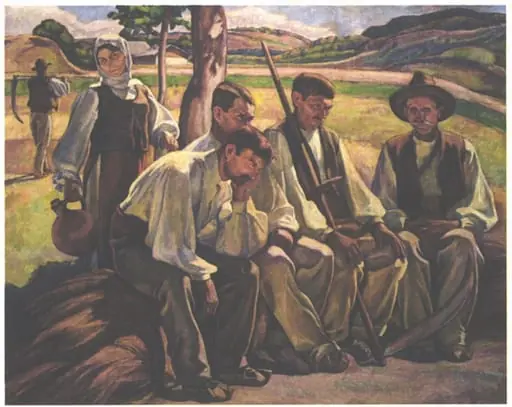
Romanian painter who captured rural life in the early 20th century. His 1925 scene "Cosași odihnindu-se" shows haymakers taking a break, their tools leaning against a wagon under a cloudy sky. A decade later, his 1946…
Museum
King Ferdinand I National Military Museum
Continue through works from the same source collection.
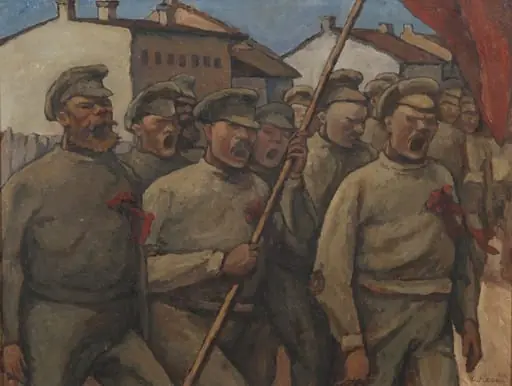 Începuturile revoluției ruse la Iași, 1917
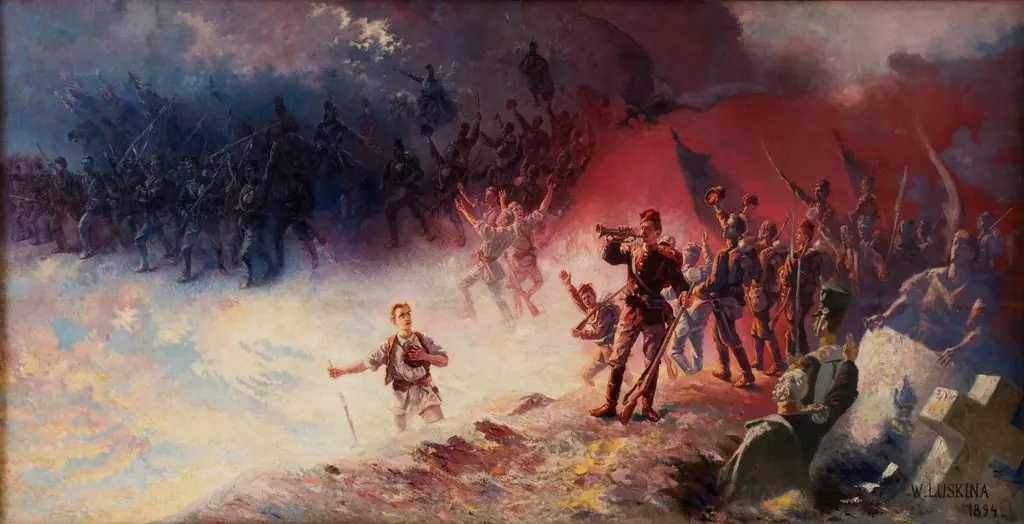 Reveille
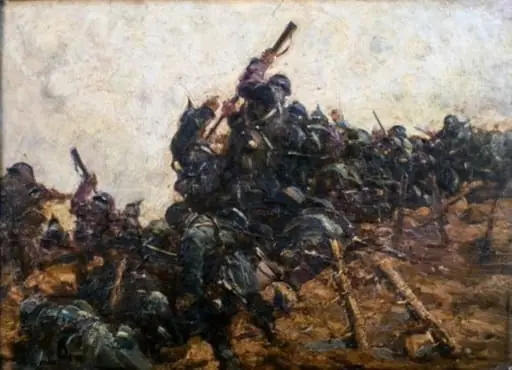 Lupta de la Mărășești
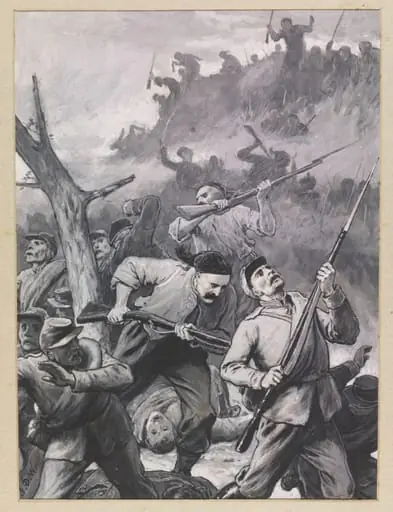 With the Turks at Shipka - Allah! Allah! A Turkish charge after an unsuccessful assault by the Russians
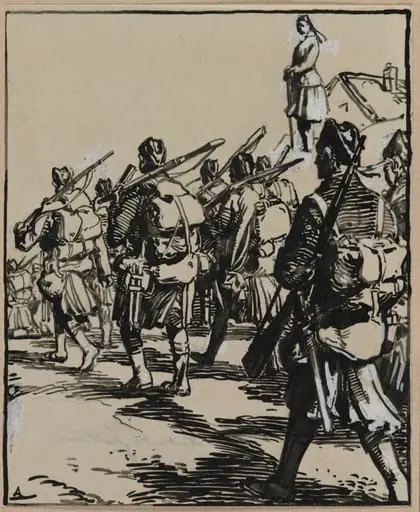 Bataille des frontières: groupe des soldats britanniques
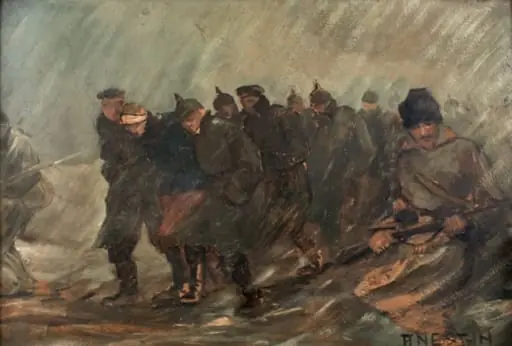 Convoi de prizonieri
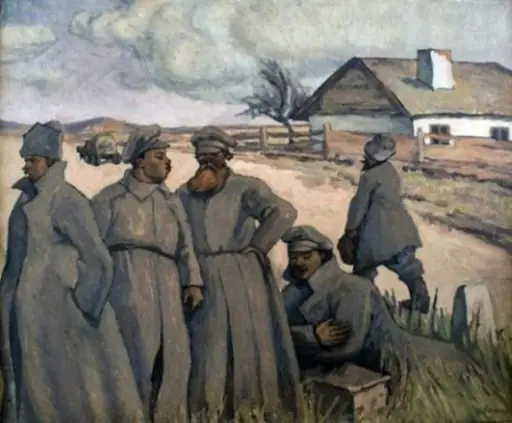 Soldați ruși în repaus (1917)
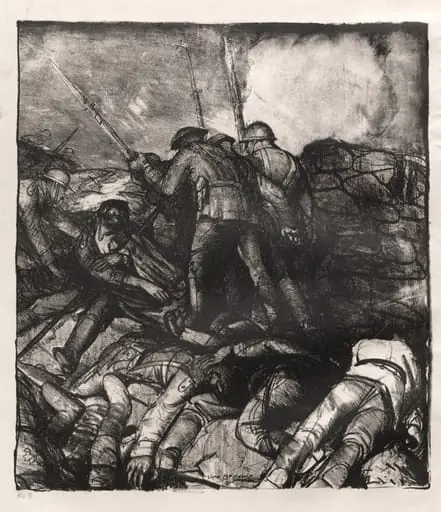 War Series: The Charge, Right Detail, first state
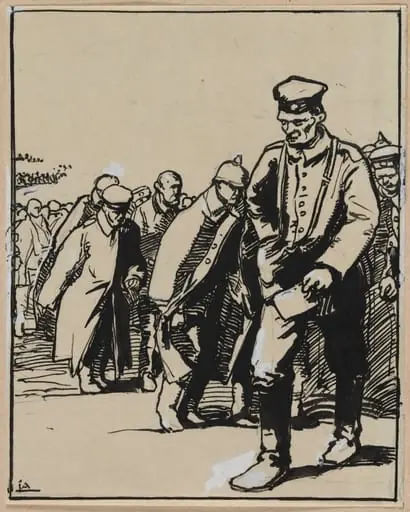 Marche d'un groupe de prisonniers allemands
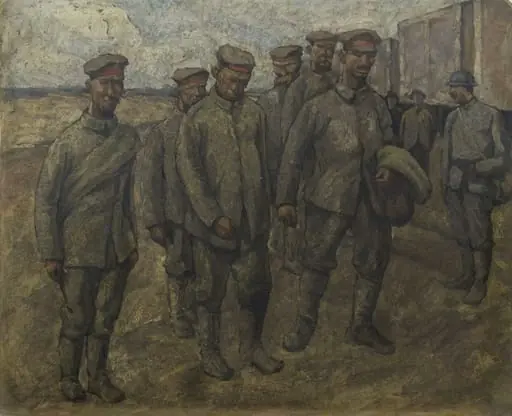 Prizonieri
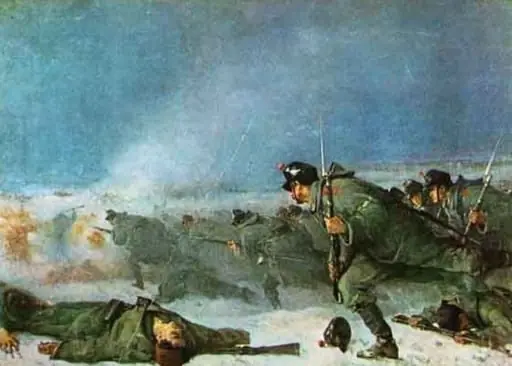 Atacul de la Smârdan
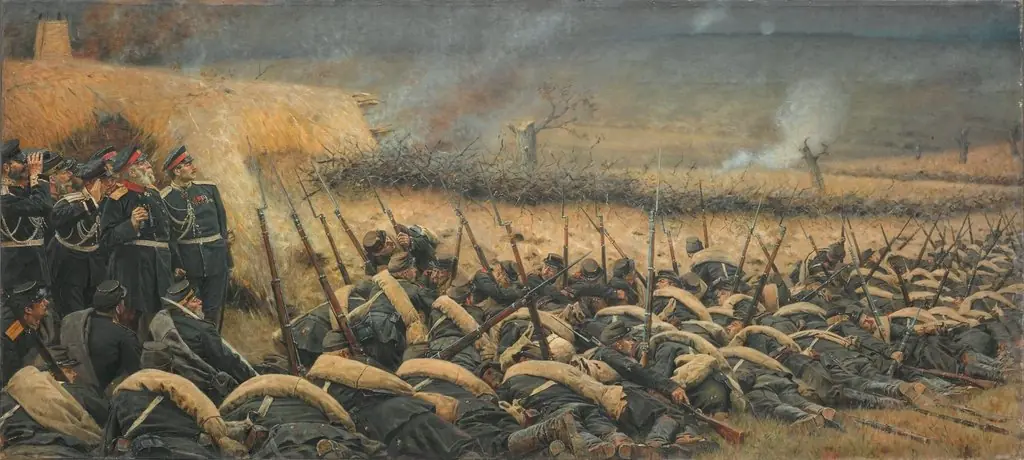 Before the attack. At Plevna