Artwork
Cap de tânăr
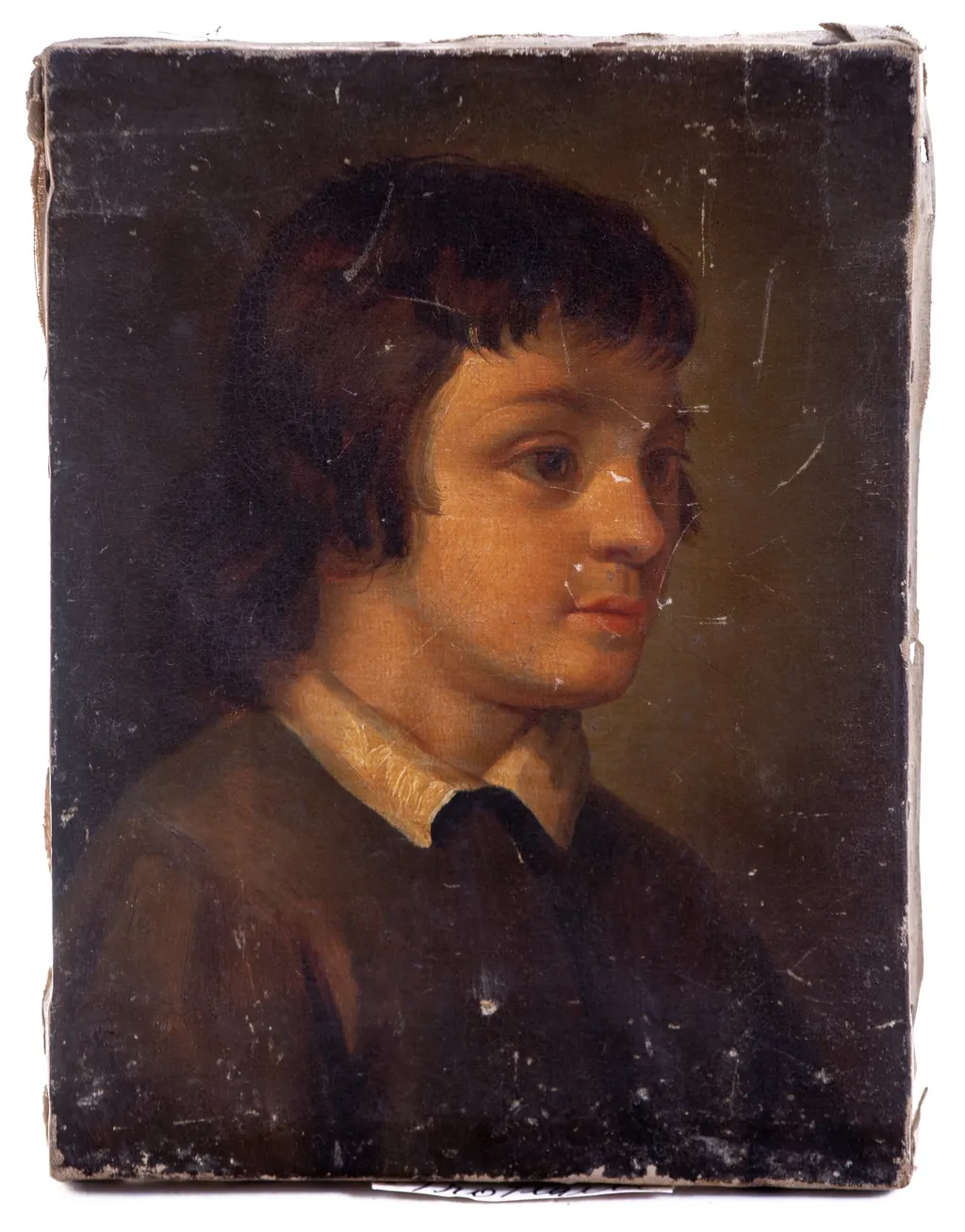
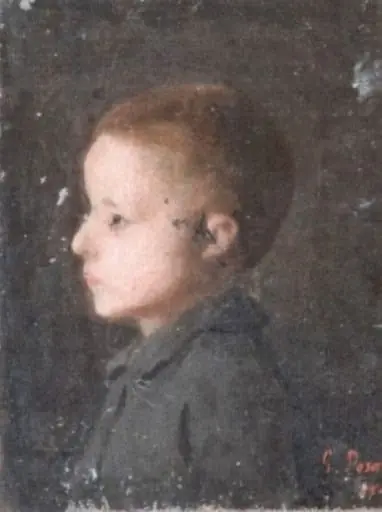
Cap de tânăr is an unspecified painting by Hugo Kołłątaj. It is held in the collection of the Moldova National Museum Complex. This portrait depicts a young man rendered in oil on panel, emphasizing his facial features against a softly blurred background.
About this work
Overview
This portrait depicts a young man rendered in oil on panel, emphasizing his facial features against a softly blurred background. The composition isolates the subject, directing attention to his expression and presence. The artist employs subtle lighting to model form, avoiding decorative elements in favor of psychological immediacy.
Subject & Meaning
The sitter, a youth with dark hair and a restrained gaze, conveys quiet introspection. His simple attire—a dark shirt with a crisp white collar—suggests modest status rather than aristocratic privilege. The absence of symbolic objects or setting invites interpretation centered on inner character rather than social identity.
Technique & Style
Chiaroscuro is used with restraint to define the contours of the face and neck, creating volume without dramatic contrast. Brushwork is smooth and precise, particularly around the collar and skin tones, while the background dissolves into muted tones, enhancing the subject’s presence through spatial recession.
History & Provenance
The painting’s origin and early ownership remain undocumented. It lacks inscriptions or archival records linking it to known collections or artists. Its attribution is based on stylistic comparison with early 17th-century Northern European portraiture, though no definitive hand has been established.
Context
In the early 1600s, intimate portraits of non-noble individuals gained traction in regions like the Netherlands and Flanders. Artists favored close-up views and subdued palettes to capture individuality. This work aligns with that trend, reflecting a broader cultural shift toward valuing personal presence over heraldic display.
Legacy
Though not widely exhibited or studied, the painting exemplifies a quiet tradition of psychological portraiture that influenced later realist approaches. Its emphasis on the unadorned human face resonates with contemporaries who sought truth in simplicity, rather than grandeur.
Artist & collection
Artist
This Polish folk painter worked in the late eighteenth and early nineteenth centuries, creating religious scenes with bold colors and simple shapes.
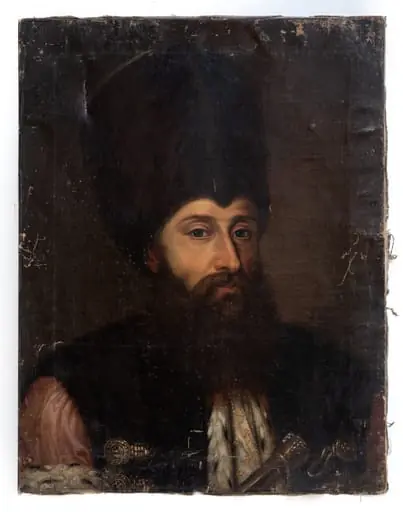 Alexandru Ipsilanti
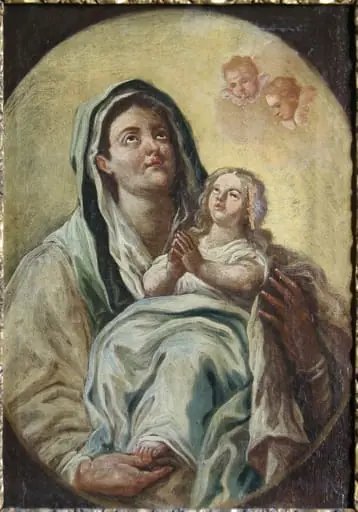 Fecioara Maria cu Pruncul Isus (în Reg. Inv.: Maria cu copilul Isus)
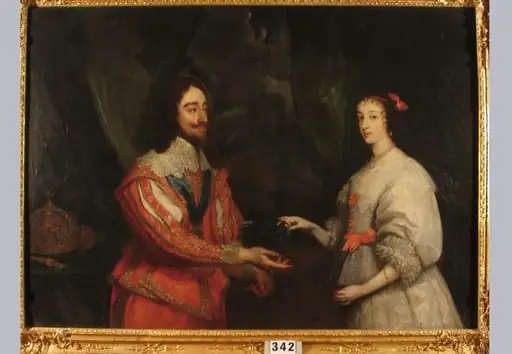 Regele Charles I Stuart al Angliei și soția sa Henrietta Maria de Franța (în Reg. Inv.: Carol I al Angliei și soția sa Henriette din Franța)
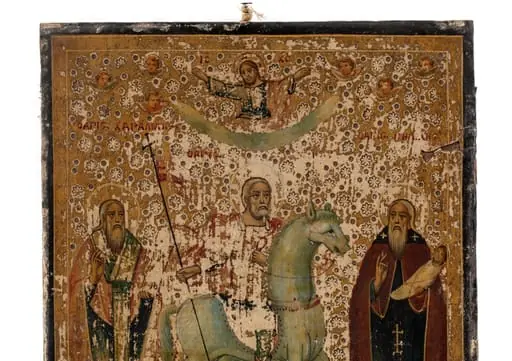 Sfântul Haralambie cu alți doi sfinți
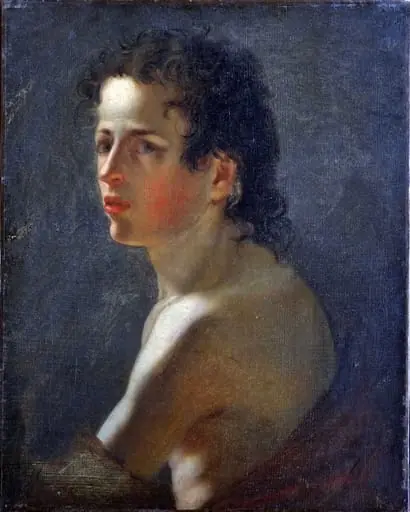 Portret de bărbat
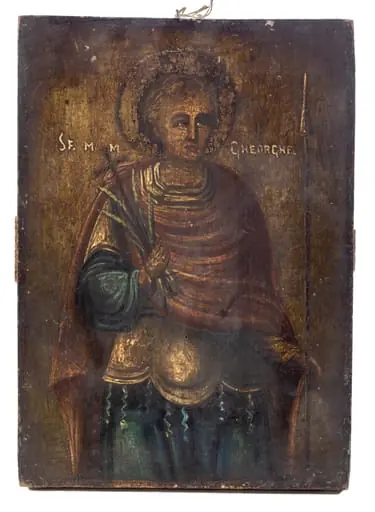 Sfântul Gheorghe
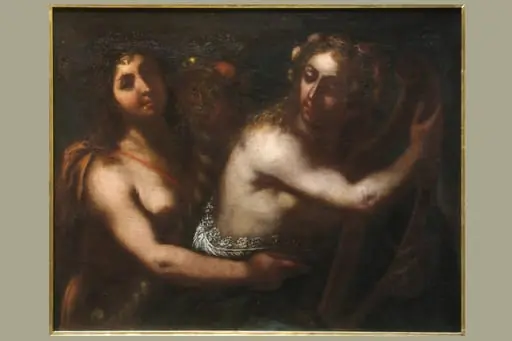 Vertumnus și Pomona (în Reg. Inv.: Vertumnus și Flora)
 Iarnă
Iarnă
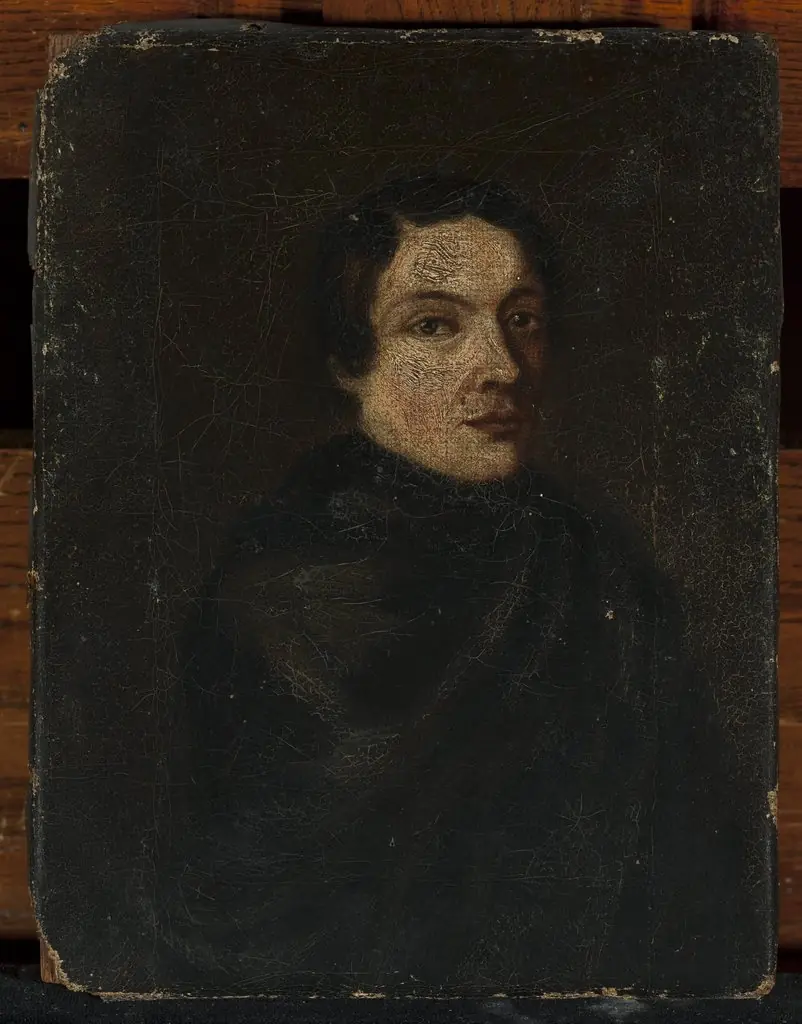 Portrait of a man in a cloak
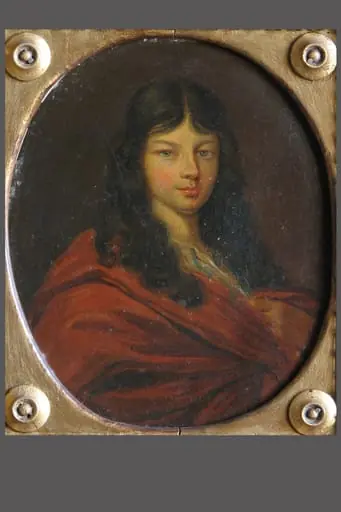 Portretul unui tânăr
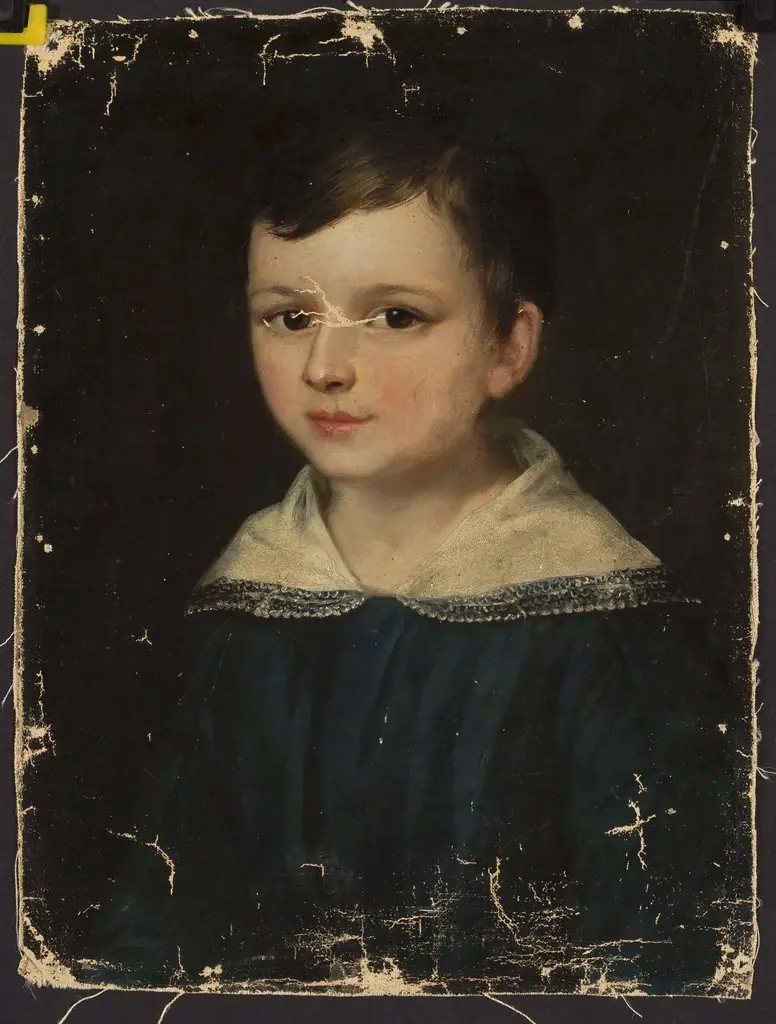 Portrait of Oktawian Szukiewicz as a child
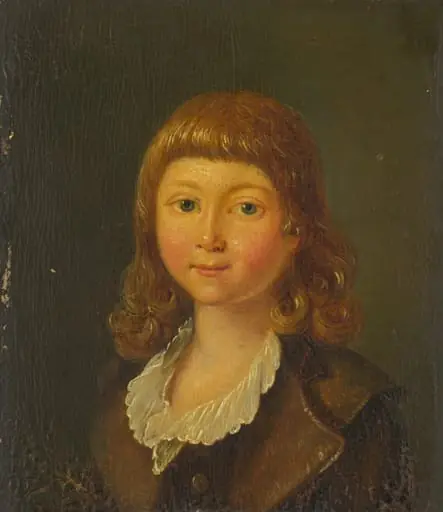 Portrait of a Young Boy
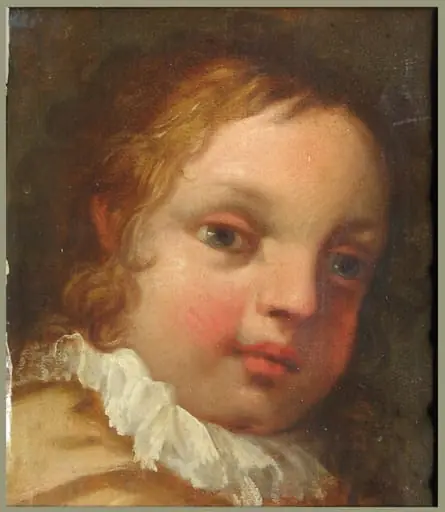 Capul unui băiat necunoscut
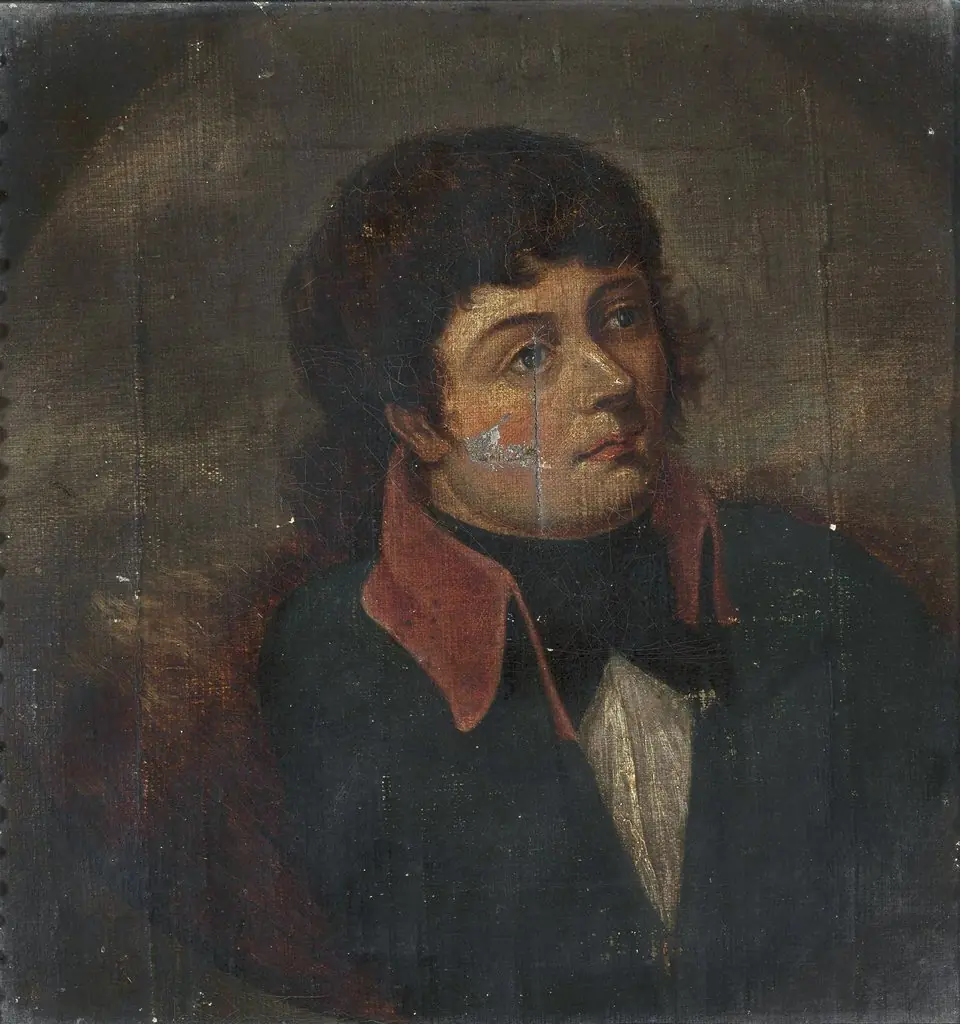 Portrait of Tadeusz Kościuszko
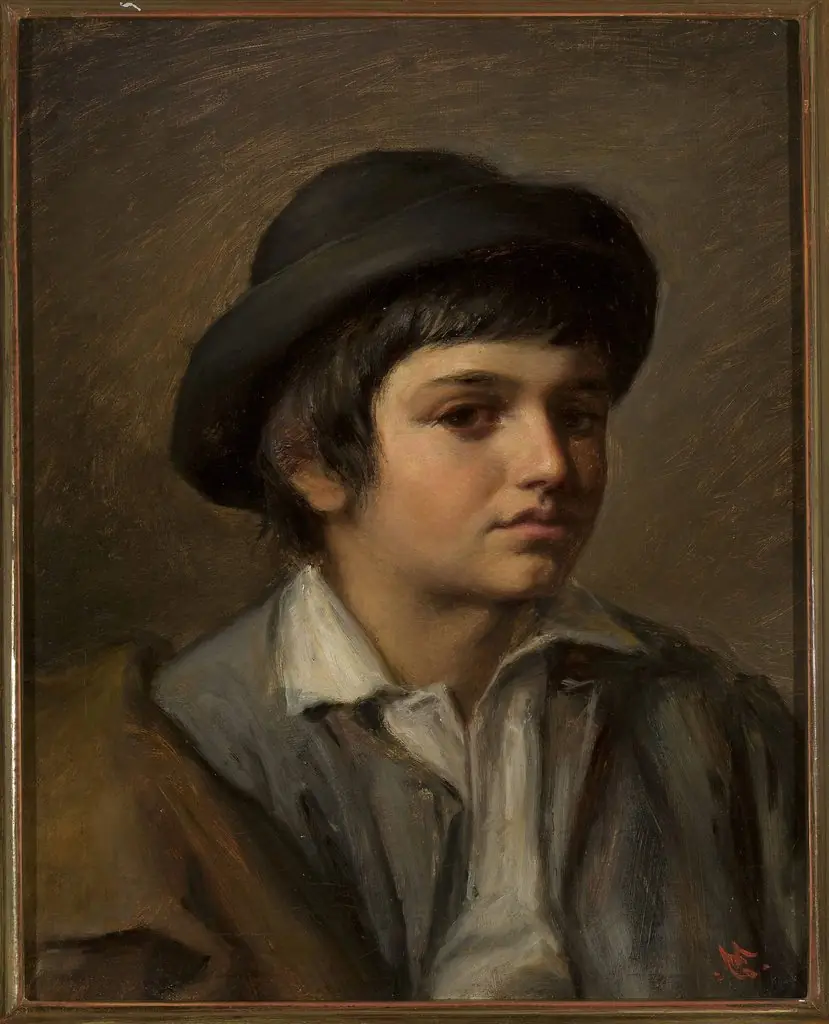 Portrait of a boy in a hat
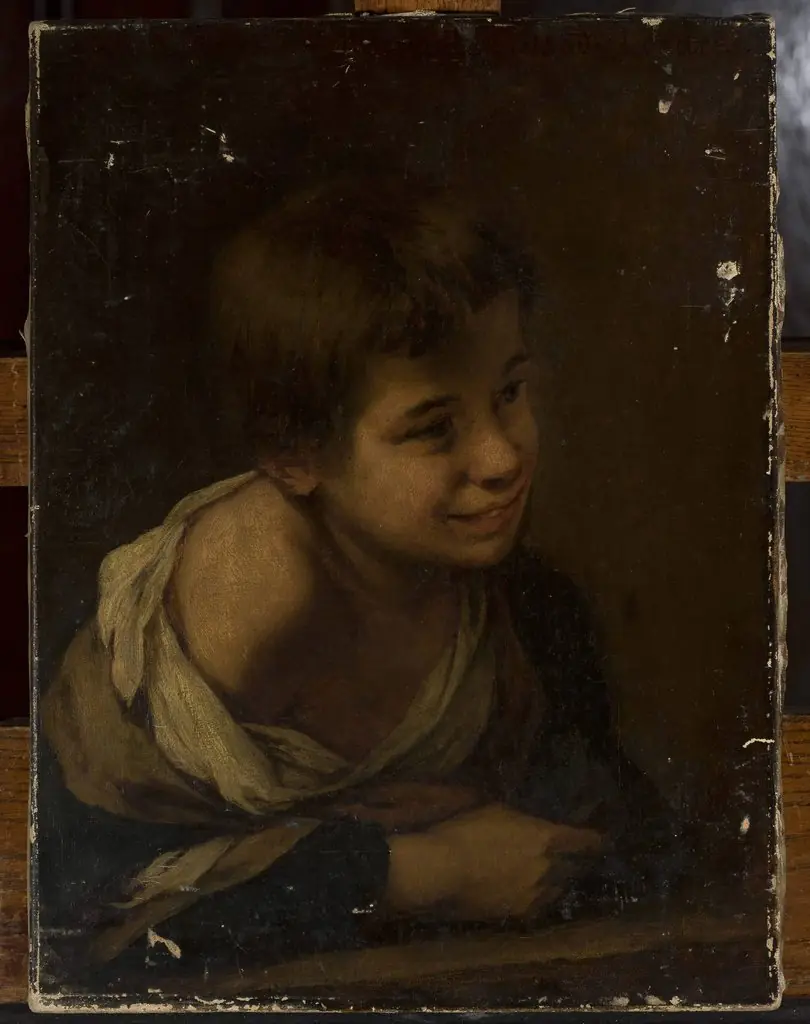 Head of a boy
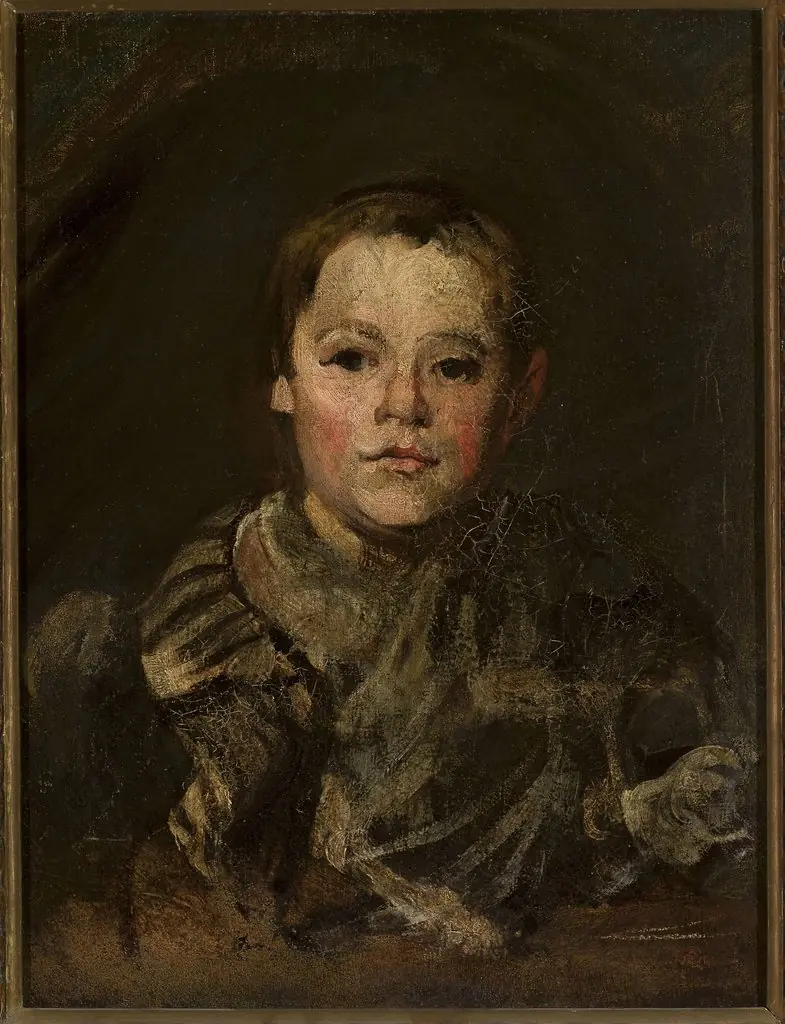 Portrait of the artist’s son
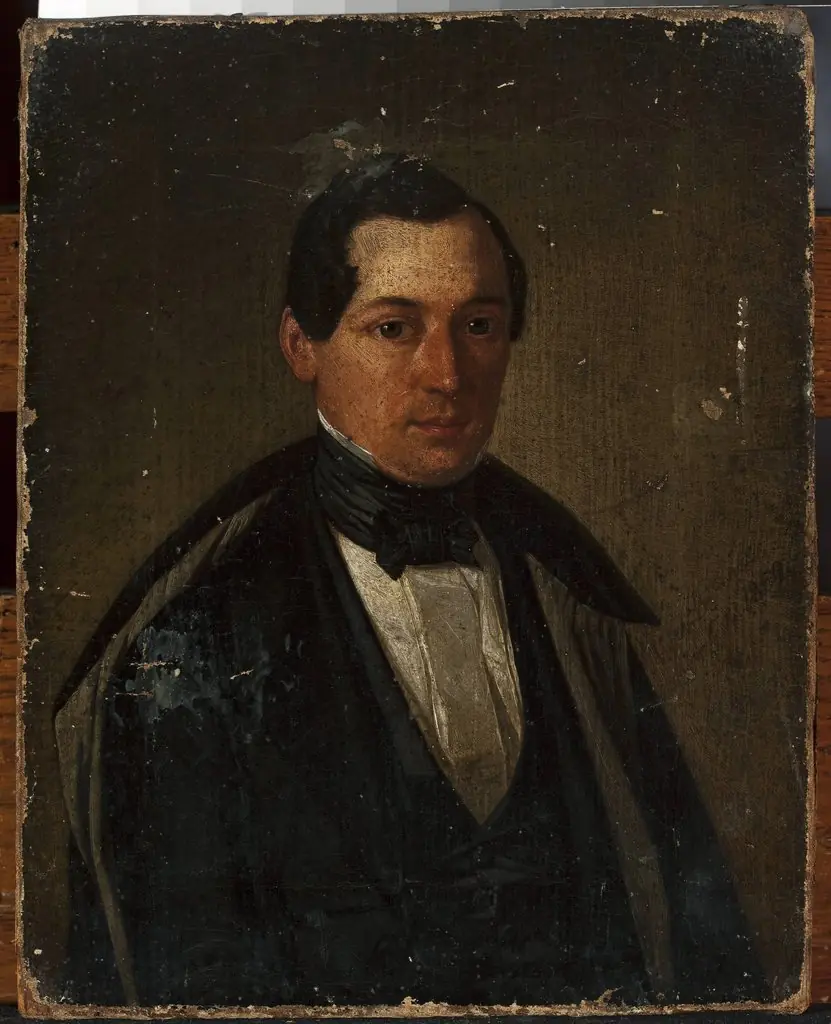 Portrait of a man in a coat
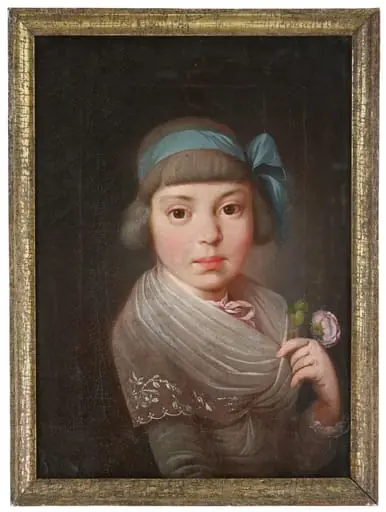 Bildnis eines kleinen Mädchens mit gepuderter Pagenfrisur
 Cap de copil