Artwork
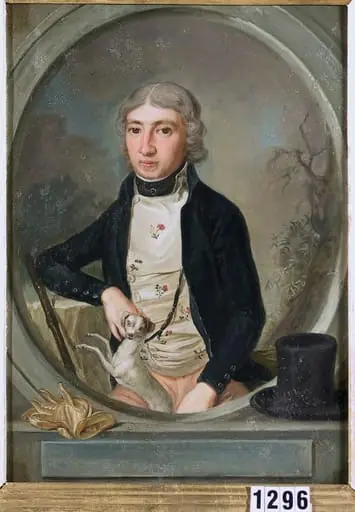
Portretul unui tânăr
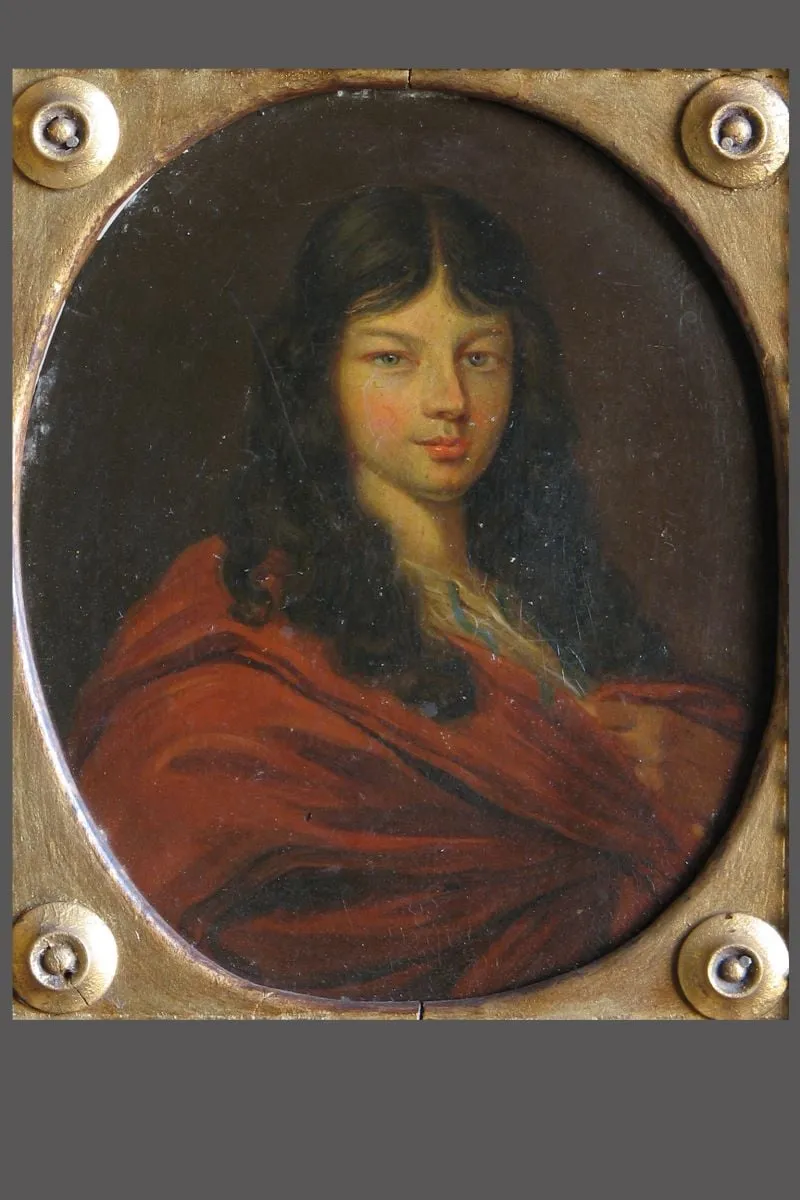
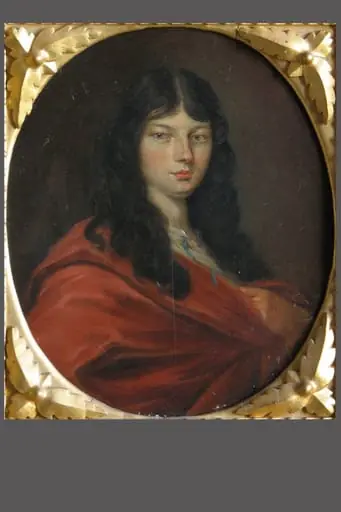
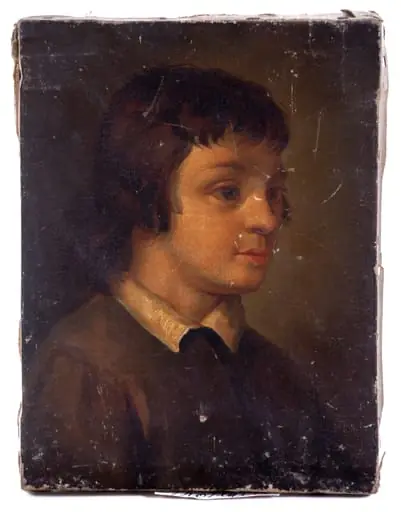
Portretul unui tânăr is a print by the Baroque artist Johann Martin Stock. It is held in the collection of the Brukenthal National Museum. This portrait depicts a young man rendered in oil on panel, characterized by a restrained palette and focused composition.
About this work
Overview
The work belongs to a tradition of intimate, psychologically nuanced portraiture from the late Renaissance or early Baroque period.
This portrait depicts a young man rendered in oil on panel, characterized by a restrained palette and focused composition. The figure is centered against a deep, unmodulated background, drawing attention to his face and attire. The lighting is subtle yet deliberate, emphasizing texture and form without theatricality. The work belongs to a tradition of intimate, psychologically nuanced portraiture from the late Renaissance or early Baroque period.
Subject & Meaning
The subject is a young man, his gaze steady and unemotional, meeting the viewer directly. His long, dark hair and rich red robe suggest status or ceremonial dress, though no external symbols of identity are present. The absence of narrative context invites contemplation rather than storytelling. The somber tone and inward focus imply an emphasis on inner character over external display.
Technique & Style
The artist employs chiaroscuro to model the figure’s face and fabric with soft gradations of light and shadow. The red robe is rendered with layered pigments to suggest depth and weight, while the dark background enhances the three-dimensionality of the form. Brushwork is controlled and precise, avoiding flourish in favor of quiet realism. The technique prioritizes anatomical accuracy and atmospheric cohesion over decorative detail.
History & Provenance
The painting’s origin is not documented in public records, but its style aligns with Northern European or Italian portraiture from the late 16th to early 17th century. It likely belonged to a private collector before entering institutional care. No known commissions or inscriptions accompany the work, leaving its patronage and original purpose speculative.
Context
During the period in which this portrait was likely made, individual portraiture gained prominence among secular elites, reflecting growing interest in personal identity. Artists increasingly used chiaroscuro to convey psychological depth, moving away from rigid formalism. This work fits within that shift, valuing quiet presence over heraldic display, though without the overt symbolism common in aristocratic commissions.
Legacy
Though not widely exhibited or studied, the painting exemplifies a quiet strand of early modern portraiture that prioritized psychological subtlety. Its restrained use of light and absence of embellishment resonate with later realist traditions. It remains a modest but instructive example of how simplicity in composition can evoke enduring presence.
Artist & collection
Artist
A late-18th-century Austrian painter, Johann Martin Stock made bold, folksy portraits and still lifes in oils, plus a few prints.

 Portretul unui tânăr
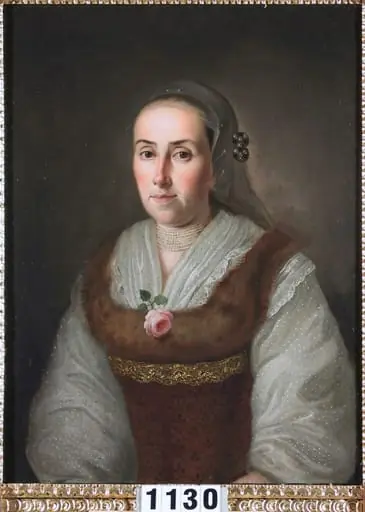
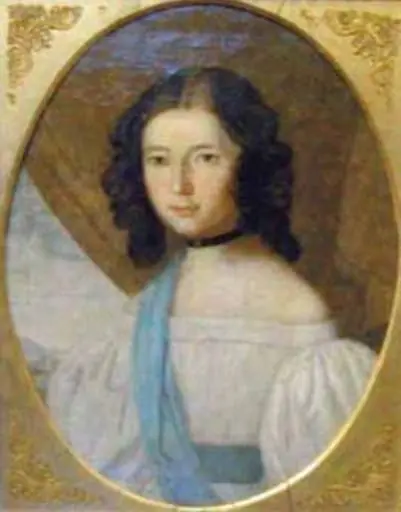 Sombori Eszter
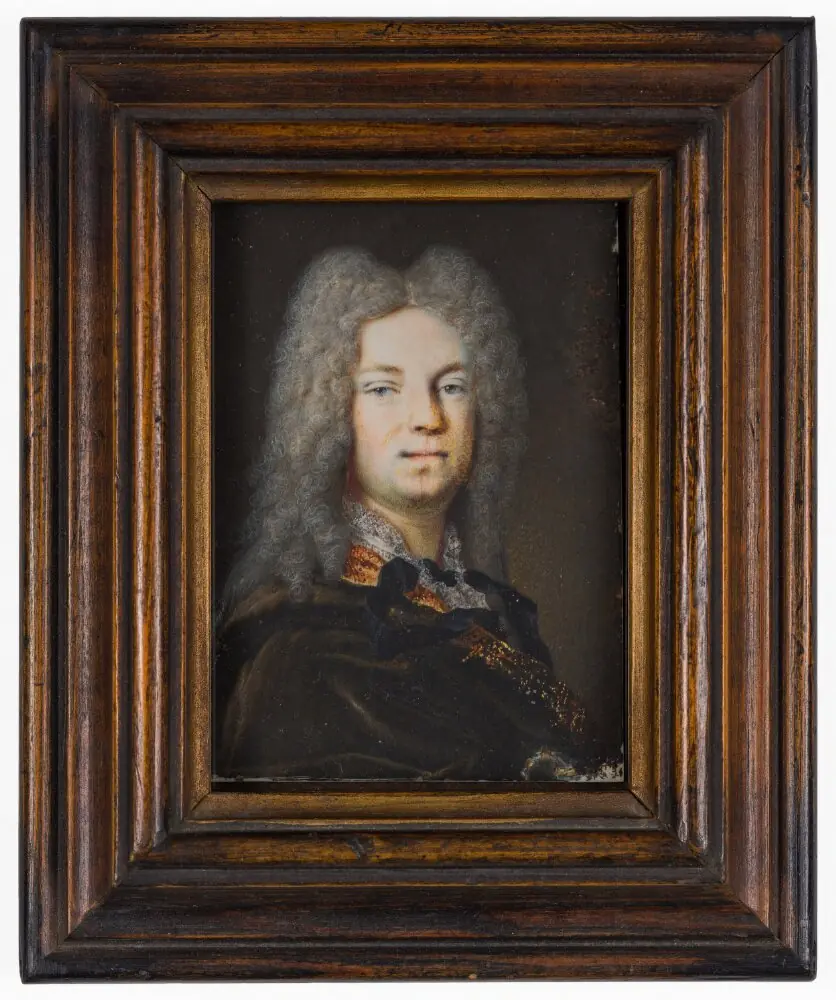 Portrait av Fabian Wrede af Elimä (1694-1768)
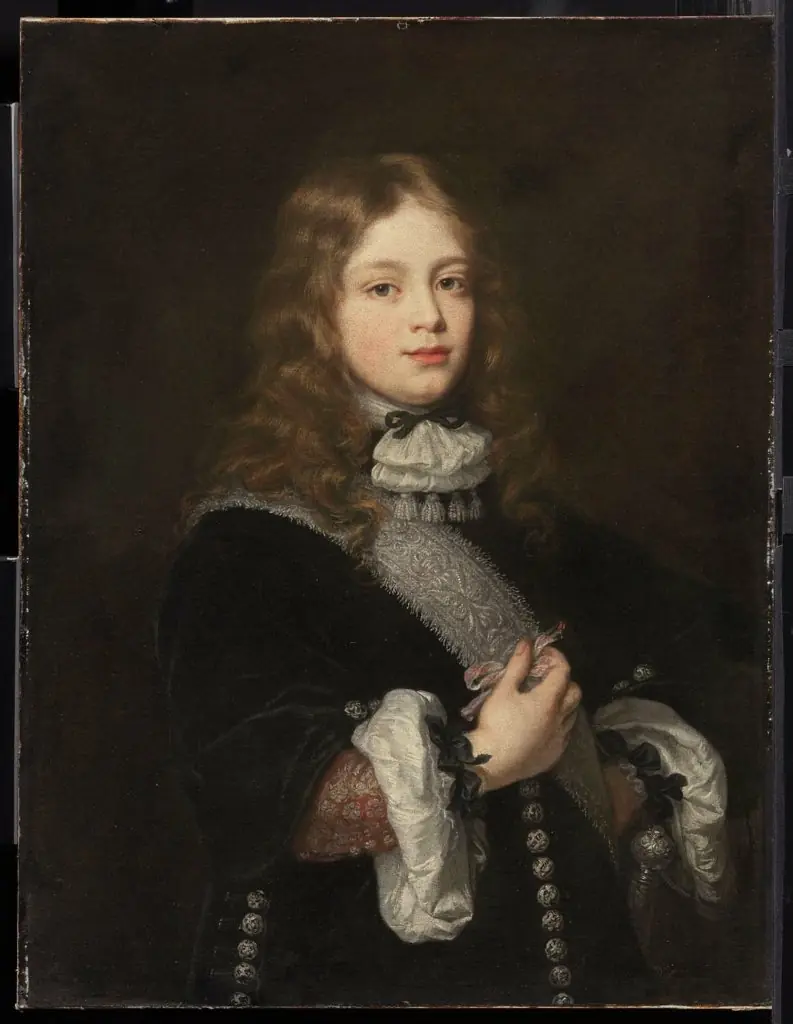 Portrait of a Boy
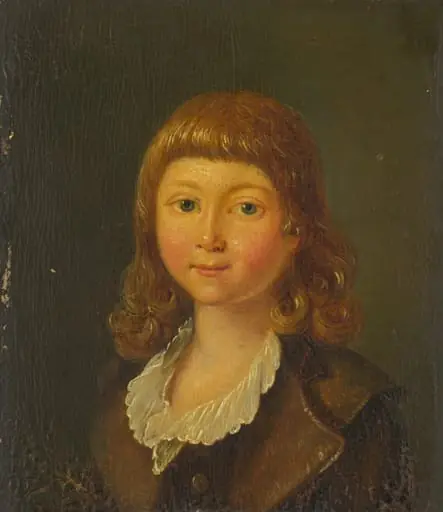 Portrait of a Young Boy
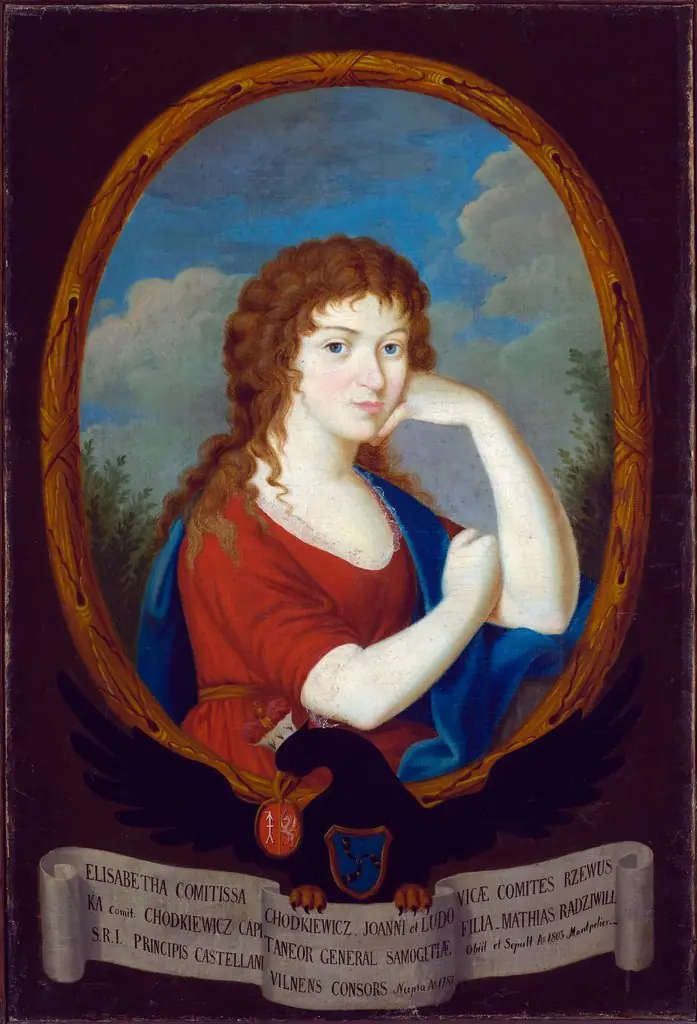 Portrait of Elżbieta Radziwiłł née Chodkiewicz (after 1766–1803)
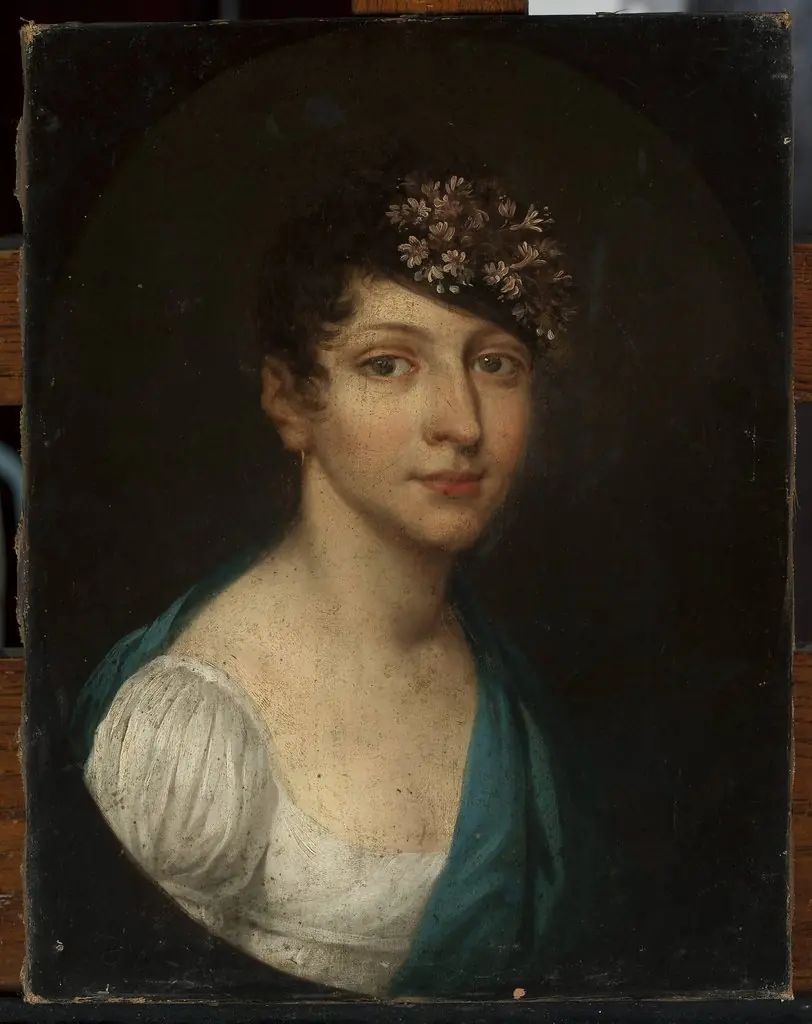 Portrait of Maria Żebrowska née Cieślik
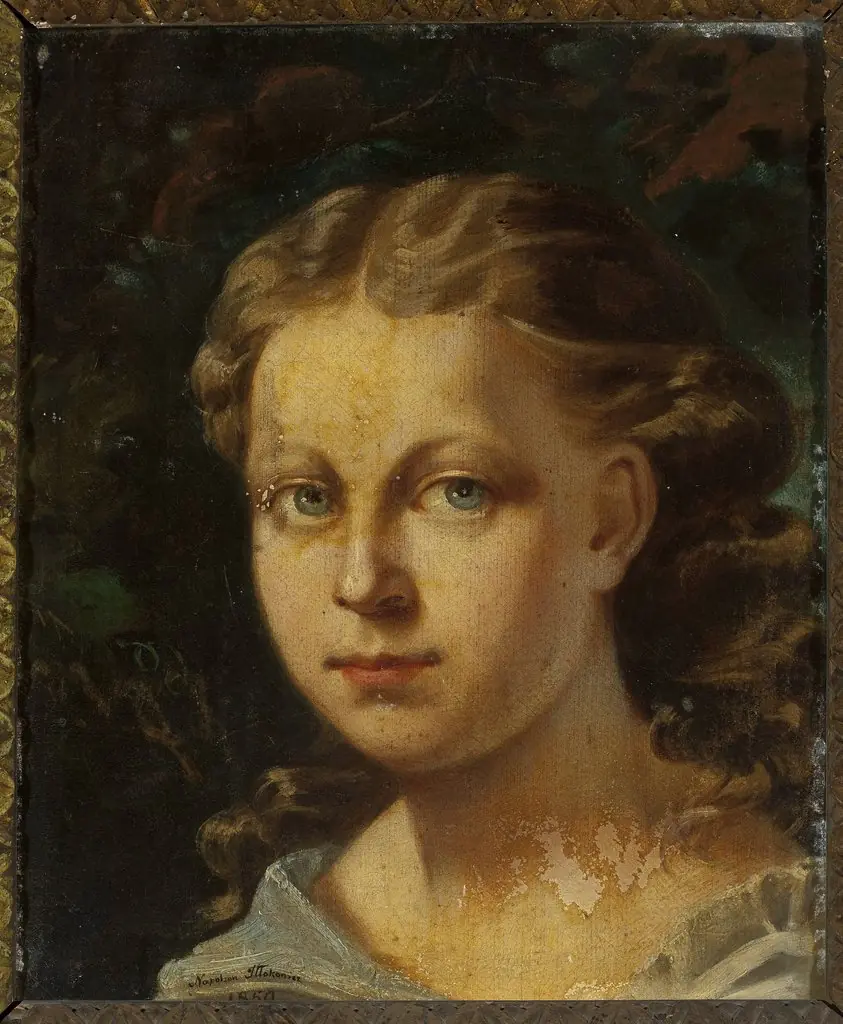 Portrait of Ludwika Rozwadowska née Zamoyska
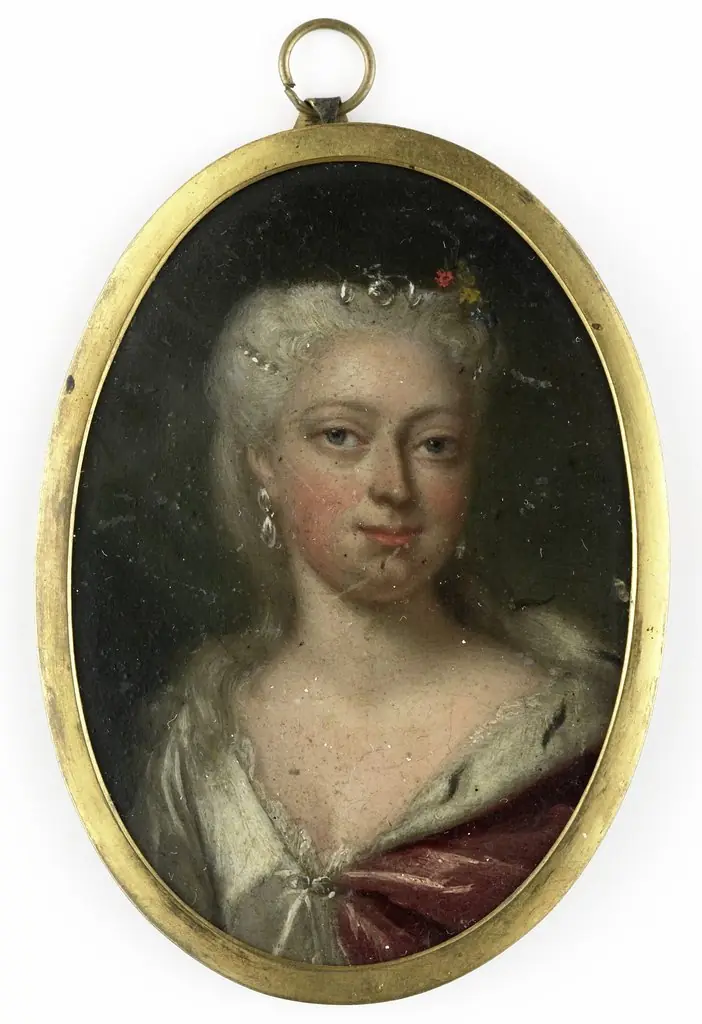 Anna van Hannover (1709-59). wife of Prince Willem IV
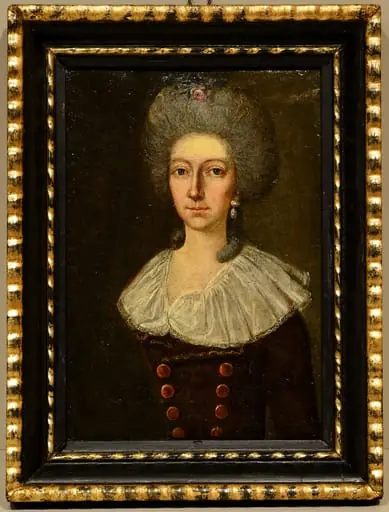 Äbtissin Auguste Dorothea von Braunschweig-Wolfenbüttel
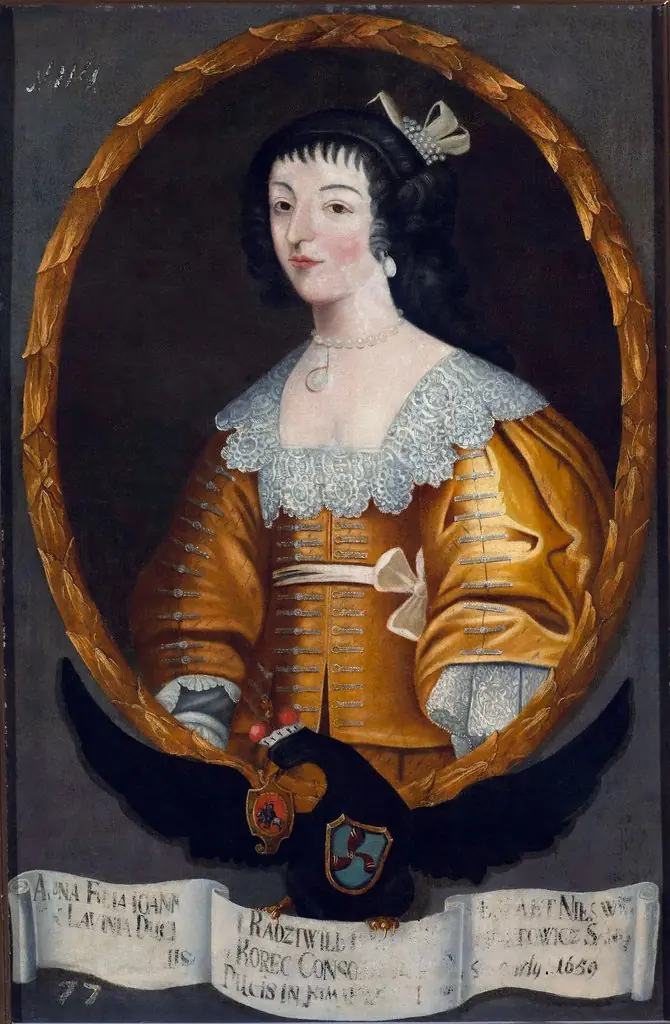 Portrait of Anna Sanguszko née Radziwiłł (?–1659)
 Cap de tânăr