Artwork
Sfântul Haralambie cu alți doi sfinți
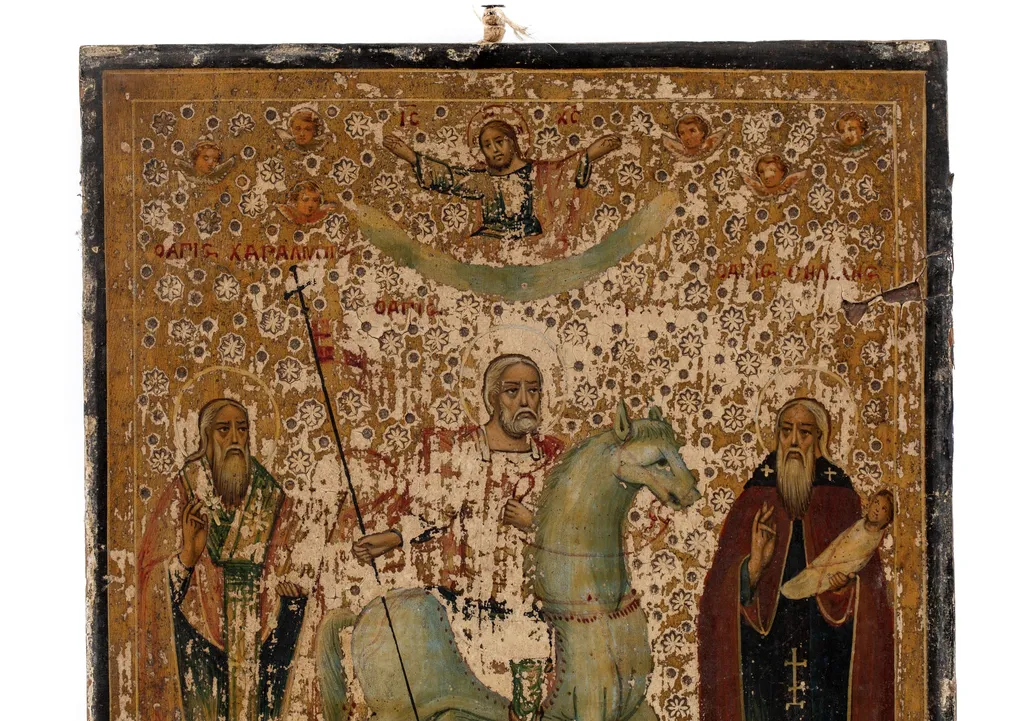
Sfântul Haralambie cu alți doi sfinți is an unspecified painting by the Byzantine icon painting artist Hugo Kołłątaj. It is held in the collection of the Moldova National Museum Complex. This painted panel depicts three saints standing beside a horse, set against a dense gold-leaf background adorned with small figures.
About this work
Overview
The figures wear modest robes in faded earth tones—reds, greens, and golds—while the horse’s greenish coat contrasts sharply with the luminous background.
This painted panel depicts three saints standing beside a horse, set against a dense gold-leaf background adorned with small figures. One saint holds a staff, another cradles an infant, and the third gestures toward the animal. The figures wear modest robes in faded earth tones—reds, greens, and golds—while the horse’s greenish coat contrasts sharply with the luminous background. A haloed form hovers above, though its identity is obscured by wear.
Subject & Meaning
The three figures are likely Christian saints, with the infant possibly representing the Christ Child, suggesting a Nativity or hagiographic scene. The horse may symbolize earthly power or pilgrimage, while the floating figure above is likely an angel, reinforcing divine presence. The composition emphasizes sacred hierarchy, with the saints as intermediaries between the earthly and heavenly realms.
Technique & Style
The work employs traditional Byzantine iconography: flat spatial arrangement, symbolic rather than naturalistic rendering, and extensive gold leaf to signify the divine realm. Colors are muted from age, but the warm palette and stylized drapery reflect medieval Eastern European conventions. The lack of chiaroscuro confirms its alignment with liturgical painting traditions, prioritizing spiritual presence over physical realism.
History & Provenance
The painting’s condition suggests it was once displayed in a religious setting, likely a church or monastery in the Romanian cultural sphere. Its wear indicates prolonged veneration and exposure to environmental elements. Exact origin and date remain undocumented, but stylistic elements point to the late medieval or early modern period, consistent with regional icon production practices.
Context
In Eastern Orthodox tradition, icons served as objects of prayer and theological instruction. This panel aligns with the practice of depicting saints alongside symbolic elements to convey spiritual narratives. The inclusion of a horse, uncommon in standard iconography, may reflect local devotional customs or regional storytelling traditions unique to its place of origin.
Legacy
Though not widely known outside regional collections, the painting exemplifies the enduring visual language of Orthodox iconography. Its preservation offers insight into how local communities adapted canonical forms to express personal or communal piety. The faded state underscores the material fragility of devotional art and the passage of time in religious practice.
Artist & collection
Artist
This Polish folk painter worked in the late eighteenth and early nineteenth centuries, creating religious scenes with bold colors and simple shapes.
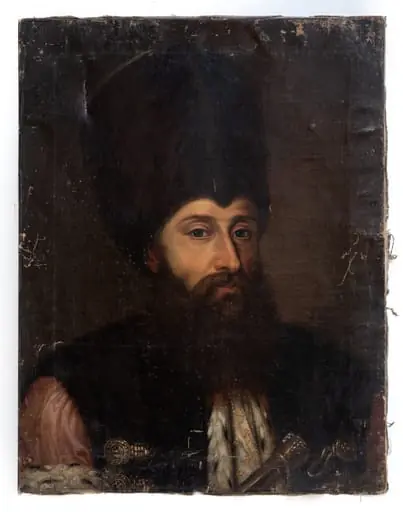 Alexandru Ipsilanti
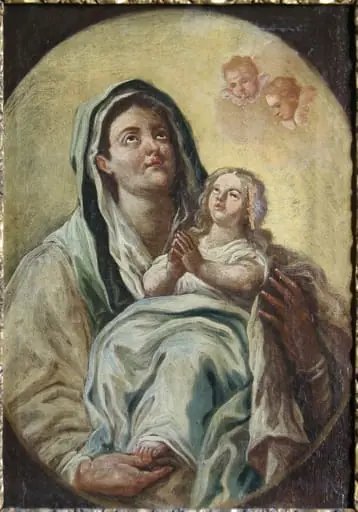 Fecioara Maria cu Pruncul Isus (în Reg. Inv.: Maria cu copilul Isus)
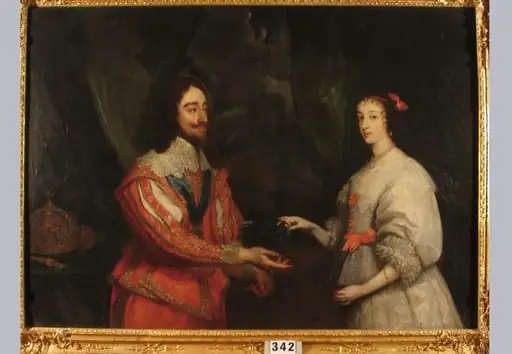 Regele Charles I Stuart al Angliei și soția sa Henrietta Maria de Franța (în Reg. Inv.: Carol I al Angliei și soția sa Henriette din Franța)
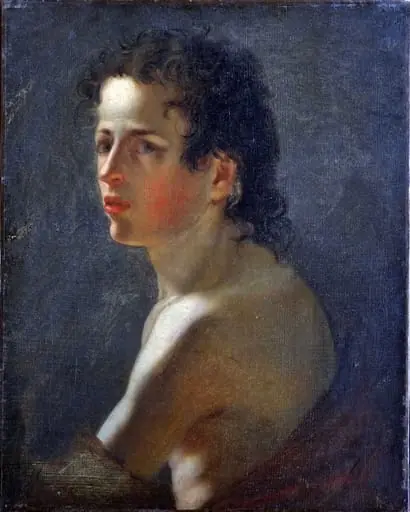 Portret de bărbat
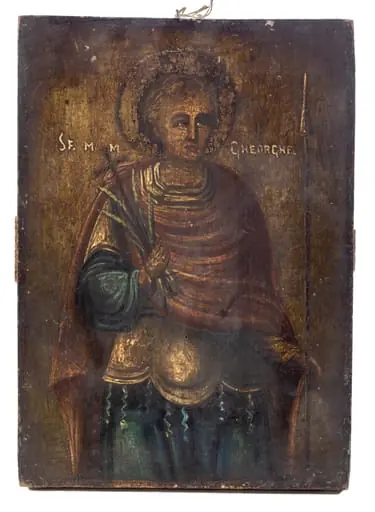 Sfântul Gheorghe
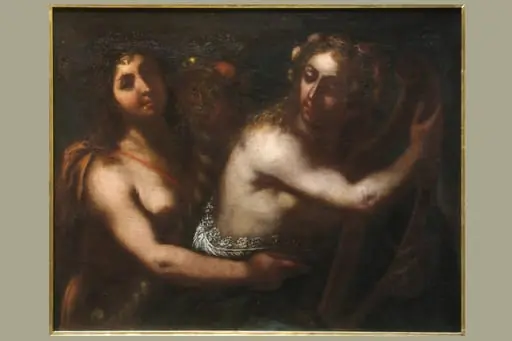 Vertumnus și Pomona (în Reg. Inv.: Vertumnus și Flora)
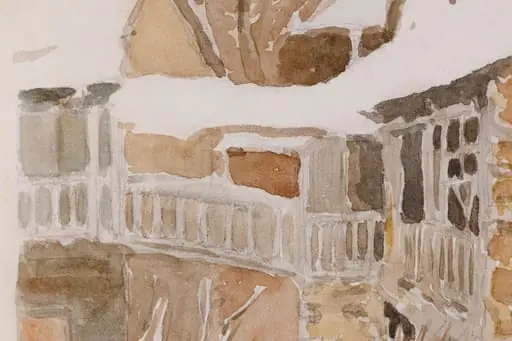 Iarnă
Iarnă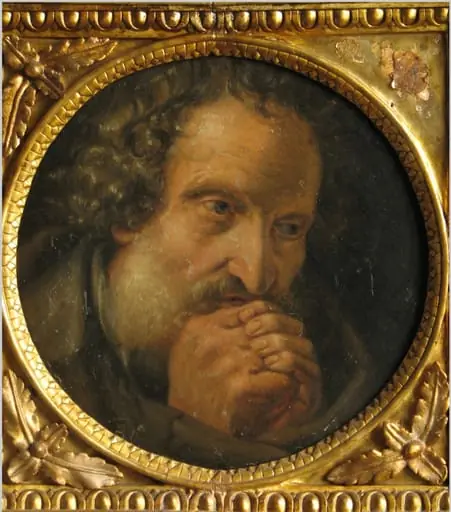 Sfântul Petru
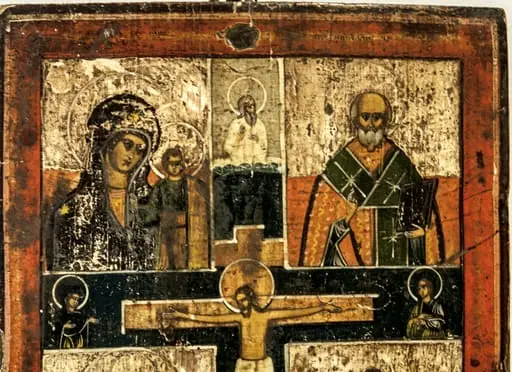 Răstshka
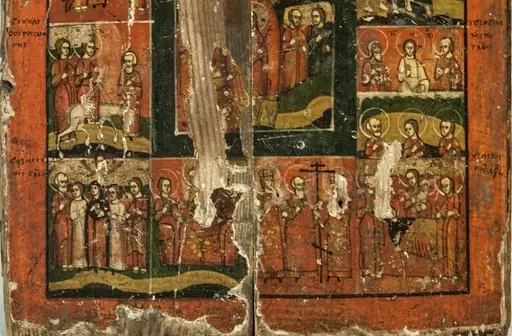 Compului
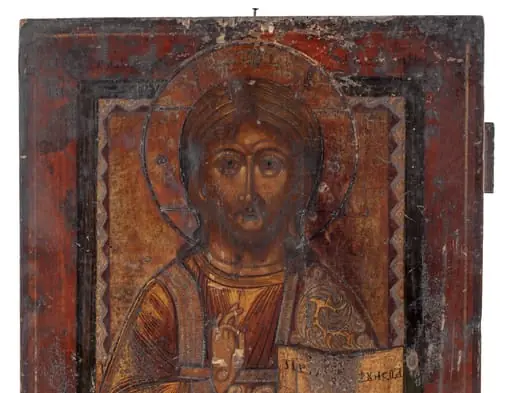 Iisus Christos (Iisus Hristos)
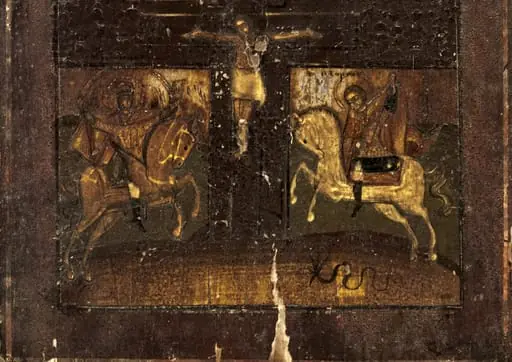 Răstignirea lui Iisus Hristos plasată pe un câmp central sub formă de cruce, împarte spațiul pictural în patru casete dreptunghiulare, Iisus Hristos răstignit pe crucea cu 6 brațe (specifică ortodoxiei ruse), cu un veșmânt alb în jurul mijlocului, ochii închiși, nimbul cu inscripțiile consacrate. Cele 4 casete conțin următoarele scene: Stânga sus Maica Domnului cu Pruncul tipul Kazanskaia. Este reprezentată până la piept, nu se văd mâinile. Are chipul îndurerat, privirea tristă, îndreptată în jos, capul ușor înclinat spre Prunc. Maforion negru. Iisus – Emanuel, binecuvintează cu dreapta, nimbul cruciger. Înveșmântat cu chiton verde și himation bej. Dreapta sus - Sf. Nicolae în veșminte de arhiereu, cărunt, cu barba rotundă și scurtă, capul descoperit. Înveșmântat cu sacos grena decorat cu șiruri de motive verticale de culoare galbenă, omofor verde cu cruci albe, binecuvântând cu mâna dreaptă, în stânga ținând Evanghelia închisă.; Stânga jos- Sf. Arh. Mihail, înaripat, purtând coroană, cu mantia în vânt, călare pe un cal roșu, de asemenea înaripat, în poziție cambrată. Dreapta jos - Sf. Gheorghe, oștean, călare pe un cal alb în poziție cambrată, înfigând, cu ambele mâini, sulița în gura balaurului, minimizat, redat schematic. Fondul: negru(scena centrală), scenele de sus: 3/4 grena, 1/4 foița metalică, nimburile cu linie discretă, la scenele de jos porțiune de relief redat printr-o zonă de brun care traversează spațiul cruciform și se continuă cu relief colinar în cele două casete. Chenarul marginal specific icoanelor tip krasnushka.Inscripții caligrafice cu negru.Vernis îmbătrânit, care acoperă inscripțiile.
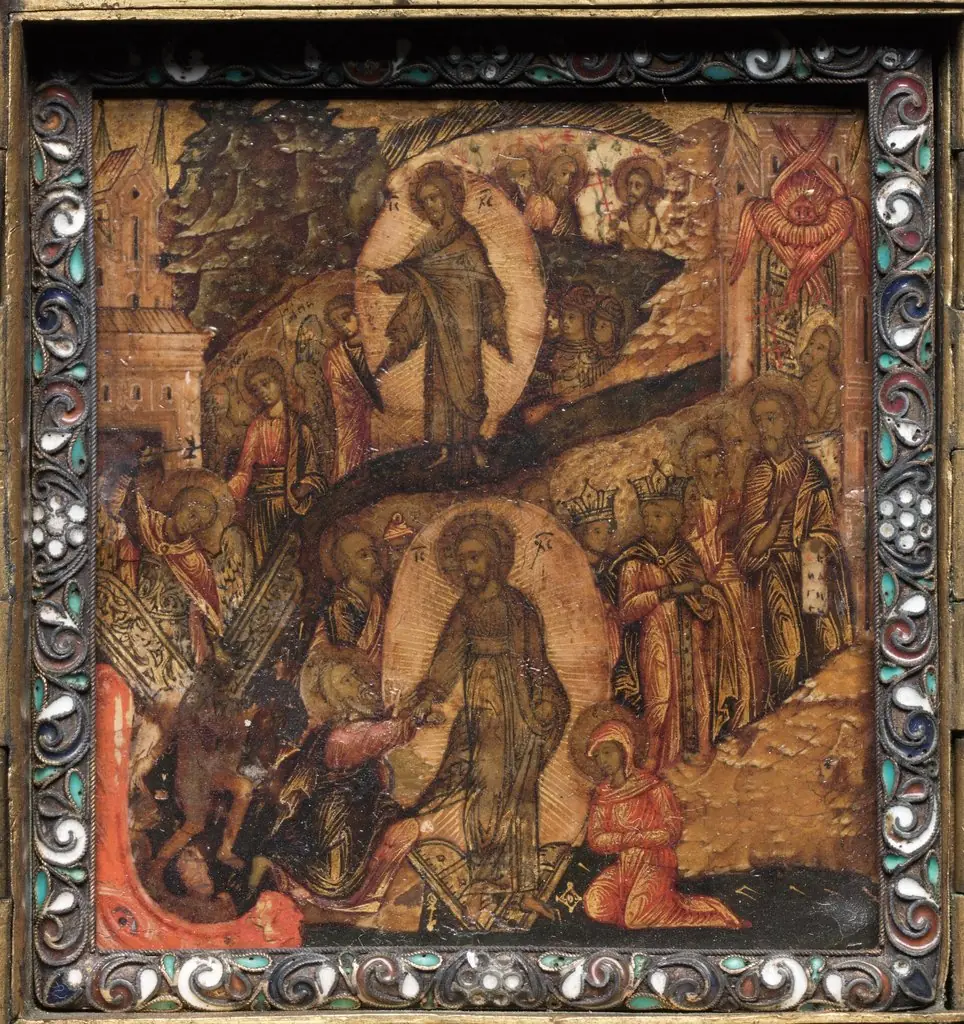 Portable Triptych Icon
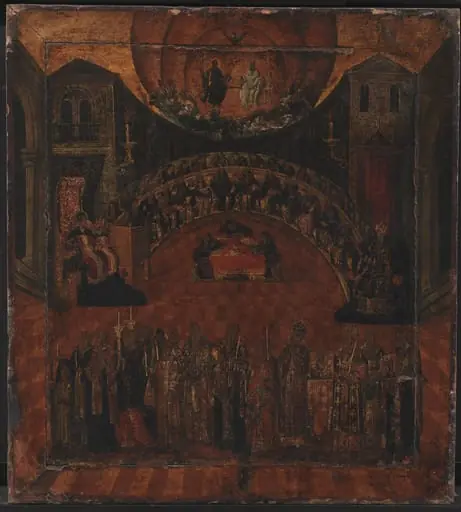 The Council of Nicaea A.D. 787
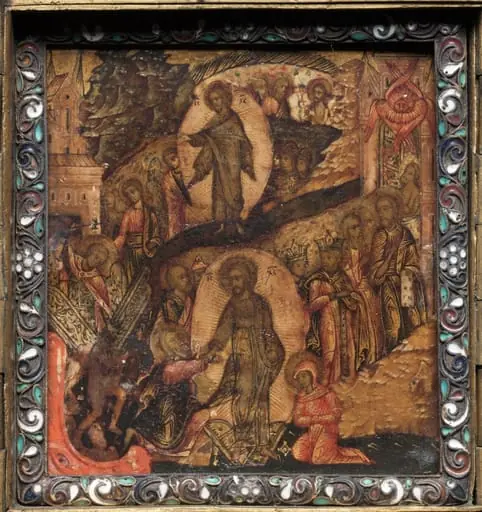 Portable Triptych Icon: The Resurrection and Anastasis
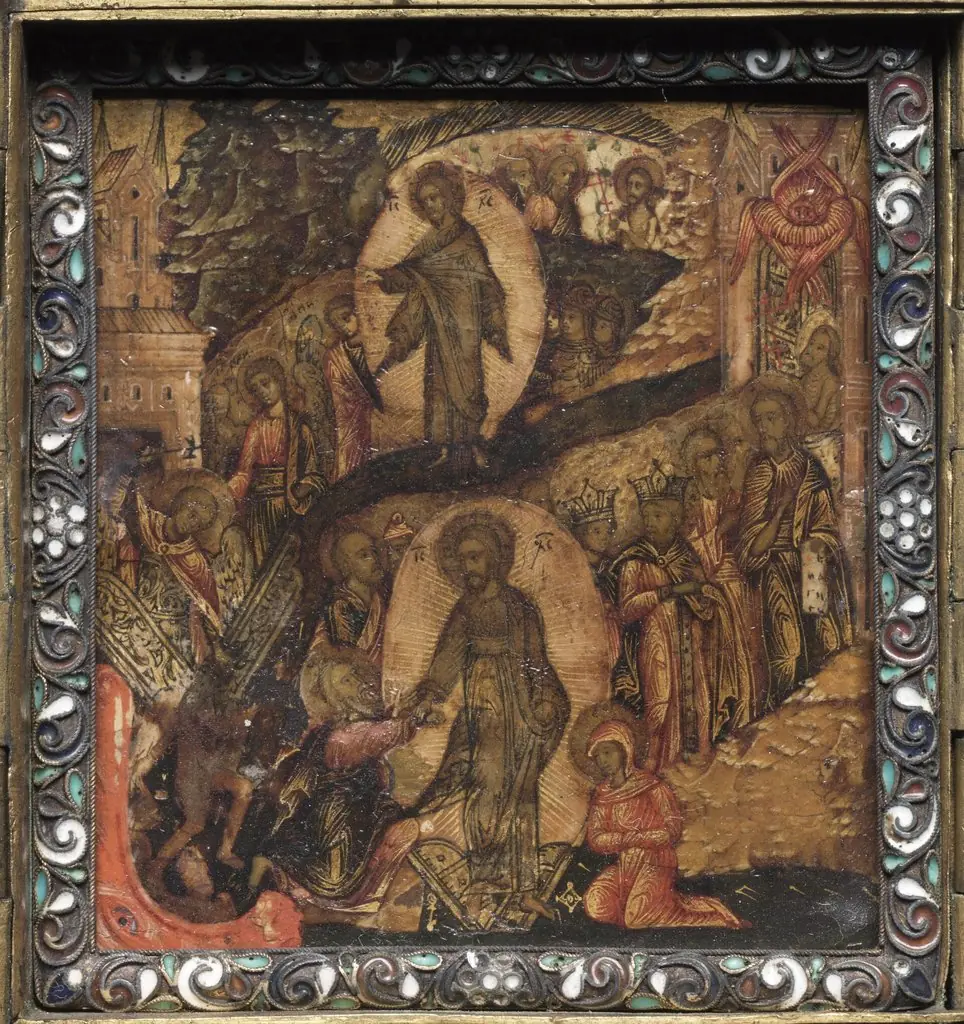 Portable Triptych Icon: The Resurrection and Anastasis
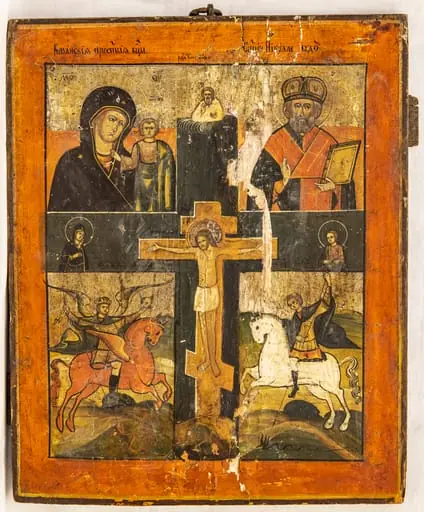 Icoană în patru registre, în centru Iisus Răstignit