Artwork
Fecioara Maria cu Pruncul
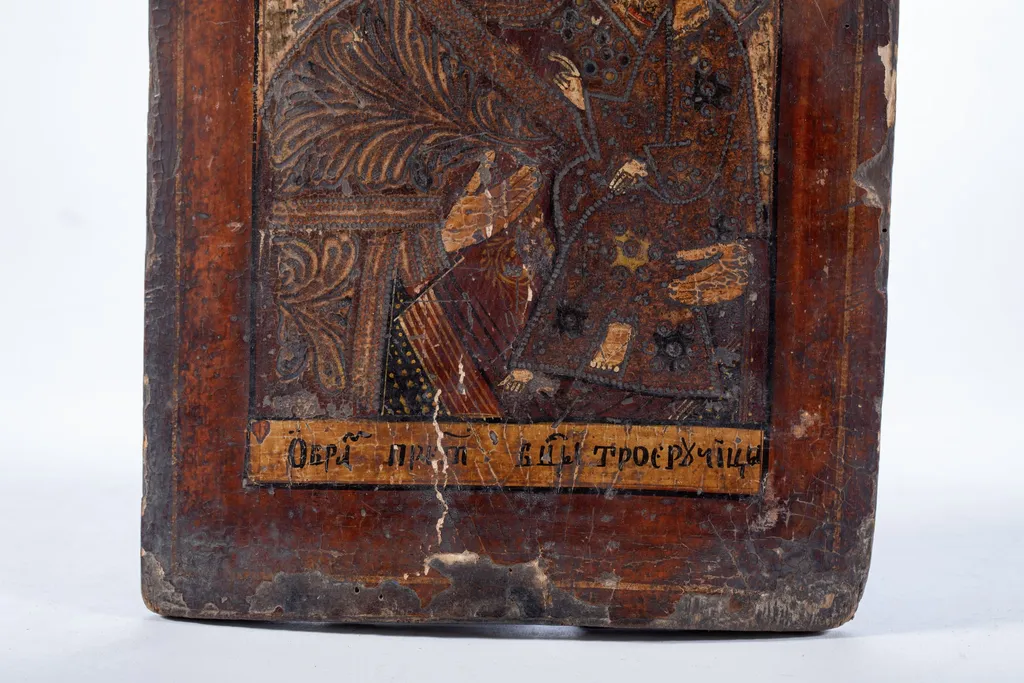
Fecioara Maria cu Pruncul is an unspecified painting by the Byzantine icon painting artist Hugo Kołłątaj. It is held in the collection of the Moldova National Museum Complex. The panel depicts a cloaked female figure cradling an infant, set against a dark backdrop and surrounded by intricate gold ornamentation.
About this work
Overview
The panel depicts a cloaked female figure cradling an infant, set against a dark backdrop and surrounded by intricate gold ornamentation.
The panel depicts a cloaked female figure cradling an infant, set against a dark backdrop and surrounded by intricate gold ornamentation. A faint halo crowns the woman's head, while the child gazes forward, one hand raised in a gesture of blessing. The lower edge bears a narrow gold band with partially legible, archaic script, and the overall condition shows worn margins and modest gilding indicative of considerable age.
Subject & Meaning
The composition represents the Virgin Mary with the Christ Child, a central motif in Christian iconography. The elevated hand of the infant suggests a gesture of benediction, reinforcing theological themes of divine authority and the incarnation. The halo and solemn demeanor of the mother underscore her sanctified status, inviting contemplation of maternal devotion and spiritual intercession.
Technique & Style
Executed in tempera with gold leaf, the panel employs a limited palette dominated by deep shadows and luminous gold accents, creating a subtle chiaroscuro effect that models the figures. The figures are rendered with a rigid, frontal stance typical of medieval devotional panels, while the ornamental border reflects Byzantine-inspired metalwork patterns, emphasizing the work’s liturgical function.
History & Provenance
The panel’s aged edges, simple gilding, and stylized forms point to a medieval origin, likely produced in a workshop serving ecclesiastical patrons. The faded inscription along the gold strip suggests a possible dedication or donor record, though the script remains partially unreadable. No documented ownership trail accompanies the piece, indicating it may have remained within a local religious setting before entering a private collection.
Context
Such panels were commonly used as portable altarpieces or as components of larger polyptychs in churches and monasteries. The emphasis on gold and the static, hieratic pose align the work with the Byzantine-influenced visual language that spread across Eastern Europe during the Middle Ages, reflecting the theological and artistic exchanges of the period.
Artist & collection
Artist
This Polish folk painter worked in the late eighteenth and early nineteenth centuries, creating religious scenes with bold colors and simple shapes.
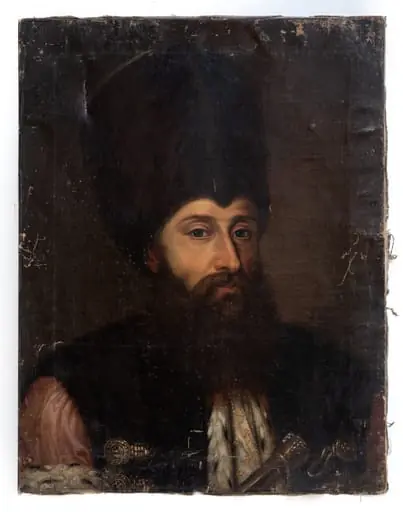 Alexandru Ipsilanti
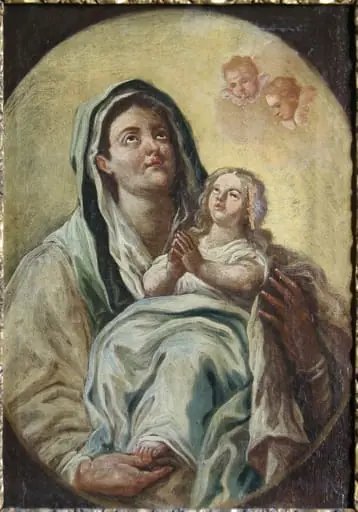 Fecioara Maria cu Pruncul Isus (în Reg. Inv.: Maria cu copilul Isus)
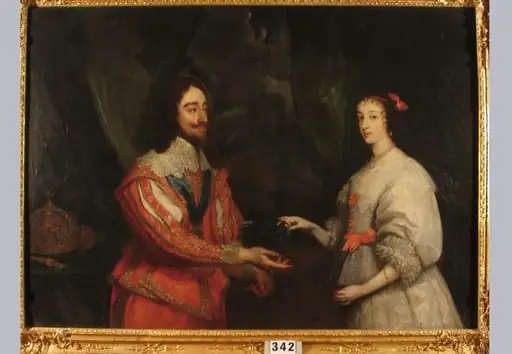 Regele Charles I Stuart al Angliei și soția sa Henrietta Maria de Franța (în Reg. Inv.: Carol I al Angliei și soția sa Henriette din Franța)
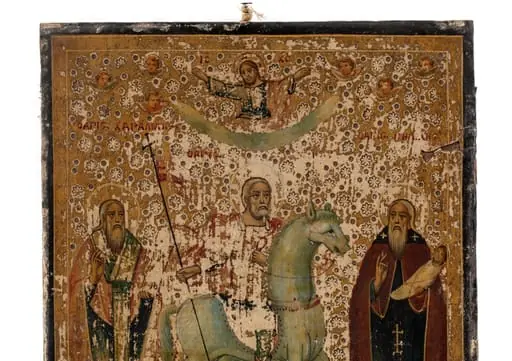 Sfântul Haralambie cu alți doi sfinți
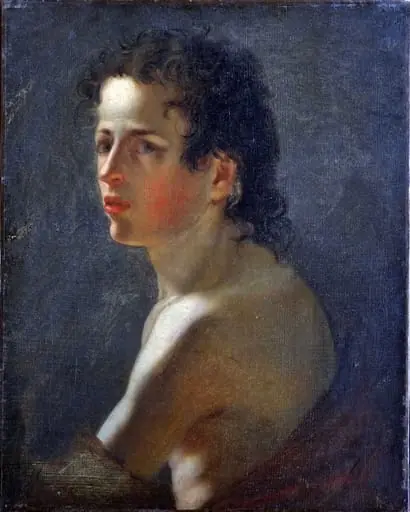 Portret de bărbat
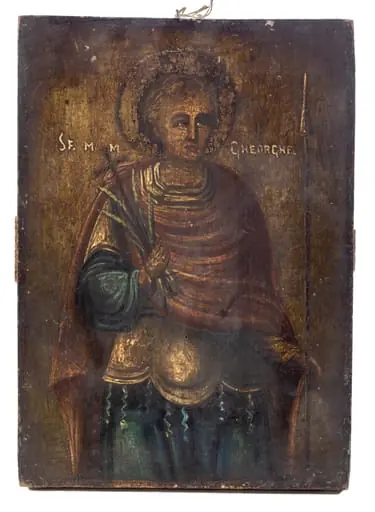 Sfântul Gheorghe
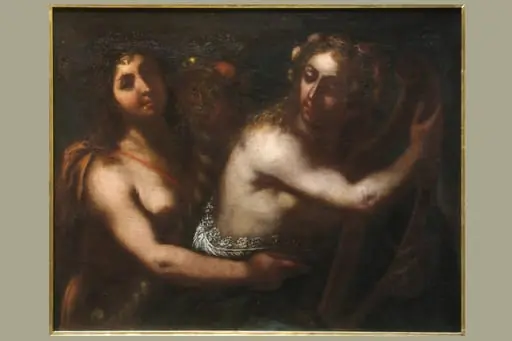 Vertumnus și Pomona (în Reg. Inv.: Vertumnus și Flora)
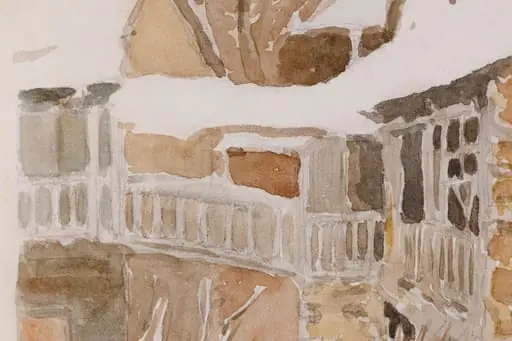 Iarnă
Iarnă
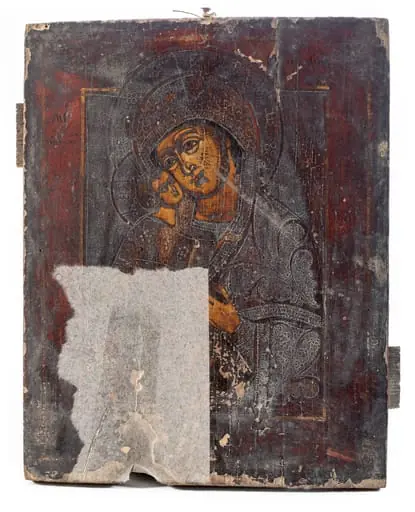 Maica Domnului cu Pruncul
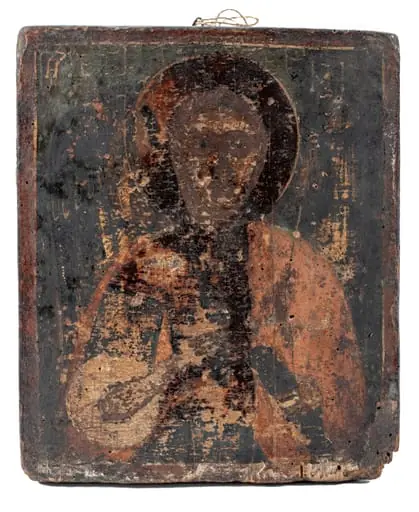 Arhanghelul Mihail
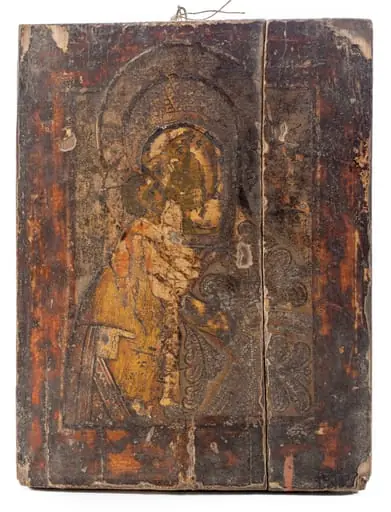 Maica Domnului cu Pruncul Iisus
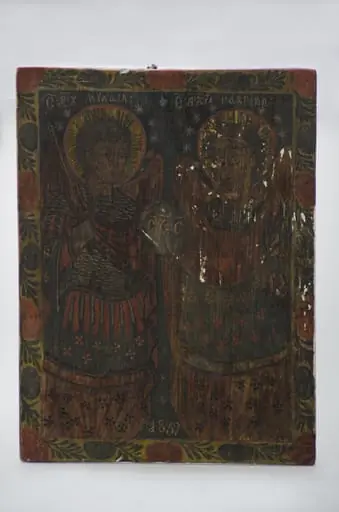 Icoană pe lemn, datată 1839, reprezentând pe Sfinții Arhangheli Mihail și Gavriil ținând în mână globul pământesc pe care sunt literele „S S S (Sfânt Sfânt Sfânt)” - cântarea îngerilor din ceruri. În registrul superior sunt scrise numele îngerilor în românește cu caractere chirilice: „Sf Arh Mihail – Sf Arh Gabriil”. Cu îmbrăcăminte ostășească, îngerii au aoreolă împrejurul capului, Mihail are sabie în mâna dreaptă iar Gavriil are crinul în mâna stângă. Icoana are un chenar realizat cu o linie subțire. Un al doilea chenar exterior cu motive florale și vegetale. Cromatică: roșu, alb, bleumarin; auriu; alb; negru.
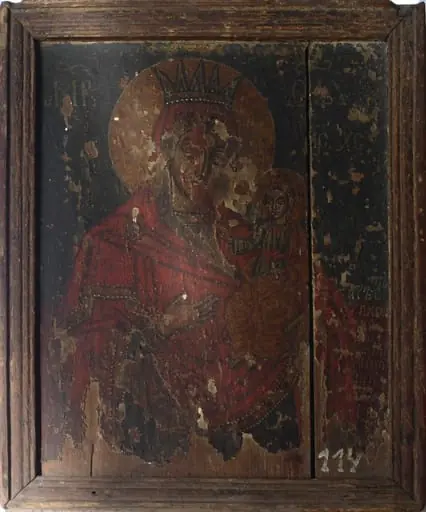 Maica Domnului cu Pruncul
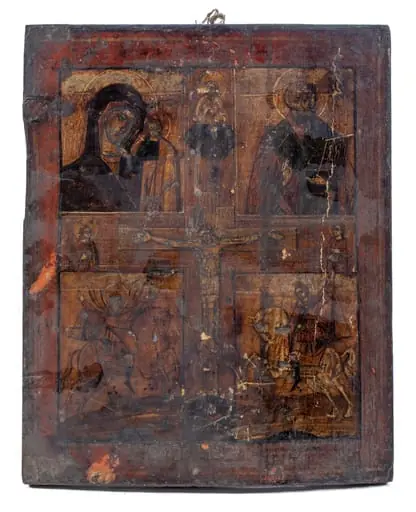 Răstignirea
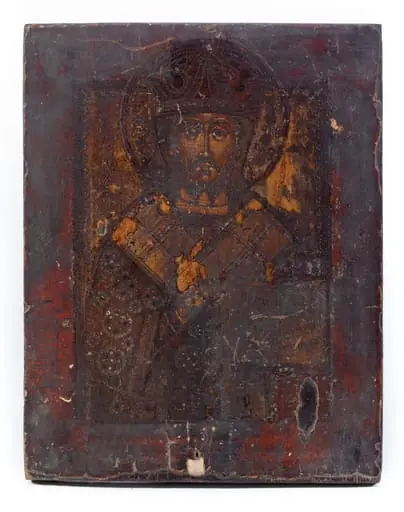 Sfântul Nicolae
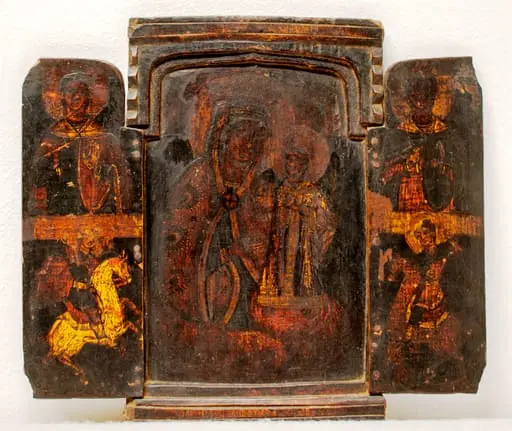 Pe panoul central este reprezentată Maica Domnului Hodighitria(Călăuzitoarea). Pruncul stă în picioare, amândoi fiind înveșmântați în straie împărătești. Maica ține Pruncul cu mâna stângă, cu dreapta arată către El. Voleul stâng, jumătatea inferioară - Sfântul Gheorghe călare pe cal alb. Înveșmântat în costum românesc de oștean medieval, mantie roșie. Calul cu picioarele din față ridicate, harnașament de culoare roșie. Deasupra e posibil să fie tot sfântul Gheorghe, în stânga ținând crucea, cu dreapta face gestul păcii, al liniștii.(prin analogie cu 34530). Simetric, pe latura dreaptă a tripticului se află jos, Sf. Dumitru, călare pe cal roșu, în poziție asemănătoare cu a SF. Gheorghe, iar sus probabil tot el, în altă ipostază iconografică(analogie) . Veșmintele au culorile inversate(tunica roșie -dreapta, albastru-stânga, mantie roșu -stânga, albastru - dreapta), la fel la sfinții războinici, probabil în legătură cu reprezentarea populară a timpului. Inițial, tripticul se închidea, dovadă inscripția care se continuă pe cele două uși. Ulterior a fost fixat cu cuie de fier, iar prinderea se făcea cu o sfoară legată de două cuie bătute pe cant.
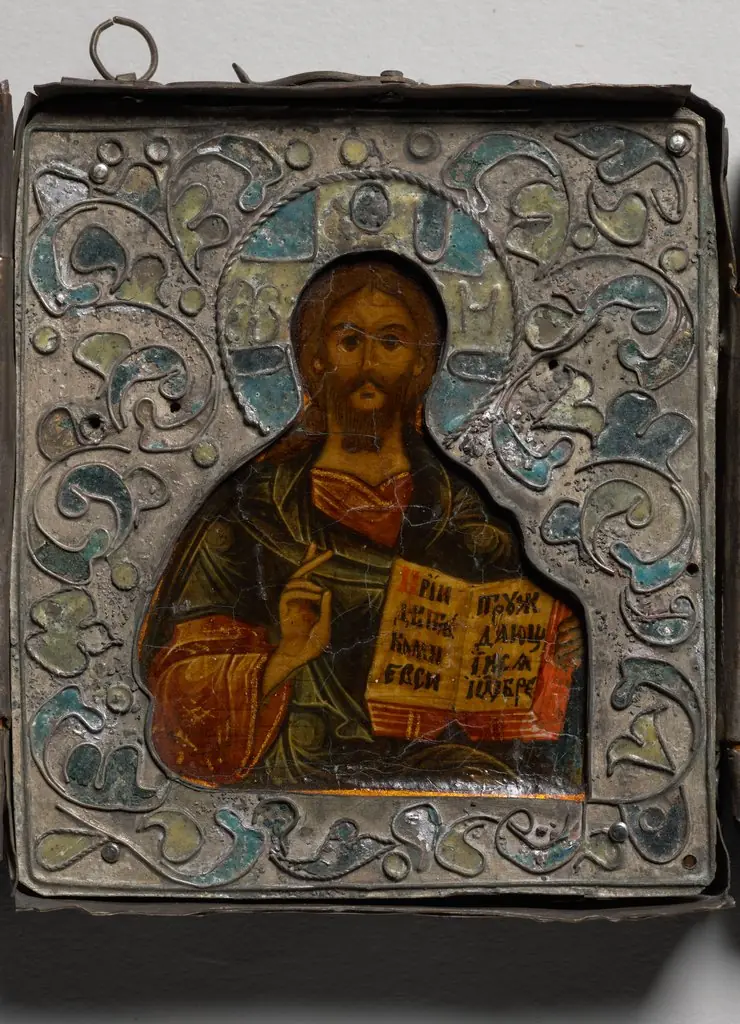 Christ
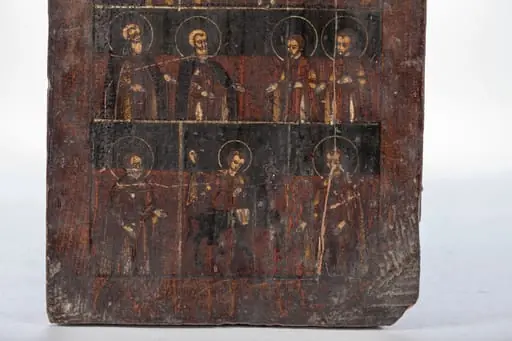 Scene biblice pe trei registre
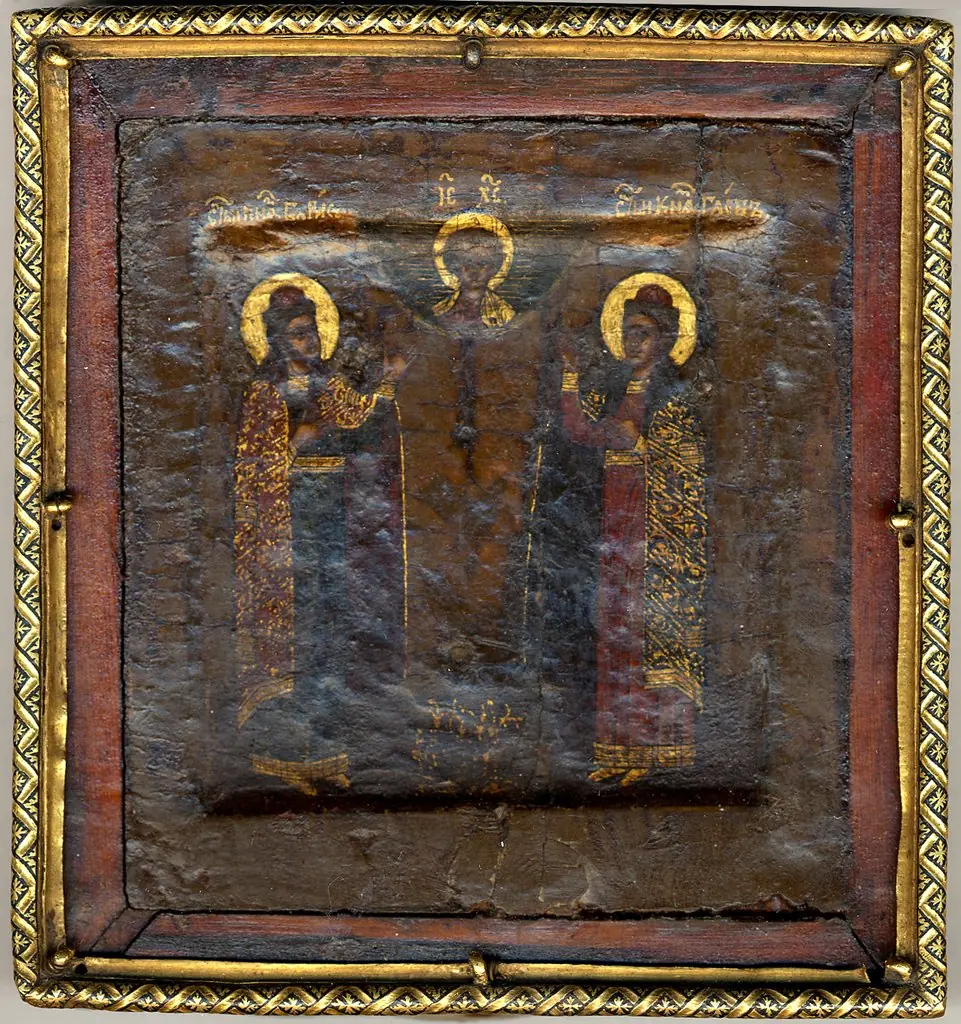 The Christ Child with Saints Boris and Gleb
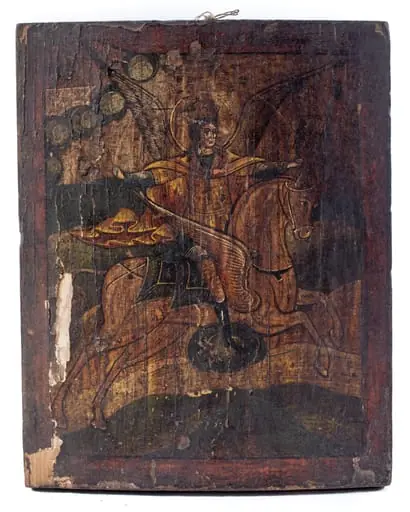 Un sfânt ecvestru