Artwork
Peisaj cu stânci
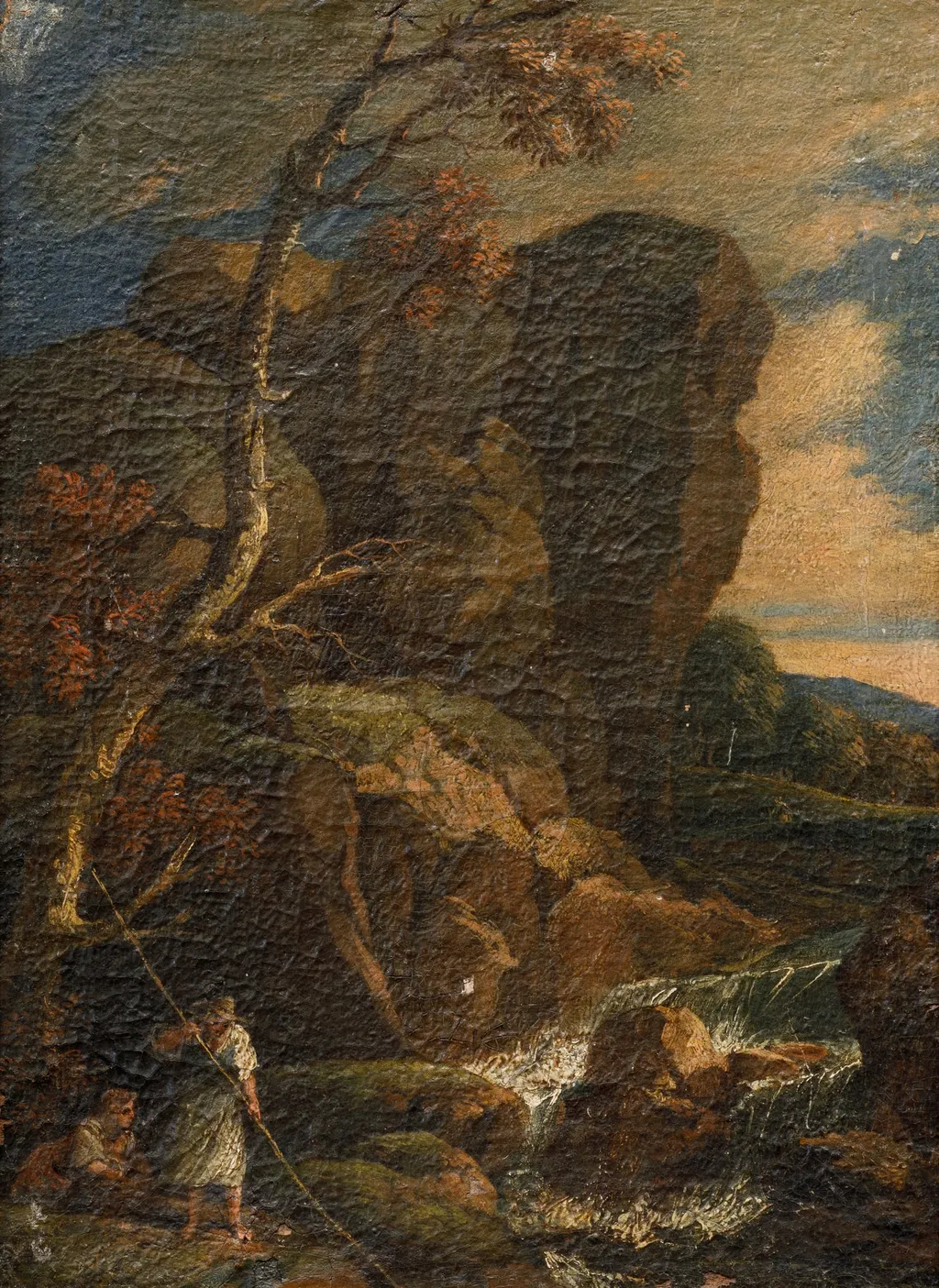
Peisaj cu stânci is an unspecified painting by Hugo Kołłątaj. It dates from 1850 and is held in the collection of the National Museum of Art of Romania.
About this work
Overview
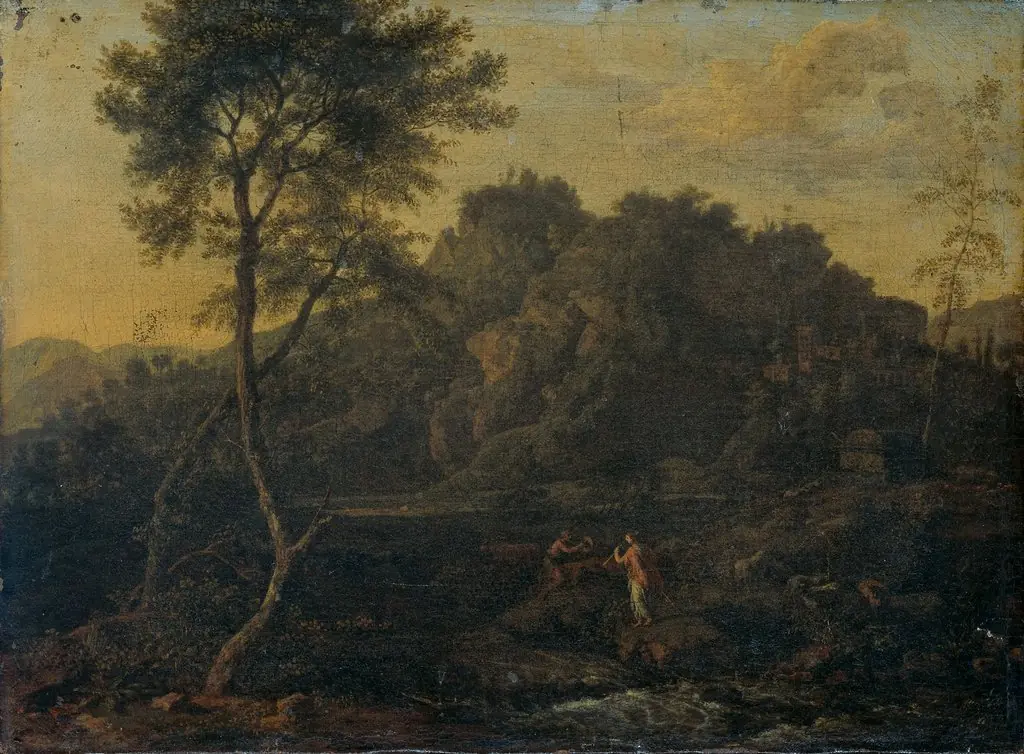
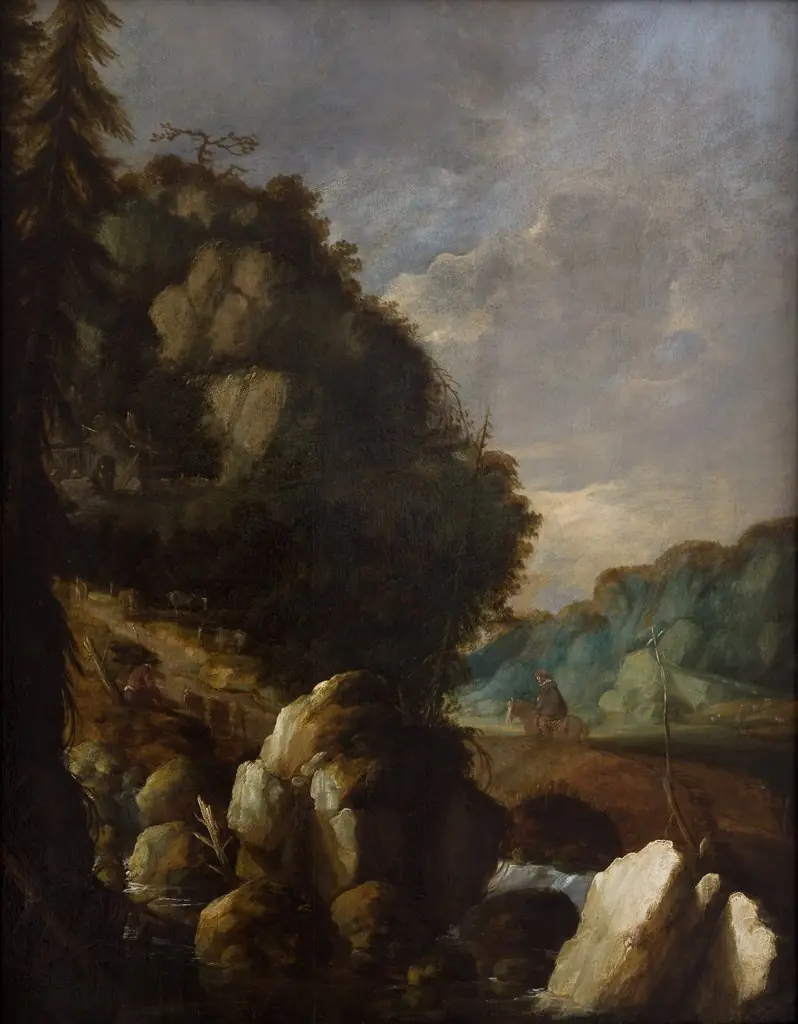
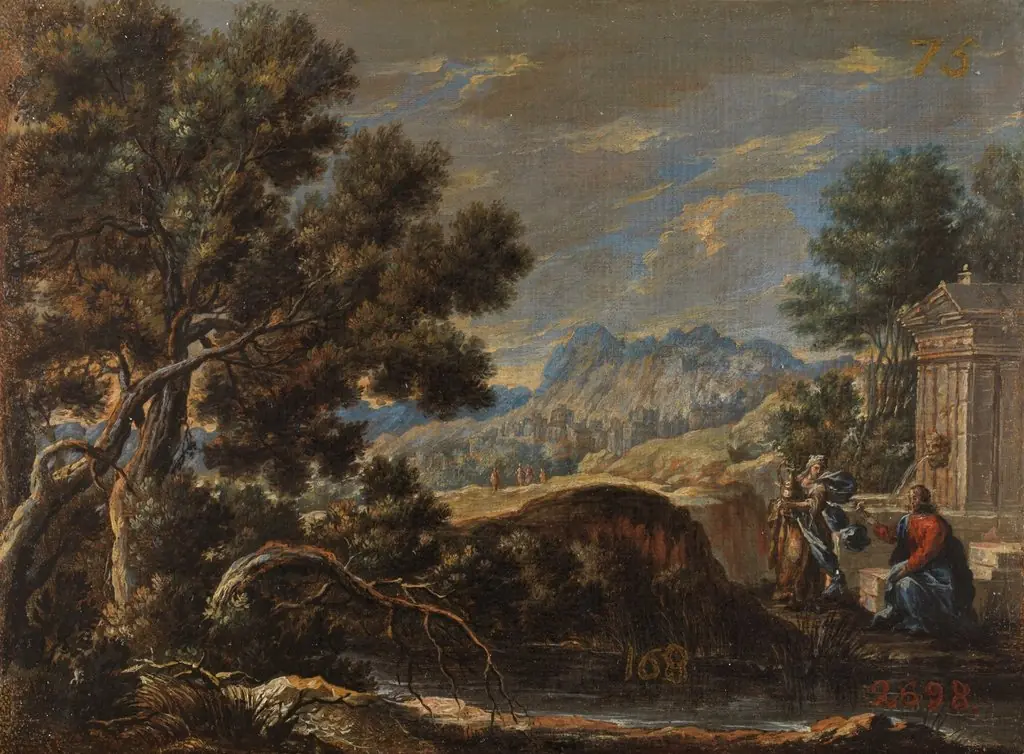
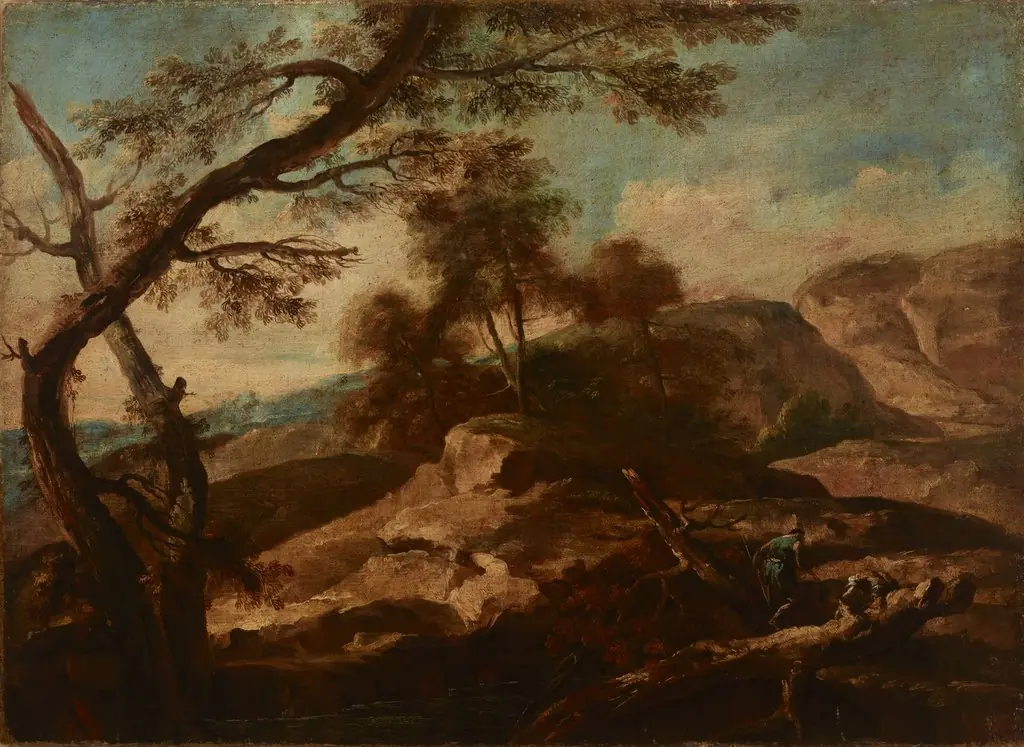
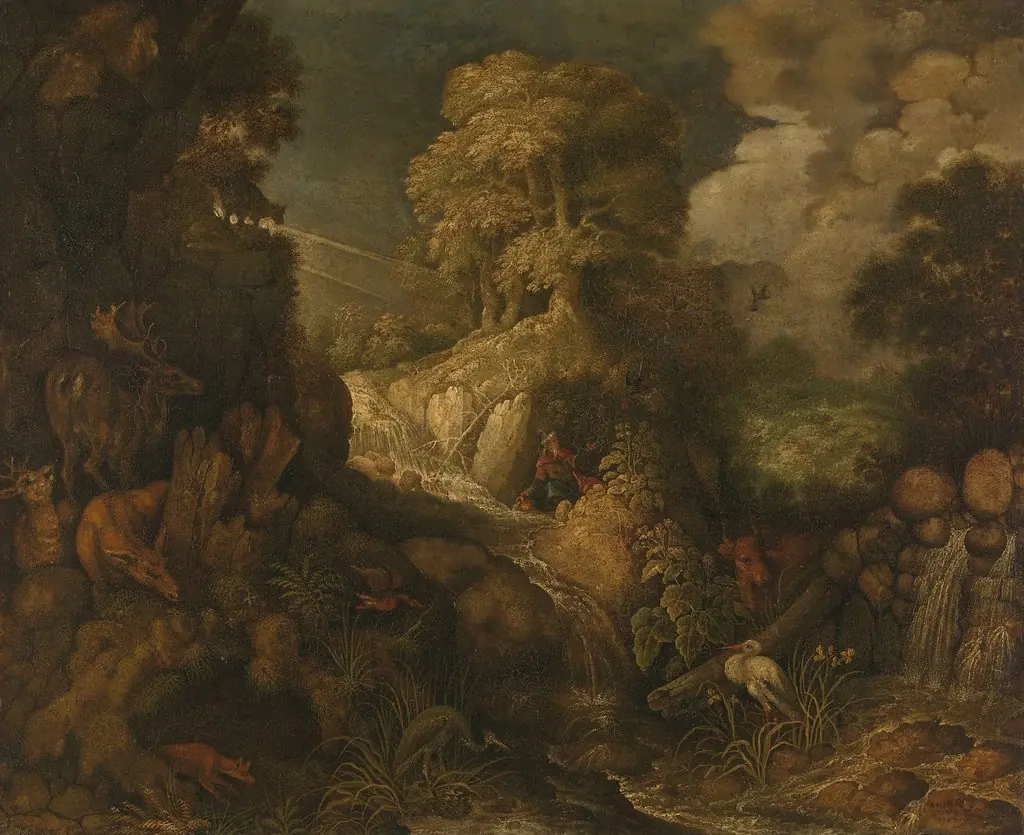
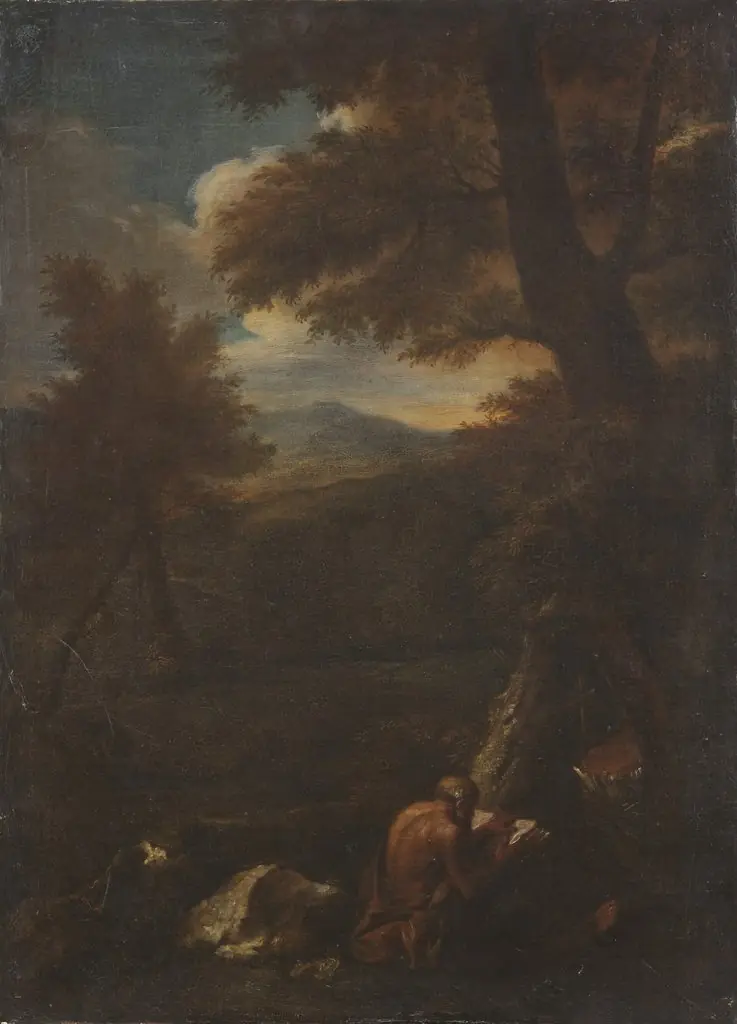
Peisaj cu stânci, attributed to Hugo Kołłątaj and dated to around 1850, presents a stark, rocky terrain rendered in a palette of browns and grays. The composition is dominated by a mass of uneven stone forms, with a muted suggestion of water and scattered foliage in the lower foreground. The overall atmosphere is subdued, emphasizing the ruggedness of the landscape.
Subject & Meaning
The work depicts a desolate, natural setting where the emphasis lies on the physical weight and texture of the rocks rather than on narrative content. The inclusion of a few leaves and a tangled fishing net hints at human activity, yet the scene remains dominated by the indifferent, enduring qualities of the stone, suggesting themes of permanence and solitude.
Technique & Style
Kołłątaj employs a loose, gestural brushwork that leaves the surface visibly textured, with thick, uneven strokes that convey the roughness of the terrain. The limited chromatic range of earth tones reinforces a sense of austerity, while the dim lighting creates subtle chiaroscuro effects, allowing shadows to define the forms without dramatic contrast.
History & Provenance
Created circa 1850, Peisaj cu stânci belongs to the mid‑nineteenth‑century period of Kołłątaj’s output, a time when the artist explored landscape subjects with an emphasis on naturalistic observation. The painting’s provenance prior to its current holding is not extensively documented, but it has been recognized as a representative example of his early landscape practice.
Own this work as a print
Artist & collection
Artist
This Polish folk painter worked in the late eighteenth and early nineteenth centuries, creating religious scenes with bold colors and simple shapes.

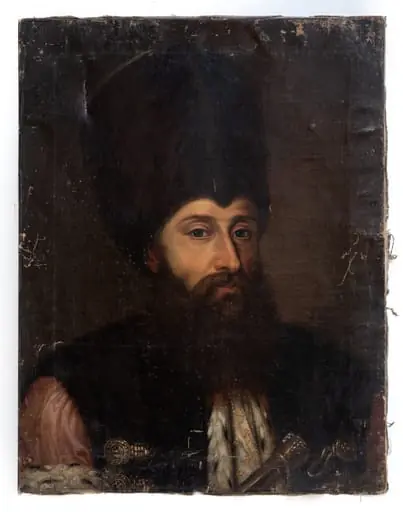 Alexandru Ipsilanti
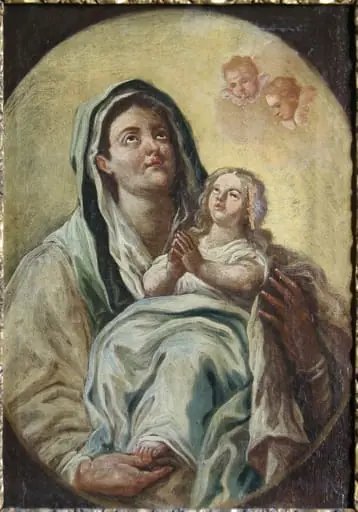 Fecioara Maria cu Pruncul Isus (în Reg. Inv.: Maria cu copilul Isus)
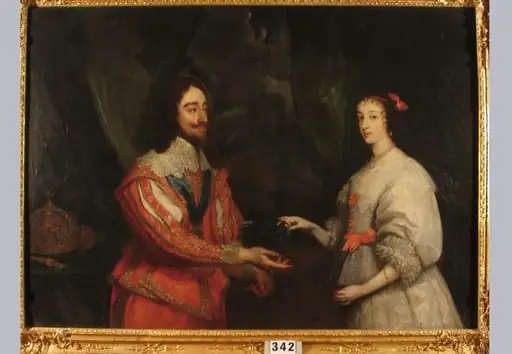 Regele Charles I Stuart al Angliei și soția sa Henrietta Maria de Franța (în Reg. Inv.: Carol I al Angliei și soția sa Henriette din Franța)
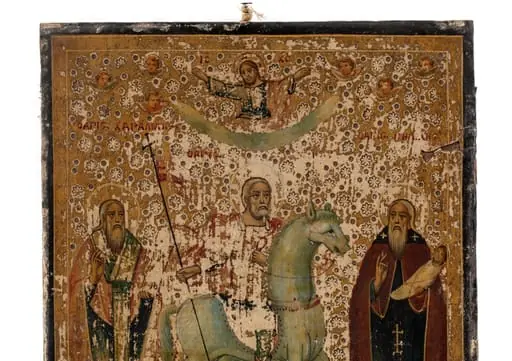 Sfântul Haralambie cu alți doi sfinți
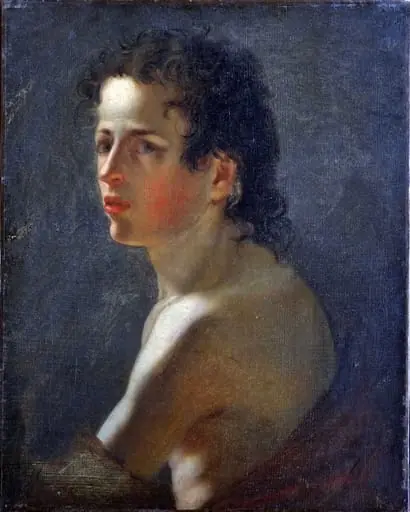 Portret de bărbat
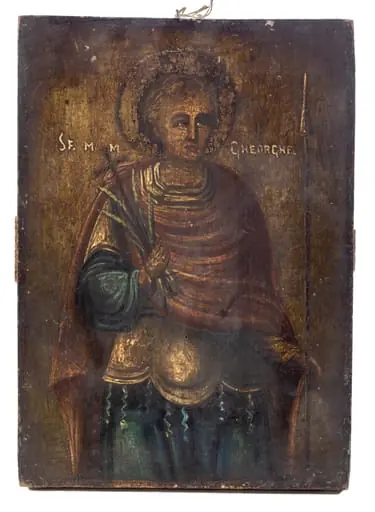 Sfântul Gheorghe
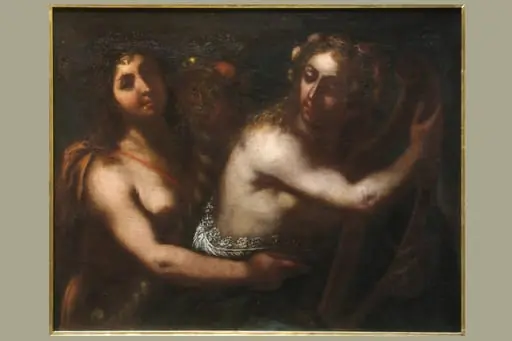 Vertumnus și Pomona (în Reg. Inv.: Vertumnus și Flora)
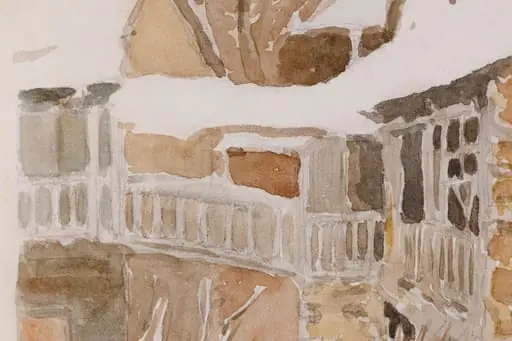 Iarnă
Iarnă