Artwork
Estera și Ahasver
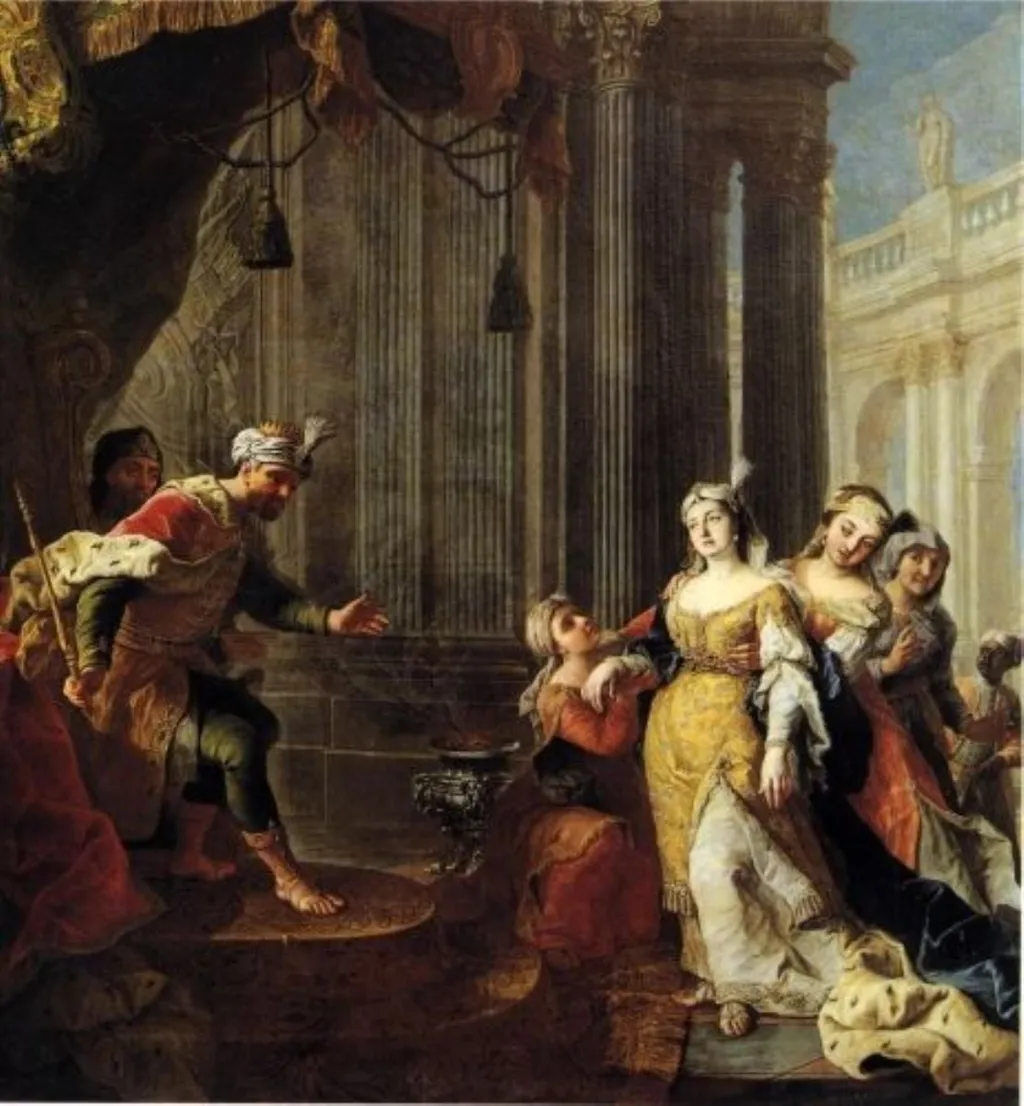
Estera și Ahasver is an unspecified painting by the Baroque artist Martin van Meytens. It dates from 1730 and is held in the collection of the Brukenthal National Museum.
About this work
Overview
Estera și Ahasver, executed by Martin van Meytens in 1730, presents a theatrical interior populated by figures arranged around a central tableau. The composition is set in a spacious, dimly illuminated hall, its architecture marked by tall columns and elaborate decorative motifs that frame the scene.
Subject & Meaning
At the focal point, a man in a richly colored red and gold costume stands barefoot, his arm extended toward a kneeling woman in a yellow‑white dress positioned beside a small table. The woman's posture and the man's gestural emphasis imply a moment of heightened emotional exchange, likely drawn from a narrative source, though the specific story is not identified in the surviving documentation.
Technique & Style
Meytens employs the dramatic chiaroscuro characteristic of late Baroque painting, allowing stark shadows to intersect the illuminated figures and accentuate their forms. The palette features saturated reds, golds, and yellows against a darker background, creating a vivid contrast that heightens the sense of immediacy and movement within the composition.
History & Provenance
Created in 1730, the work is attributed to the Austrian court painter Martin van Meytens. Its subsequent ownership record is limited; the painting currently appears in catalogues under its Romanian title, Estera și Ahasver, suggesting later acquisition by a collection in Eastern Europe, though precise details of its provenance remain undocumented.
Artist & collection
Artist
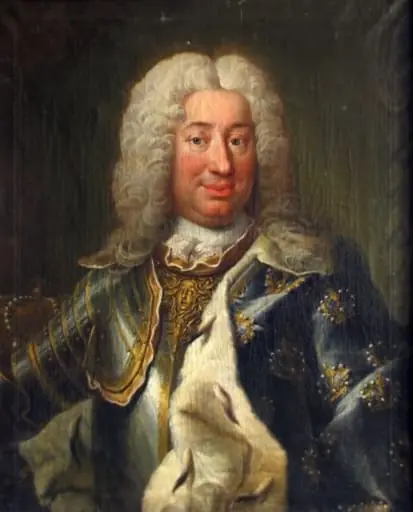
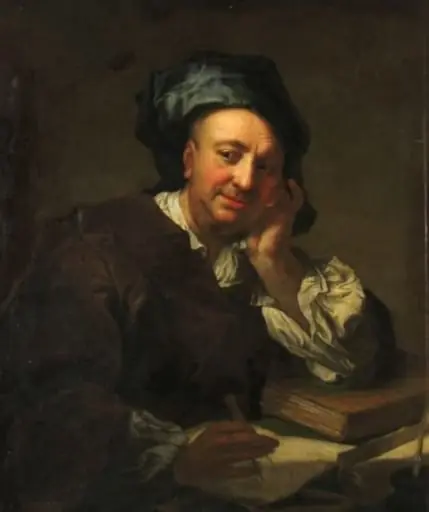
Martin van Meytens painted grand portraits in the early 1700s, showing Swedish kings, Roman legends, and silk-clad nobles.

 Musafirul fără haine de nuntă
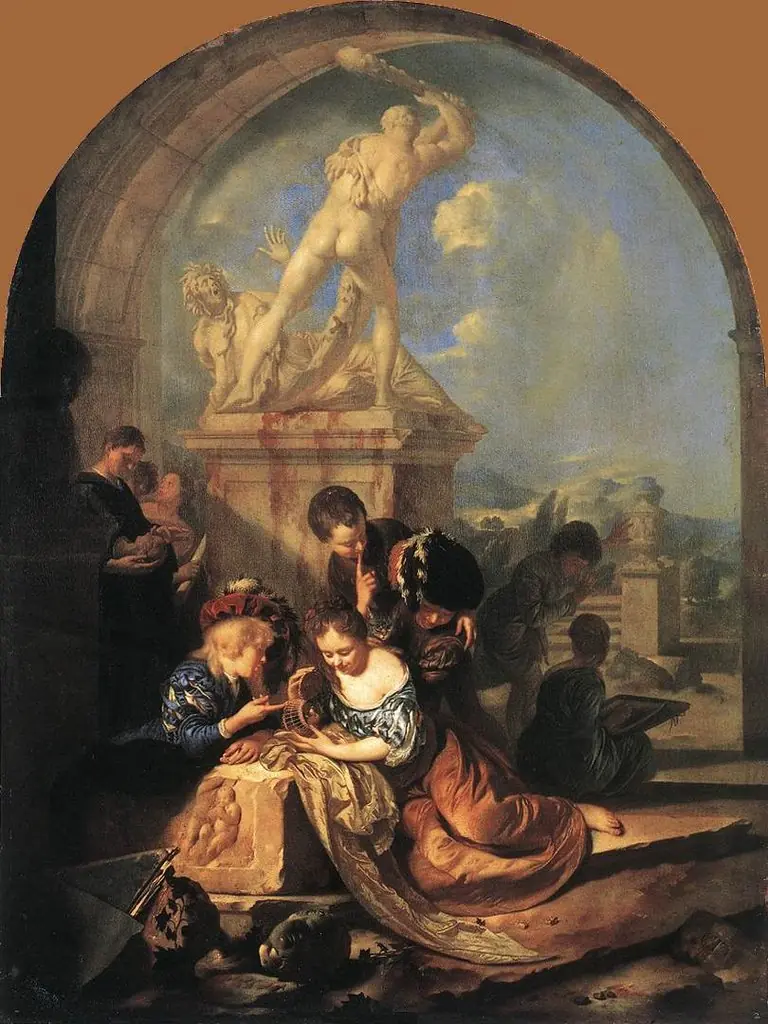 Children Playing before a Hercules Group
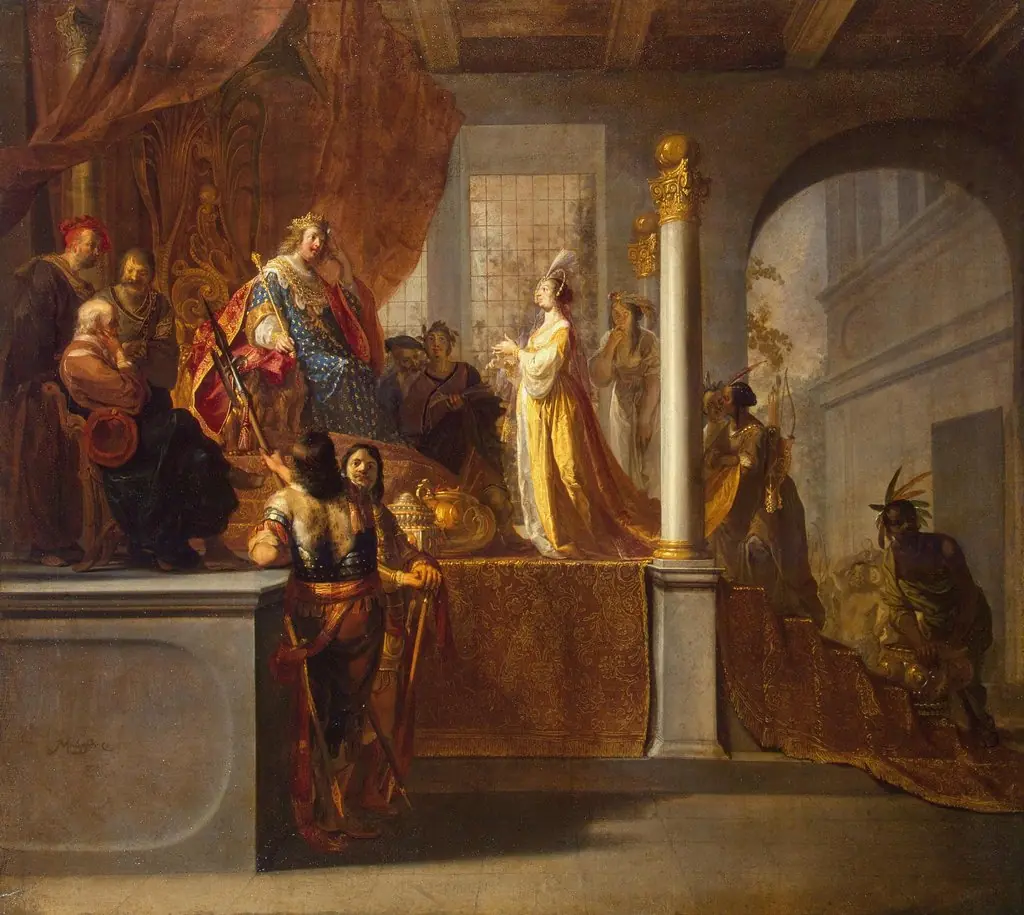 Queen of Sheba before Solomon
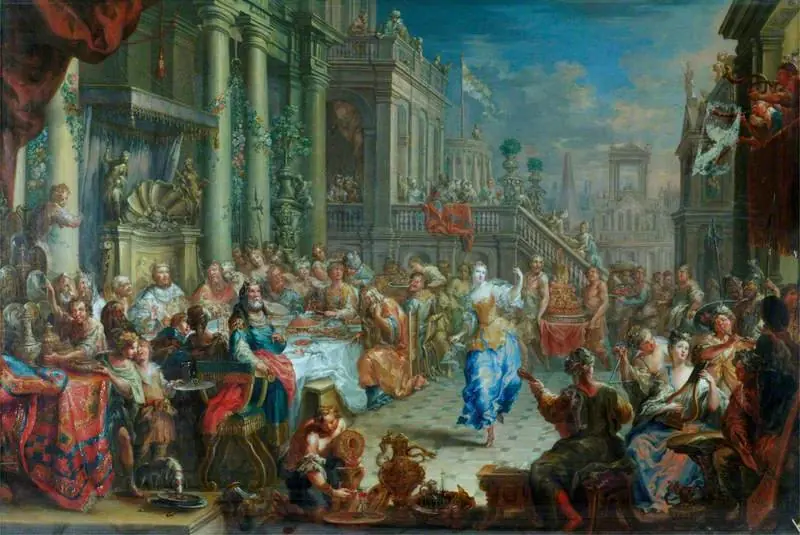 Salome Dancing before Herod
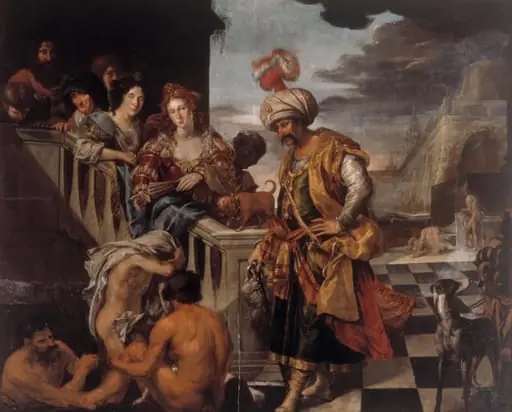 Bathing in an Oriental Harbour
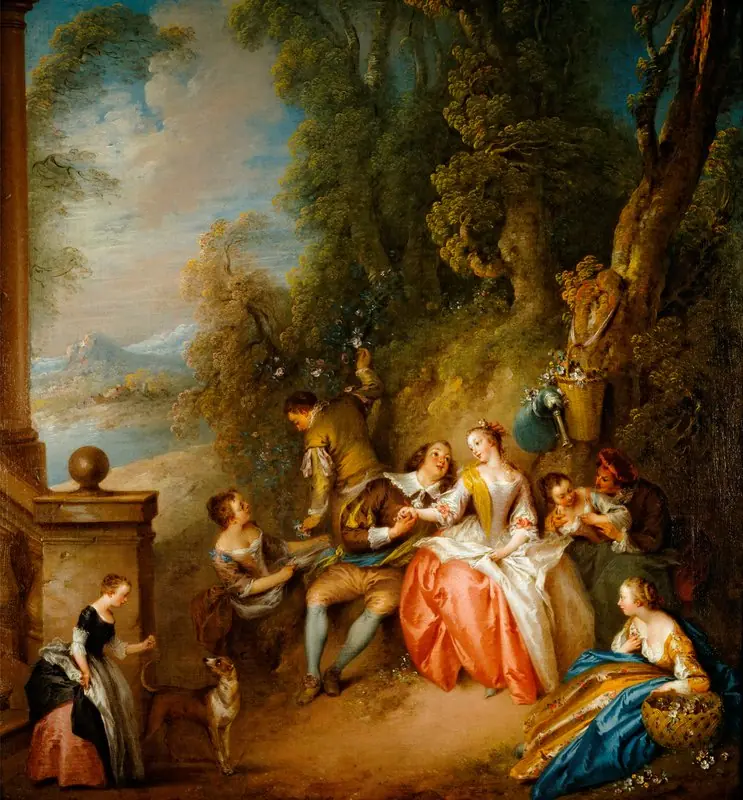 Fête champêtre
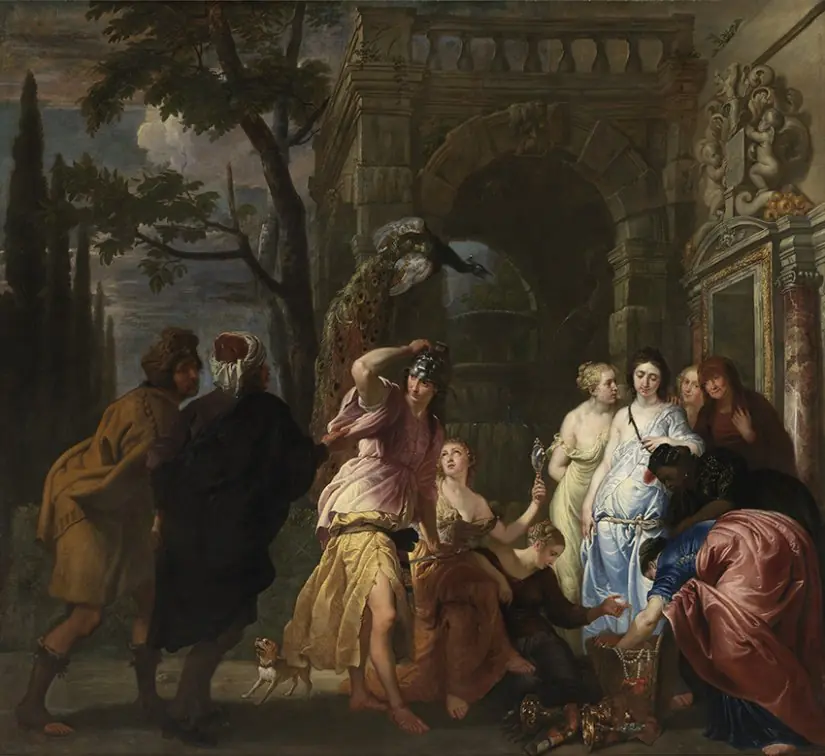 Achilles among the Daughters of Lycomedes
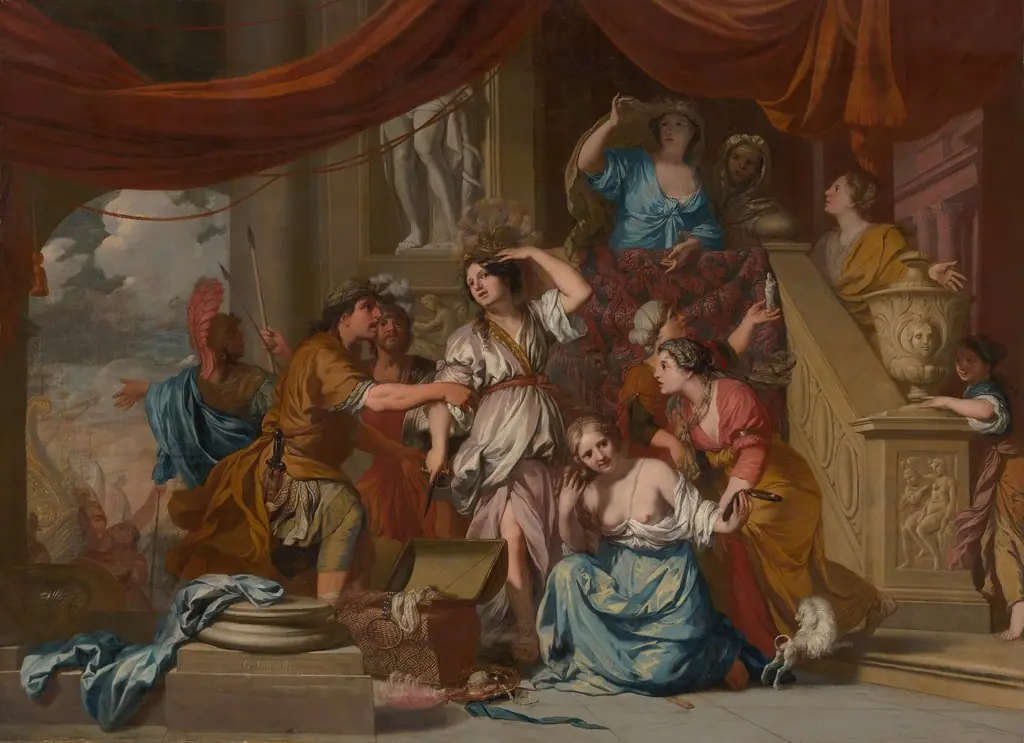 Achilles Discovered among the Daughters of Lycomedes
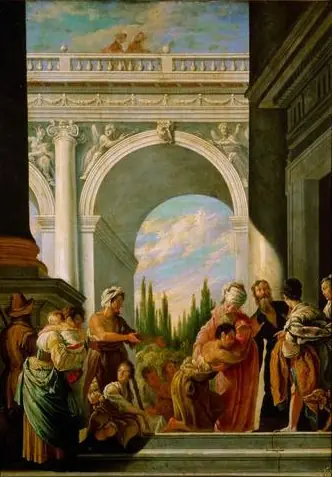 Gleichnis vom verlorenen Sohn
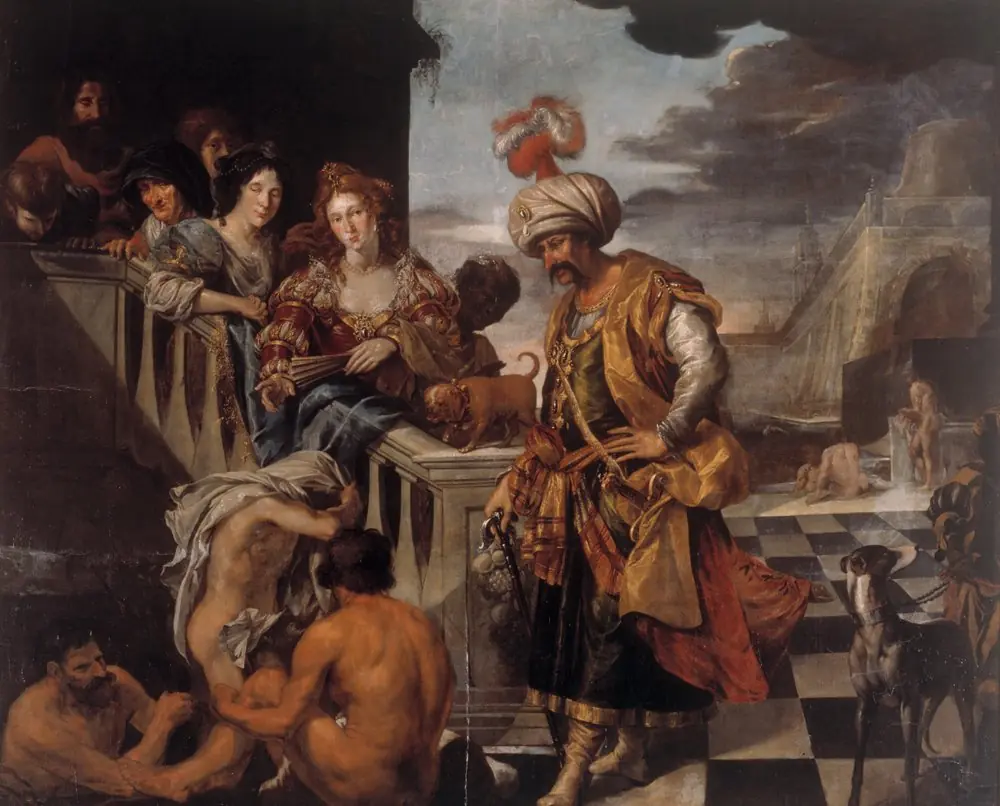 Bathing in an Oriental Harbour
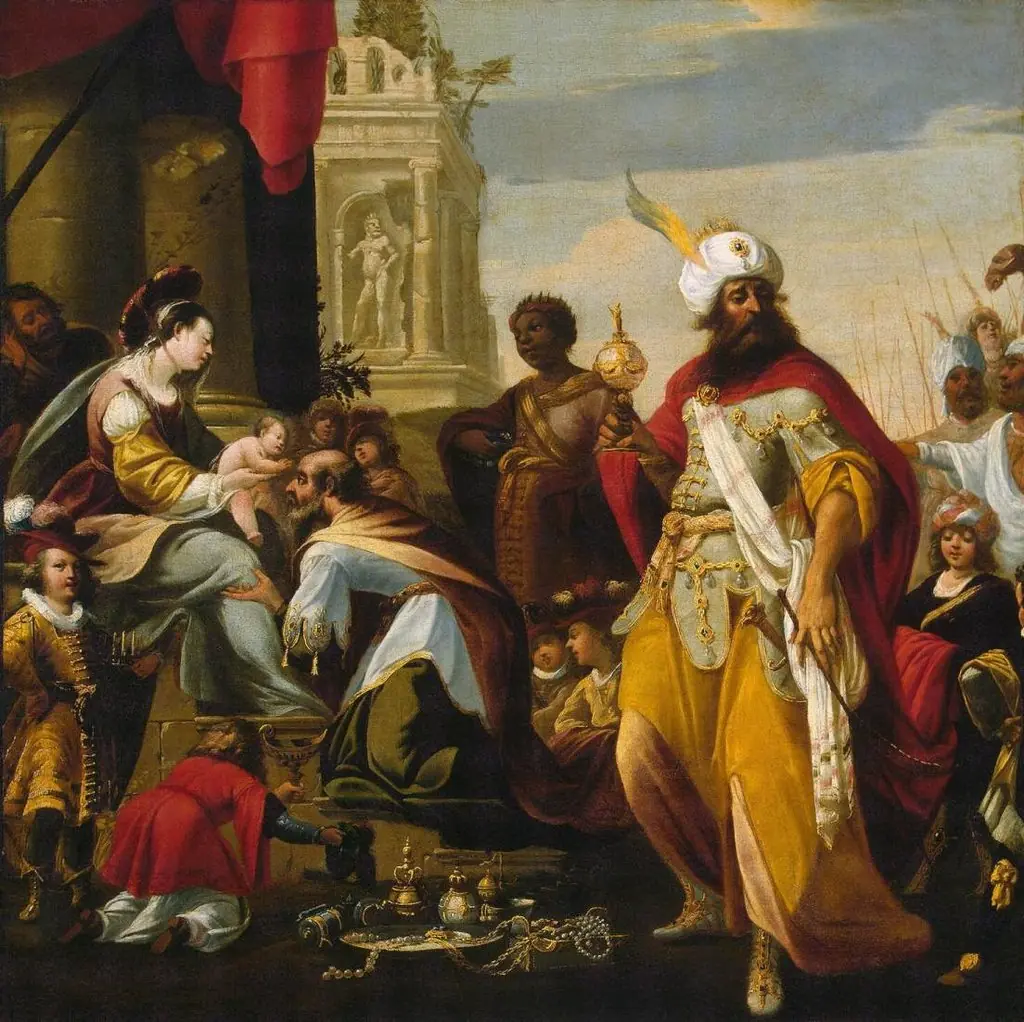 Adoration of the Magi
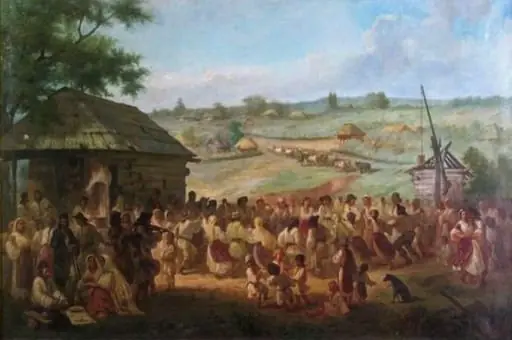 Hora peste Olt