Artwork
Marie Henriette von Waldstein-Wartenburg, soția principelui Johann Georg Christian von Lobkowitz. Pandant: Principele Johann Georg Christian von Lobkowitz, general comandant în Transilvania
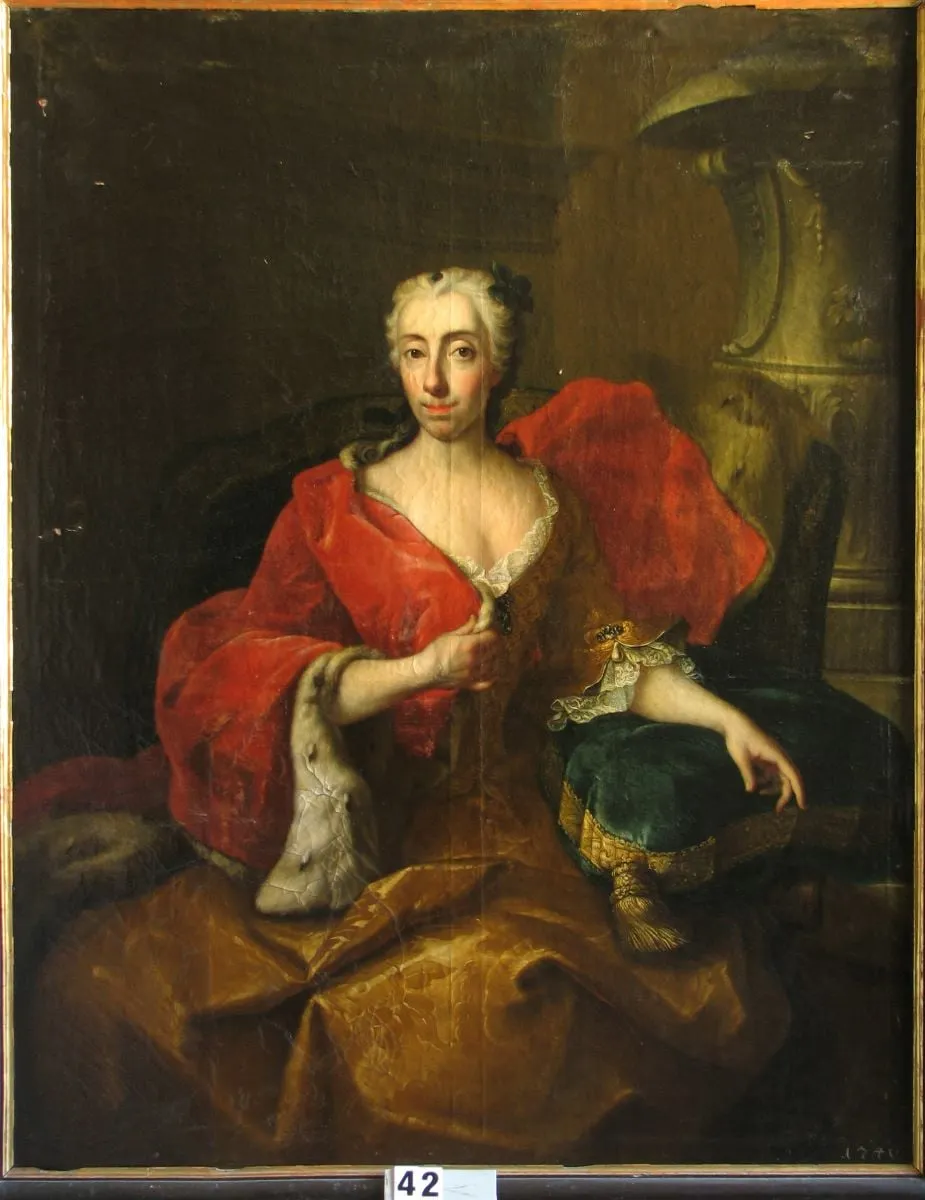
Marie Henriette von Waldstein-Wartenburg, soția principelui Johann Georg Christian von Lobkowitz. Pandant: Principele Johann Georg Christian von Lobkowitz, general comandant în Transilvania is an unspecified painting by the Baroque artist Johann Gottfried Auerbach. It dates from 1740 and is held in the collection of the Brukenthal National Museum.
About this work
Overview
Marie Henriette von Waldstein-Wartenburg, Wife of Prince Johann Georg Christian von Lobkowitz is a portrait by Johann Gottfried Auerbach, dated to 1740. It forms a pendant with the artist's concurrent portrait of her husband, then Commander-in-Chief in Transylvania.
Subject & Meaning
The subject, Marie Henriette, is depicted in quiet contemplation, her subtle expression and elegant attire reflecting her noble status. The overall composition conveys refinement and introspection.
Technique & Style
Auerbach employs a dark, muted background to emphasize the subject, contrasting with the warm, detailed rendering of Marie Henriette's brown dress, white lace trim, and red shawl. The updo hairstyle and restrained facial expression are characteristic of mid-18th-century portraiture's balance between formality and intimacy.
History & Provenance
Created in 1740 as a pair with the portrait of Prince Johann Georg Christian von Lobkowitz, the work's provenance is tied to the Lobkowitz family lineage until its current location, with no major restorations or reattributions noted in available records.
Context
Painted during the Baroque to Rococo transitional period, the work reflects Auerbach's adaptation of these styles, blending the dramatic lighting of Baroque with the softer, more intimate approach of Rococo portraiture.
Legacy
While not widely reproduced in broad art historical narratives, the portrait remains significant within the corpus of Auerbach's work and 18th-century Central European noble portraiture, offering insight into the era's aristocratic culture and artistic trends.
Artist & collection
Artist
Auerbach’s paintings put 1730s Habsburg power on the wall. Two of his precise portraits here show Emperor Charles VI and his wife, Empress Elisabeth, dressed in court finery against solid dark backgrounds. His pendant…

 Ana Maria de Orleans, soția regelui Victor Amedeu al II-lea de Savoia (în registrulinventar: „Soția regelui Emanuel al Sardiniei”); pandant: Victor Amedeu al II-lea, regele Savoiei
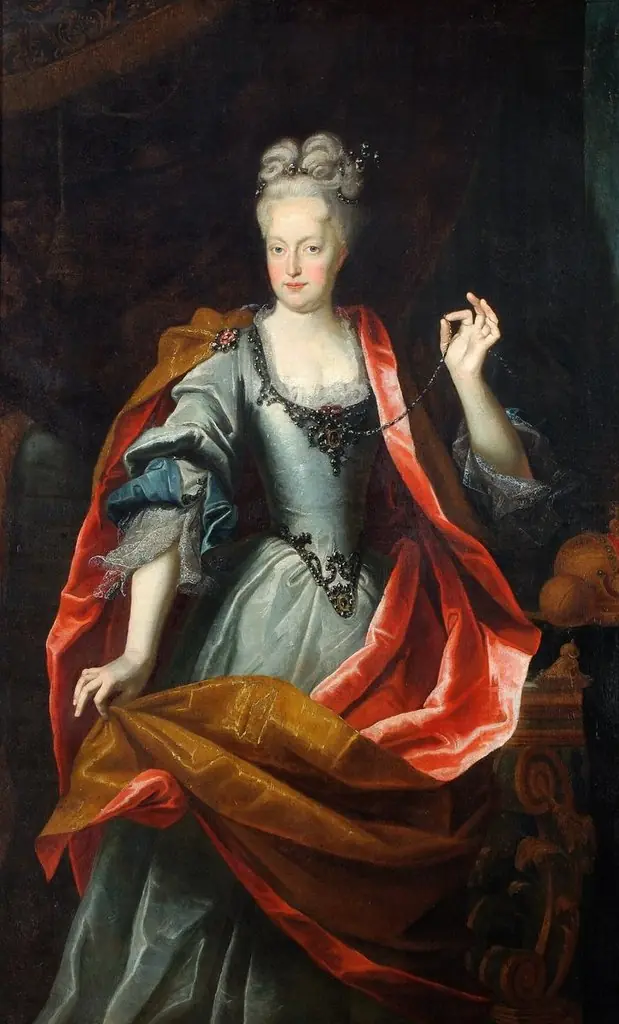 Portrait of Elisabeth Christine von Braunschweig-Wolfenbüttel
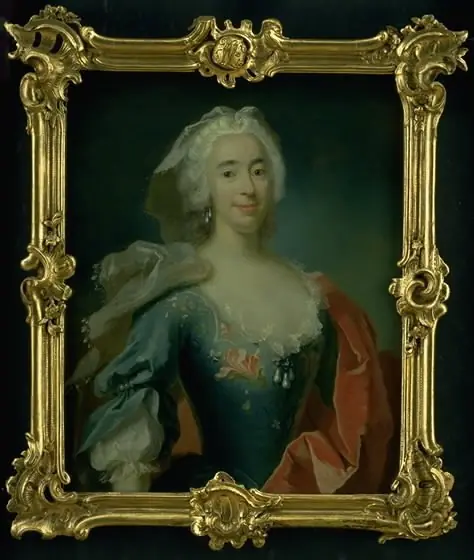 Dameportræt
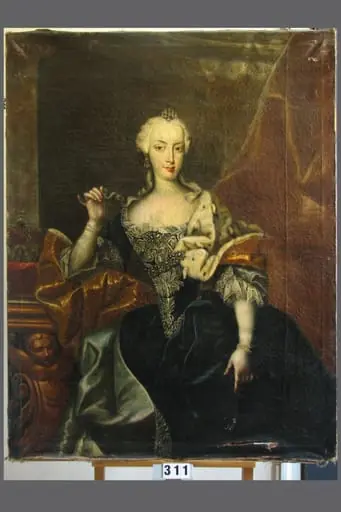 Maria Theresia, arhiducesă de Austria ; în registrul inventar: Prințesă în haină albastră
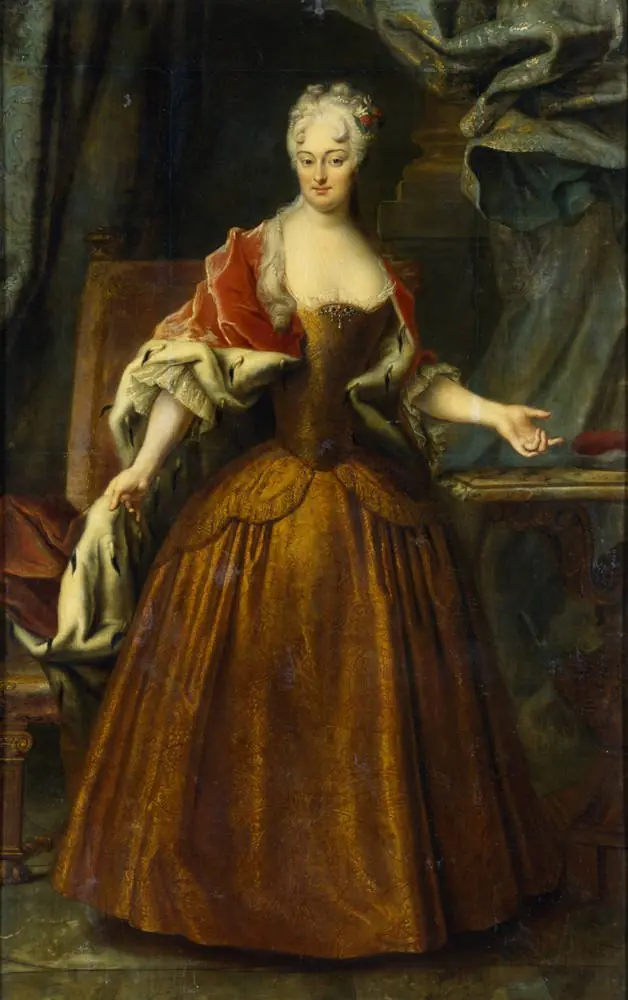 Sophie, Markgräfin von Brandenburg-Bayreuth, geb. Herzogin Sachsen-Weißenfels (1684-1752)
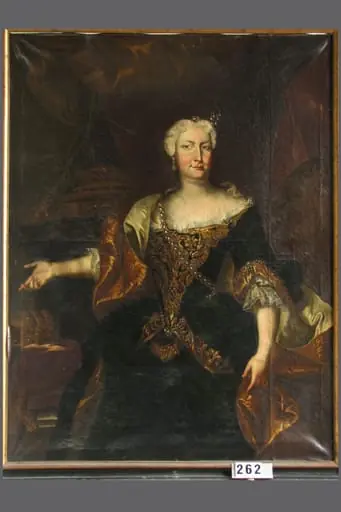 Împărăteasa Elisabetha Christina ; în registrul inventar: Prințesă necunoscută
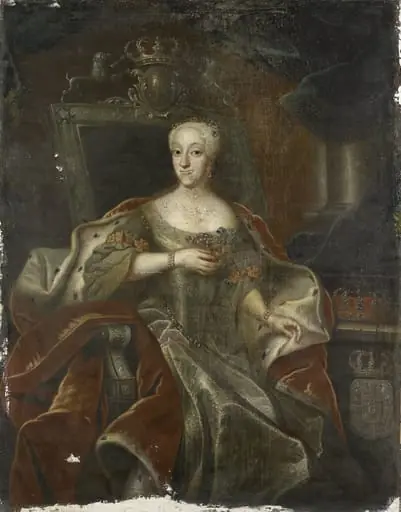 Portrait of Princess Charlotte Amalie, Daughter of Frederick IV, King of Denmark
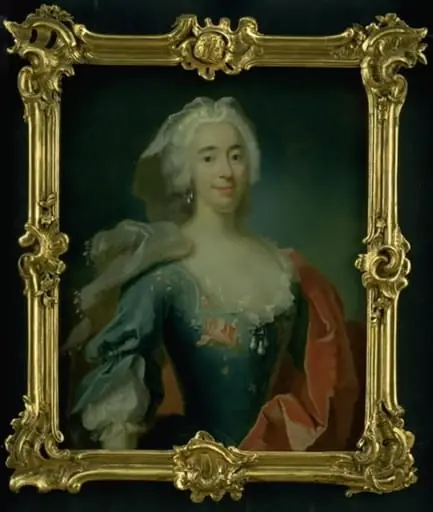 Dameportræt
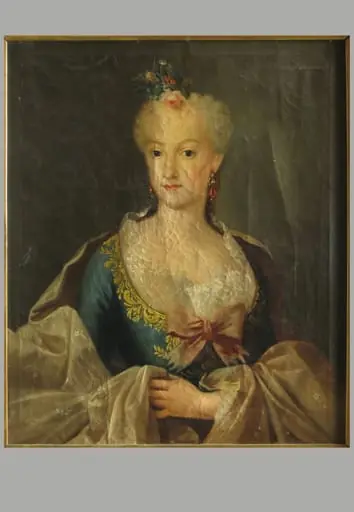 Doamnă în haină rococo
 Untitled
 Portrait of Ludwika Amalia Lubomirska (1722–1778)
 Kreivitär Jacqueline Elisabet Gyldenstolpe