Artwork
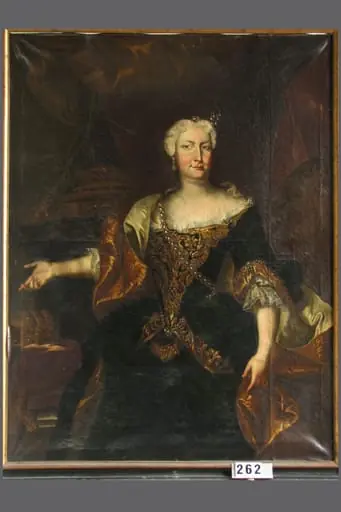
Ana Maria de Orleans, soția regelui Victor Amedeu al II-lea de Savoia (în registrulinventar: „Soția regelui Emanuel al Sardiniei”); pandant: Victor Amedeu al II-lea, regele Savoiei
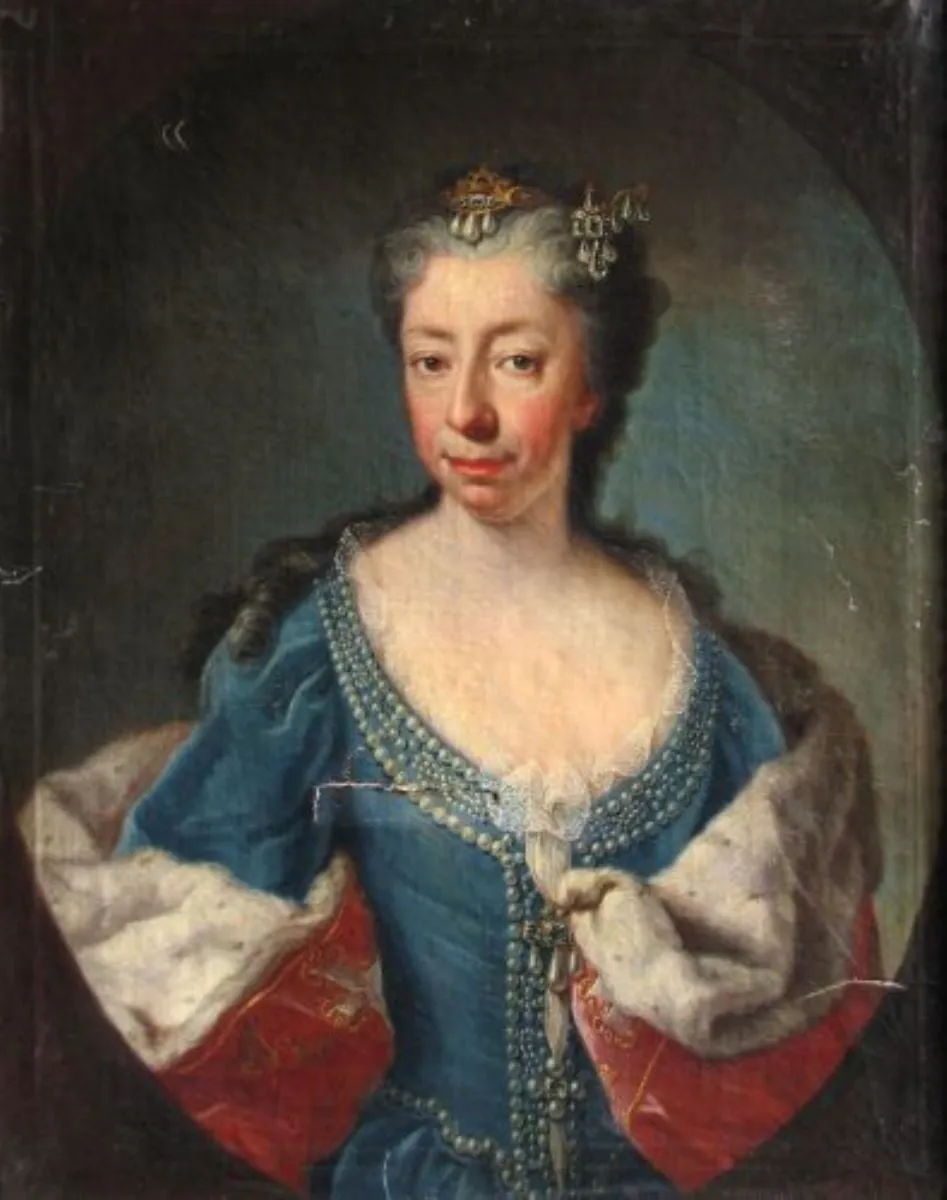
Ana Maria de Orleans, soția regelui Victor Amedeu al II-lea de Savoia (în registrulinventar: „Soția regelui Emanuel al Sardiniei”); pandant: Victor Amedeu al II-lea, regele Savoiei is an unspecified painting by the Baroque artist Martin Meytens cel Tânăr. It dates from 1728 and is held in the collection of the Brukenthal National Museum.
About this work
Overview
Created in 1728 by the court painter Martin Meytens the Younger, this oil portrait depicts Anne Marie d’Orléans, consort of Victor Amadeus II, Duke of Savoy. Rendered against a dark backdrop, the composition centers the queen in sumptuous attire, emphasizing her status and the painter’s skill in rendering texture and light.
Subject & Meaning
The sitter is shown in a formal pose, her gaze meeting the viewer with a composed seriousness. She wears a blue gown trimmed with white fur, a red‑and‑white shawl, a pearl necklace, and a crown, symbols of her royal rank and the dynastic alliance between the French and Savoyard houses.
Technique & Style
Meytens employs chiaroscuro to model the figure, allowing the illuminated fabrics and jewels to emerge from the shadowed background. The delicate rendering of fur, silk, and pearls demonstrates the painter’s meticulous brushwork and his adherence to the Rococo court portrait conventions of the early eighteenth century.
History & Provenance
The work was originally catalogued as “Soția regelui Emanuel al Sardiniei” and later identified as a pendant to a portrait of Victor Amadeus II. It has remained within the Savoyard collection, passing through successive royal inventories before entering the museum’s holdings.
Context
Anne Marie d’Orléans, a French princess, married Victor Amadeus II in 1684, strengthening political ties between France and Savoy. Portraits such as this served both as personal commemorations and as diplomatic statements of legitimacy and alliance within European courts.
Artist & collection
Artist
Martin Meytens the Younger painted formal portraits of European nobles in the early 18th century.

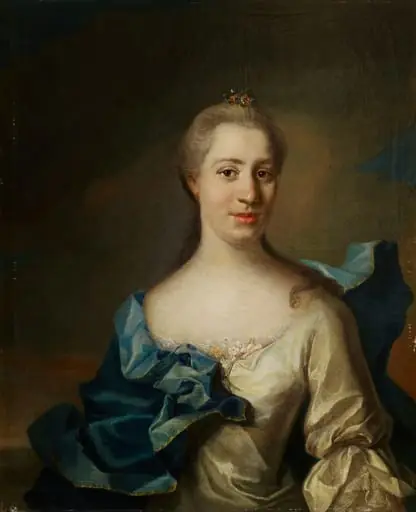 Maria Charlotta Silfverstjerna
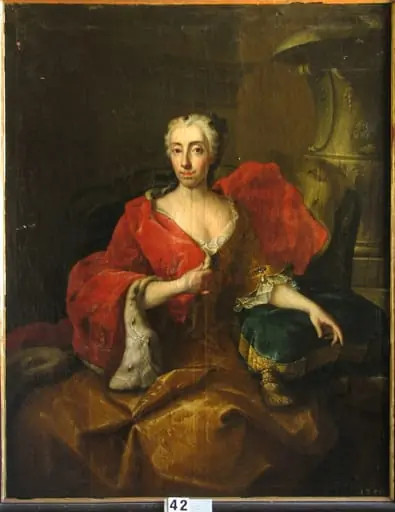 Marie Henriette von Waldstein-Wartenburg, soția principelui Johann Georg Christian von Lobkowitz. Pandant: Principele Johann Georg Christian von Lobkowitz, general comandant în Transilvania
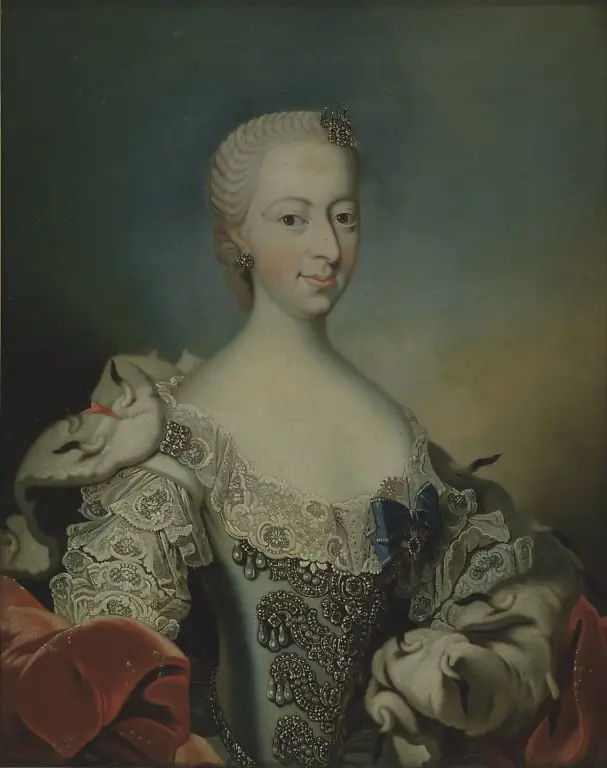 Juliane Marie, Frederik V's anden dronning
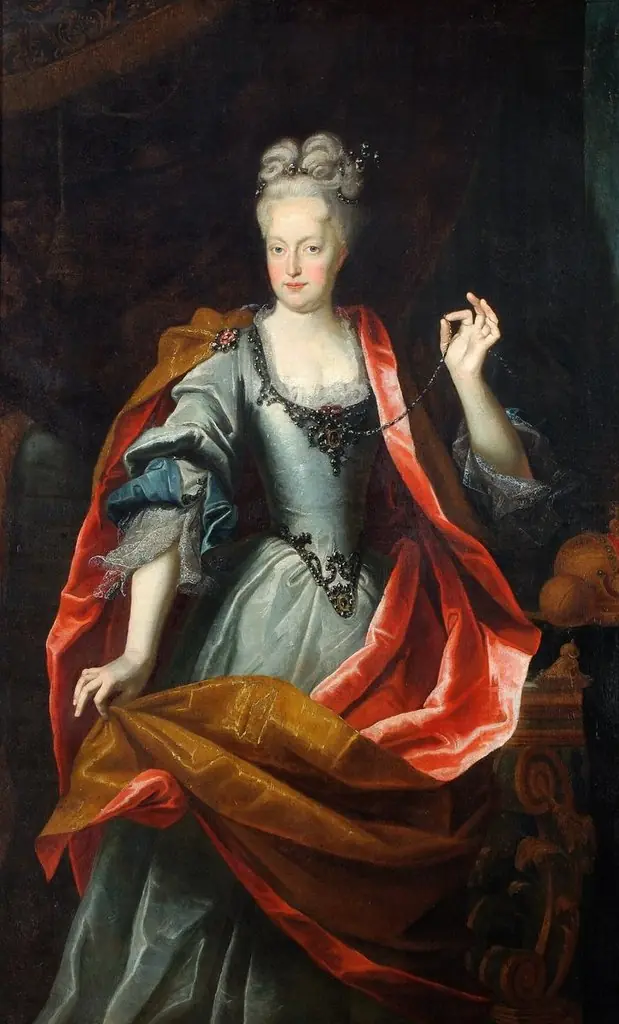 Portrait of Elisabeth Christine von Braunschweig-Wolfenbüttel
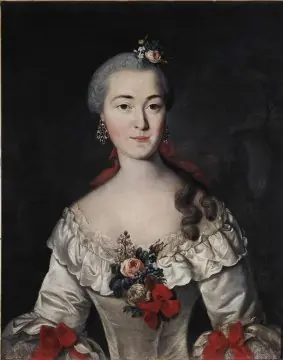 Portrait of M.I. Tatischeva
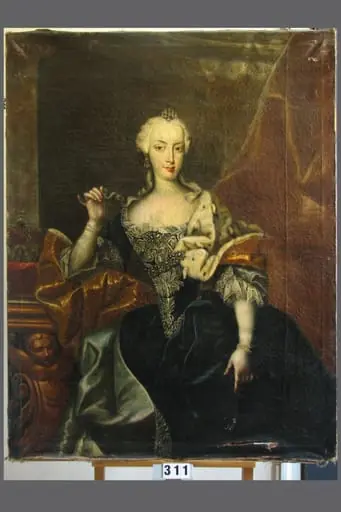 Maria Theresia, arhiducesă de Austria ; în registrul inventar: Prințesă în haină albastră
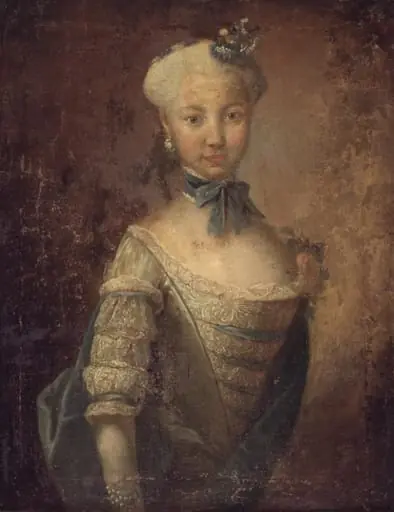 Portræt af en lille pige
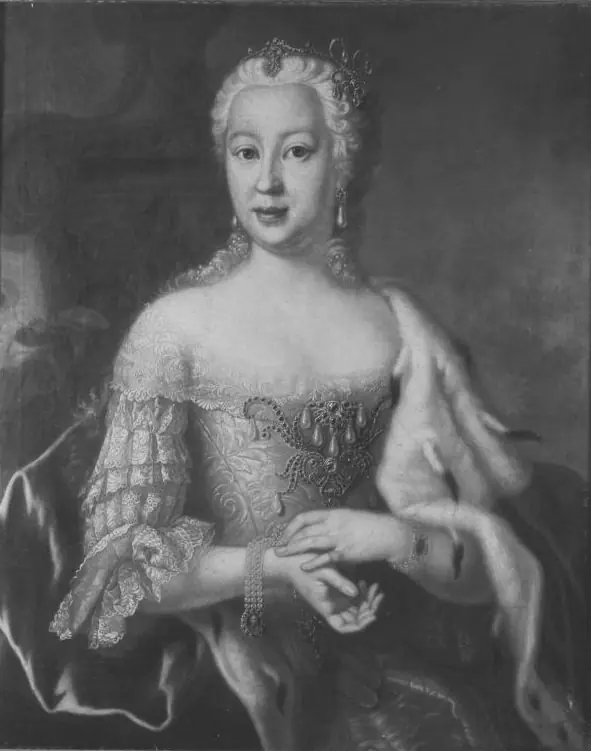 Maria Anna of Sulzbach (1722-1790)
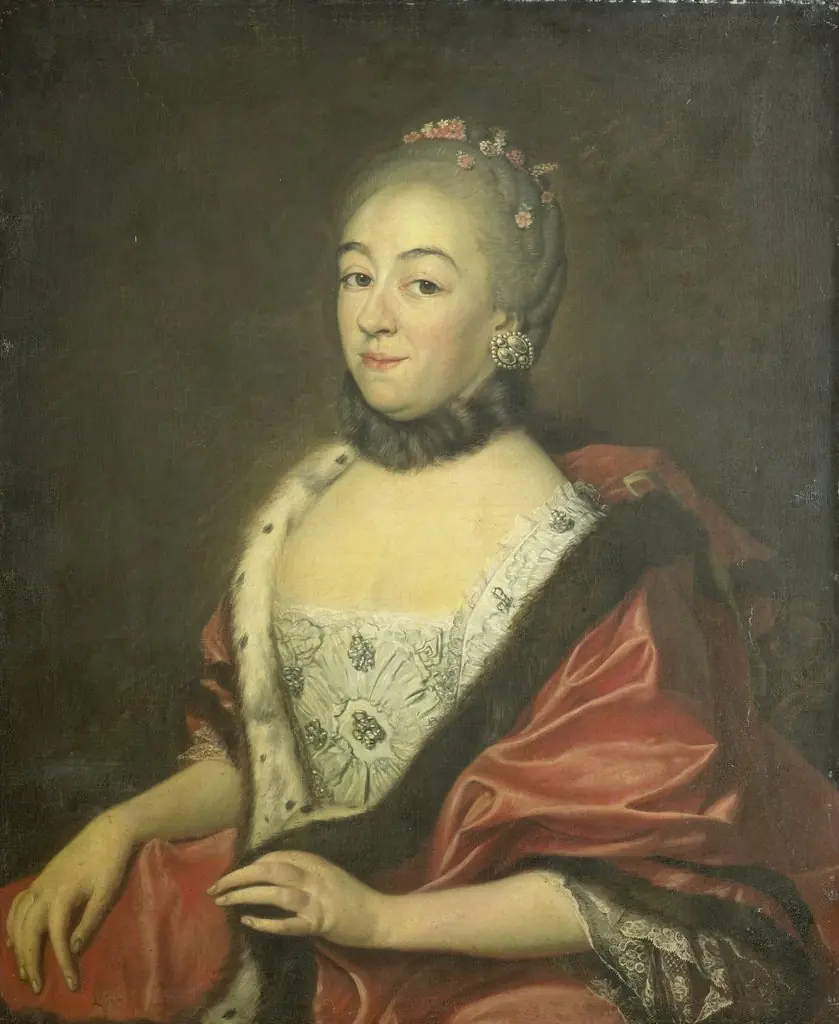 Sandrina van den Broecke, Wife of George Lodewijk Matthes
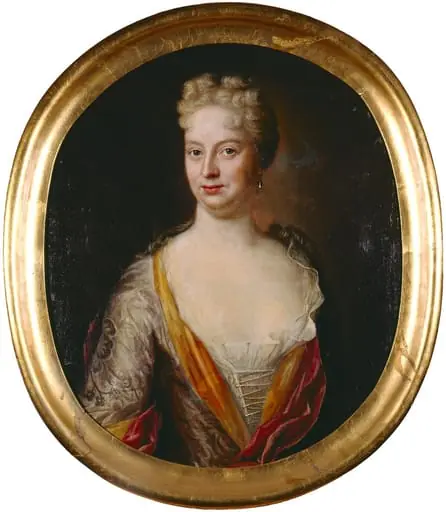 Piispatar Elisabet Wallin
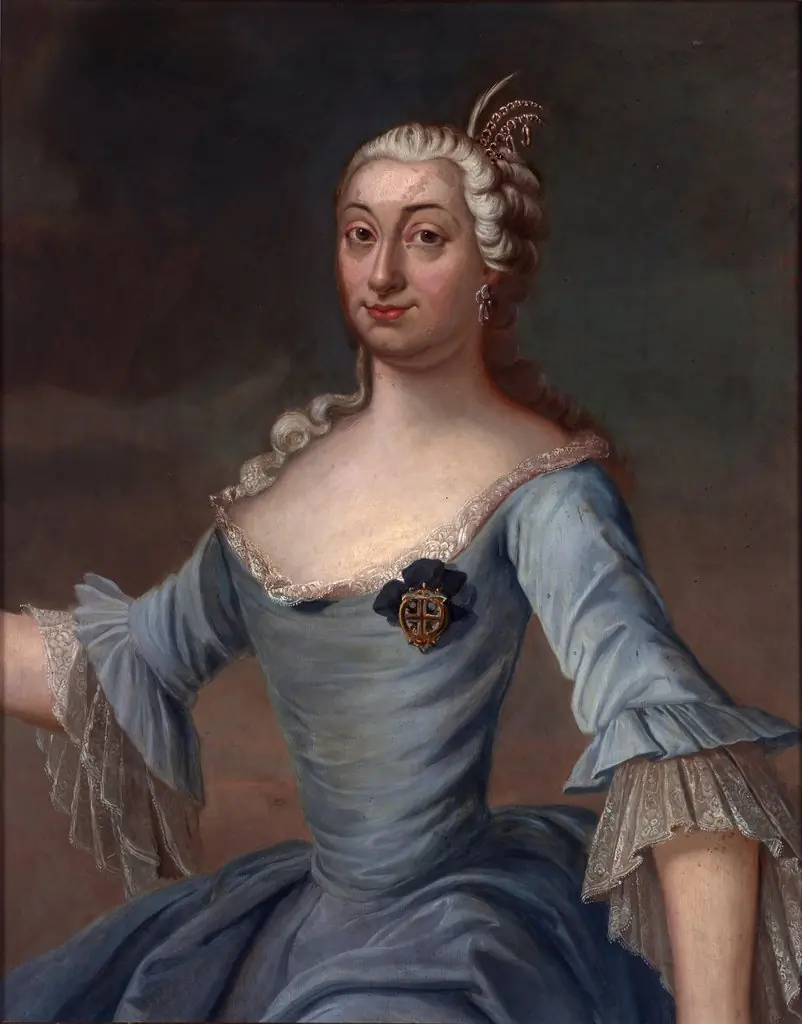 Portret Anny Ludwiki z Mycielskich Radziwiłłowej (1729-1771), żony Michała Kazimierza Radziwiłła "Rybeńki", hetmana wielkiego litewskiego i wojewody wileńskiego
 Împărăteasa Elisabetha Christina ; în registrul inventar: Prințesă necunoscută