Artwork
Împărăteasa Elisabetha Christina ; în registrul inventar: Prințesă necunoscută
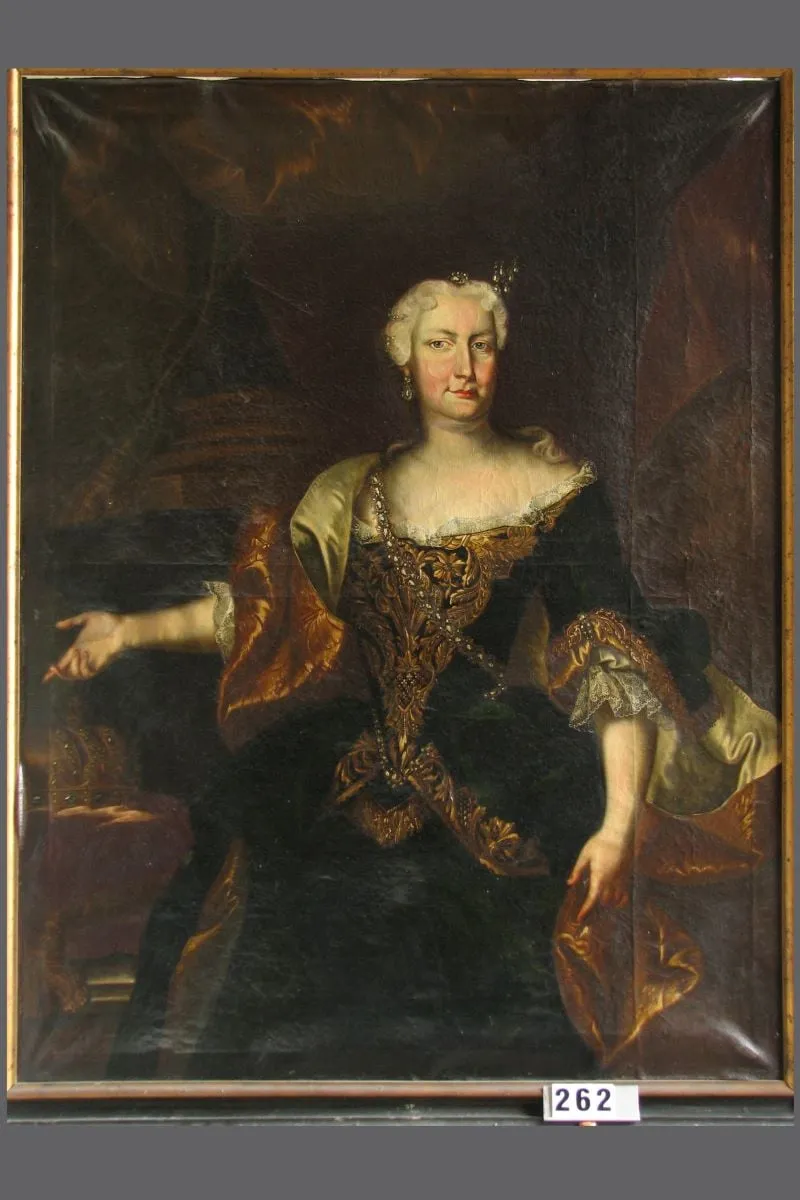
Împărăteasa Elisabetha Christina ; în registrul inventar: Prințesă necunoscută is an unspecified painting by the Baroque artist Unknown. It dates from 1699 and is held in the collection of the Brukenthal National Museum.
About this work
Overview
This portrait depicts a noblewoman dressed in elaborate gold and brown attire, adorned with lace and what appears to be jeweled embellishments.
This portrait depicts a noblewoman dressed in elaborate gold and brown attire, adorned with lace and what appears to be jeweled embellishments. Her pale hair is neatly drawn back, and a modest crown rests atop her head. The composition isolates her against a deep, turbulent background, enhancing her presence through contrast. Subtle shading models her form with quiet precision, suggesting a focus on dignity rather than theatrical display.
Subject & Meaning
Though cataloged as an unknown princess, the regal attire and crown imply royal status, possibly Austrian or Habsburg. The hand resting on the chest may signal introspection or devotion, while the folded cloth could denote ceremonial use or personal modesty. The restrained expression and minimal gesture convey composure, aligning with ideals of aristocratic bearing in early 18th-century portraiture.
Technique & Style
The artist employs chiaroscuro to define volume and texture, particularly in the folds of the dress and the contours of the face. Light catches the lace and metallic threads, rendering them tactile, while the dark, indistinct background deepens spatial focus. Brushwork is controlled yet nuanced, avoiding overt flourish in favor of structural clarity and material authenticity.
History & Provenance
The painting entered institutional records under the designation 'Unknown Princess,' suggesting its original identification was lost or never firmly established. Its stylistic features align with Central European court portraiture of the early 1700s, though the artist’s identity remains unconfirmed. No documented ownership chain precedes its current archival listing.
Context
During the early 18th century, Habsburg and other European courts commissioned portraits to affirm lineage and status, often emphasizing textile richness and restrained emotion. This work reflects that tradition, where clothing and posture served as visual codes of power. The absence of identifying symbols—like coats of arms or landscapes—points to a private or intimate commission rather than public display.
Legacy
The portrait endures as an example of understated aristocratic representation, valued for its technical restraint and material precision. While not widely exhibited, it contributes to scholarly understanding of how royal identity was visually encoded in regions beyond the major artistic centers. Its anonymity invites ongoing inquiry into the lives of women whose names were lost to history.
Artist & collection

 Domestic Scene
 Giacomo and Cardinal Marco, investing Andrea, Abbot of San Zeno, with his Benefice
 The Nymph of Fontainebleau
 Portrait of a Woman
 Madonna and Child with Saints in the Enclosed Garden
 Venus and Minerva
 Family Group of Four on Sofa
 Wall painting from Room H of the Villa of P. Fannius Synistor at Boscoreale
 Portrait of Elisabeth Christine von Braunschweig-Wolfenbüttel
 Portrait of Princess Charlotte Amalie, Daughter of Frederick IV, King of Denmark
 Portrait of Ludwika Amalia Lubomirska (1722–1778)
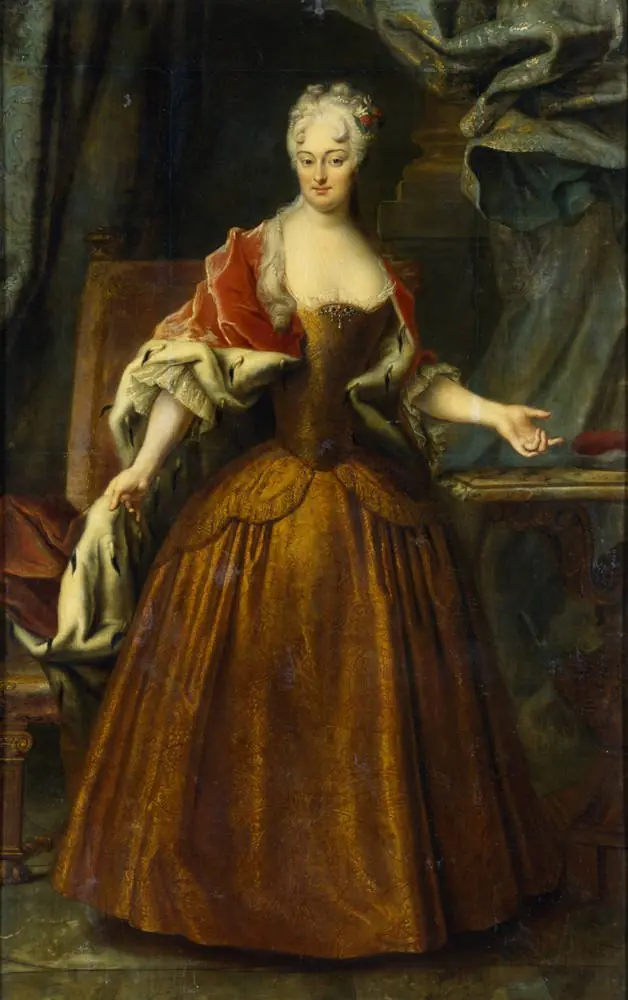 Sophie, Markgräfin von Brandenburg-Bayreuth, geb. Herzogin Sachsen-Weißenfels (1684-1752)
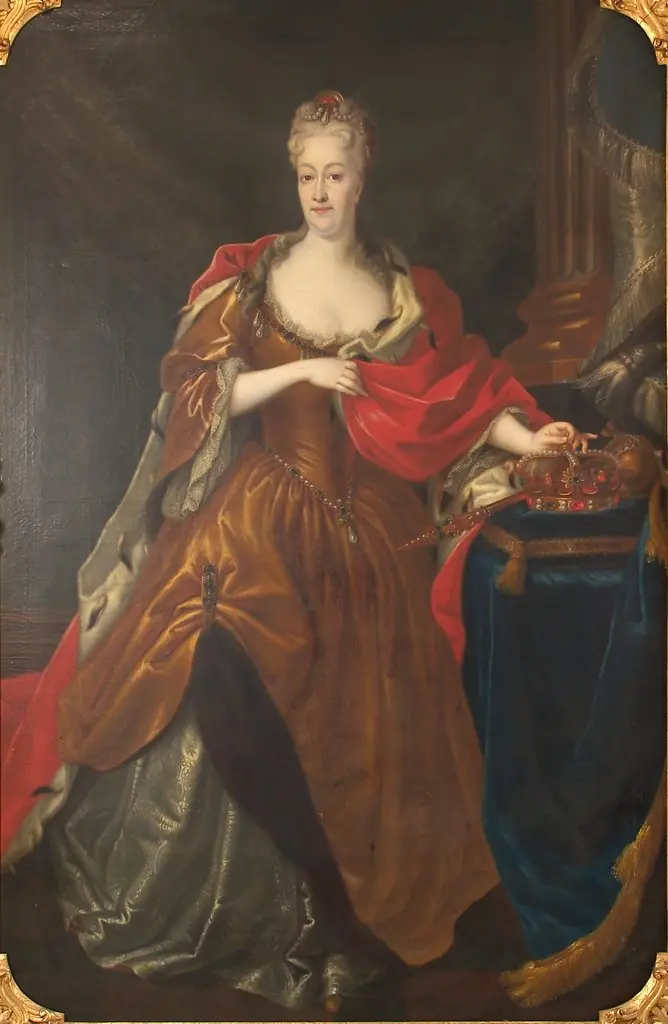 Portræt af Christine af Polen
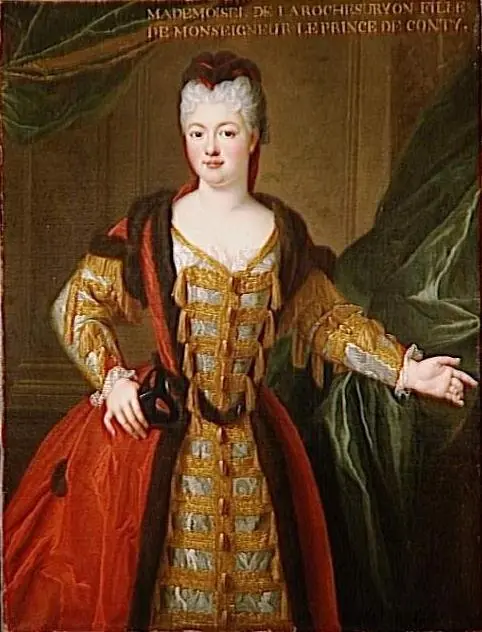 Portrait of marquise de la Roche-sur-Yon (1696-1750)
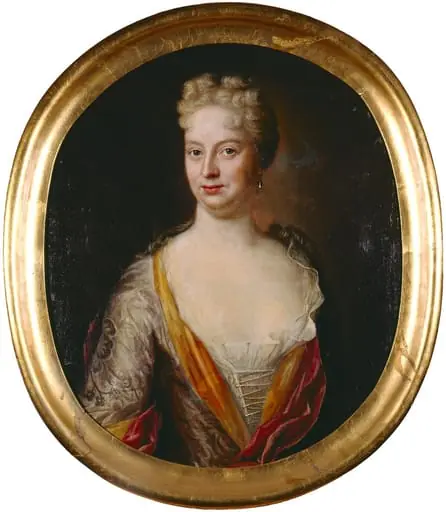 Piispatar Elisabet Wallin
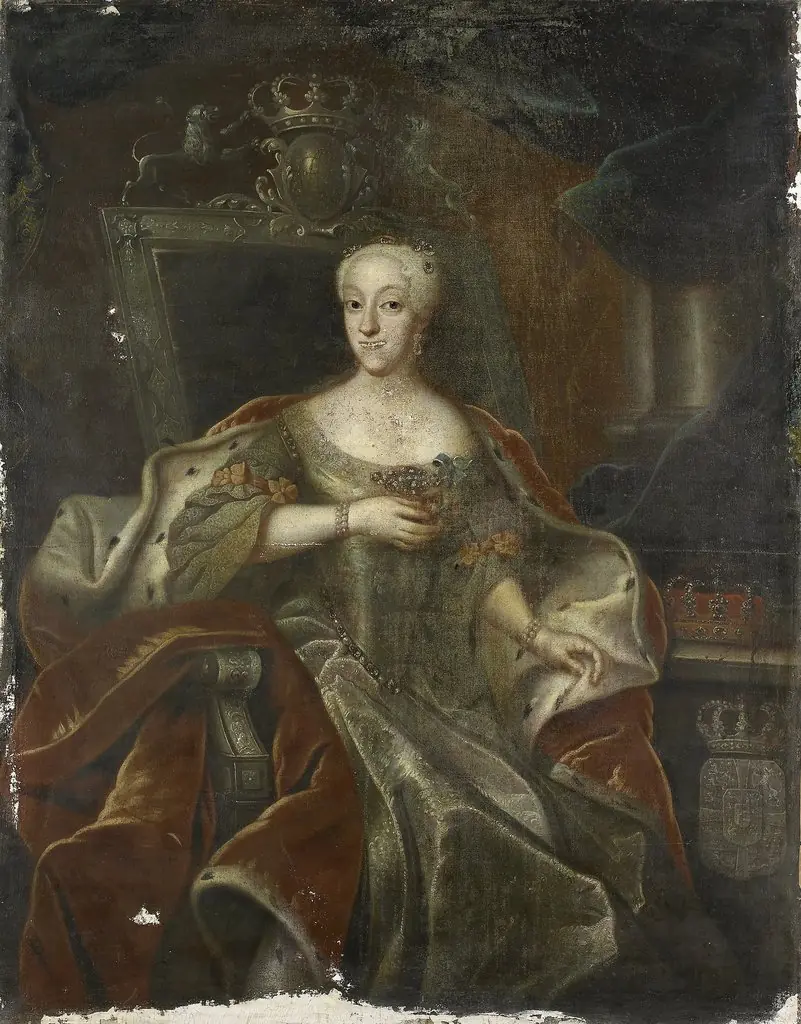 Portrait of Princess Charlotte Amalie, Daughter of Frederick IV, King of Denmark
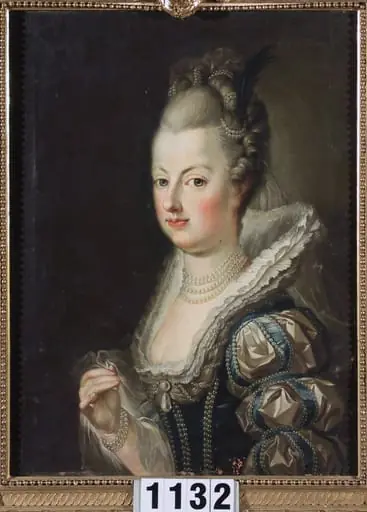 Maria Antoaneta, regina Franței
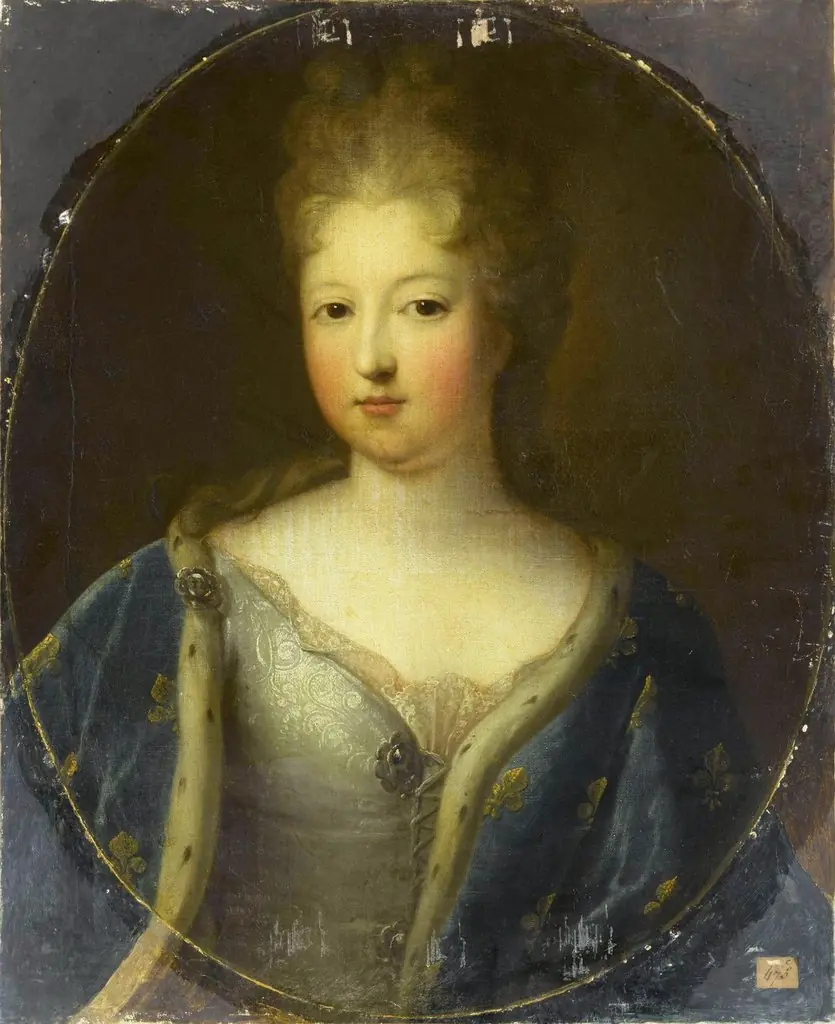 Portrait of Françoise-Marie de Bourbon