Artwork
Gheorghe Doja
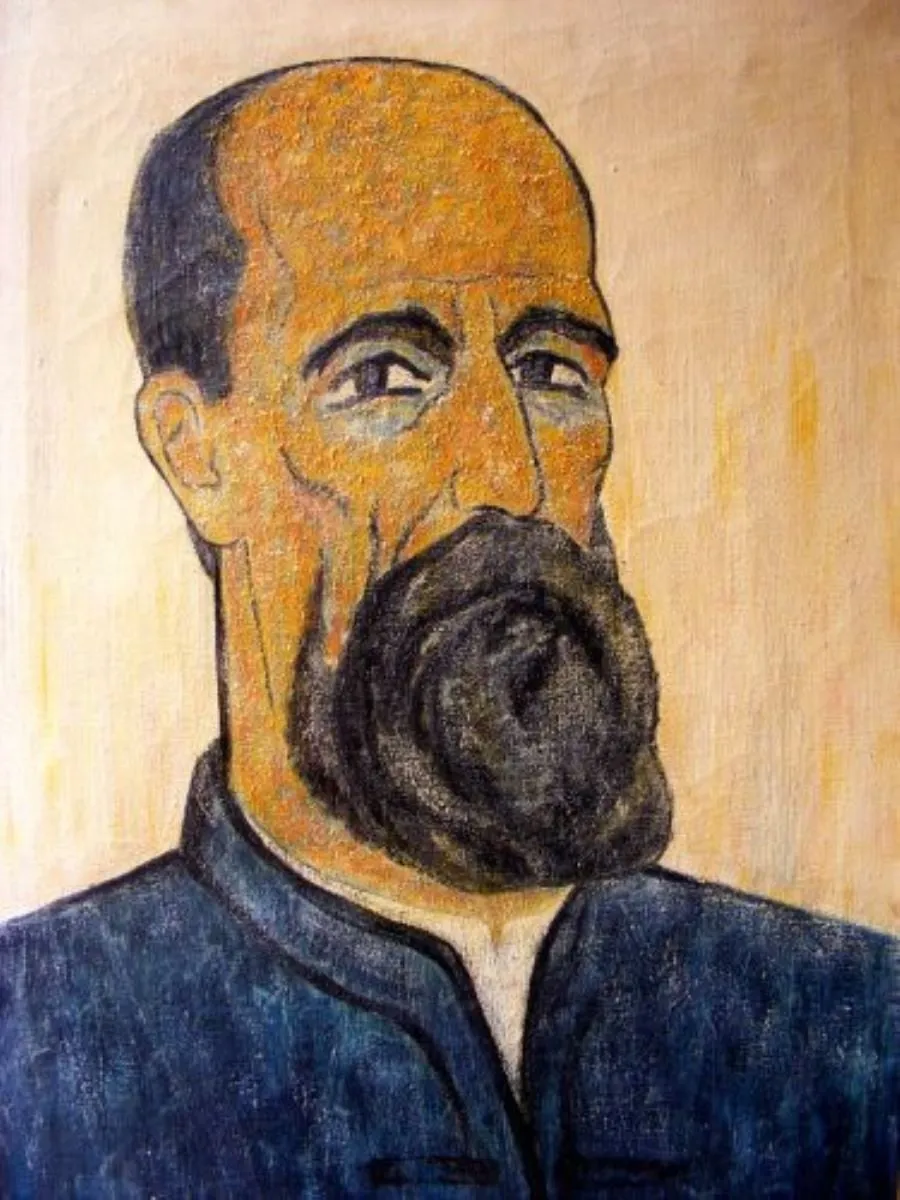
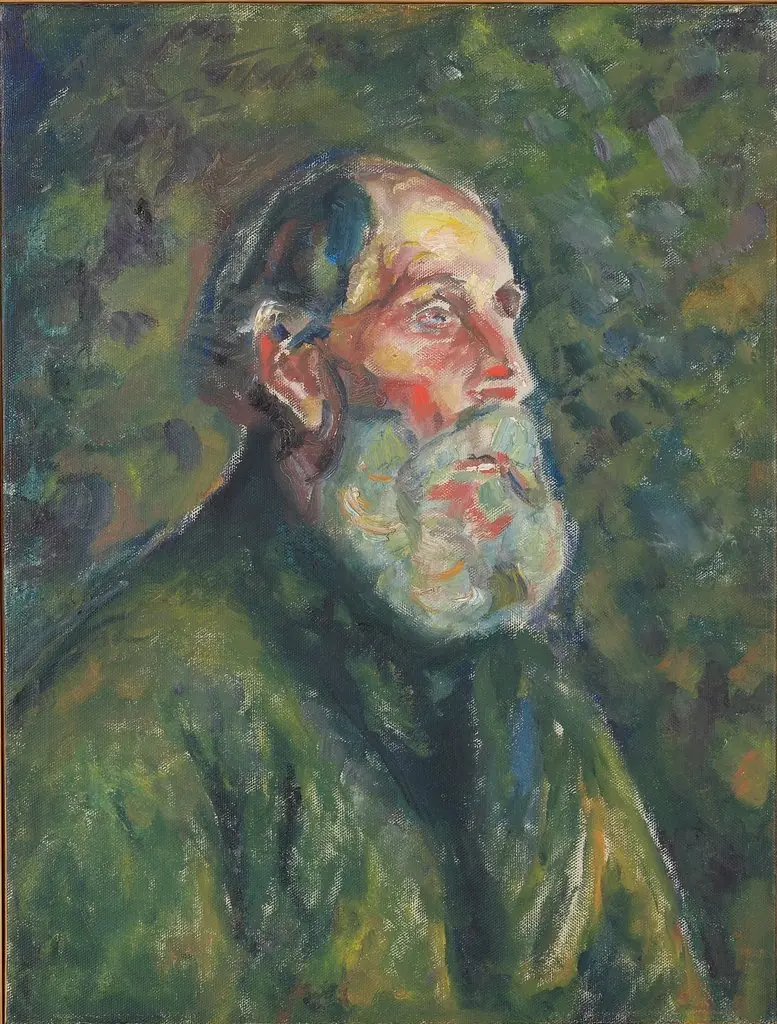
Gheorghe Doja is an unspecified painting by János Mattis-Teutsch. It dates from 1949 and is held in the collection of the Székely National Museum.
About this work
Overview
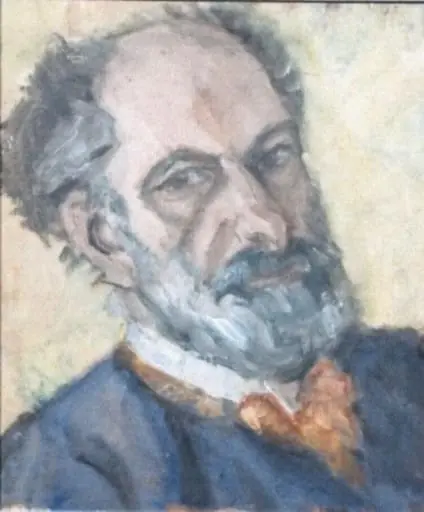
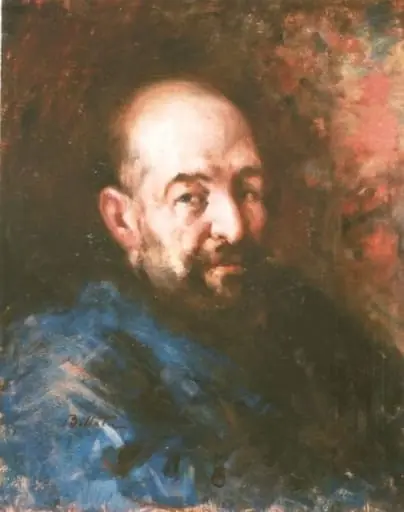
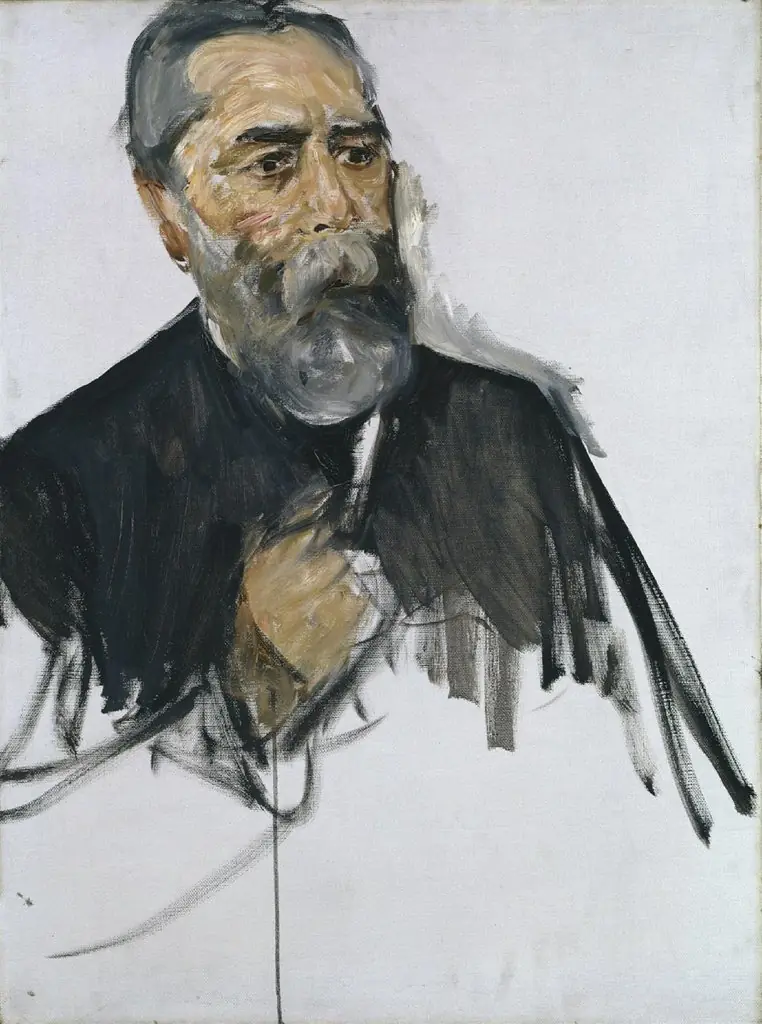
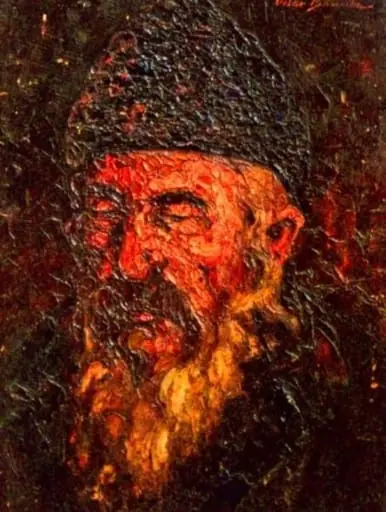
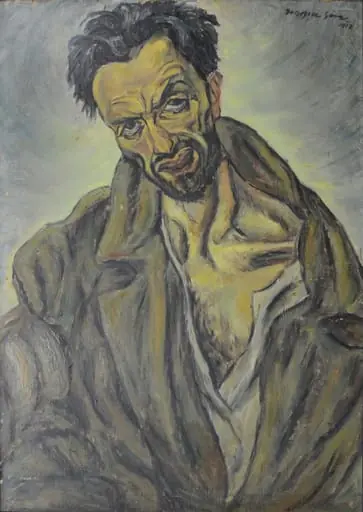
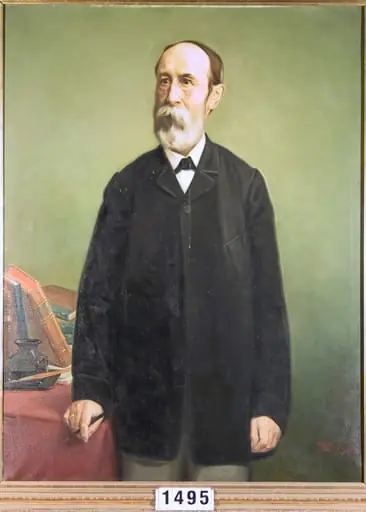
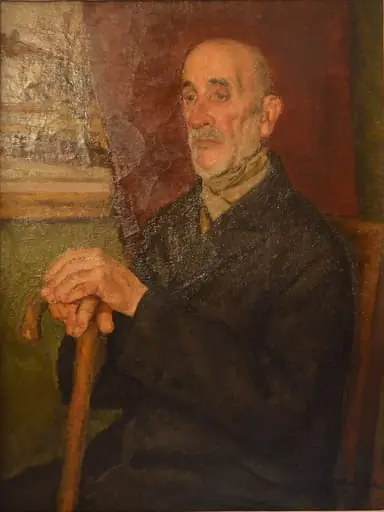
Created around 1949 by Hungarian‑Romanian painter János Mattis‑Teutsch, the work titled Gheorghe Doja is an oil on canvas now in the collection of the Museum of Ethnography. The composition centers on a solitary male figure rendered against a muted, light‑brown backdrop, inviting quiet observation.
Subject & Meaning
The portrait shows a bearded man with a shaved head, dressed in a dark blue robe. His furrowed brow, strong jawline and distant gaze suggest a contemplative state, perhaps alluding to the historical figure Gheorghe Doja, leader of the 1514 Transylvanian peasant revolt, and evoking themes of resolve and reflection.
Technique & Style
Mattis‑Teutsch employs a restrained palette, using subdued earth tones for the background and deep blues for the garment. The brushwork is smooth, emphasizing the solidity of facial features while the soft, almost flat background isolates the subject, a hallmark of his late‑period figurative approach.
History & Provenance
The painting was produced shortly after World War II, a period when Mattis‑Teutsch revisited national subjects. It entered the Museum of Ethnography’s holdings through a mid‑20th‑century acquisition, where it has remained on display as part of the institution’s representation of regional historical portraiture.
Artist & collection
Artist
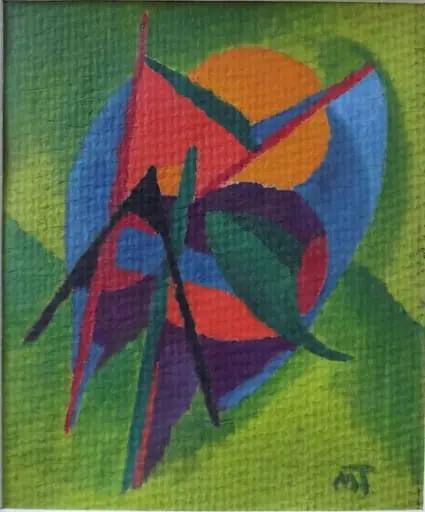
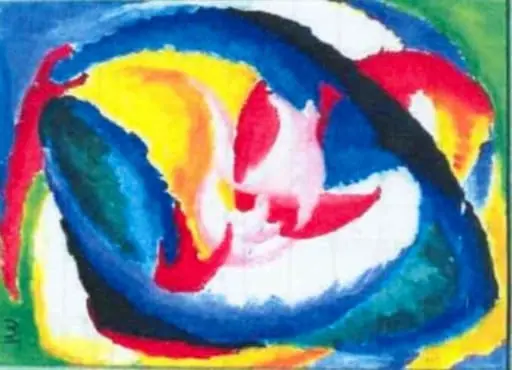
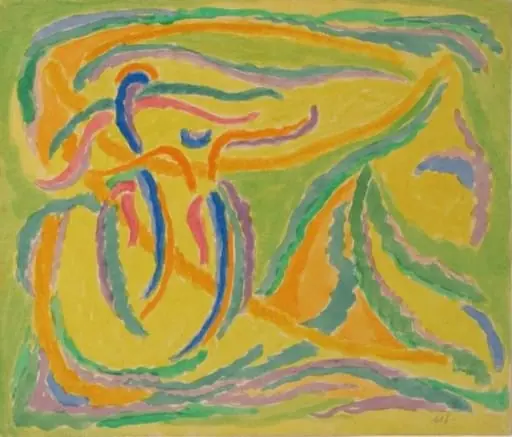
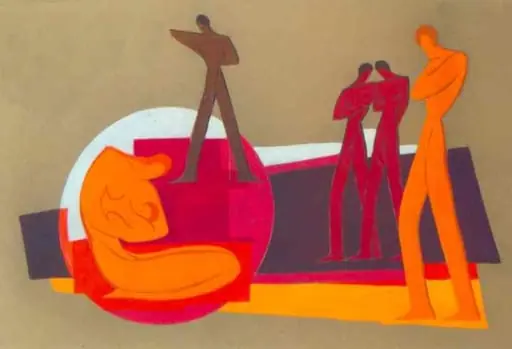
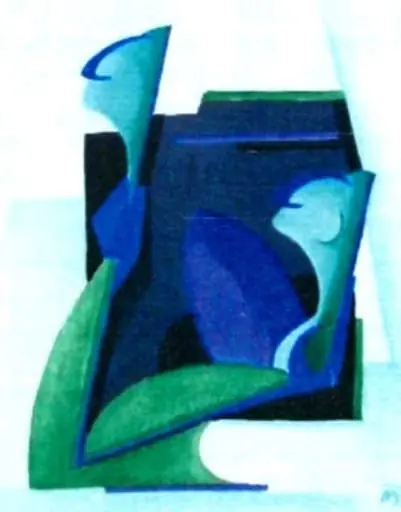
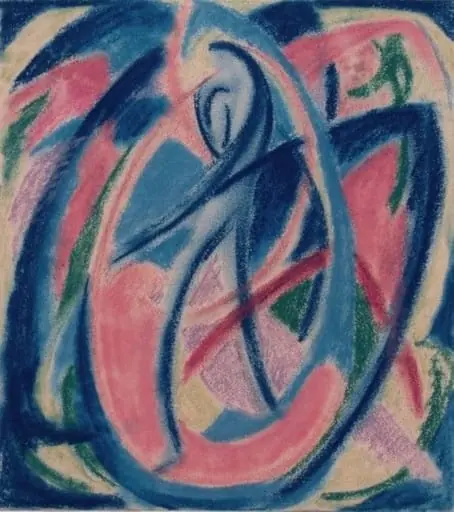
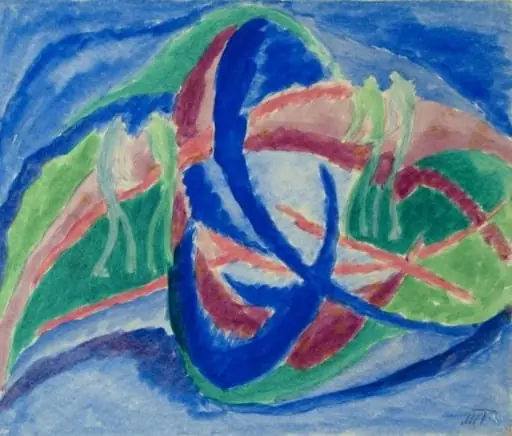
Hungarian painter János Mattis-Teutsch made abstract compositions that play with bold shapes and soft colors.