Artwork
Mureșul și Oltul
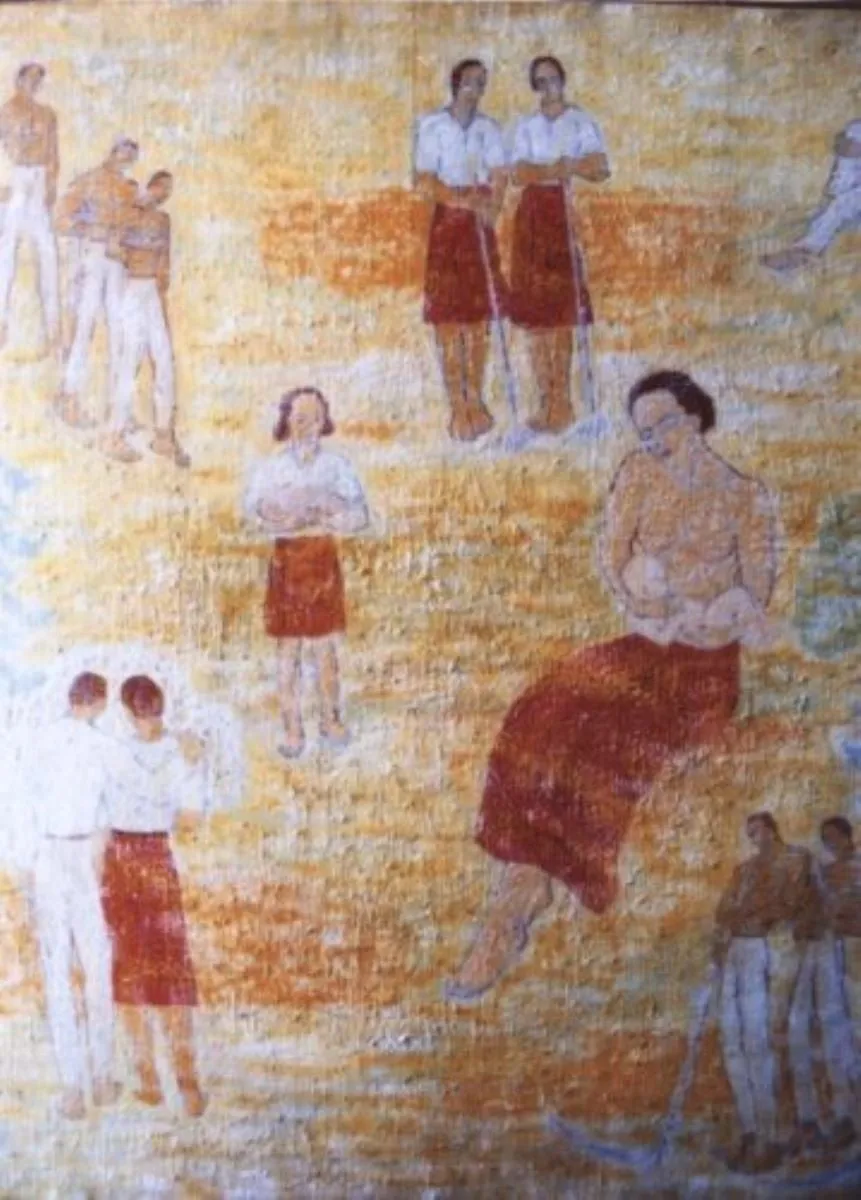
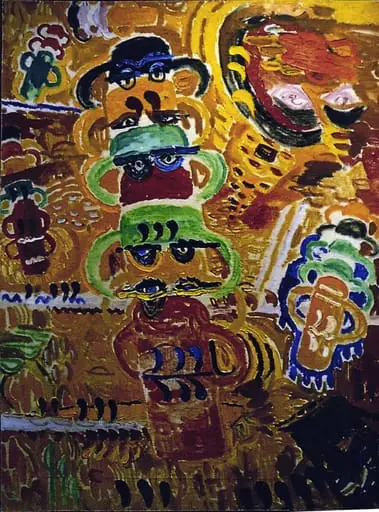
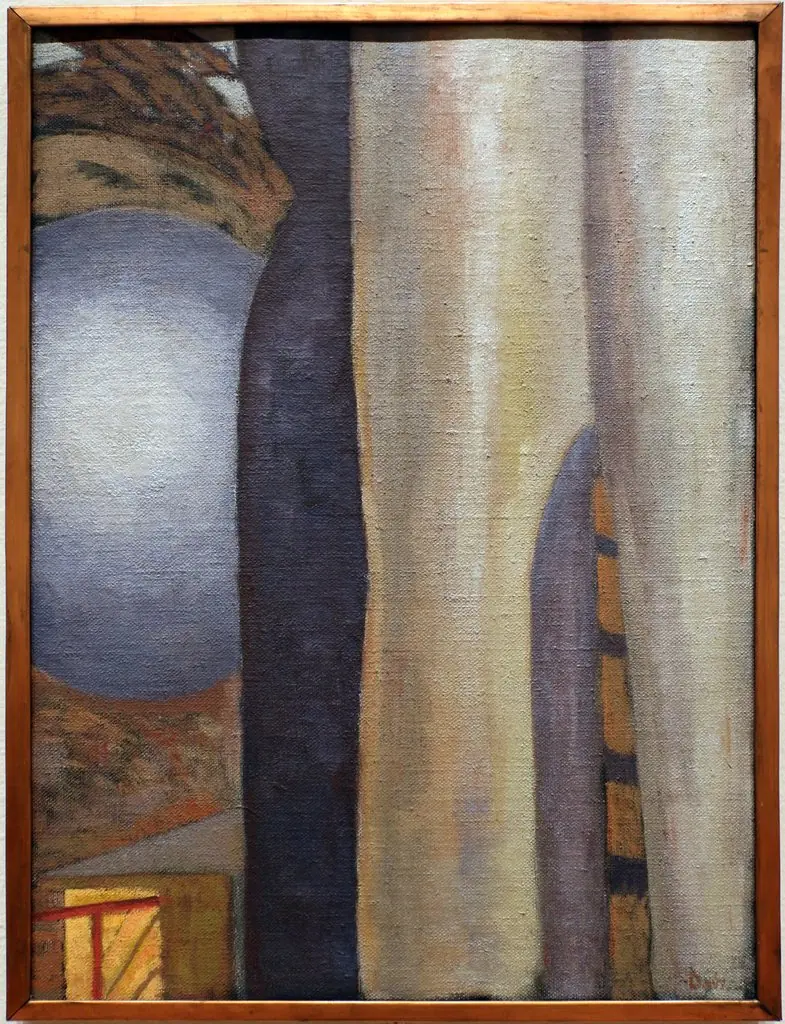
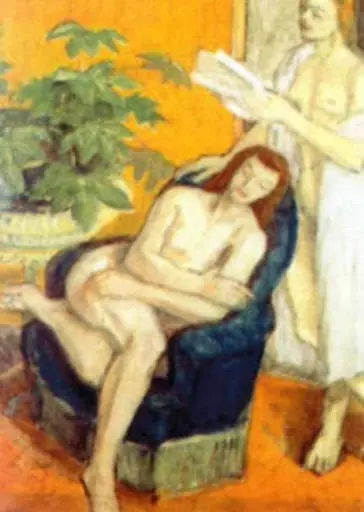
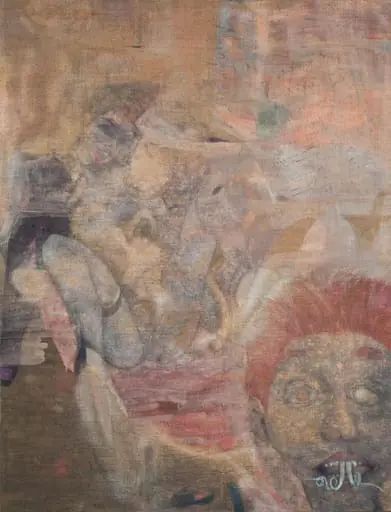
Mureșul și Oltul is an unspecified painting by János Mattis-Teutsch. It dates from 1920 and is held in the collection of the Székely National Museum.
About this work
Overview
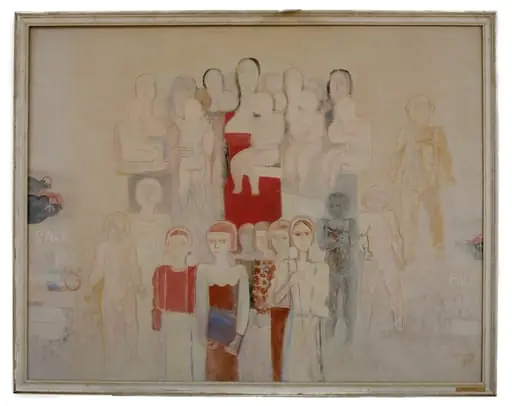
János Mattis‑Teutsch’s 1920 canvas titled *Mureșul și Oltul* belongs to the collection of the Museum of Ethnography. The work depicts a small gathering of figures set against a barren, golden‑toned field, rendered in a muted palette of earth tones. Its composition is straightforward, presenting the scene in a single, horizontal plane without elaborate background detail.
Subject & Meaning
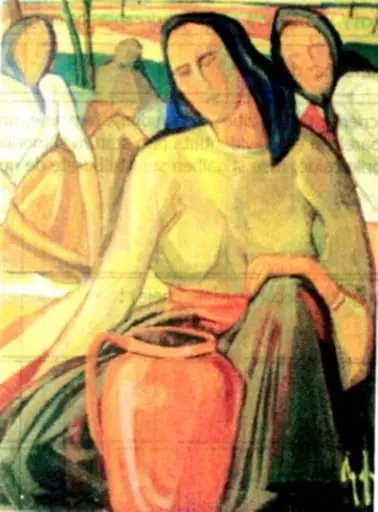
The painting portrays a group of rural individuals, some in plain garments, others in skirts or aprons, clustered in informal clusters. A woman cradling an infant occupies the foreground, suggesting themes of family and community life. The informal arrangement and muted expressions convey a quiet, everyday moment rather than a staged narrative.
Technique & Style
Mattis‑Teutsch employs a pronounced impasto technique, applying paint in thick, uneven strokes that give the surface a tactile, almost sketch‑like quality. The brushwork is vigorous and irregular, emphasizing texture over smooth finish. This handling of paint reinforces the earthy atmosphere and lends the figures a sense of immediacy, as if captured in a rapid study.
History & Provenance
Since its creation in 1920, *Mureșul și Oltul* has been part of the Museum of Ethnography’s holdings. The work’s presence in an ethnographic institution highlights its relevance to the representation of regional folk life, aligning the painting with collections that document cultural and social practices of the area.
Artist & collection
Artist
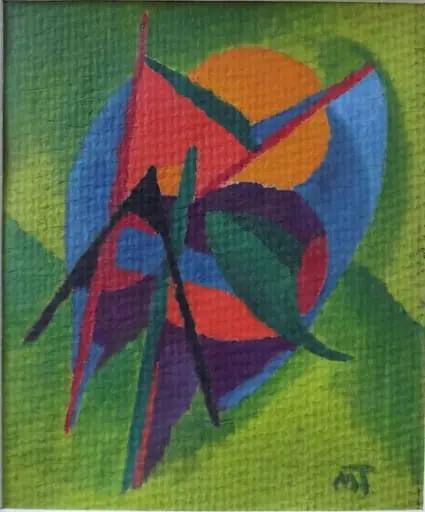
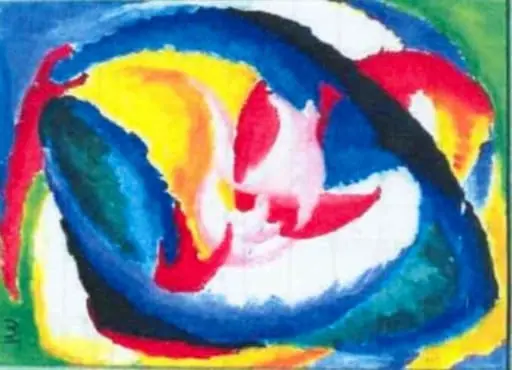
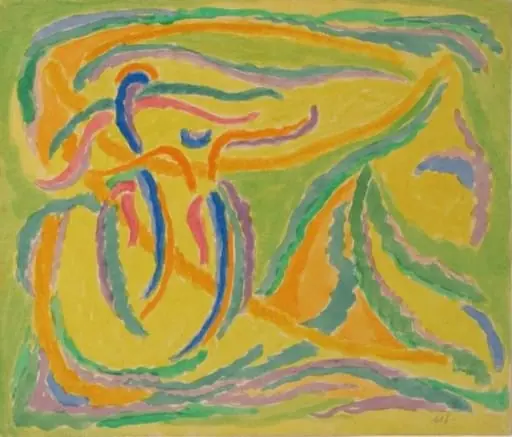
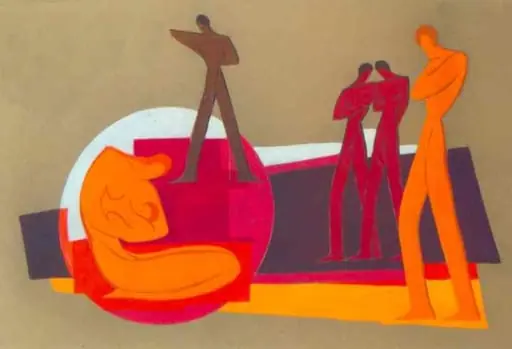
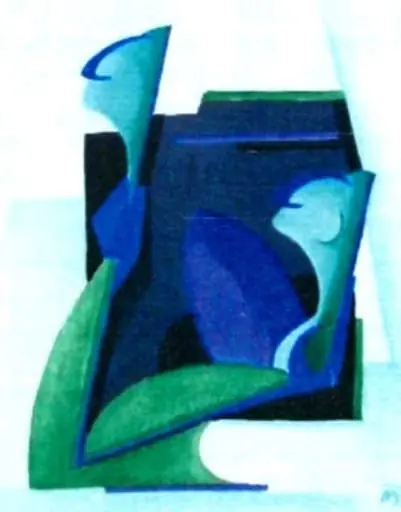
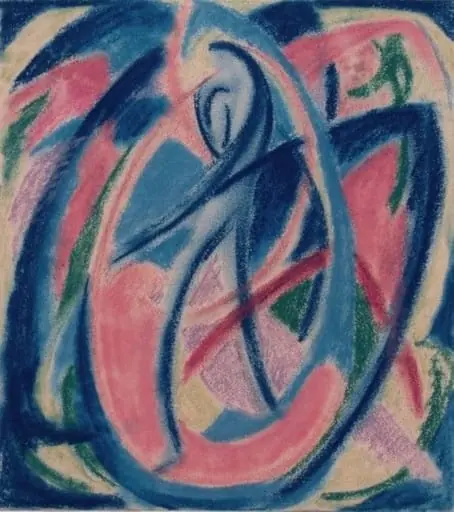
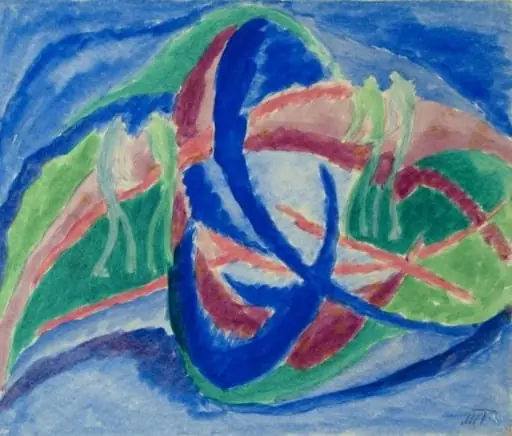
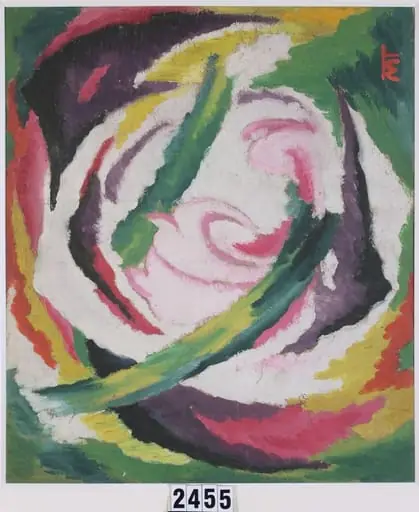
Hungarian painter János Mattis-Teutsch made abstract compositions that play with bold shapes and soft colors.
![Arearea no Varua Ino (Words of the Devil) [recto], by Paul Gauguin](https://artifactworldgallery.com/img/paul-gauguin--arearea-no-varua-ino-words-of-the-devil-recto--0bfcd29d383e4267-w320.webp)