Artwork
Peisaj
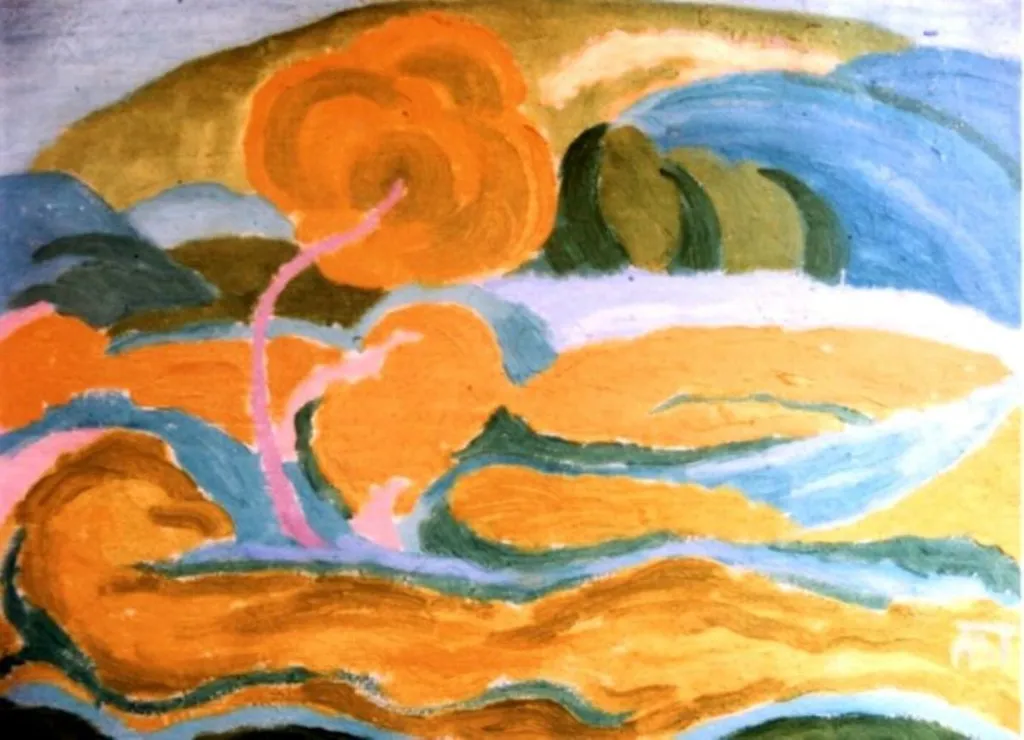
Peisaj is an unspecified painting by János Mattis-Teutsch. It dates from 1913 and is held in the collection of the Székely National Museum.
About this work
Overview
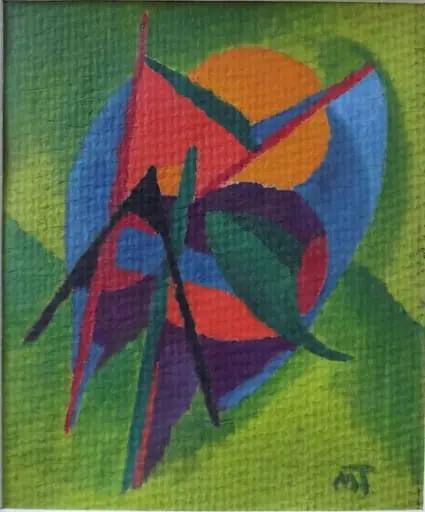
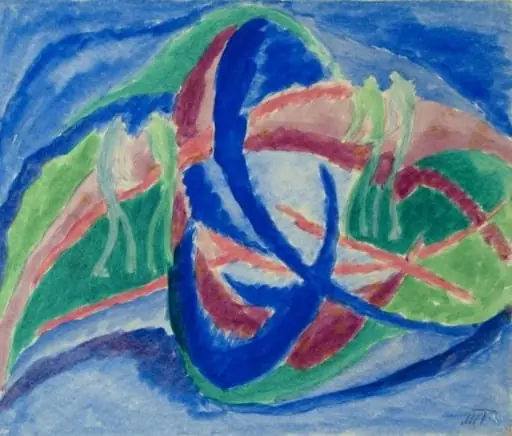
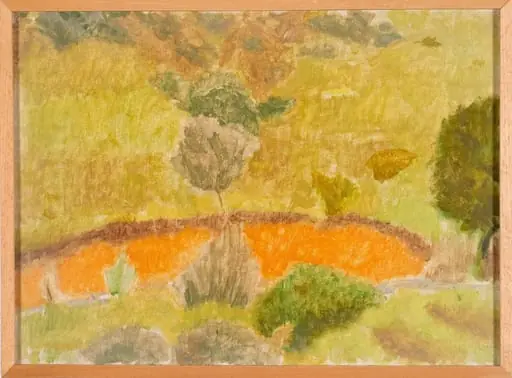
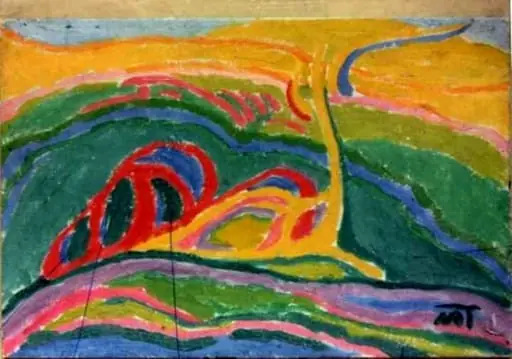
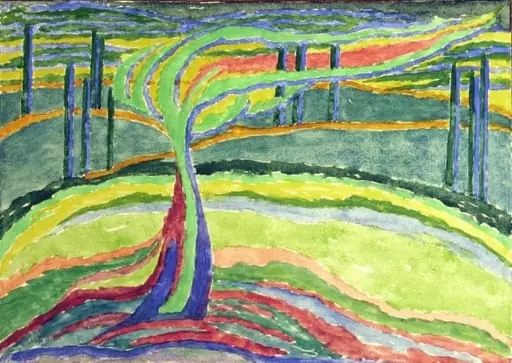
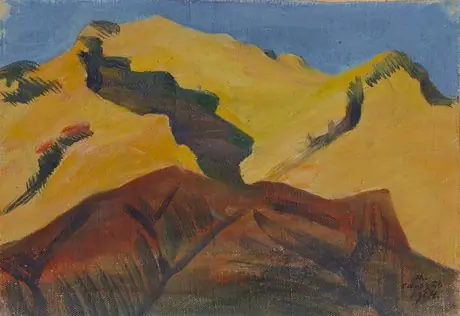
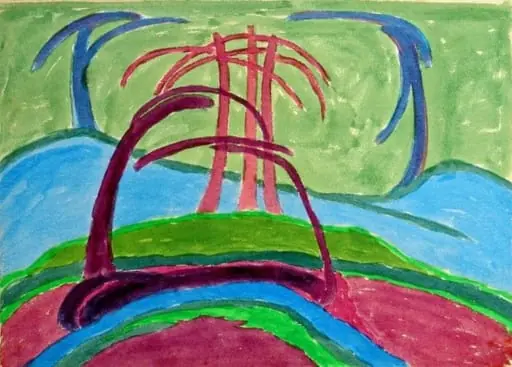
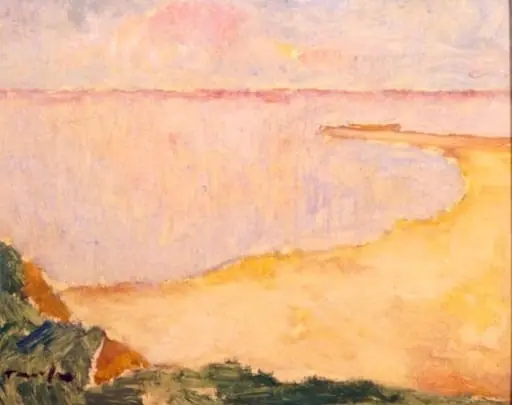
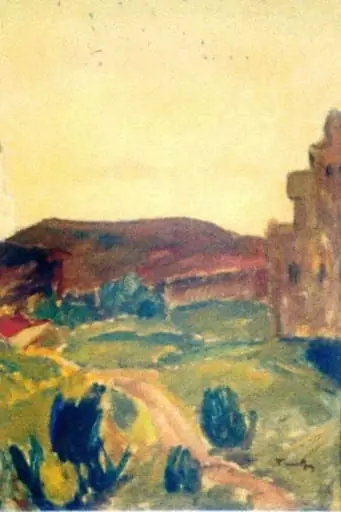
Created in 1913 by Hungarian artist János Mattis-Teutsch, Peisaj is a landscape painting that departs from naturalistic representation. It is part of the collection at the Museum of Ethnography in Budapest. The work reflects the artist’s engagement with modernist tendencies of the early 20th century, emphasizing emotional expression over literal depiction of the natural world.
Subject & Meaning
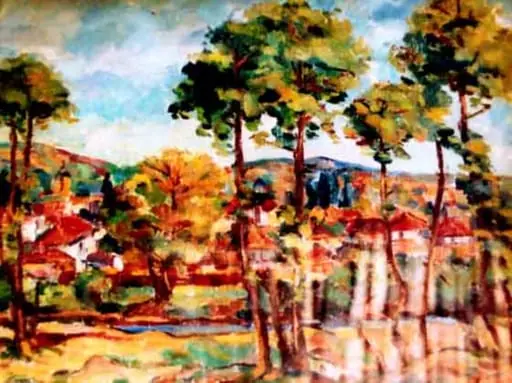
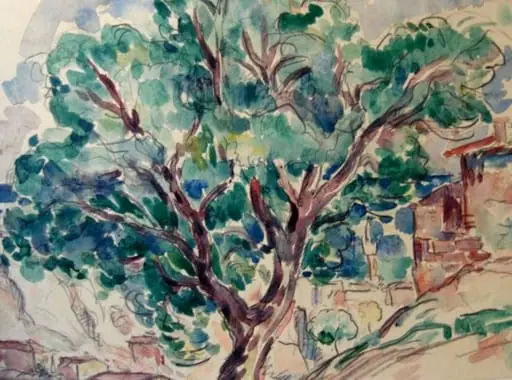
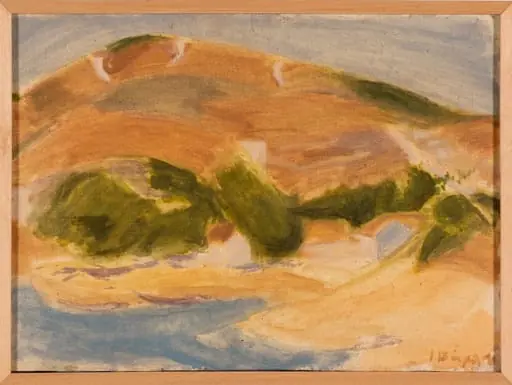
The painting presents a non-specific rural landscape, stripped of identifiable landmarks. Rather than documenting a place, it conveys an internalized sense of nature through color and form. The absence of narrative detail invites contemplation of mood and perception, aligning with broader Symbolist and Expressionist interests in subjective experience over objective reality.
Technique & Style
The composition avoids perspective, favoring flat planes that emphasize the painting’s materiality and rhythmic structure.
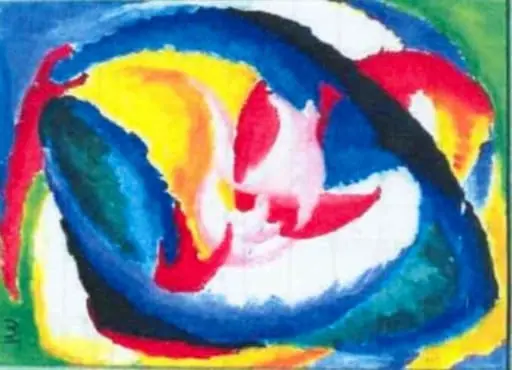
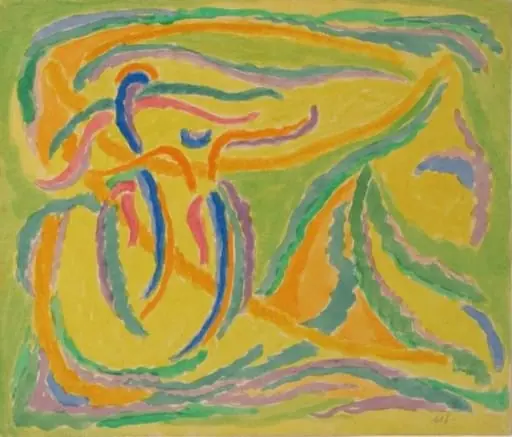
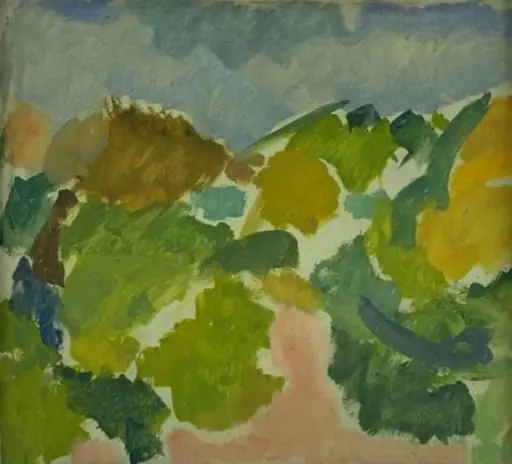
Mattis-Teutsch applied paint with visible, energetic brushwork, creating a tactile surface. Bold outlines define abstracted landforms, while vivid hues—orange, blue, green, and pink—interact dynamically. Colors bleed at their edges, suggesting atmospheric shifts and emotional resonance. The composition avoids perspective, favoring flat planes that emphasize the painting’s materiality and rhythmic structure.
History & Provenance
Peisaj entered the collection of the Museum of Ethnography in Budapest, where it remains today. Its acquisition reflects the institution’s broader interest in modern Hungarian art as cultural expression. Though not widely exhibited during its early years, the work has since been recognized as part of the artist’s significant contribution to Central European modernism.
Context
Painted during a period of intense artistic experimentation in Europe, Peisaj responds to movements like Fauvism and Expressionism. Mattis-Teutsch, influenced by his travels and exposure to avant-garde circles, moved away from academic traditions. The work aligns with contemporaneous efforts by Central European artists to redefine national identity through innovative visual language.
Legacy
Peisaj stands as an early example of Mattis-Teutsch’s transition toward abstraction and emotional intensity. It contributes to the understanding of Hungarian modernism as distinct from Western European trends. The painting continues to inform scholarly discussions on the intersection of folk motifs, modernism, and personal expression in early 20th-century Eastern European art.
Artist & collection
Artist
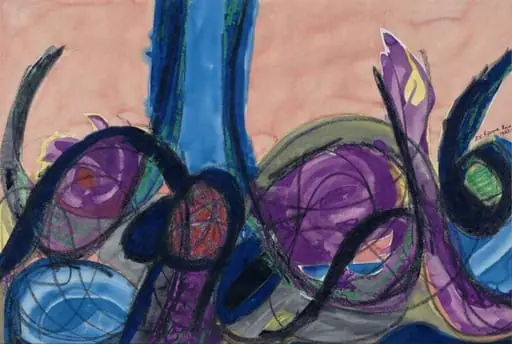
Hungarian painter János Mattis-Teutsch made abstract compositions that play with bold shapes and soft colors.