Artwork
Portret de bărbat
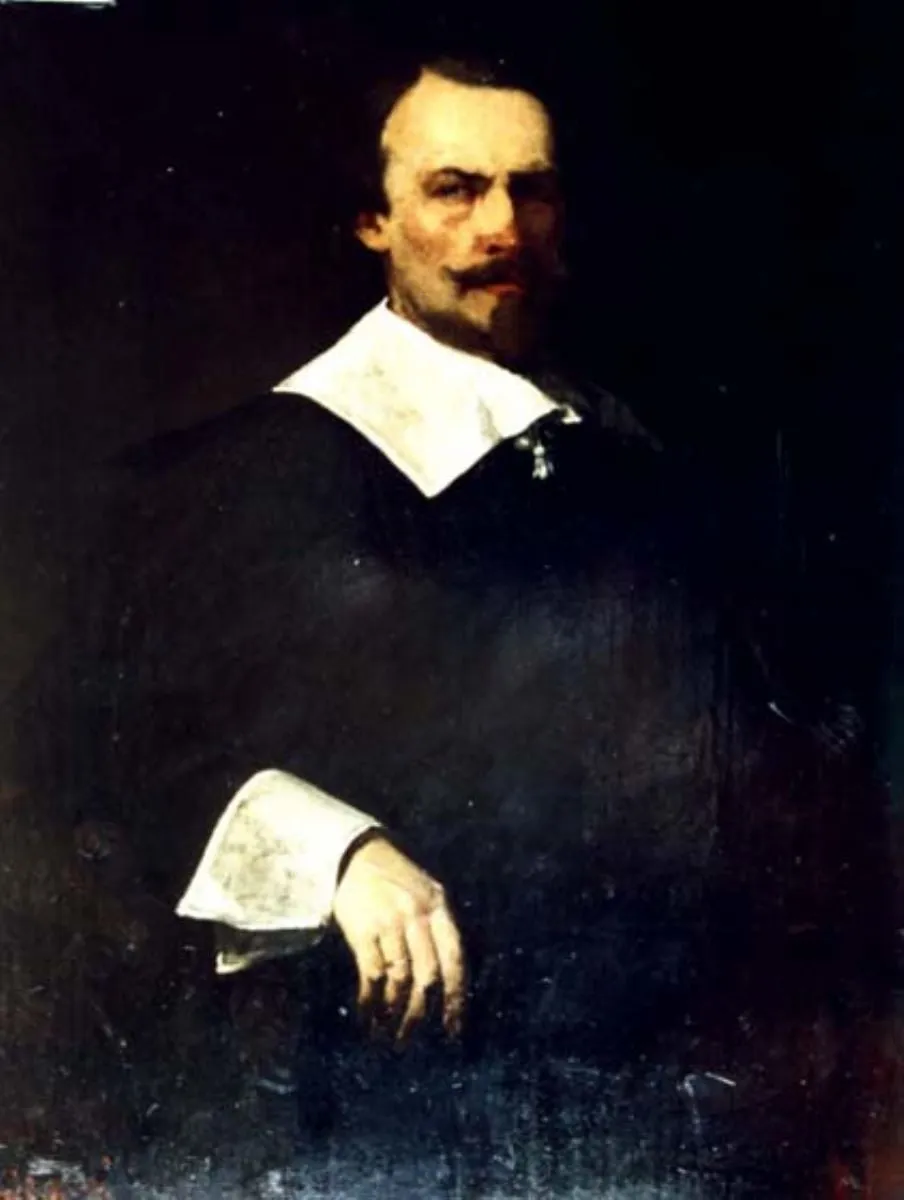
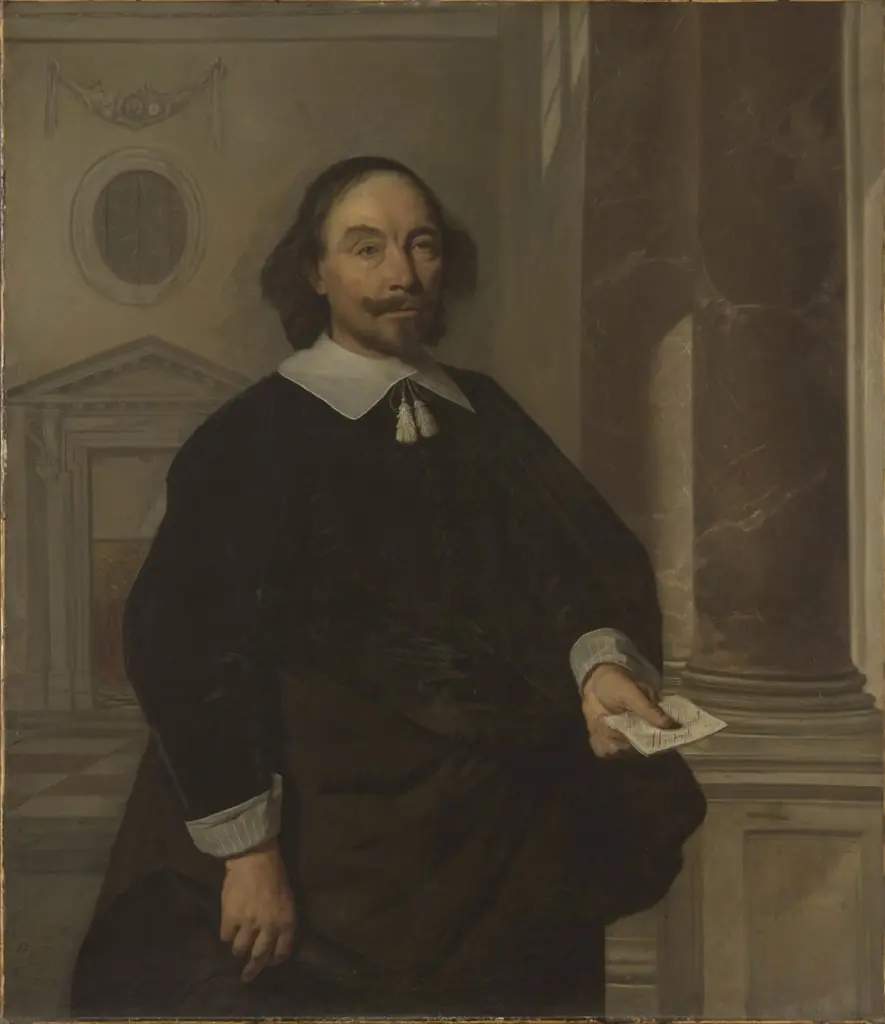
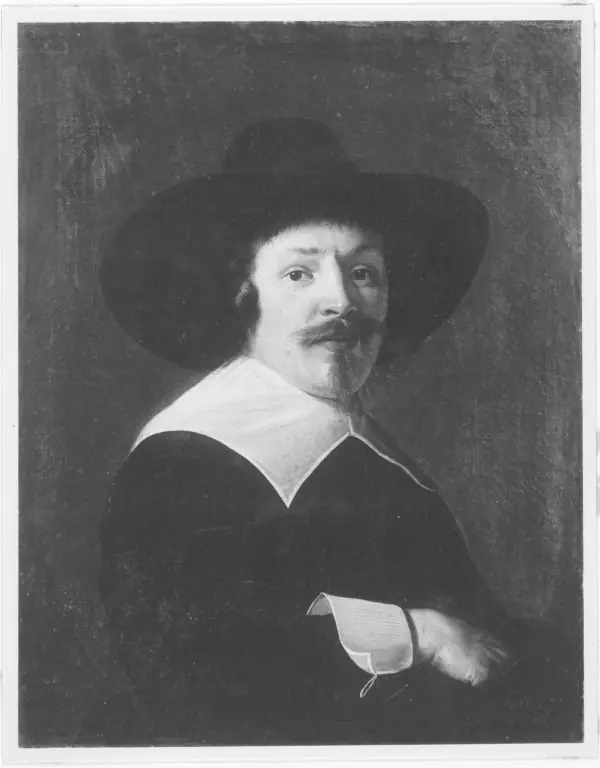
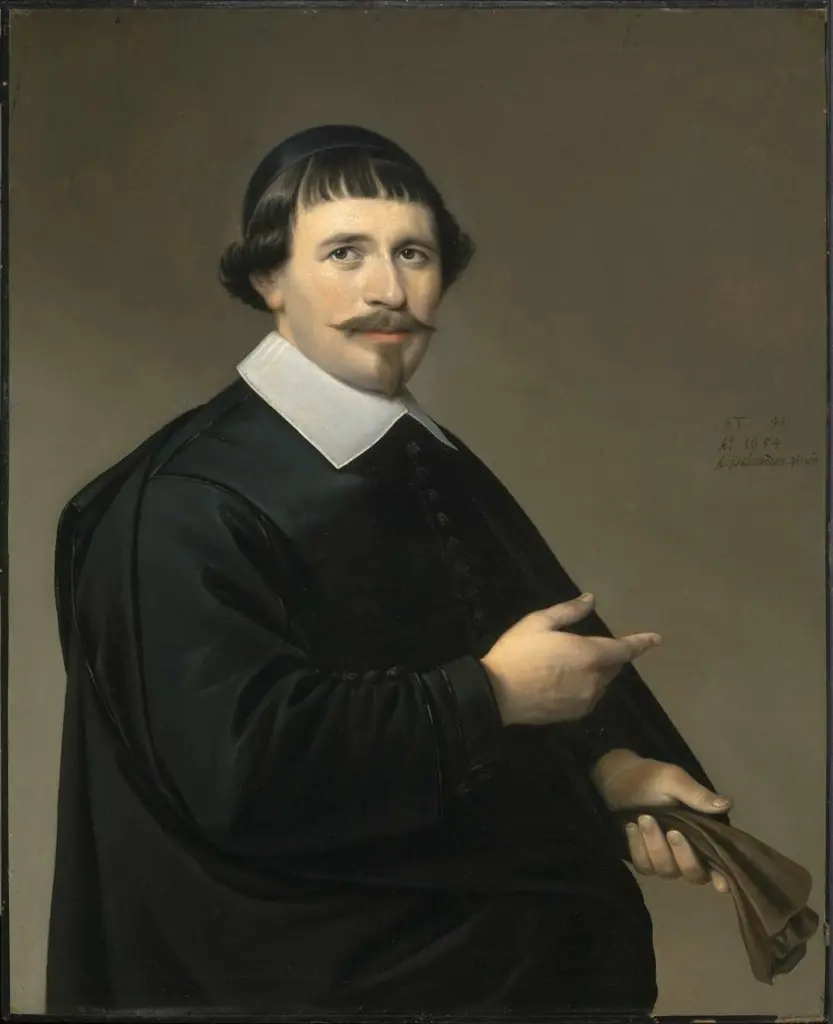
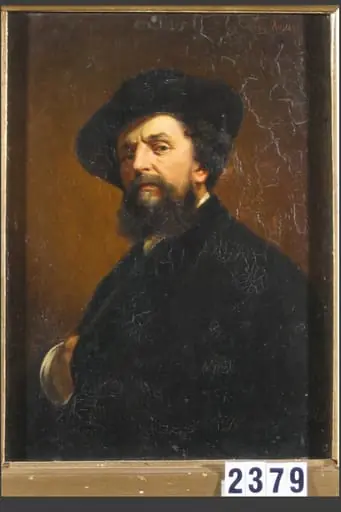
Portret de bărbat is an unspecified painting by Mihály Munkácsy. It is held in the collection of the National Museum of Art of Romania. This portrait depicts a man rendered in oil on canvas, with a composition centered on his upper torso.
About this work
Overview
Set against a dark, undefined background, the figure is illuminated with subtle lighting that emphasizes texture and form.
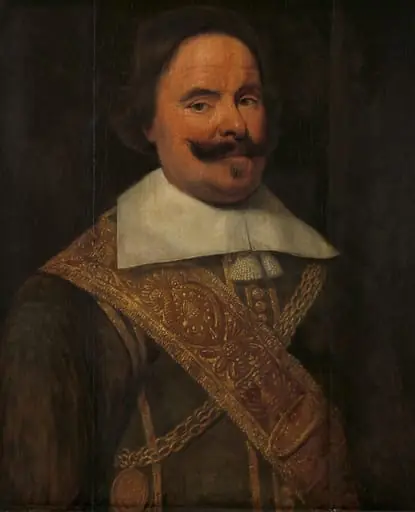
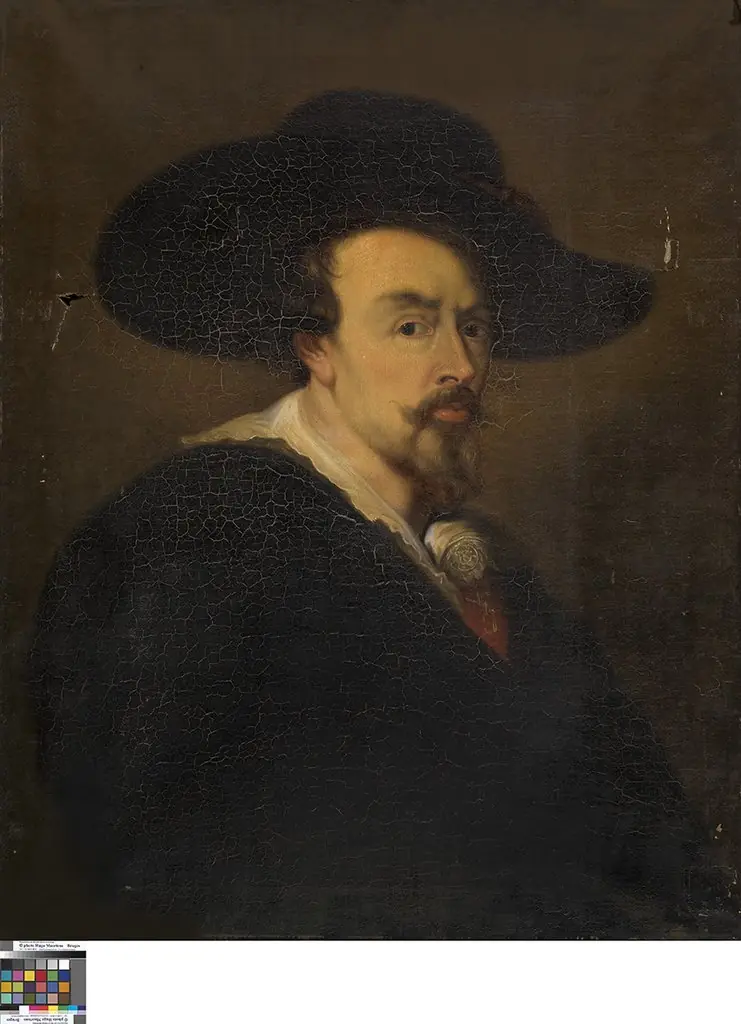
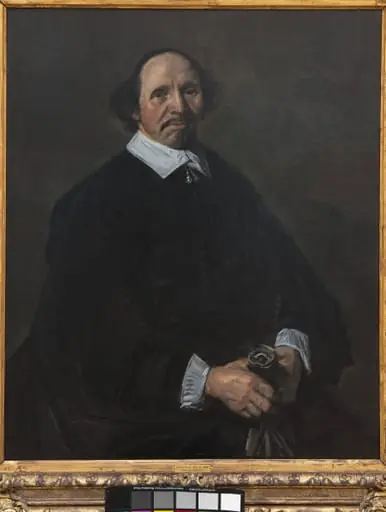
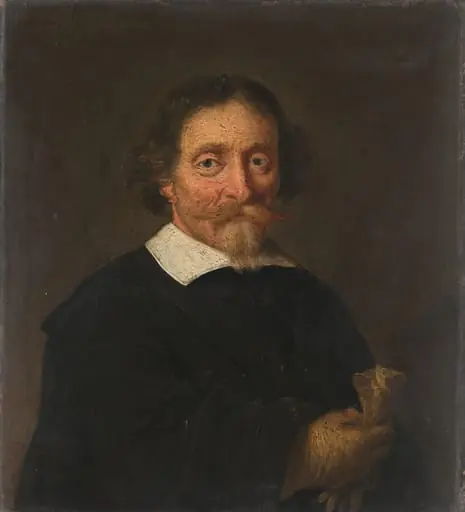
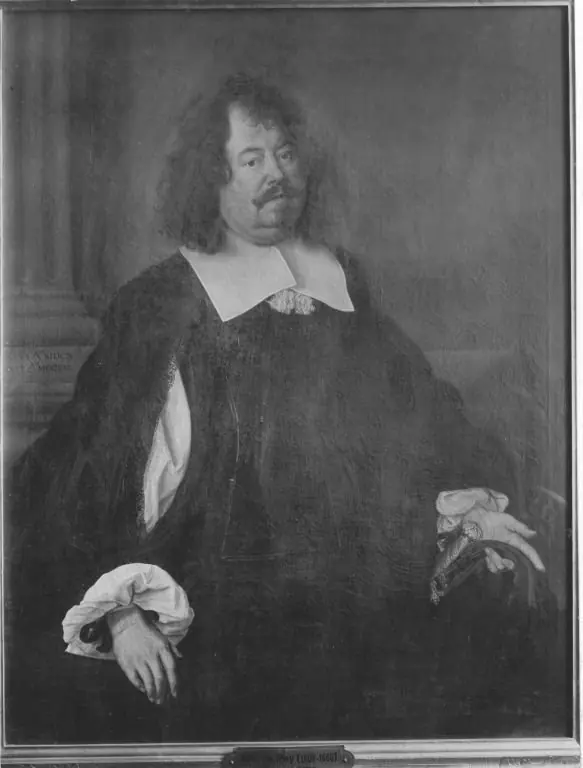
This portrait depicts a man rendered in oil on canvas, with a composition centered on his upper torso. Set against a dark, undefined background, the figure is illuminated with subtle lighting that emphasizes texture and form. His dark hair, mustache, and formal attire convey a sense of quiet dignity. The restrained palette and minimal detail focus attention on the subject’s presence rather than environment.
Subject & Meaning
The man’s serious expression and formal dress suggest a figure of social standing, possibly a professional or intellectual. His stillness and direct gaze invite contemplation, avoiding theatricality. The absence of symbolic objects or background elements removes narrative context, leaving the viewer to engage with the psychological weight of his demeanor. The portrait prioritizes inner gravity over external identity.
Technique & Style
Munkácsy employs controlled brushwork to render fabric and skin with quiet realism. The black jacket and tie are rendered with thick, opaque strokes, while the white collar and shirt catch soft highlights, creating contrast without glare. The background is left largely unmodeled, enhancing the figure’s isolation. The hand resting on the lap is rendered with delicate precision, adding a sense of natural posture.
History & Provenance
The painting is attributed to Mihály Munkácsy, a 19th-century Hungarian artist known for both large-scale historical scenes and intimate portraits. This work likely dates from his later period, when he increasingly focused on psychological portraiture. Its provenance is not widely documented, but it aligns with his private commissions from Central European patrons seeking understated, dignified likenesses.
Context
In the late 1800s, portrait painting in Europe shifted from grandeur to introspection. Munkácsy, though celebrated for epic compositions, turned toward quieter subjects as tastes evolved. This portrait reflects a broader trend among artists to capture individual character through restraint, rejecting ornate settings in favor of emotional immediacy and formal simplicity.
Legacy
Though less known than his monumental works, this portrait exemplifies Munkácsy’s skill in conveying presence through minimal means. It contributes to a body of intimate studies that reveal his sensitivity to human expression beyond public spectacle. The work remains a quiet testament to his ability to render dignity in solitude, influencing later generations of Central European realists.
Artist & collection
Artist