Artwork
Jennings-suvun jäsen
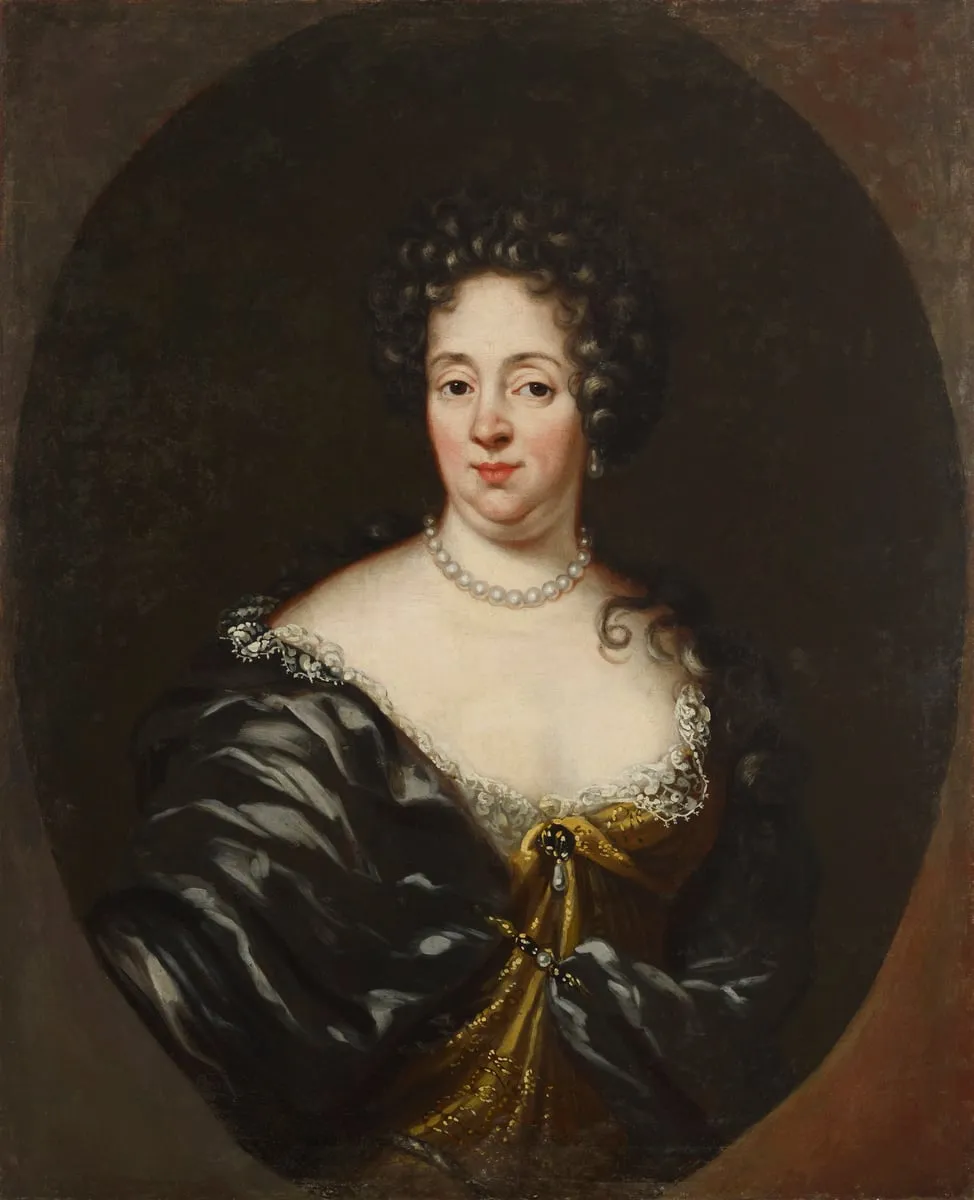
Jennings-suvun jäsen is an unspecified painting by David Klöcker Ehrenstrahl. It is held in the collection of the Finnish National Gallery. This portrait depicts a woman rendered with precise attention to her attire and facial expression.
About this work
Overview
Set against a deep, unmodulated background, her figure emerges through careful modeling of light and shadow.
This portrait depicts a woman rendered with precise attention to her attire and facial expression. Set against a deep, unmodulated background, her figure emerges through careful modeling of light and shadow. The composition emphasizes stillness and form, drawing focus to her presence without narrative distraction. The technique suggests a deliberate engagement with classical portraiture traditions.
Subject & Meaning
The subject is portrayed with solemn dignity, her direct gaze and restrained expression conveying quiet authority. Her elaborate dress, adorned with gold trim and a pearl necklace, signals social standing, while the tied bows at the sleeves hint at refined taste. No external symbols or settings are present, suggesting the intent is to capture character rather than status alone.
Technique & Style
The artist employs chiaroscuro to model the face and fabric with subtle gradations of light, creating volume and depth. The dark background isolates the figure, enhancing the contrast and three-dimensionality of her form. Brushwork is controlled and smooth, particularly in the rendering of skin and the metallic sheen of the gold accents, reflecting a disciplined approach to realism.
History & Provenance
The painting’s origin and early ownership remain undocumented in public records. Its title, 'Jennings-suvun jäsen,' suggests a Finnish or Nordic connection, possibly indicating familial or regional identity. No exhibition history or documented collector lineage has been established, leaving its journey from creation to current location unclear.
Context
Created during a period when portraiture emphasized individuality and social identity, this work aligns with trends in Northern European painting that valued psychological presence over ornamentation. The absence of landscape or props reflects a shift toward intimate, character-driven depictions, common among artists focused on personal rather than institutional representation.
Legacy
Though not widely exhibited or reproduced, the painting contributes to a quieter tradition of 19th-century portraiture that prioritized emotional restraint and technical precision. Its preservation offers insight into how regional artists interpreted identity through dress and lighting, independent of major artistic centers.
Artist & collection
Artist
Swedish portraits from the 17th century glow with velvet and lace. Ehrenstrahl painted men in silver-trimmed coats and women in pearl-stiff gowns, turning real faces into courtly emblems. See Kreivi Johan Gabriel…

 Kreivitär Ingeborg Posse
 Helena van Heuvel
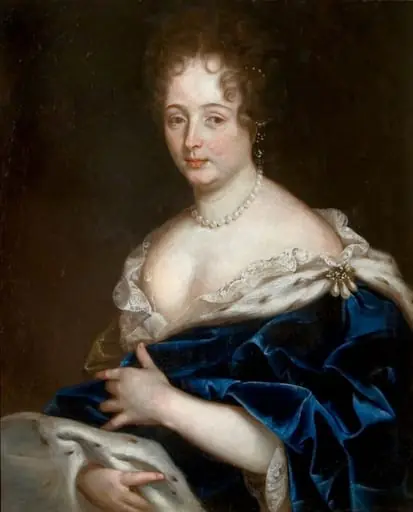 Portretul Marchizei de Crequi
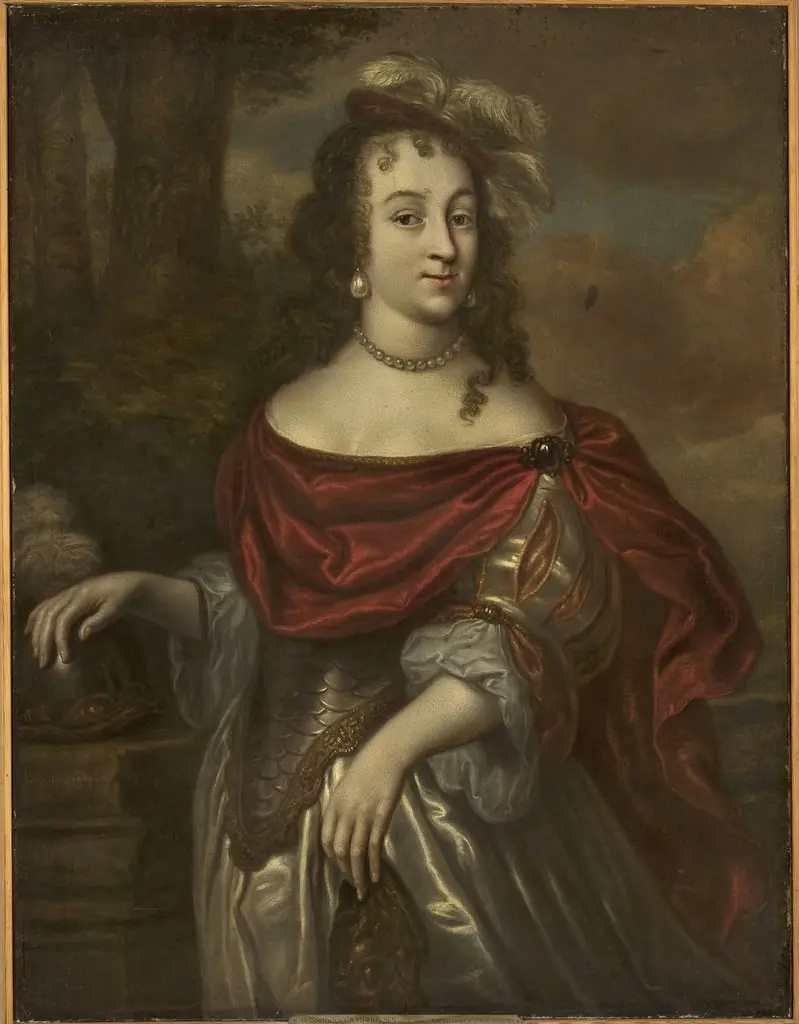 Portrait of a woman in Minerva’s costume
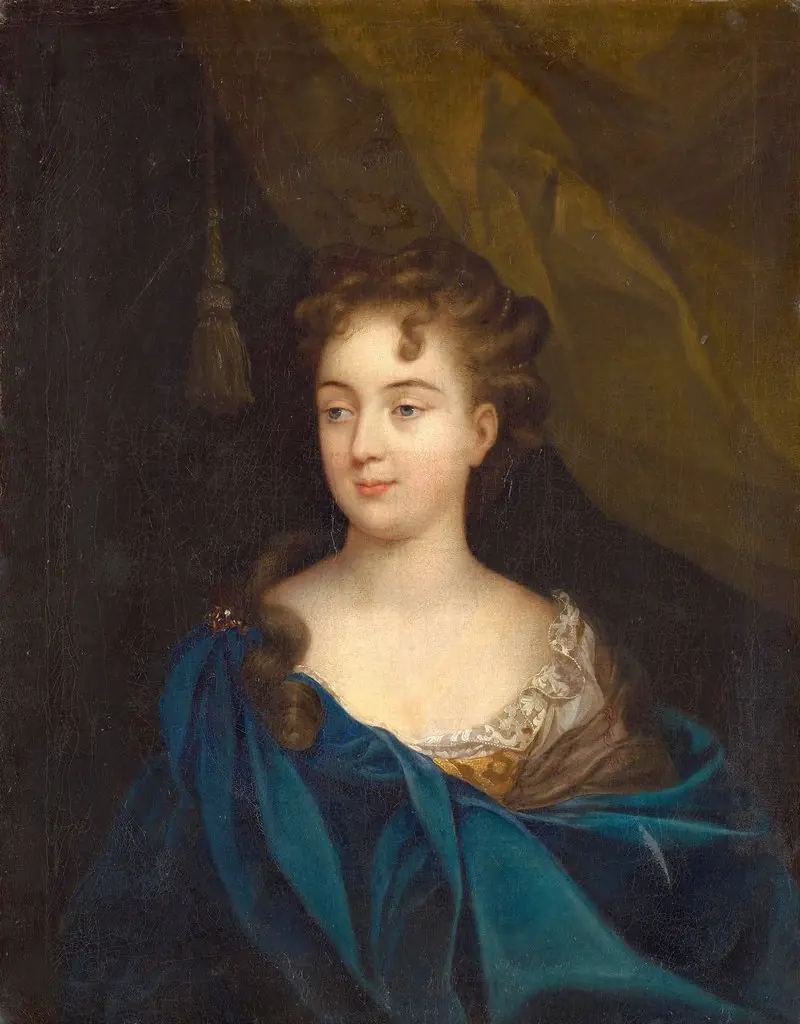 Maria Anna Christina, Dauphine von Frankreich (1660-1690) (Umkreis)
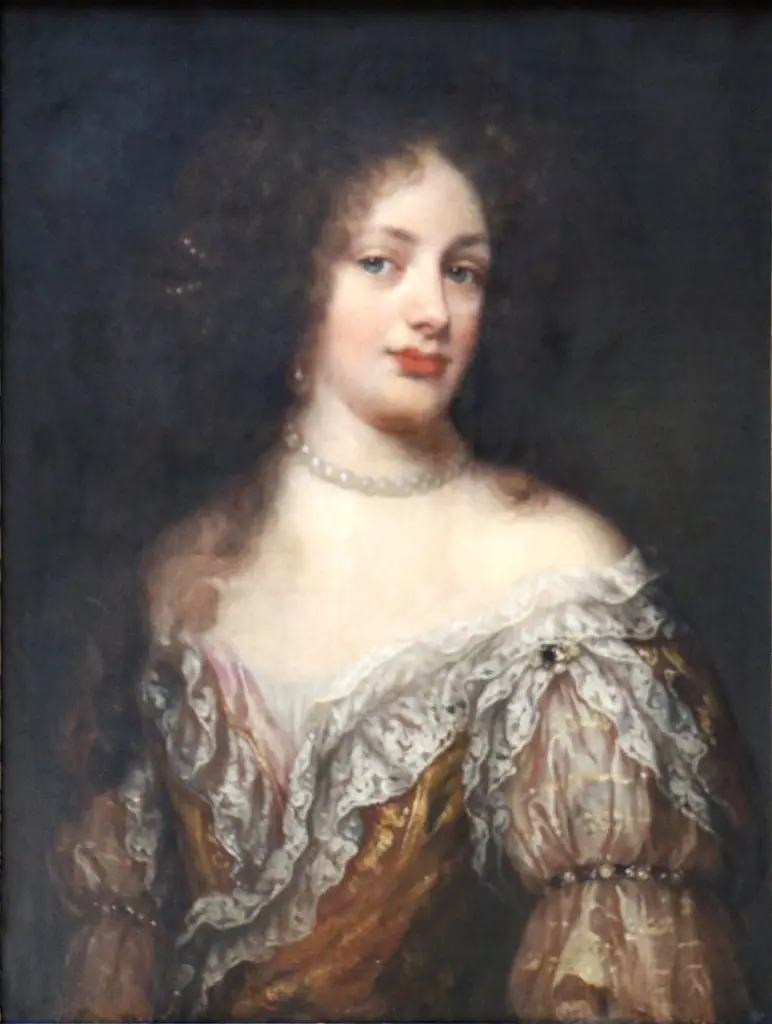 Portrait of a lady
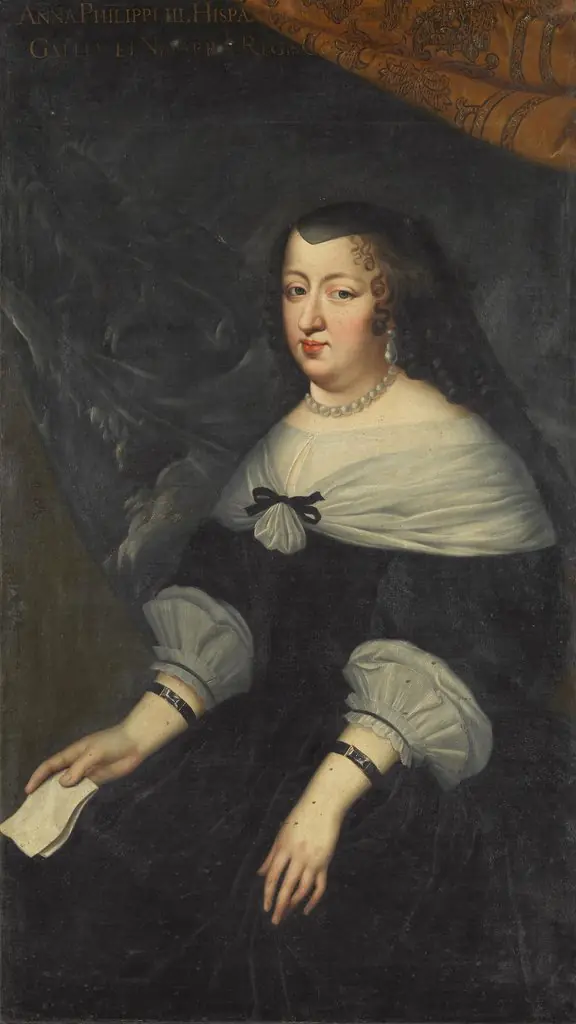 Anna von Österreich (1601-1666) (Umkreis)
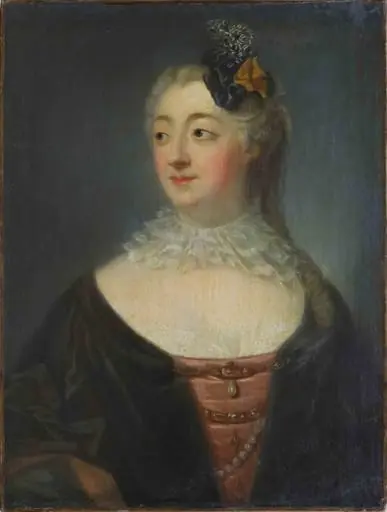 Portret de femeie
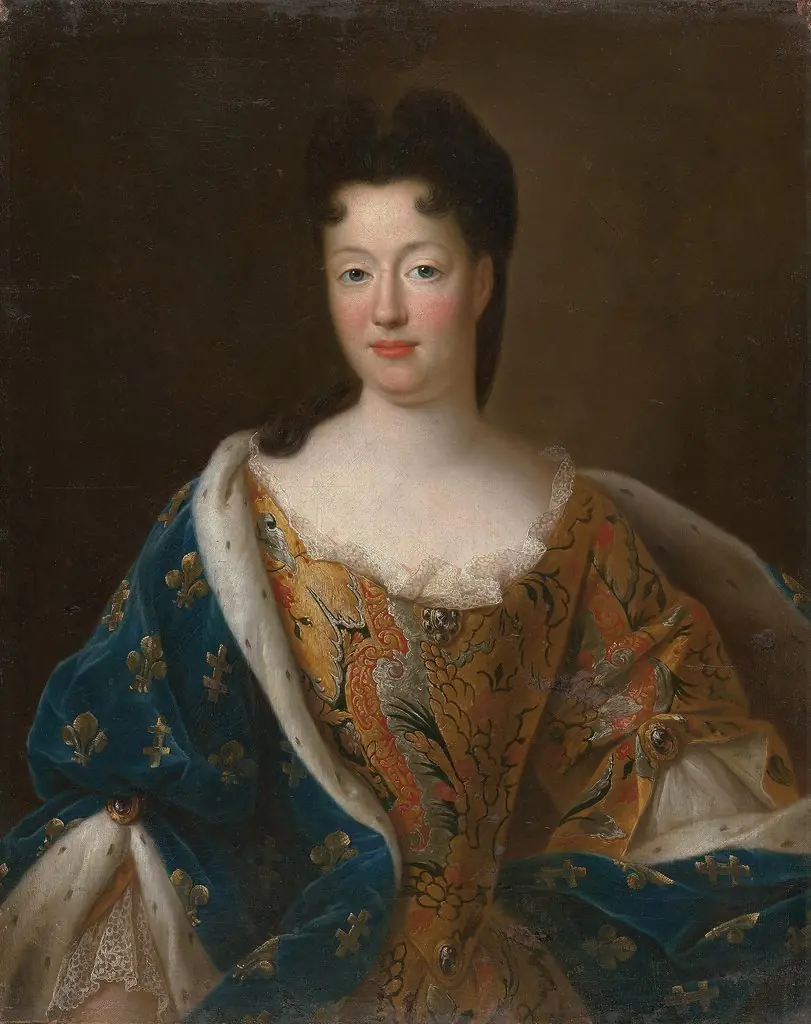 Portrait of Élisabeth Charlotte d'Orléans
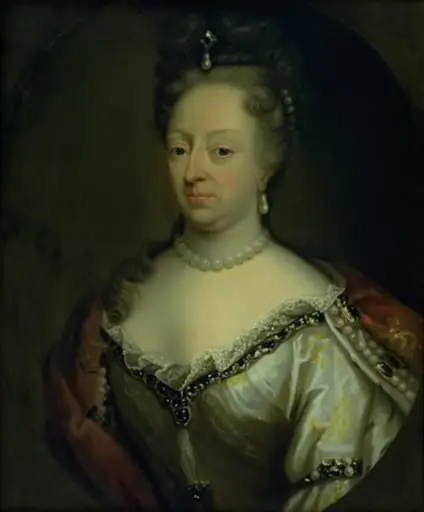 Dronning Charlotte Amalie