Artwork
Dronning Charlotte Amalie
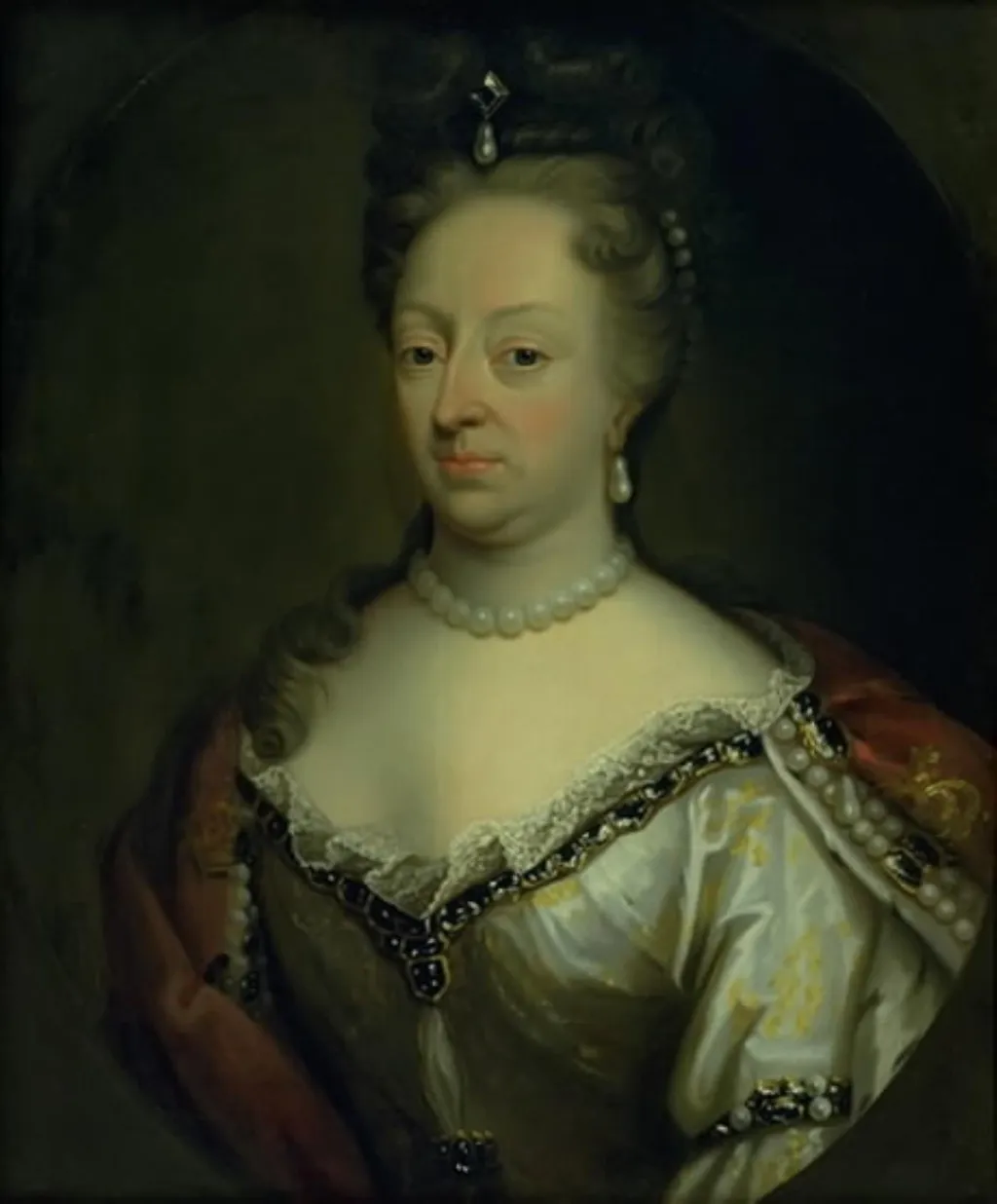
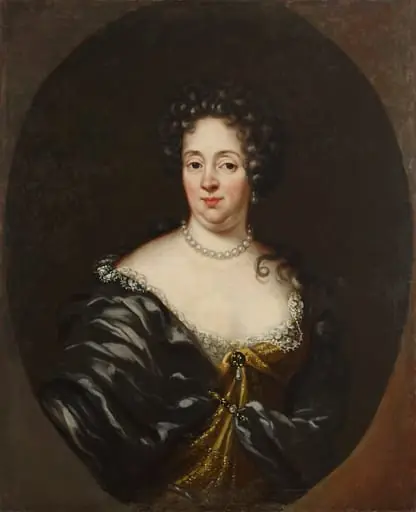
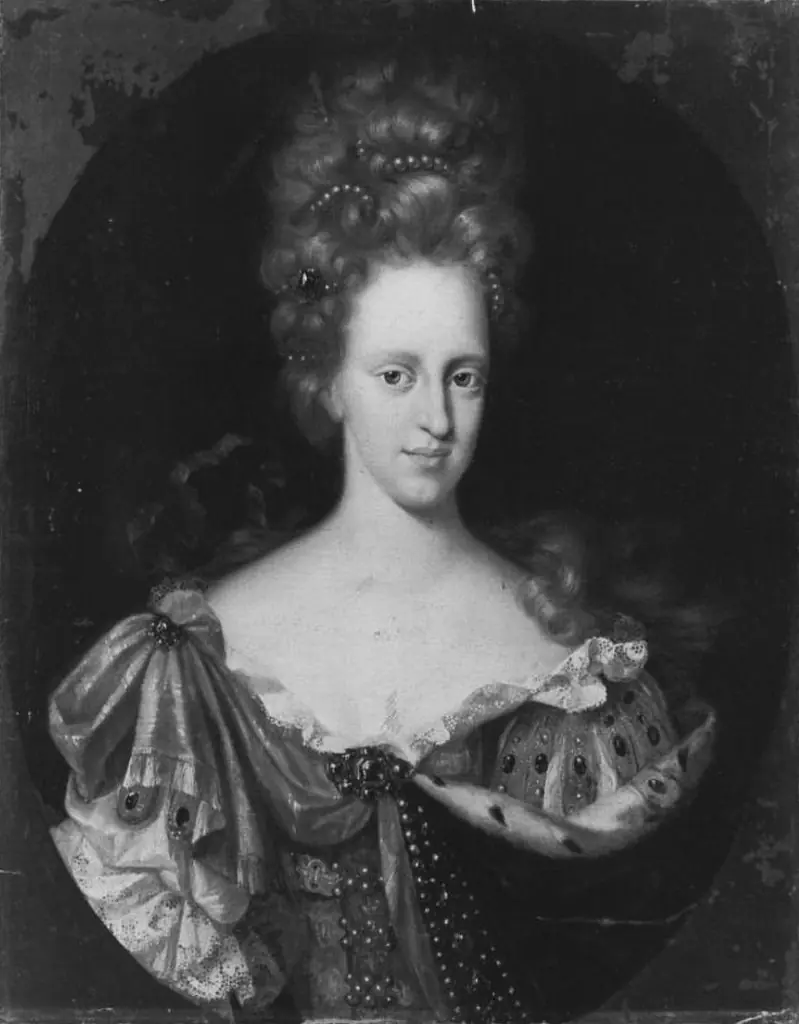
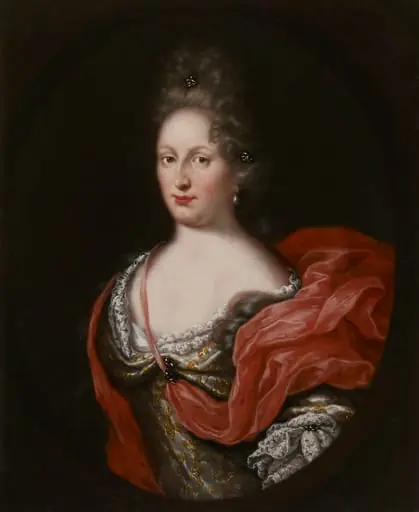
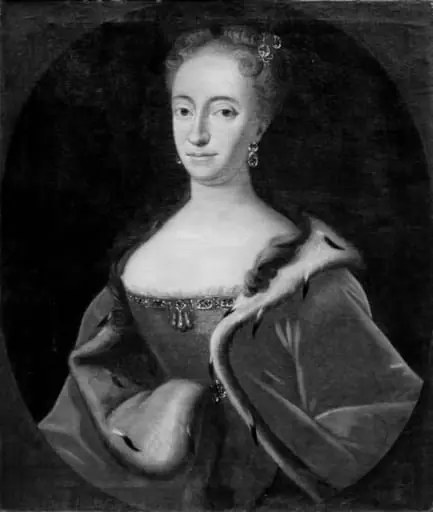
Dronning Charlotte Amalie is a photography by Unknown. It dates from 1750 and is held in the collection of the Statens Museum for Kunst. This portrait depicts Charlotte Amalie, queen consort of Denmark, painted around 1750.
About this work
Overview
The composition emphasizes her presence through controlled lighting and restrained setting, typical of royal portraiture of the period.
This portrait depicts Charlotte Amalie, queen consort of Denmark, painted around 1750. The image is held in the collection of the Museum of Ethnography. Rendered with careful attention to detail, it presents the sitter in formal court attire against a deep, unbroken background. The composition emphasizes her presence through controlled lighting and restrained setting, typical of royal portraiture of the period.
Subject & Meaning
Charlotte Amalie is portrayed as a figure of dignified authority, her expression composed and unsmiling, reflecting the expected solemnity of royal representation. Her attire—lace collar, pearl necklace, and beaded sleeve—signals her status and adherence to courtly dress codes. The absence of symbolic objects or elaborate settings shifts focus entirely to her person, reinforcing the image of monarchy as a personal embodiment of state continuity.
Technique & Style
The artist employs chiaroscuro to model the queen’s face and upper body, using strong contrasts between light and shadow to create volume and depth. The dark background isolates her form, enhancing the three-dimensionality of her features. Brushwork is precise in rendering textures—lace, pearls, and fabric—while maintaining a smooth, polished surface that conveys refinement and control.
History & Provenance
The portrait was likely commissioned during Charlotte Amalie’s lifetime, possibly for royal or state use. It entered the Museum of Ethnography’s collection in the late 19th or early 20th century, likely as part of a broader acquisition of Nordic historical materials. Its preservation suggests ongoing interest in royal iconography, though its original context of display remains undocumented.
Context
Created during the mid-18th century, the portrait aligns with European traditions of royal representation that favored restraint over grandeur. Unlike Baroque extravagance, this image reflects a quieter, more intimate mode of authority, consistent with Danish court aesthetics of the time. Similar portraits of queens from this era emphasize lineage and decorum rather than political power.
Legacy
The portrait endures as a visual record of royal identity in 18th-century Denmark. While not widely reproduced, it contributes to scholarly understanding of how monarchy was visually constructed outside major artistic centers. Its preservation in an ethnographic museum underscores its role as a cultural artifact, valued for historical testimony rather than artistic innovation.
Artist & collection

 Domestic Scene
 Giacomo and Cardinal Marco, investing Andrea, Abbot of San Zeno, with his Benefice
 The Nymph of Fontainebleau
 Portrait of a Woman
 Madonna and Child with Saints in the Enclosed Garden
 Venus and Minerva
 Family Group of Four on Sofa
 Wall painting from Room H of the Villa of P. Fannius Synistor at Boscoreale