Artwork
Kreivitär Ingeborg Posse
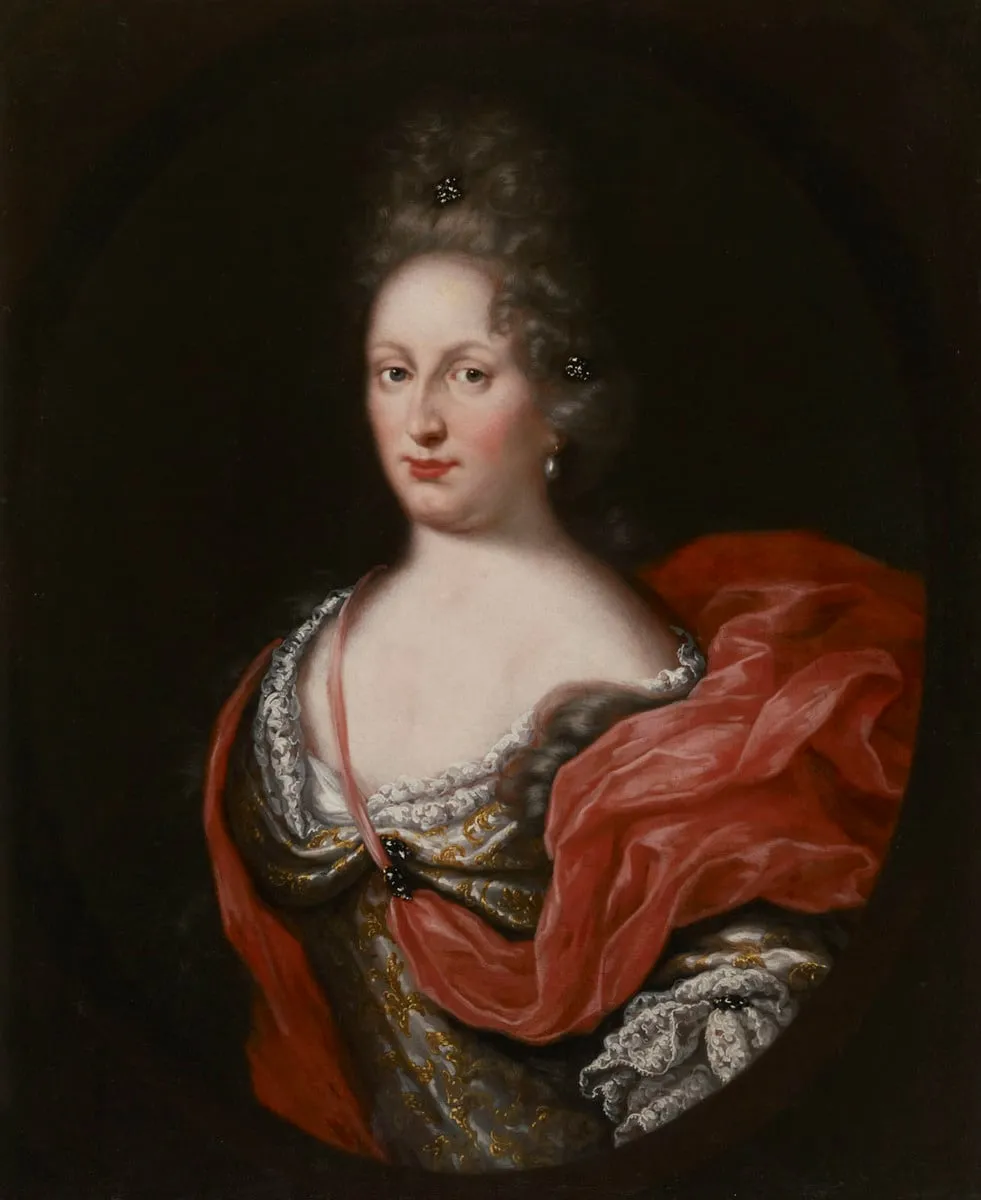
Kreivitär Ingeborg Posse is an unspecified painting by Martin Mijtens vanhempi / den äldre / the Elder. It is held in the collection of the Finnish National Gallery. This portrait depicts a woman of elevated social standing, rendered with formal precision and restrained elegance.
About this work
Overview
This portrait depicts a woman of elevated social standing, rendered with formal precision and restrained elegance. The composition centers on her figure against a deep, unbroken background, isolating her presence and emphasizing her attire. Subtle lighting models her features and garments, creating a quiet intensity that aligns with aristocratic portraiture of the period.
Subject & Meaning
The subject is likely a noblewoman, identified through her elaborate dress and jewelry. The dark fabric with gold embroidery, red shawl, and ornate brooch signal wealth and status, while her composed demeanor and averted gaze reflect the decorum expected of her class. The portrait functions less as a personal likeness and more as a visual assertion of lineage and social position.
Technique & Style
The artist employs chiaroscuro to define form, using sharp contrasts between shadow and the faint illumination on skin and metallic threads. Brushwork is controlled, particularly in rendering the texture of fabric and hair. The limited palette—dominated by blacks, deep reds, and gold—enhances the painting’s solemnity and reinforces its ceremonial tone.
History & Provenance
The painting’s origins are undocumented in public records, and no definitive artist or date has been established. It is cataloged as a regional portrait, possibly from Northern Europe in the late 16th or early 17th century. Its survival suggests it remained within a private collection, likely of noble descent, before entering institutional care.
Context
During the period, portraits of aristocratic women served as instruments of family prestige, often commissioned for marriage alliances or ancestral display. The restrained expression and formal dress align with Protestant and Catholic courtly norms that favored modesty and hierarchy over flamboyance. Such works contrasted with more theatrical Italian or Spanish styles of the same era.
Legacy
Though not widely exhibited or studied, the portrait contributes to the corpus of lesser-known noble portraiture from early modern Europe. Its preservation offers insight into regional aesthetics and the visual language of status outside major artistic centers. It remains a quiet testament to the social rituals encoded in dress and pose.
Artist & collection
Artist
Martin Mijtens vanhempi / den äldre / the Elder
This Swedish portraitist in powdered wigs and velvet coats was the go-to painter for Helsinki’s elite in the 1700s.

 Jennings-suvun jäsen
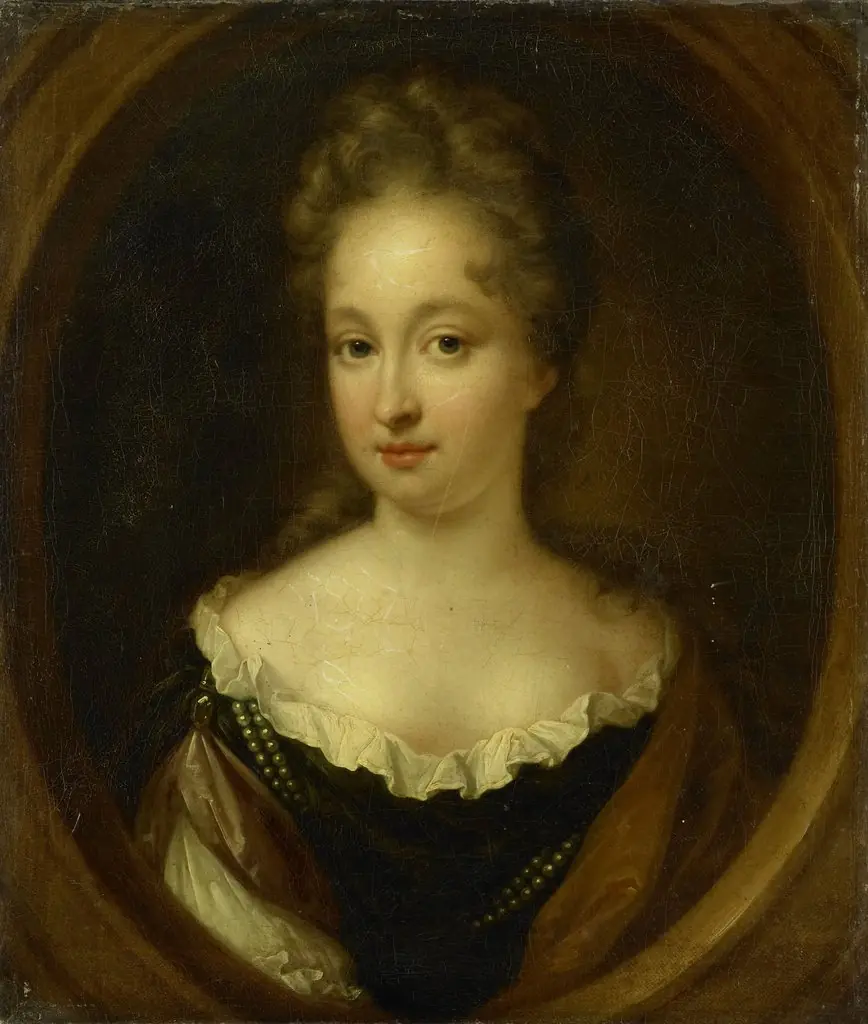 Portrait of Anna van Citters (1664-94), daughter of Aernout van Citters and Josina Parduyn
![Portrait of a young woman [Sophie Markgräfin von Brandenburg-Bayreuth, née Duchess Sachsen-Weißenfels (1684–1752)?], by Unknown](https://artifactworldgallery.com/img/unknown--portrait-of-a-young-woman-sophie-markgrafin-von-brandenburg--2d73c9561763e528-w320.webp) Portrait of a young woman [Sophie Markgräfin von Brandenburg-Bayreuth, née Duchess Sachsen-Weißenfels (1684–1752)?]
Portrait of a young woman [Sophie Markgräfin von Brandenburg-Bayreuth, née Duchess Sachsen-Weißenfels (1684–1752)?]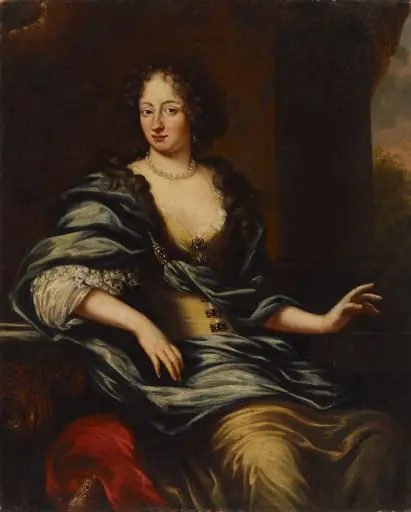 Kuningatar Ulrika Eleonora vanhempi
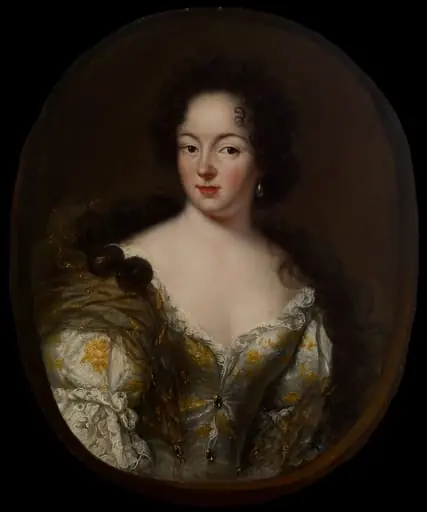 Hedvig Eleonora Tessin, o.s. Stenbock
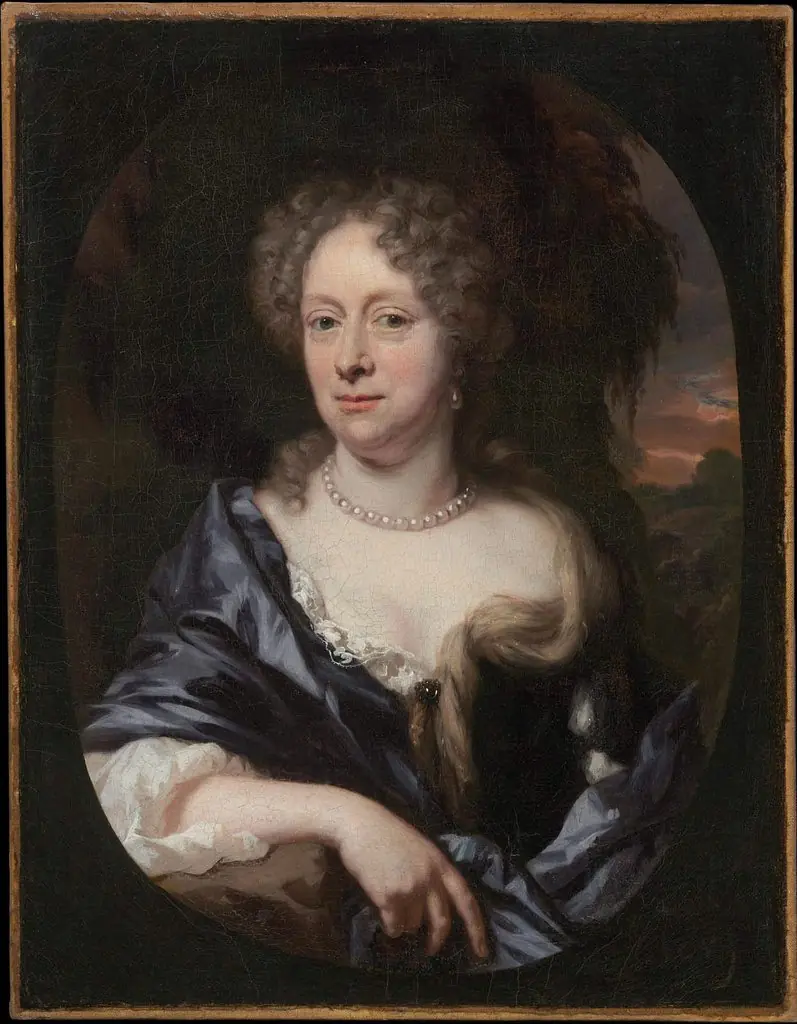 Helena van Heuvel
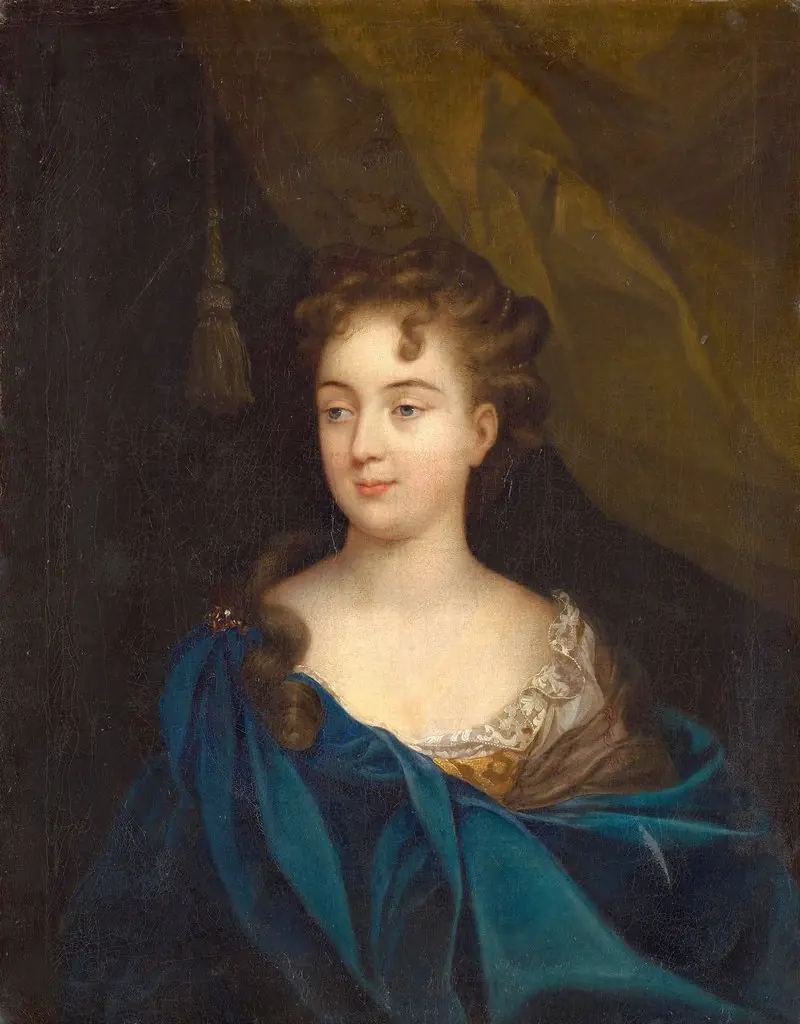 Maria Anna Christina, Dauphine von Frankreich (1660-1690) (Umkreis)
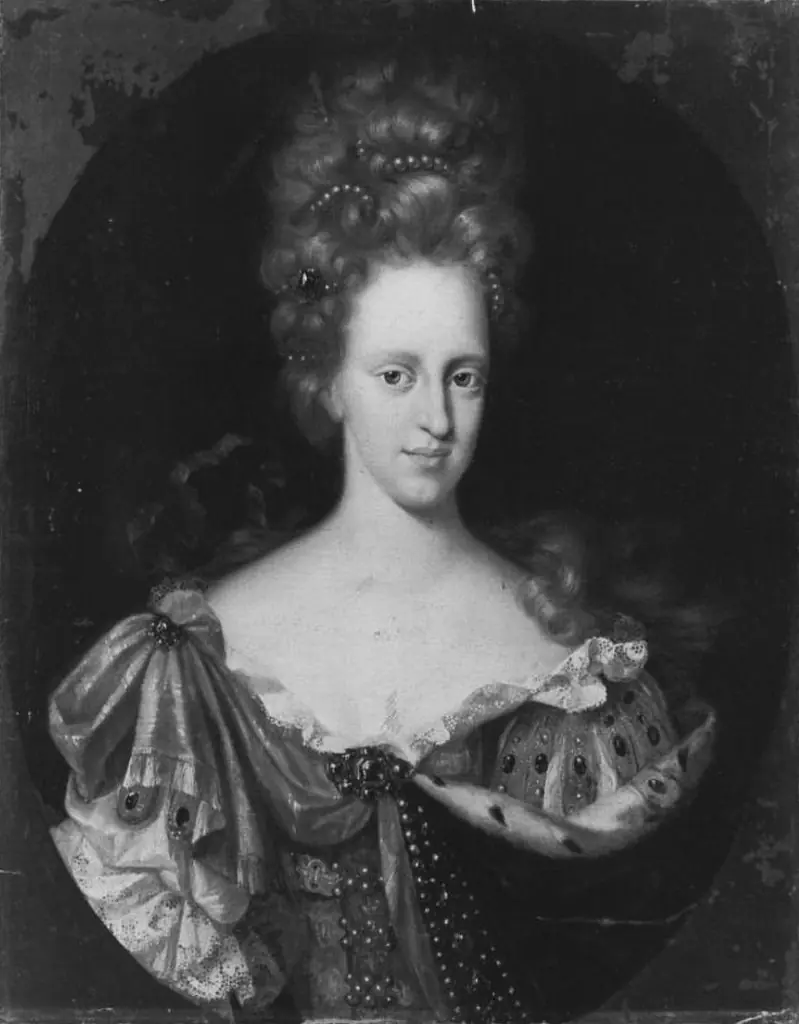 Prinzessin Hedwig Elisabeth Amalie
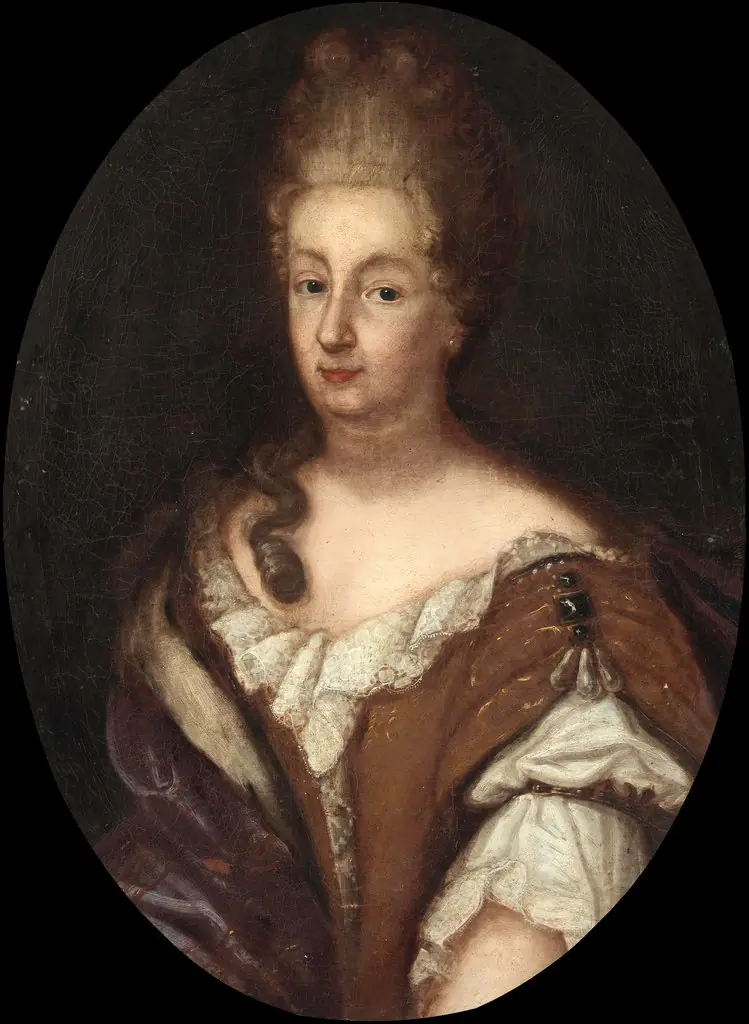 Elisabeth Charlotte Herzogin von Orléans (?)
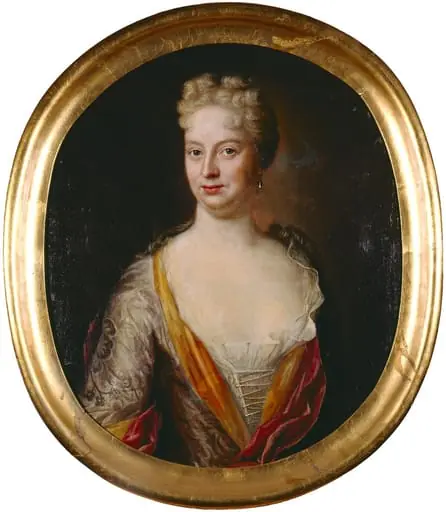 Piispatar Elisabet Wallin
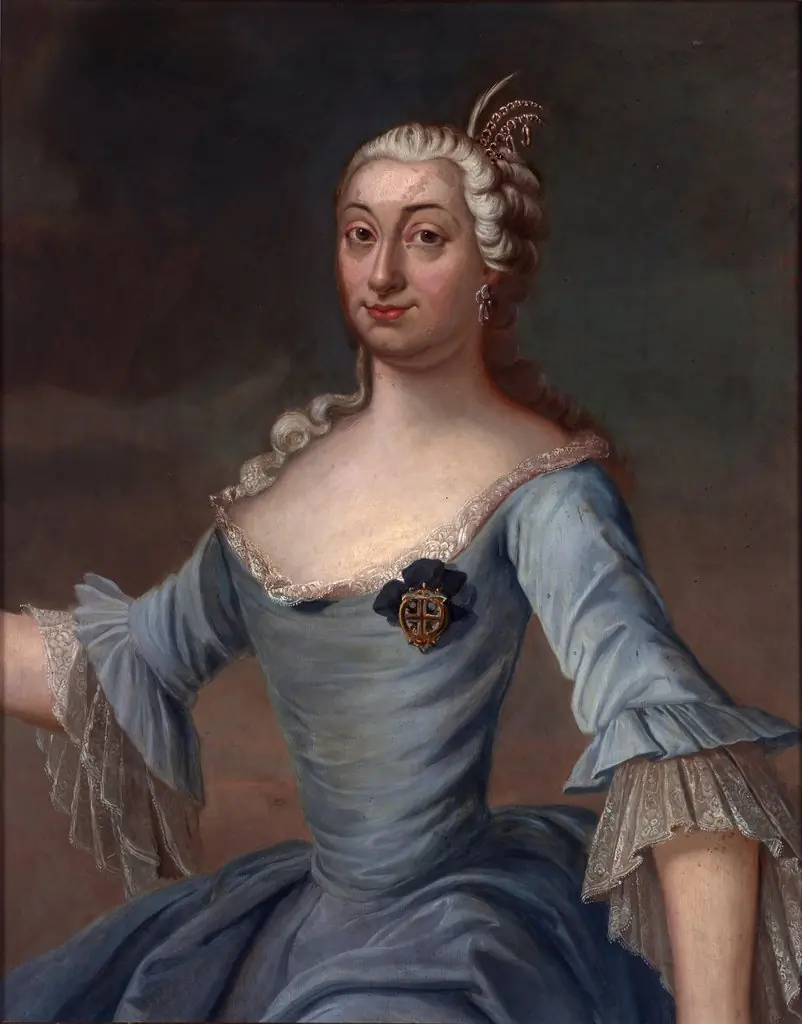 Portret Anny Ludwiki z Mycielskich Radziwiłłowej (1729-1771), żony Michała Kazimierza Radziwiłła "Rybeńki", hetmana wielkiego litewskiego i wojewody wileńskiego
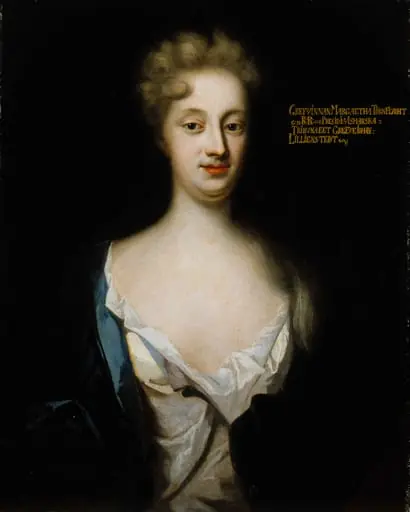 Kreivitär Margareta Lillienstedt