Artwork
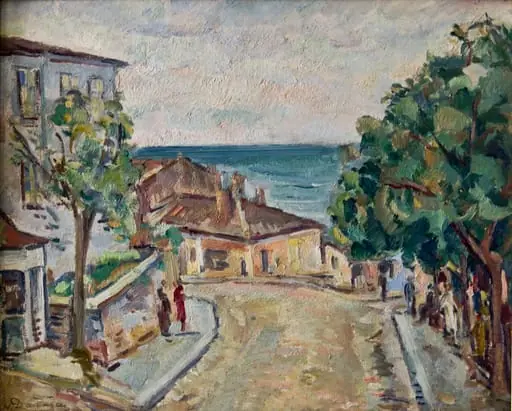
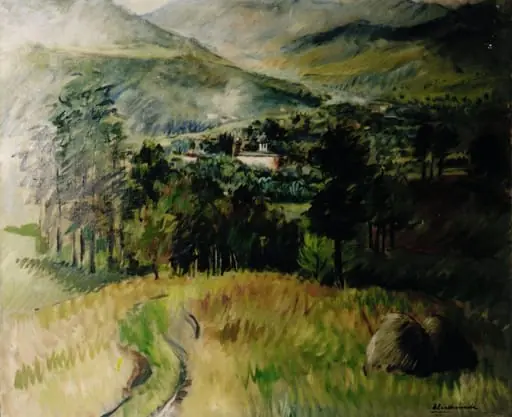
Vedere a satului Grimaud
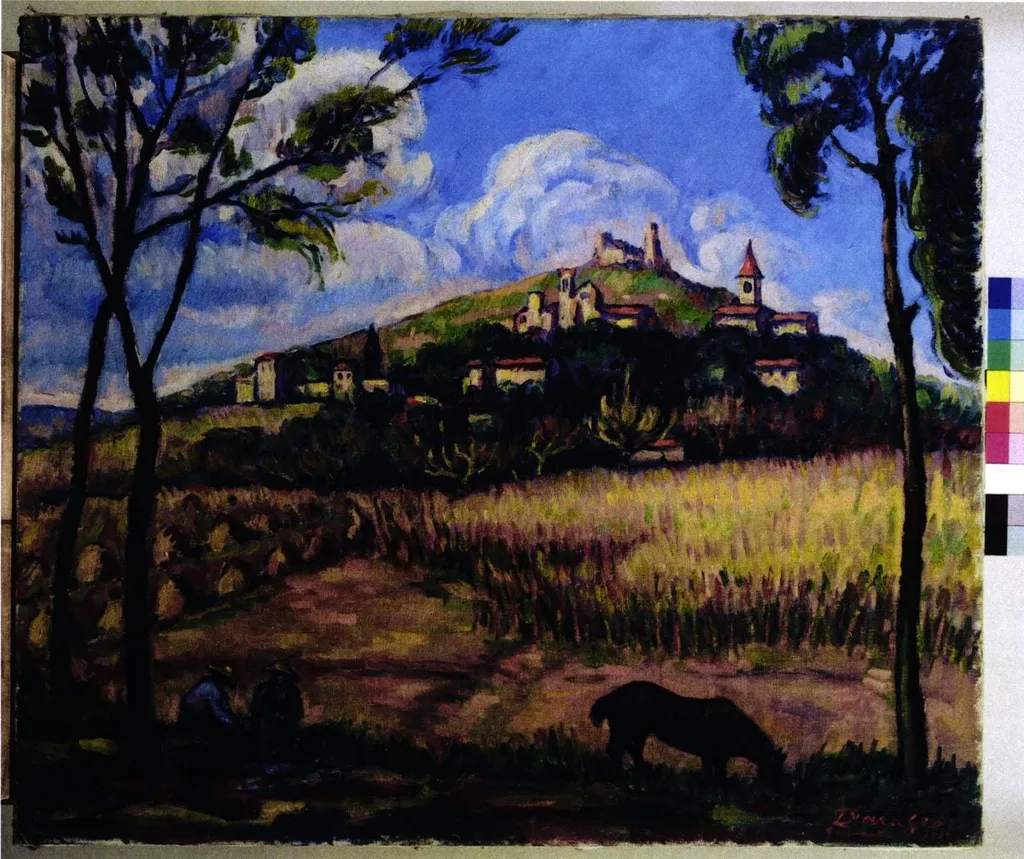
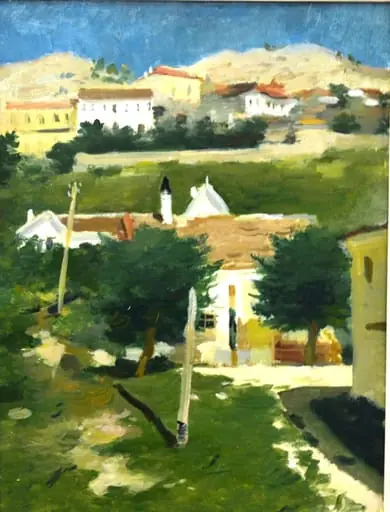
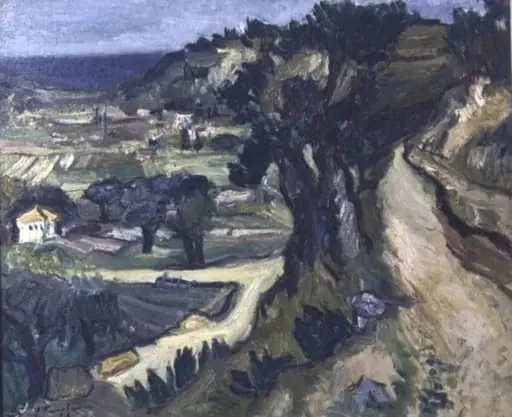
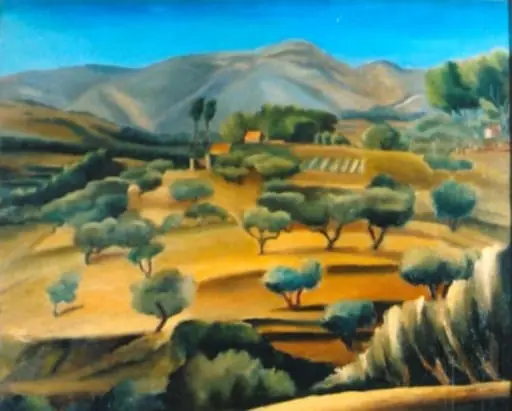
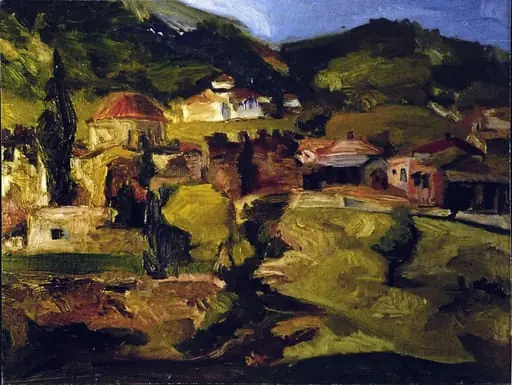
Vedere a satului Grimaud is an unspecified painting by Nicolae Dărăscu. It dates from 1943 and is held in the collection of the National Museum of Art of Romania.
About this work
Overview
Dărăscu’s approach emphasizes atmosphere over detail, using textured brushwork to convey the stillness and warmth of a provincial scene.
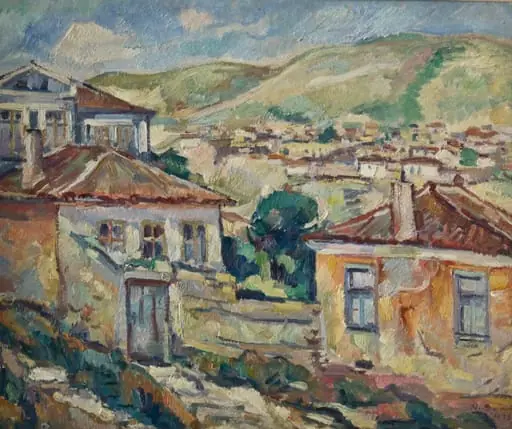
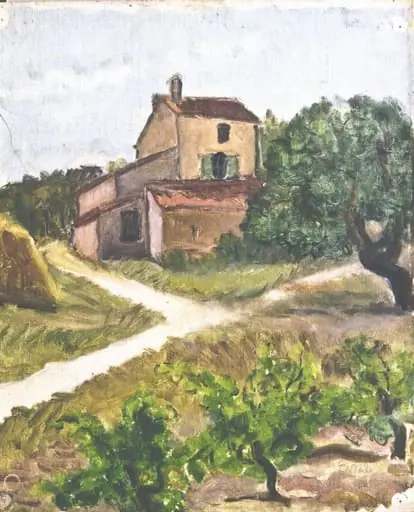
Painted in 1943 by Romanian artist Nicolae Dărăscu, this landscape captures the rural hamlet of Grimaud. The composition centers on a quiet hillside settlement, framed by contrasting trees and softened by a luminous sky. Dărăscu’s approach emphasizes atmosphere over detail, using textured brushwork to convey the stillness and warmth of a provincial scene. The painting reflects a contemplative engagement with the land, free from dramatic narrative or idealization.
Subject & Meaning
The scene depicts a modest village nestled on a gentle slope, with a single prominent tower suggesting a church or watchtower. A grazing cow and a winding path imply quiet rural life, while the framing trees—dark and bare beside a vibrant, leafy one—hint at seasonal transition or natural cycles. There is no human presence, reinforcing a sense of solitude and timelessness, as if the landscape endures beyond daily activity.
Technique & Style
Dărăscu employed thick, deliberate brushstrokes to build form and texture, particularly in the hillside and foliage, using impasto to catch and reflect light. The palette leans toward earth tones—ochres, muted greens, and soft browns—with subtle accents of yellow and pale green in the grass. The sky, rendered in layered blues and whites, adds depth without distraction. The technique prioritizes tactile surface and atmospheric effect over precise detail.
History & Provenance
Created during World War II, the painting emerged from a period of national introspection in Romania. Dărăscu, known for his landscapes and rural themes, often turned to quiet provincial scenes during times of upheaval. While the painting’s early ownership is undocumented, it remains part of Romanian art collections, valued for its restrained emotional tone and technical sensitivity to natural light.
Context
In 1943, Romania was under a military regime and deeply involved in the war. Many artists retreated from political themes, focusing instead on domestic and natural subjects. Dărăscu’s depiction of Grimaud aligns with this trend, offering a serene counterpoint to national turmoil. His work resonated with a cultural longing for stability, rootedness, and the enduring rhythms of rural life.
Legacy
Though not widely exhibited internationally, the painting is recognized within Romanian art history as a refined example of interwar landscape painting. Dărăscu’s ability to convey mood through texture and color influenced later generations of Romanian realists. The work endures as a quiet testament to the dignity of ordinary places, valued for its emotional restraint and technical sincerity.
Artist & collection
Artist
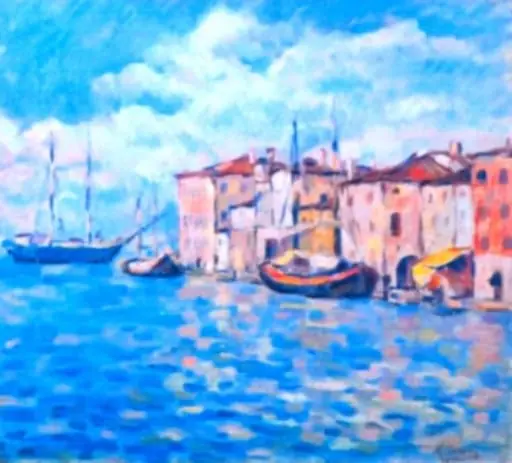
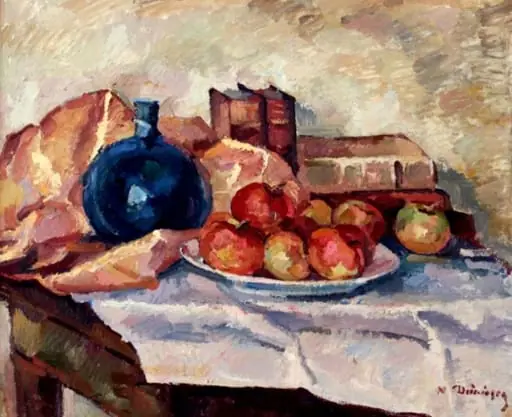
Romanian painter Nicolae Dărăscu built still lifes and cityscapes like Natură moartă and Palatul Ca'd'Oro, both calm arrangements of light and shadow.